
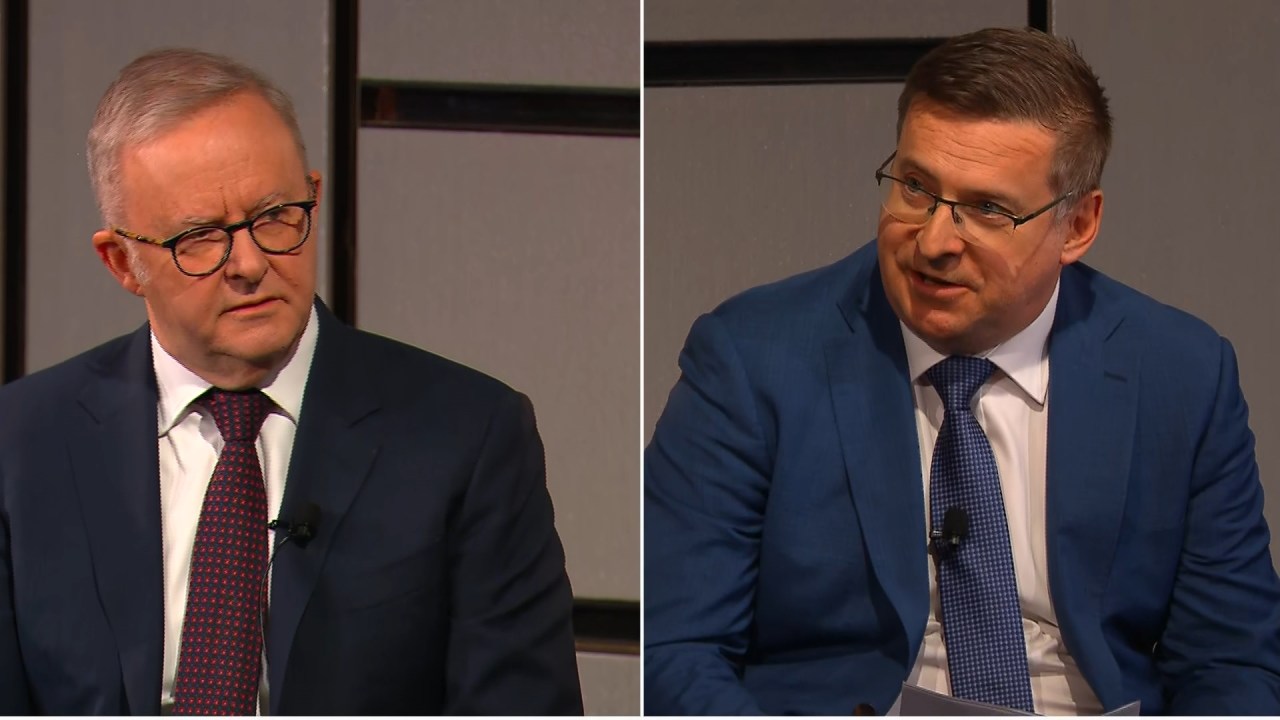
Prime Minister Anthony Albanese has said he has no reason to apologise to the public after abandoning promises and misleading voters at multiple elections.
Mr Albanese appeared at Australia’s Economic Outlook on Friday, hosted by Sky News and The Australian, where he was challenged over his broken promises.
These include broken commitments on power prices, stage three tax cuts, superannuation changes, mortgage costs, and changes to negative gearing or capital gains tax.
“Why can’t you win an election by telling the truth?” Sky News Political Editor Andrew Clennell asked Mr Albanese.
Rather than denying Labor had broken its promises, Mr Albanese acknowledged the government had reversed course but argued the circumstances demanded action.
“We’ve changed our position. That’s a difficult thing to do. And we understood that there would be criticism of that,” he said.
“But what we couldn’t afford to do is to sit back and say, well, you know, we’re in a position to do something about this… but we’re going to just stand still.”
Pressed on why he took one position to the election before backflipping, Mr Albanese denied that he had a policy not to touch capital gains tax.
“It wasn’t our policy. We have changed our position. Just as we changed our position in the last term on stage three tax cuts,” he said.
Asked directly whether he owed voters an apology for “violating their trust”, the Prime Minister declined.
“It wasn’t our position then. I’m not interested in word games, and I don’t think Australian people are either. They will make a judgement,” he said.
The exchange comes as Labor pushes ahead with controversial tax changes to replace the 50 per cent capital gains tax discount with an inflation-based model.
The government will also restrict future negative gearing to newly built homes from July 1, 2027.
Mr Albanese had categorically ruled out the possibility of touching negative gearing or capital gains tax before the election.
He used his keynote address at the economic forum to argue that the government could no longer tolerate the housing crisis.
“The changes the Howard government made in 1999 to capital gains tax were supposed to boost investment in the share market,” he said.
“Instead, they turbo-charged property as an investment vehicle. Since 1999, house prices have risen by over 400 per cent. More than twice as fast as average incomes.”
However, Mr Albanese gave no explanation as to why he was stripping the capital gains tax discount on all assets, rather than limiting it to housing.
The Labor government will get an extra $77 billion in net extra tax over 10 years from the tax changes, but will still run up budget deficits of $150 billion over just five years.
“We’re running less deficits than the ones that we inherited,” Mr Albanese said, referencing the Morrison government’s spending during the Covid pandemic.
Labor has sought to frame the reforms as a housing supply measure rather than a tax increase, preserving negative gearing for new housing developments.
Mr Albanese said alternative proposals, including limiting negative gearing to a set number of properties, had been rejected because they would not increase supply.
“We very consciously have a policy of new builds because that’s what drives supply,” he said.
Mr Albanese also rejected suggestions that former Labor prime minister Paul Keating had played a decisive role in shaping the budget.
It’s understood Mr Keating met with Mr Albanese and Treasurer Jim Chalmers in the lead-up to the budget, and encouraged the tax changes.
“This is my budget in 2026. He supports what we have done, but we make our decisions in 2026,” he said.
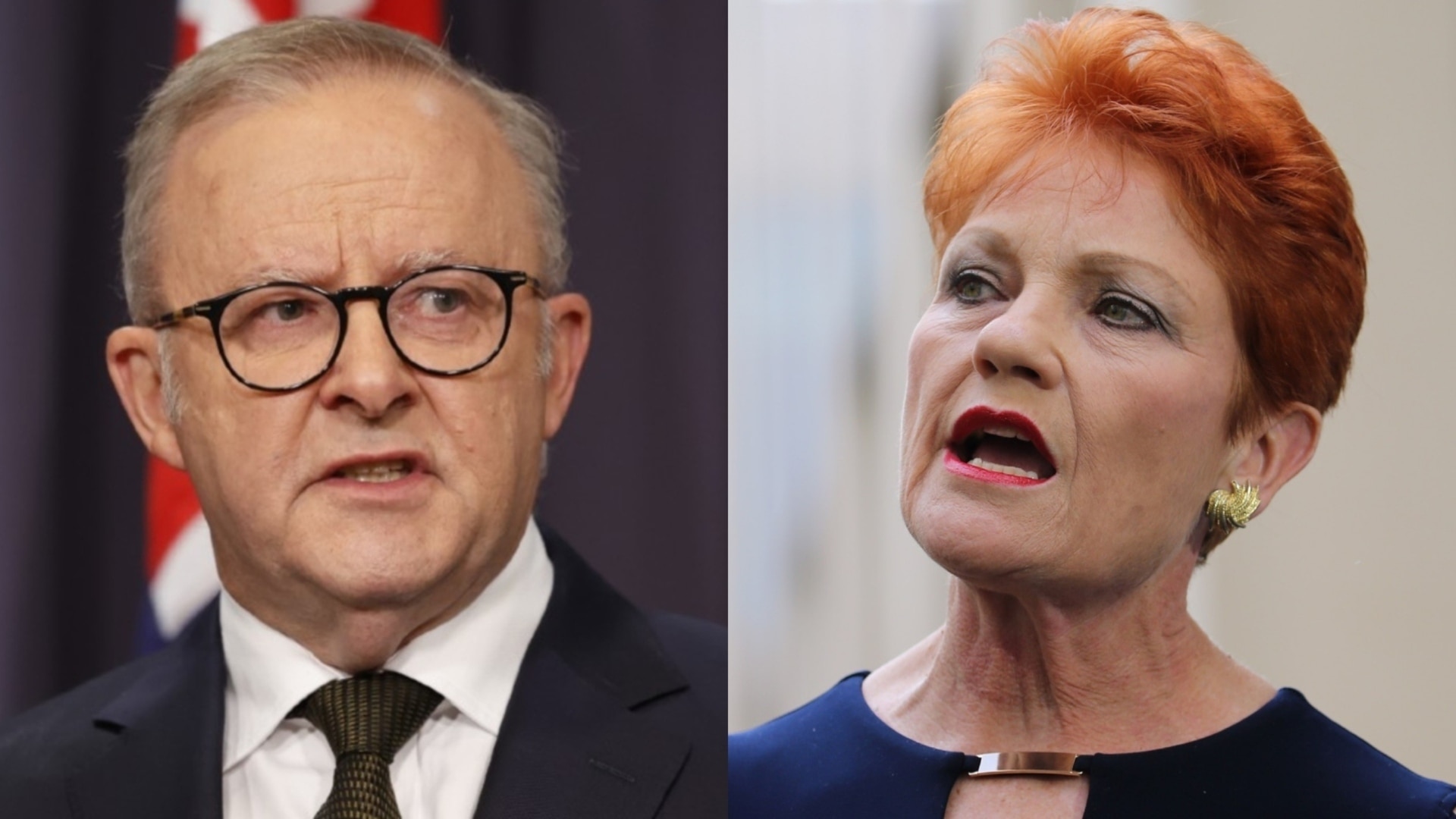
In the wake of Labor’s budget misadventure, Labor has sunk to its lowest ever primary support, falling behind One Nation for the first time in history.
Trust in the major political parties has fallen to all-time lows as One Nation support rises, but Mr Albanese said populism is the problem.
“I tell you what’s not ideal. It’s to see the rise of populism, whether at the right or the left,” he said.
“Whether it be One Nation and the increasing blurring of the lines between the Liberal Party and One Nation, or the Greens political party on the other extreme.”
Mr Albanese argued growing frustration among voters stemmed from a genuine belief that the economy was no longer delivering opportunities for ordinary people.
“If people think … they’re working their guts out and they are not getting opportunity, I’ll tell you what they will turn to — more simplistic grievance-based politics,” he said.
“I’m critical of the leaders of that political movement, but I’m never critical of voters.”
In the latest Sky News Pulse / YouGov poll, One Nation led the primary vote for the first time in history on 29 per cent – a 23-point increase from the 2025 federal election.
Labor sank to its lowest-ever result of 26 per cent, down 9 per cent from the election, but still ahead of the floundering Coalition on 20 per cent.
One Nation has devoured Labor’s traditional voting base, with 35 per cent of working-class people intending to vote for Pauline Hanson’s party.
“One Nation’s surge in primary vote support has come from working-class voters who have historically favoured Labor,” YouGov’s Director of Public Data Paul Smith said.
“Working class voters are the majority of voters in most electorates, so the battle for the working class vote between Labor and One Nation will decide the next election.”