
Google says the AI-driven surge in demand for data centres is the catalyst Australian businesses needed to finally invest seriously in renewable energy — and the tech giant is putting its money where its mouth is.
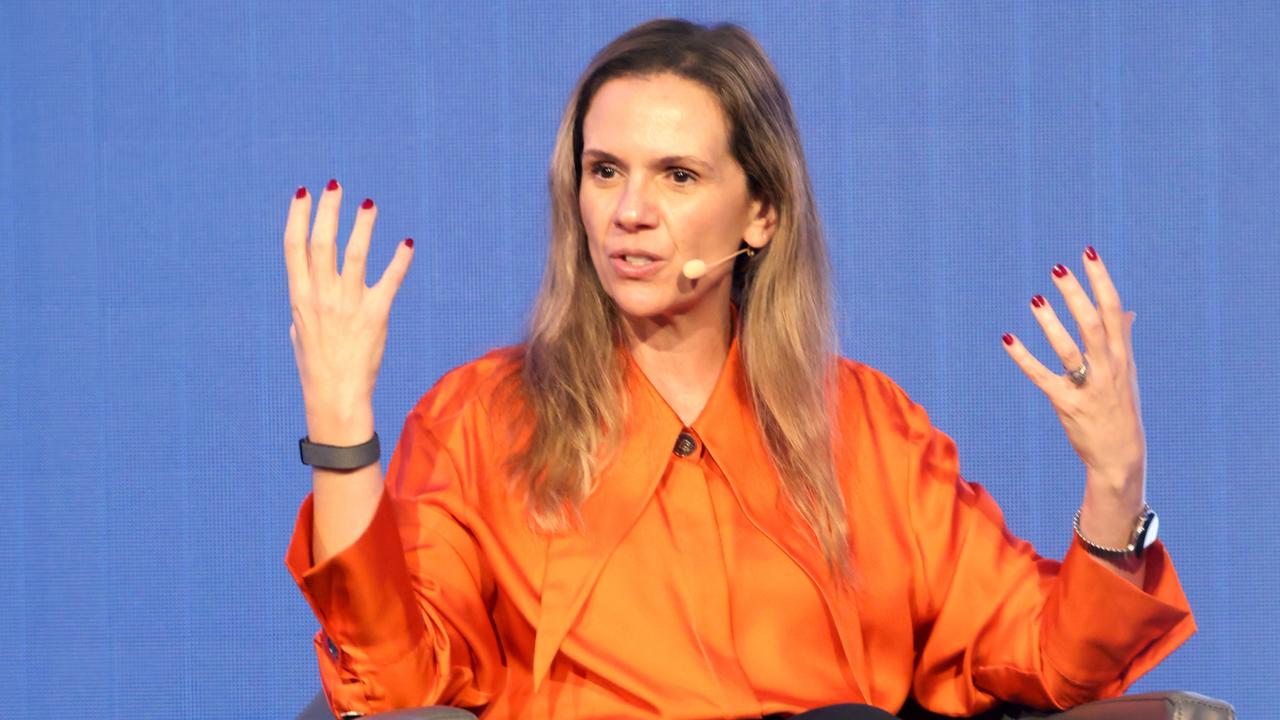
Speaking at a QUT Business Leaders’ Forum in Brisbane on Friday, Google’s Australia and New Zealand vice president and managing director said the company had recently backed a solar farm in NSW and was actively seeking to contribute to the electricity grid.
“We have an incentive to build green clean energy and power those data centres ourselves,” she said.
Google does not currently own large-scale stand-alone data centres in Australia, instead leasing server space from third-party providers. But the company says its infrastructure ambitions extend well beyond the next few years.
“The way we are at Google is that we want to make sure that we’re making a difference in 20 to 30 years time,” she said.
However, it delivers its Google Cloud Platform services to local clients by leasing server space in third-party co-location facilities owned by providers like AirTrunk, Equinix, NextDC, and CDC Data Centres.
As part of its Google Cloud Platform business, in partnership with AirTrunk and European Energy Australia, the company recently announced it was backing the 25MW Mulwala Solar Farm in the Riverina district in NSW.
Ms Silva told the forum that it was important to “take a breath” in the debate on the impact of AI, saying its simpler to focus on the jobs lost rather that the gain that will be made from the adoption of AI.
“AI is a disrupter. But the internet was like this. Electricity was like this. Globalisation has been like this,” Ms Silva said,
“We will have a conversation. But don’t squander the opportunity because it’s massive. We have to learn about AI, understand the skills, became fluent in it, get your hands on the tools.”
According to the World Economic Forum by 2030, AI will eliminate 92 million jobs globally but create 170 million new ones. Instead of mass unemployment, the primary effect of AI is job transformation, with over half of all roles expected to be reshaped.
Ms Silva said some of Australia’s largest businesses have embraced AI into their daily workflow.
“I am not talking small little start ups. Some really large Australian companies are workshopping and doing it,” she said.
Powered by Google Cloud’s Gemini Macquarie Bank is reclaiming more than 130,000 productivity hours allowing workers to spend more time with the customers rather than on repetitive tasks. Wesfarmers subsidiary Bunnings has also embraced AI through its recently released Buddy shopping assistant.
Ms Silva said they were currently at the “light bulb” stage in the development and integration of AI.
“If your not using it a competitor is likely to be using it,” she said.