

Key takeaways
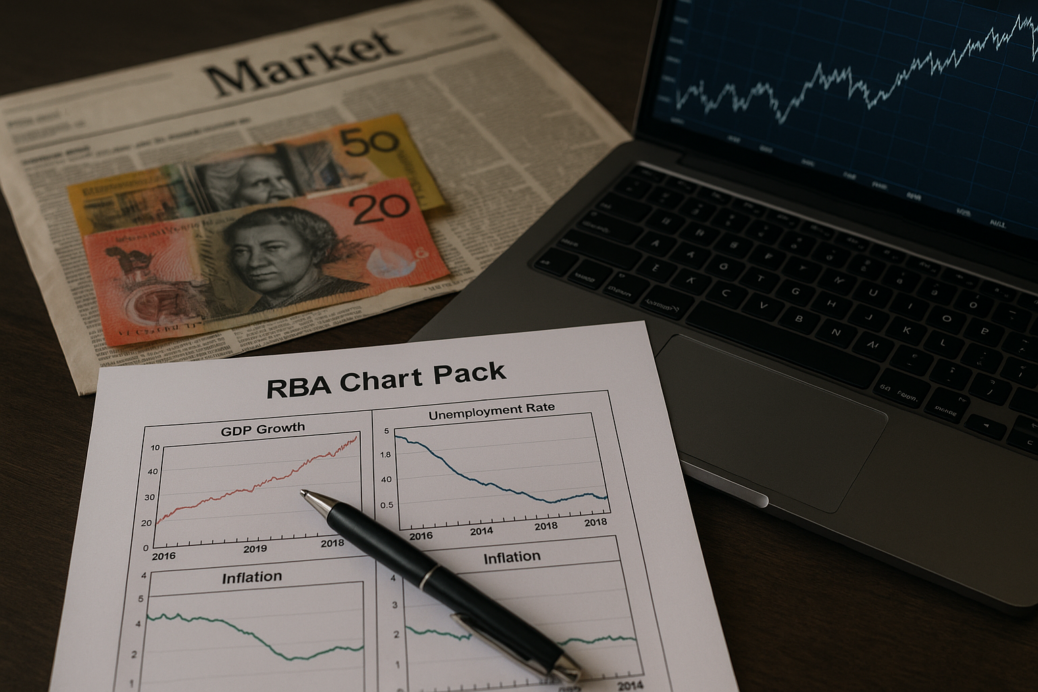
If a picture paints a thousand words, then this collection of charts should do a pretty good job of painting the landscape as it affects our economy and property markets.
Of course, Australia’s economy doesn’t operate in isolation, so it’s important to keep track of how the economies of our major trading partners are performing.
Despite concerns around the world about recessions, Australia’s economy is still growing and creating jobs but persistent inflation has caused the Reserve Bank to raise interest rates 3 times this year but this may now be at a peak.
Despite high interest rates and inflation have eaten away at the average household budget, in general Aussies have significantly more equity in their homes than they had four years ago.
Australia’s residential property market is valued at $12.6 trillion, yet only $2.6 trillion worth of debt is against this large asset base. In fact 50% of homeowners don’t have a mortgage against their homes.
Currently, Australia has a significant shortfall of housing, but the rising cost of construction means that most developments on the drawing board are not currently financially viable to get out of the ground.
Consumer confidence remains at very low levels and is likely to remain shaky for some time yet.
The unemployment rate is still relatively low at 4.5%, meaning Australians can feel secure about their financial futures.
The labour force participation rate is an estimate of an economy’s active workforce. The participation rate has increased over the last few years, and there are currently over 337,900 jobs advertised, but nobody to fill them.