
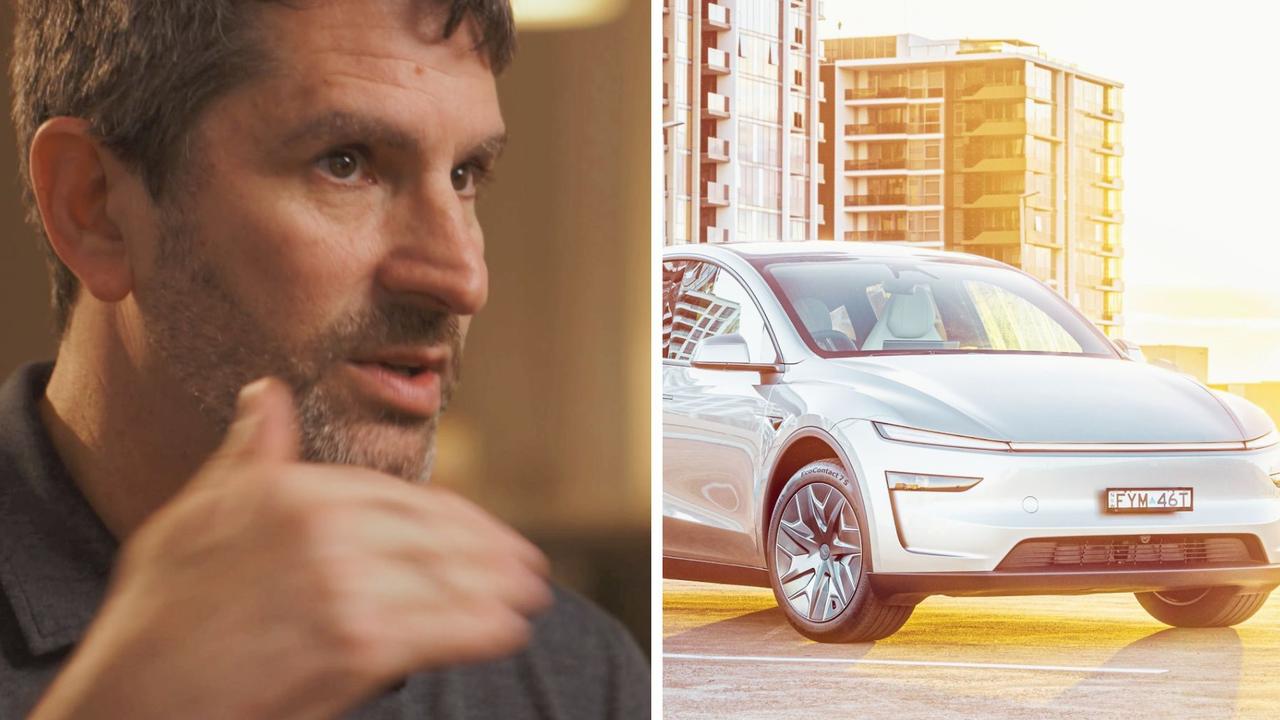
A Tesla customer who survived a heart attack after his self-driving car took him to hospital has credited his vehicle with saving his life.
But Tesla has warned customers not to take the same approach.
John Brandt was driving a Tesla Model Y from Georgia to Alabama in November 2025 when he experienced severe chest pain and called his son, Jack Brandt.
The college student was able to use Tesla’s app to change the car’s destination to a nearby hospital, which he then called to let them know that a new patient would arrive soon.
“I answer my phone and he says ‘Jack, I’m in trouble’,” Jack Brandt said in a video published by Tesla.
MORE: Musk doubles down on FSD in Australia
“I pick up my phone, open the Tesla app and search ‘hospital’ and press, boom, navigate. Immediately the car was able to just re-route and turn around.
“This was a seconds mattered situation. If he had gotten there minutes later it could have been a different situation.”
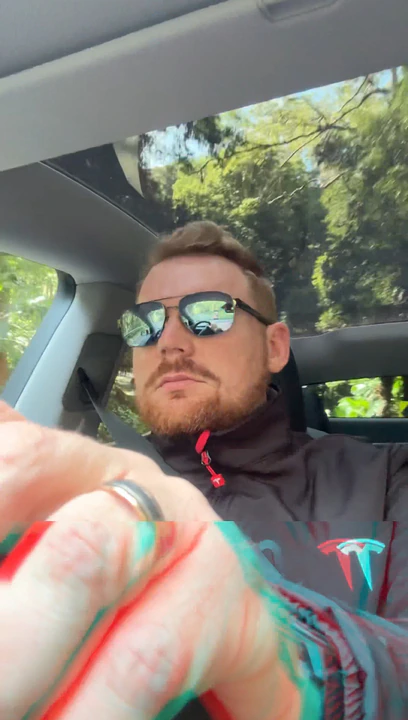
Medical staff found that John Brandt had suffered a major heart attack.
Tesla posted a report of the incident to its social media channels this week, claiming “doctors later confirmed the quick re-route likely saved his life”.
MORE: The next 10 Chinese car brands to hit Aus
But the brand has asked customers not to follow this approach.
A statement published on the Tesla website reiterates that “if you or anyone experiences symptoms of a heart attack or other medical emergency while operating a vehicle, pull over safely, stop the vehicle and call 911 immediately”.
“Tesla vehicles and FSD Supervised are not a substitute for emergency medical services,” it said.
“Prioritise professional medical response through 911 in all emergencies.”
MORE: World Cup stars in ‘dangerous’ hack
John Brandt said there were “three or four really critical things” that saved his life.
“One was that FSD was driving and it was able to get me there really quickly,” he said.
“The hospital had the capability to have the right team, my son Jack, a college student, getting a phone call at 3.30 in the morning and picking it up right away.”
While some people responding to Tesla’s report on social media were sceptical, saying they “need more info”, others saw a lighter side to the technology.
One Tesla owner said “remote rerouting a car to the hospital feels like the future we were promised”.
“Just hope my loved ones don’t take it as a cue to send me for late-night tacos instead”.
Another added that “I’m not telling my wife about this feature. She’ll start remotely re-routing me to pick up Taco Bell”.
Tesla regularly updates its FSD features.
The brand has rolled out an update in Australia this week intended to make it more accurate and reliable for thousands of customers who use the technology.
Tesla chief executive Elon Musk said a further update set to arrive this year will allow customers to talk to their car like a taxi driver – asking it to turn left at the next intersection, for example.
Many new cars feature an “SOS” function capable of calling for assistance in the case of an emergency. Often located near the rear-view mirror, the button contacts a call centre which can then phone for an ambulance on a driver’s behalf.
Advanced models can use driver monitoring systems to watch for signs that a driver may be incapacitated, then steer the car to the side of the road, stop safely and call for medical assistance.