
Three months after the patent on semaglutide (the active ingredient in Novo Nordisk’s diabetes and weight-loss drugs like Ozempic and Wegovy) expired, the excitement around the anti-obesity drug seems to be tapering off. The drug’s sales growth has fallen to 12 percent in May compared to 88 percent in the previous month, according to data by PharmaTrac. The fall in growth of sales is also showing in the inventory buildup of the drug. Data from PharmaTrac for May 2026 shows multiple generic semaglutide brands carrying 45 days of inventory.
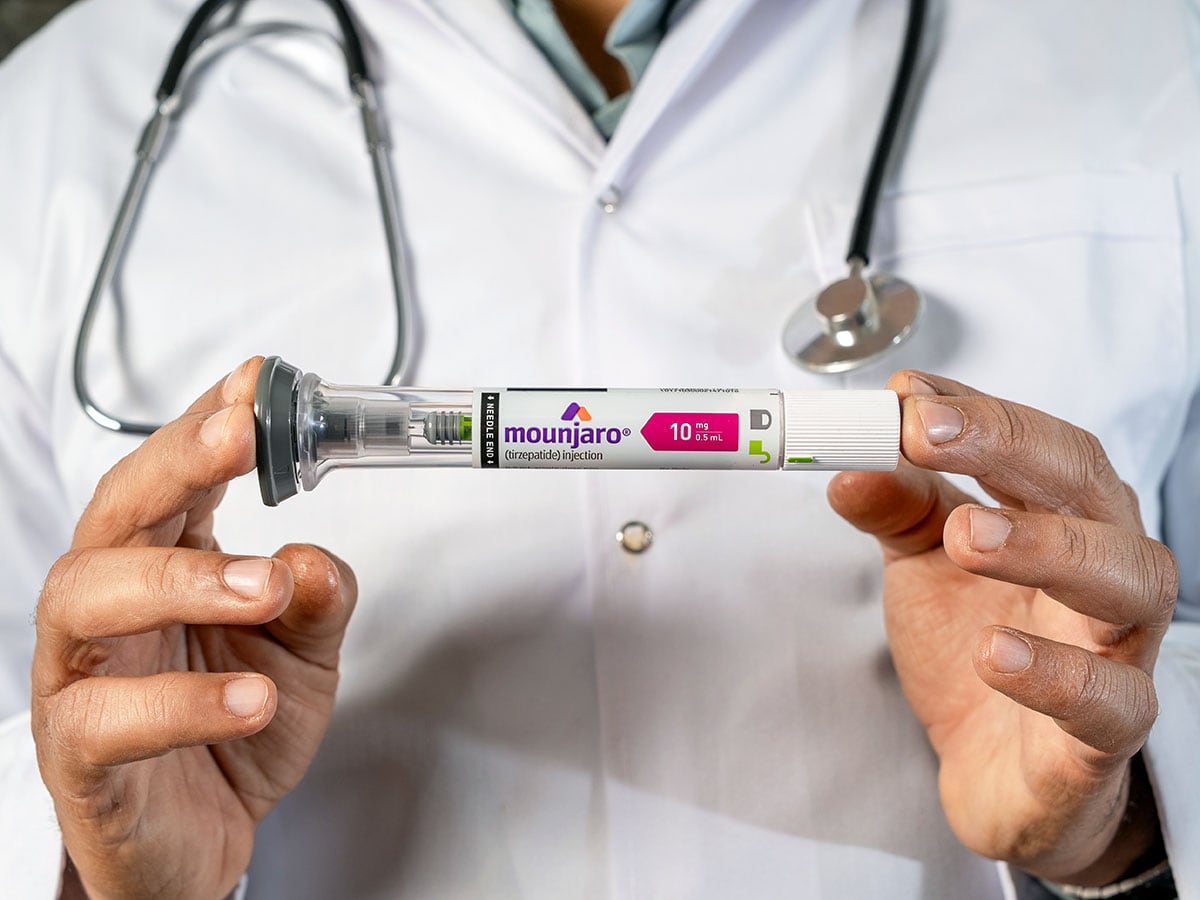
With the drug going off-patent in India on March 20 this year, over 30 companies entered the market with cheaper alternatives and Novo Nordisk too reduced the prices of Ozempic and Wegovy by 36 percent and 48 percent respectively to Rs 1,415 per month from Rs 2,200 per month for a 0.25 mg per week for both. But despite this, three months on, the drug continues to remain second to tirzepatide in market share, marketed primarily by Eli Lilly under the brand name Mounjaro.
Experts say that tirzepatide has more impact than semaglutide, with the former showing a 15-22 percent reduction in weight, compared to 10-15 percent in the latter. The nature of treatment is also determining the sales, as physicians are also getting real-world experience over time.
For a brief while (March and April), semaglutide was the preferred choice for consumers after losing its patent—the sales of semaglutide increased from Rs 48 crore in February to Rs 58 crore in March. Mounjaro (tirzepatide)—popular for managing Type 2 diabetes and chronic weight loss—on the other hand posted its first monthly sales drop, from Rs 135 crore in February to Rs 114 crore in March.
Read More
However, that trend now seems to be reversing. Even though the cost of tirzepatide,, ranging from Rs 3,500 to Rs 4,500 per dose or approximately Rs 13,000 to Rs 16,000 per month, is significantly higher than that of Novo Nordisk’s drugs, the drug is regaining its market, reaching the pre-March levels in May with sales worth Rs 136 crore.
Phulrenu Chauhan, section head-endocrinology, PD Hinduja Hospital and MRC, says the moderation may reflect increasing adoption of tirzepatide following its introduction in the India market in March last year. ”Physicians are also gaining more real-world experience with both therapies leading to more selective prescribing. Short-term factors like inventory adjustments and market dynamics may additionally influence the monthly sales trend,” he says.
Nirali Shah, a research analyst at Ashika Stock Services, says a 7-point efficacy gap is not a rounding error. “For a patient who needs to lose 30 kg to get off dialysis or resolve their diabetes, that gap can be the difference between success and failure. Add tirzepatide’s cleaner tolerability profile, as the 2nd receptor appears to blunt the nausea that pushed a meaningful share of patients off semaglutide before they ever reached an effective dose,” she said.
Rajiv Singhal, president general secretary, All India Organisation of Chemists and Druggists (AIOCD), says tirzepatide’s lead in the market has been driven by its superior efficacy in both glycemic control and weight reduction. This dual advantage, according to a number of doctors, is what also makes people pay the premium tirzepatide is bought at.
“The main advantage of tirzepatide is sort of this dual mechanism of action; it isn’t just one pathway doing everything. Semaglutide mainly goes after the GLP-1 receptor, while tirzepatide activates both GLP-1 and GIP, the glucose-dependent insulinotropic polypeptide receptors. That “two-signal” effect seems to drive stronger appetite suppression, better glucose handling in terms of insulin sensitivity, and in a lot of patients, larger fat loss outcomes,” says Narendra BS, lead consultant-endocrinology & diabetes, Aster Whitefield Hospital, Bengaluru.
The difference in sales can also be attributed to the treatment patients require. Other than patients seeking maximum weight loss, tirzepatide is generally given to people with Type 2 Diabetes and is strictly given as a weekly subcutaneous injection. Semaglutide comes in both a weekly injection format and a daily oral tablet and is given to those focused on cardiovascular protection (like stroke and heart attack) in adults with heart disease and obesity.
Narendra says the drugs have considerable overlap but prescribing decisions are becoming more individualised. “Tirzepatide may be preferred for patients with severe obesity, marked insulin resistance, metabolic syndrome, or those that have not achieved adequate results. Semaglutide remains an excellent option for many with obesity or Type 2 diabetes, particularly when cost, availability, insurance coverage, or long-term affordability are important considerations,” he adds.
Shah says doctors go to tirzepatide when semaglutide has failed to give the appropriate results. “If a patient quits semaglutide at 0.75 mg because of sulfur burps, physicians move directly to tirzepatide,” she says.
Despite the changing sales trajectory, GLP-1 drugs continue to see sustained rise in the pharma market with better awareness about obesity. Analysts predict the market will continue going from strength to strength with companies working on new innovative combinations. “These will be expected to enhance both the efficiency as well as the safety of drugs. The GLP-1 market is projected to cross the $150-billion mark by 2030. Although the revenue growth will be slower from what we have seen in the past, the market is still expected to grow continuously for at least the next five years,” says Nilaya Varma, co-founder and group CEO at global management and strategy consulting firm Primus Partners.