
ⓘ Xiaomi
Xiaomi is launching a new smartphone in additional markets
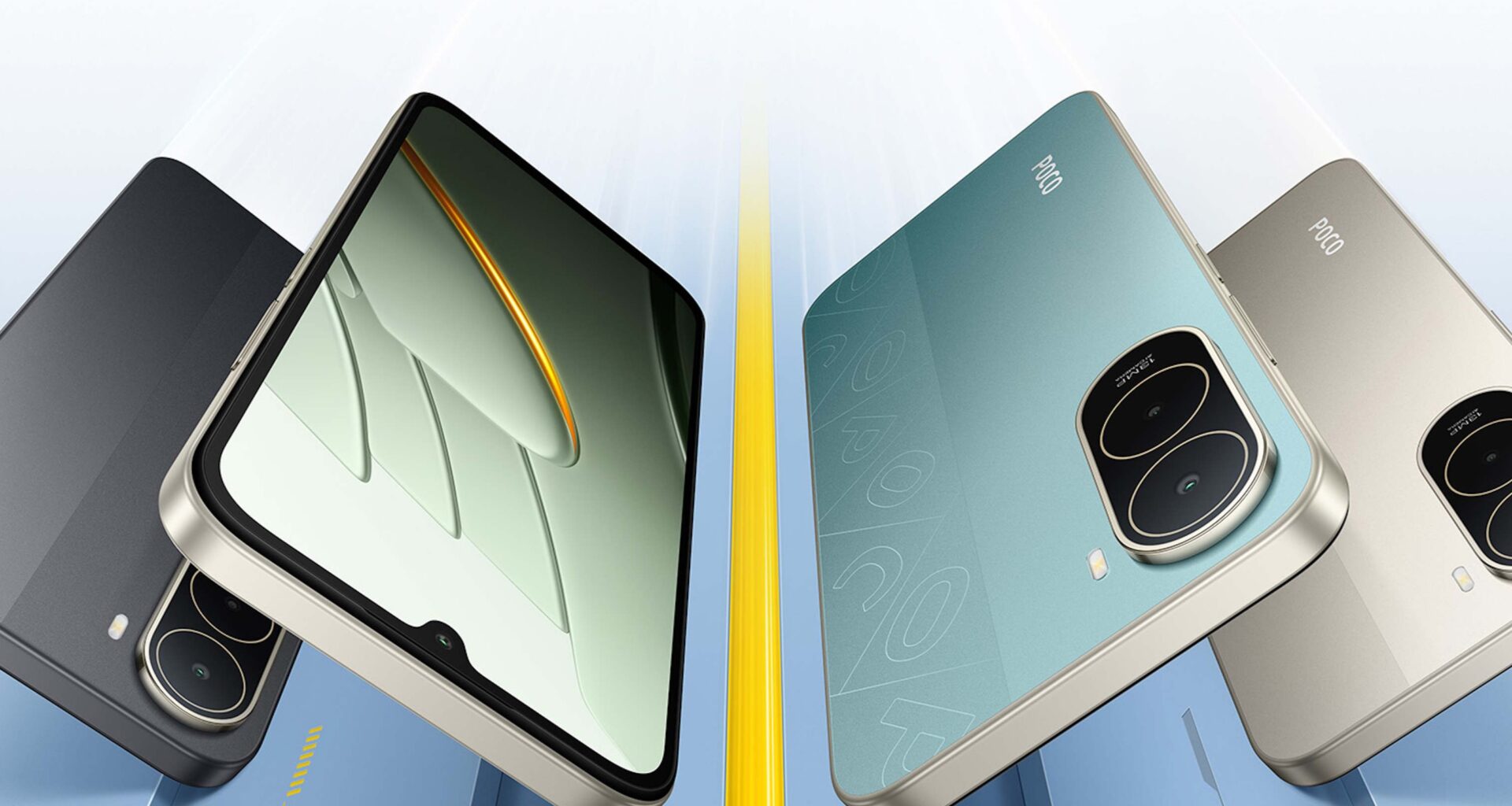
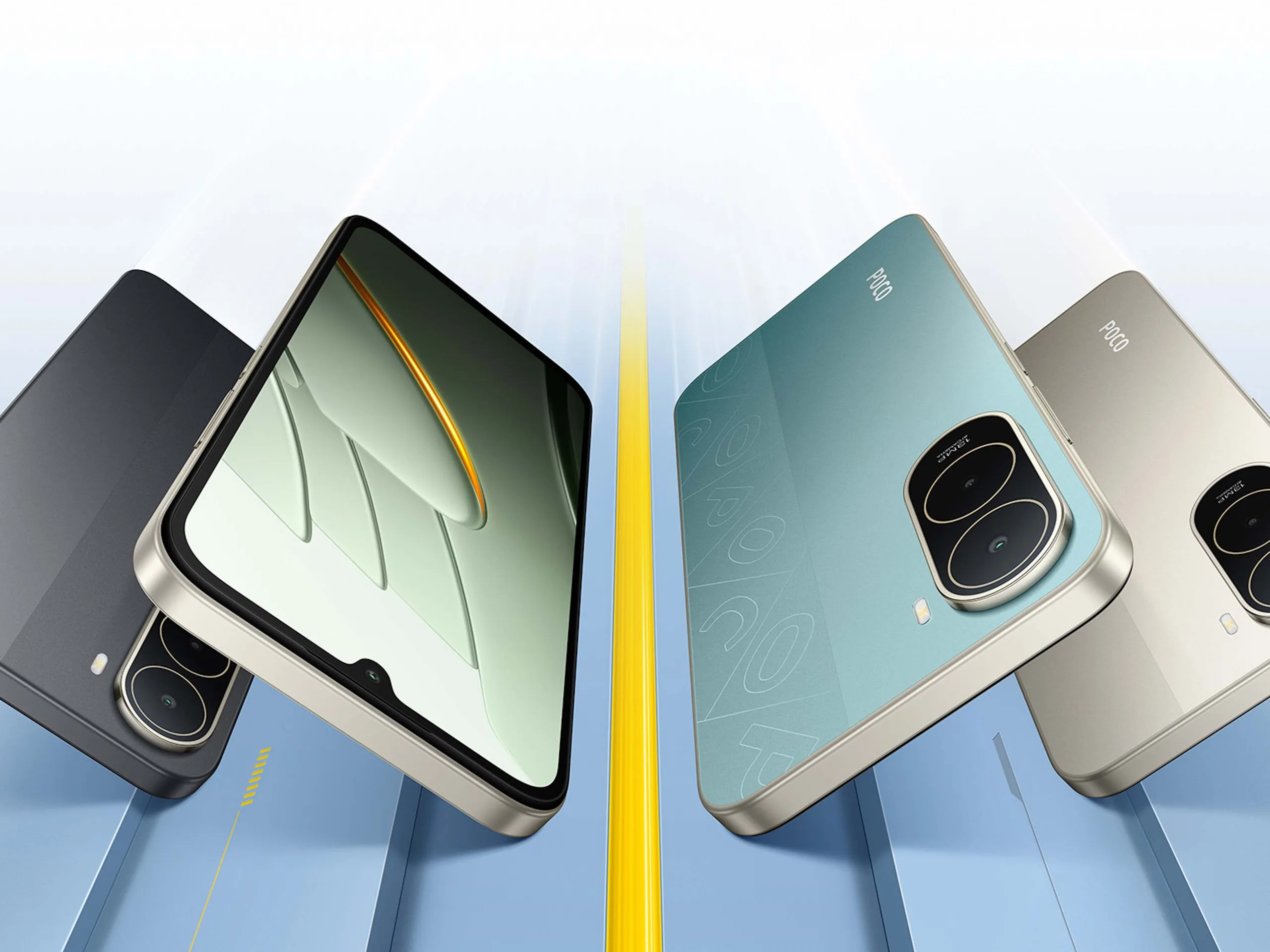
Xiaomi is now officially offering a new, relatively affordable smartphone in additional markets. The Poco C81 Pro features a 6.9-inch display and supports dual-SIM use, but its entry-level positioning is clearly noticeable.
Attentive readers may already be familiar with the Xiaomi Poco C81 Pro. However, the smartphone is now available in additional markets, including Germany and Spain. In Germany, it can be ordered directly from Xiaomi for €146.90 (approximately $160). At this price, buyers receive the variant with 256 GB of internal storage and 4 GB of RAM. A cheaper version with 128 GB is listed at just under €126 but is currently not available. The device comes in three color options: Black, Green, and Gold. The model has not yet been officially released in the United States.
The Poco C81 Pro is powered by a Unisoc T7250 SoC, a rather entry-level processor featuring two Cortex-A75 cores and six Cortex-A55 cores. The 208-gram smartphone also has limited mobile connectivity, as it does not support 5G. However, it offers dual-SIM functionality, which can be useful for travel or separating work and personal use. It features a 6.9-inch LCD with a resolution of 1,600 × 720 pixels, a peak brightness of up to 800 cd/m² (HBM), and a refresh rate of up to 120 Hz.
The camera setup is basic, with a single 13 MP rear camera and an 8 MP front-facing camera. The battery has a capacity of 6,000 mAh. A side-mounted fingerprint sensor is included, and – an increasingly rare feature – a 3.5 mm headphone jack is also available.

I have been active as a journalist for over 10 years, most of it in the field of technology. I worked for Tom’s Hardware and ComputerBase, among others, and have been working for Notebookcheck since 2017. My current focus is particularly on mini PCs and single-board computers such as the Raspberry Pi – so in other words, compact systems with a lot of potential. In addition, I have a soft spot for all kinds of wearables, especially smartwatches. My main profession is as a laboratory engineer, which is why neither scientific contexts nor the interpretation of complex measurements are foreign to me.