
 3 min read
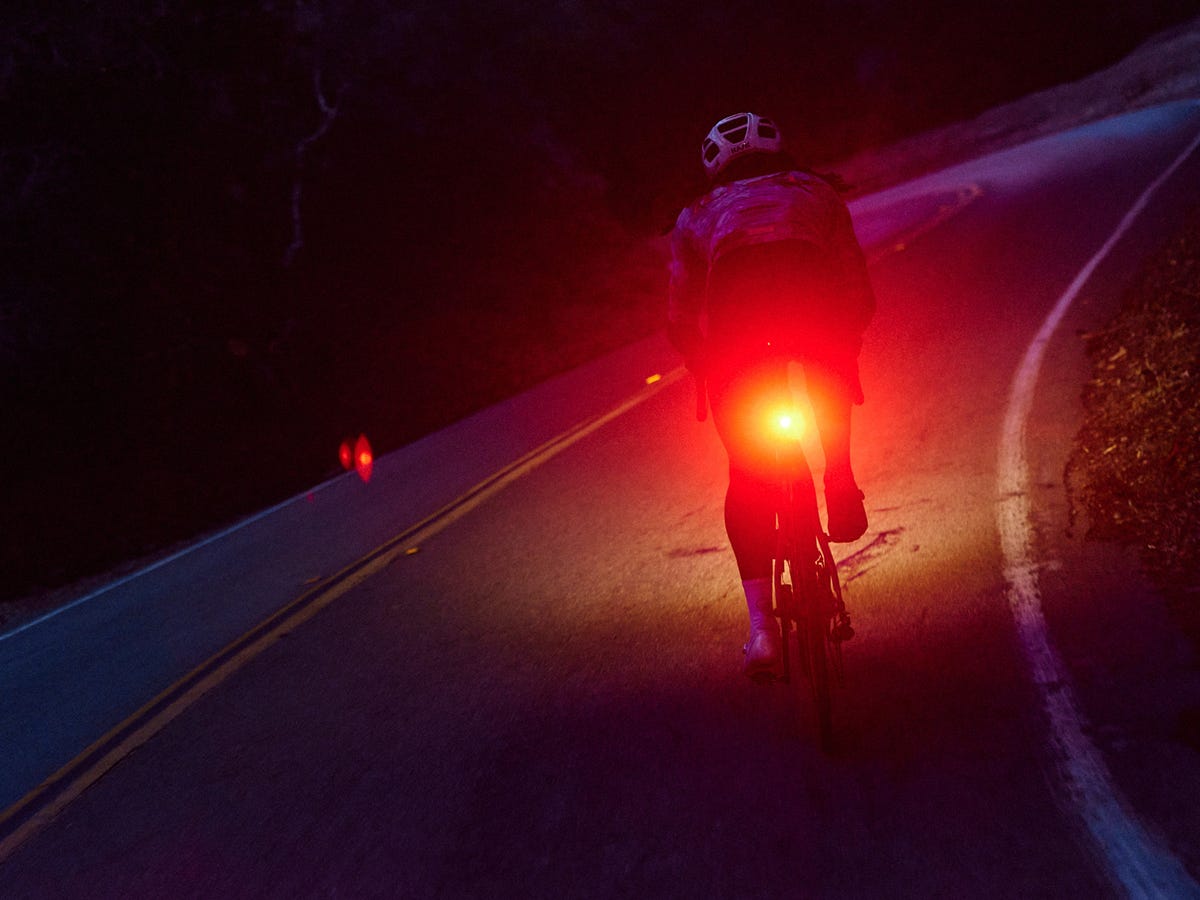
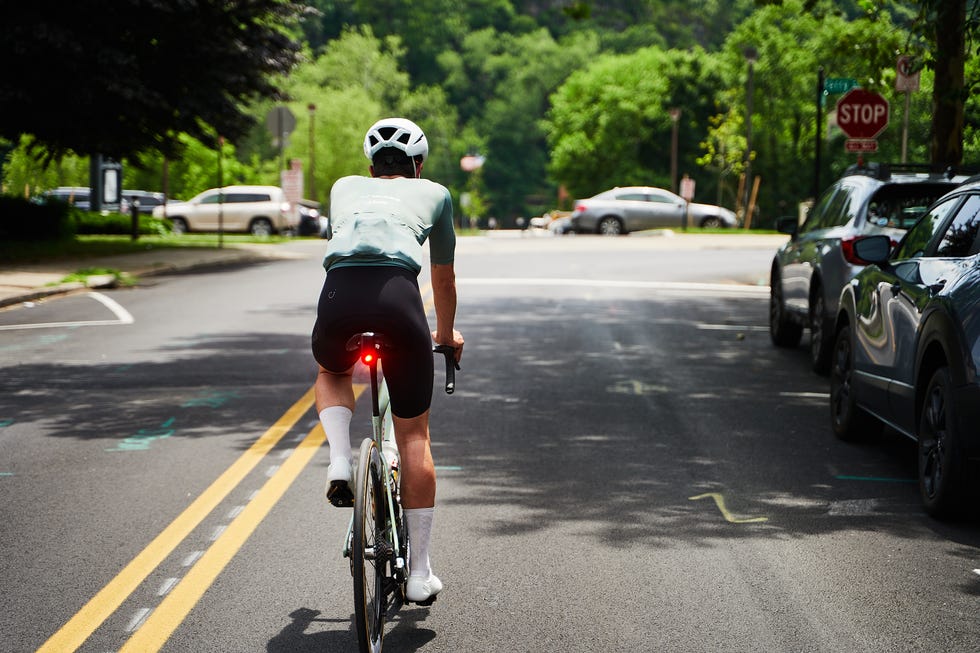
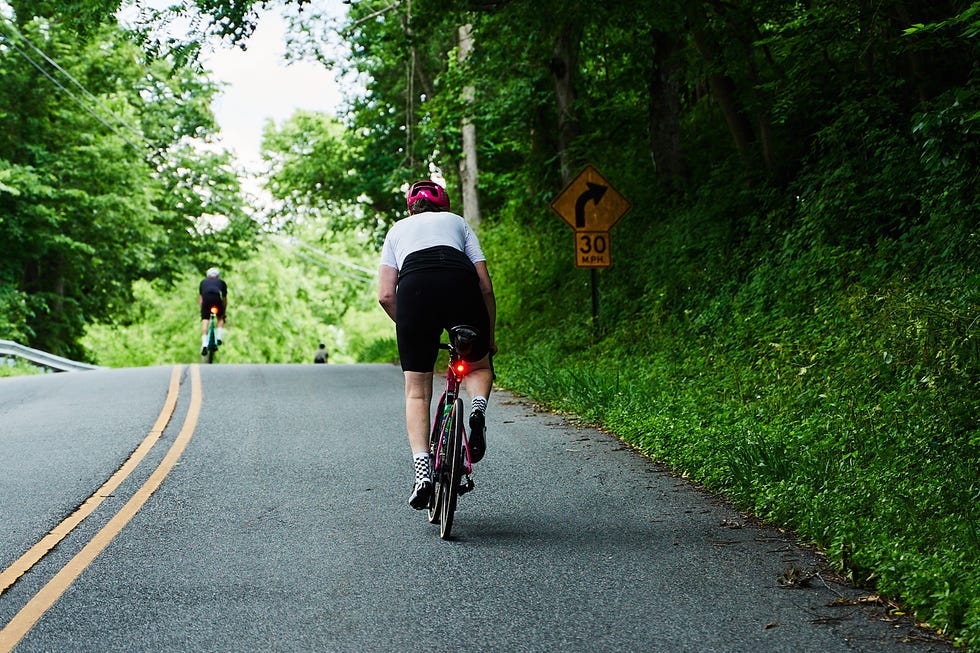
Radar lights have impacted my cycling experience more than any other product I’ve tried in the last year. And since I began using a cycling radar system in June 2025, I’ve found renewed confidence on road and gravel rides. I feel much safer and can enjoy the roads I’m riding, the surroundings, and my time with my cycling friends.
A cycling radar is a bicycle taillight that features radar technology. These devices alert you via your bike computer (or mobile app) about vehicles approaching from behind. While a radar system will not smooth your pedal stroke, make you ride faster, or produce more watts, it might calm your nerves and give added assurance that you will get home in one piece.
Budget Radar Picks
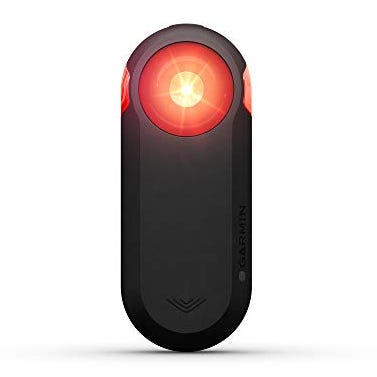 Garmin Varia RTL515
Now 25% Off
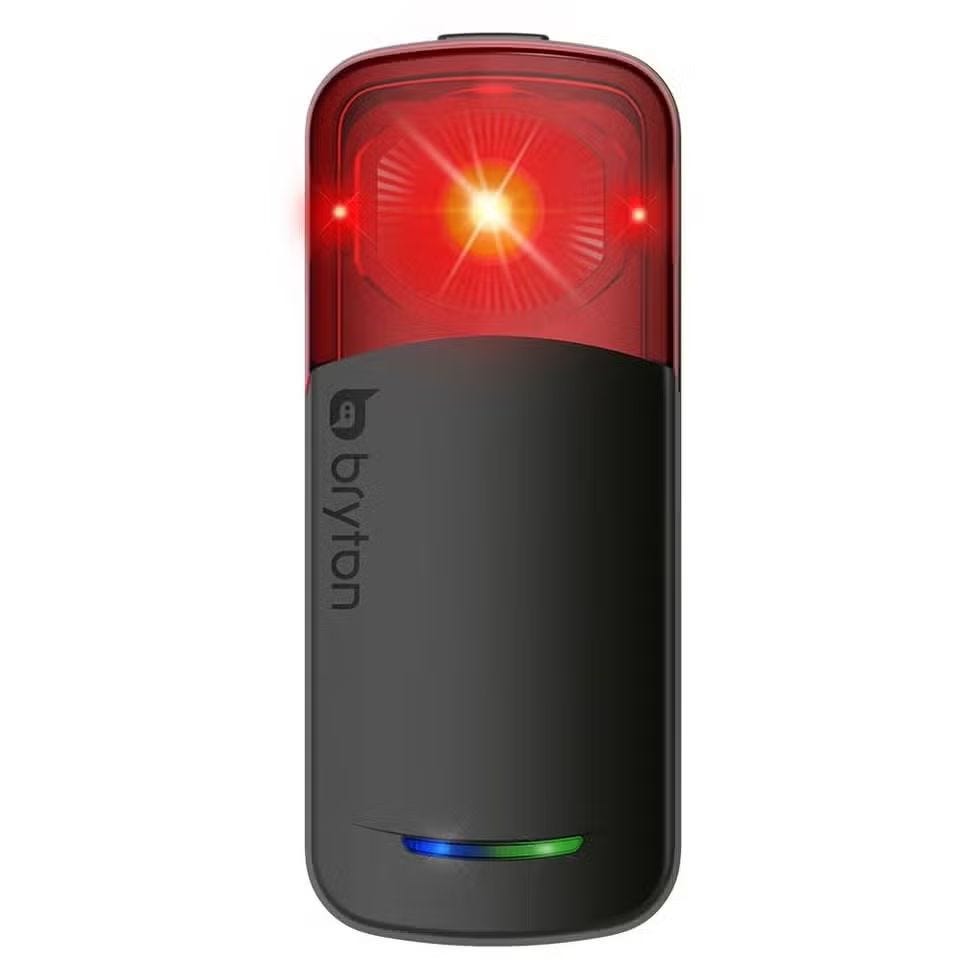 Bryton Gardia R300L
Now 19% Off
Apart from quitting riding on the road altogether, there aren’t significantly better options to help keep cyclists from being struck than a radar. Blinky lights can help warn a driver of your presence, but a traditional rear light will not warn you of the car. And mirrors (whether on your helmet or handlebar) require your constant attention and have a limited view.
Radar systems do both: They allow you to focus on the road ahead and audibly warn you of vehicles approaching from behind, and their built-in lights increase your visibility to drivers. The devices aren’t foolproof or perfect, but they will signal to you to move or check over your shoulder to avoid disaster.
A Matter of Trust
I’ve tested a dozen cycling radar lights in the last year. Some work adequately, while others aren’t worth purchasing. Two systems—Garmin’s high-end Varia RearVue 820 and the Wahoo Trackr Radar—work exceptionally well. However, these two units are pricey. So, friends and readers often ask me, “What is the cheapest cycling radar I should buy?”
One trait defines the radars I recommend from the ones to avoid: Trust.
Since you’re putting your life in the hands of a radar when you’re riding, it must reliably and dependably do its job. The best radar systems consistently provide ample warning of vehicles and, because you trust them, they seamlessly blend into your ride. But even good radars should consistently provide you with warnings of approaching vehicles and give you sufficient time to react.
trevor raab
trevor raab
As the manufacturers admit, no radar system is perfect. False positives—the radar detects something and alerts the rider, but no vehicle is present—occur with every unit. Sometimes called “ghost cars,” false positives can be triggered by various things in the riding environment. While a little annoying, a ghost car doesn’t result in disaster for the rider.
False negatives, by contrast, can result in serious injury or death for cyclists. This happens when the radar unit fails to detect a vehicle approaching you from behind, or the radar doesn’t notify you at all. Good radar units seldom, if ever, produce an outright false-negative.
Radars that force you to look over your shoulder constantly due to repeated false positives erode your trust in them. Even worse are systems that consistently notify you too late of vehicles or regularly miss vehicles entirely.
Best Budget Picks
An example of a good radar for a reasonable price is Garmin’s RTL515. This is our benchmark radar taillight—It tracks vehicles well and has a good range, and rarely produces ghost cars. The device has been around for several years, yet it outperforms most of its pricier competitors. Two low-priced options, Magene and Bryton, also hold their own against some of the big brands.
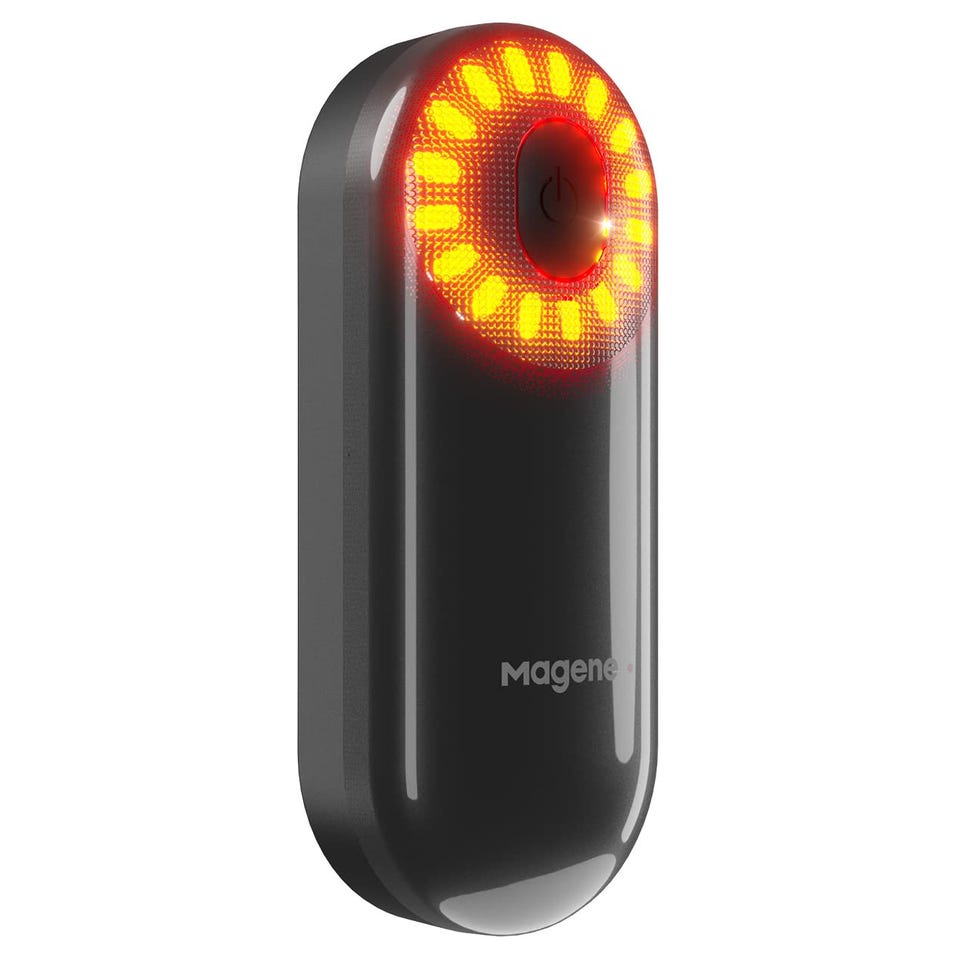
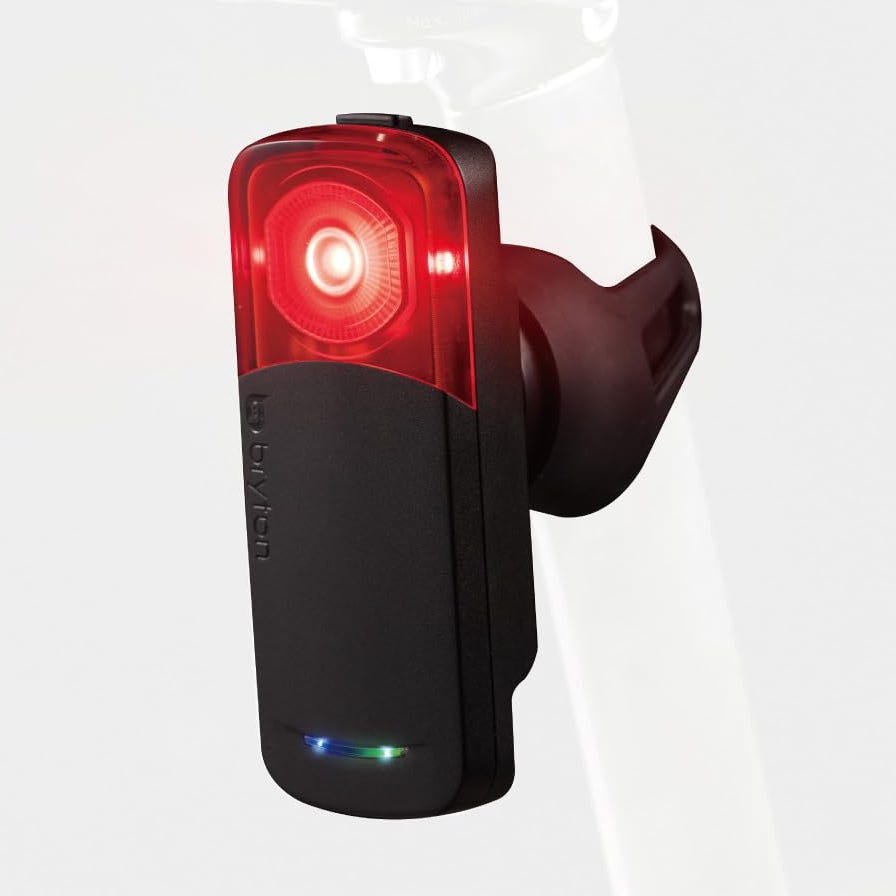
The Magene L508 ($99.99) and Bryton Gardia R300L ($129.95) radars track vehicles, provide sufficient warning, and have decent battery life. They both include USB-C charging and an integrated brake light—features which Garmin only recently introduced on the premium-priced Varia RearVue 820 radar.
 Pros
Pros Good range and tracking.Decent battery life.Cons
 Not the best mount.
The Bryton and Magene devices are examples of lower-cost options that work well. While we experienced a few ghost cars on rides with both radar units, the false positives weren’t excessive.
I lent the Bryton Gardia to a friend for a 25-mile ride while I used the Garmin RearVue. The RearVue detected cars further away than the Bryton unit when we were riding next to each other. However, the Gardia still gave us ample warning of approaching vehicles and rarely experienced ghost cars.
The Magene performed similarly to the Bryton in my ride testing. It gave me some false positives, but they were not excessive. The L508 also has a nice form factor and programmable flash settings.
Member Exclusive: Check Out Our Top Cycling Stories
As Deputy Editor, Tara Seplavy leads Bicycling’s product test team; after having previously led product development and sourcing for multiple bike brands, run World Championship winning mountain bike teams, wrenched at renowned bicycle shops in Brooklyn, raced everything from criteriums to downhill, and ridden bikes on six different continents (landing herself in hospital emergency rooms in four countries and counting). Based in Easton, Pennsylvania, Tara spends tons of time on the road and trail testing products. A familiar face at cyclocross races, crits, and bike parks in the Mid Atlantic and New England, on weekends she can often be found racing for the New York City-based CRCA/KruisCX team. When not riding a bike, or talking about them, Tara listens to a lot of ska, punk, and emo music, and consumes too much social media.