

An Aussie driver has slashed his weekly fuel bill by up to $110 after switching from a petrol car to an electric vehicle, calling the move an “absolute game changer” for his household finances.
Aden Petersen made the switch late last year to cut costs on his daily commute from the Central Coast to Sydney, where he drives around 80km a day.
The 33-year-old from Terrigal told Yahoo News he quickly realised that pairing an electric vehicle with his home solar system made strong financial sense, prompting him to buy a second-hand Kia EV6 at a government auction in October for just under $40,000.
“It was really good value compared to a new one, so we thought, why not do it?” he said.
“At that price, especially secondhand, it was a no-brainer.”
Before making the switch, Aden said fuel was one of his biggest ongoing expenses.
“I was spending about $100 to $110 a week on fuel,” he said.
“It just adds up pretty quickly when you’re doing that kind of driving.”
The weekly saving is pocketing Aden around $5,700 a year.
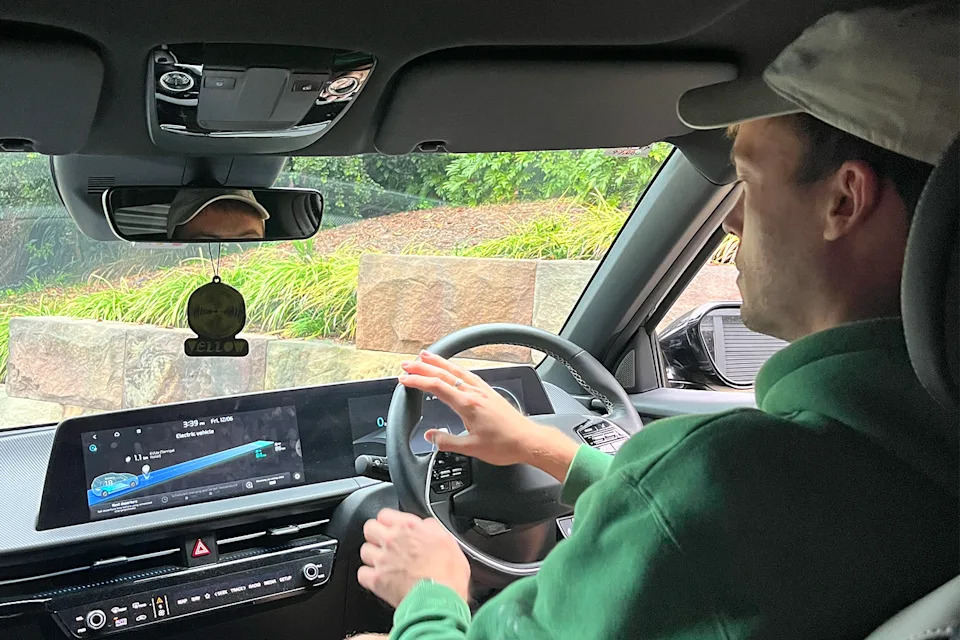
Aden is now saving $110 on fuel each week after moving to an EV. Source: Supplied
Are solar panels worth it?
With solar already installed at home, he said the decision became even easier once he looked at his overall household energy use.
“We had solar panels, and when we looked at our transport bill, the fuel costs were the big one,” he said.
Since switching, Aden estimates that around 80-90 per cent of his charging over summer came directly from solar power.
“Over summer, we were barely touching the grid, probably only about five per cent of the time. We were charging from the sun 80 to 90 per cent of the time, which has been huge for us,” he said.
Aden said the financial shift has been immediate, with only a slight increase in electricity costs compared to what he was previously spending on petrol.
“Our power bills are about $360 to $400 a quarter now, whereas before getting the EV, they were just under $300,” he said.
“So it’s only gone up slightly. It’s an absolute game changer financially, having the EV, it’s really minimal compared to what we were spending on petrol.”
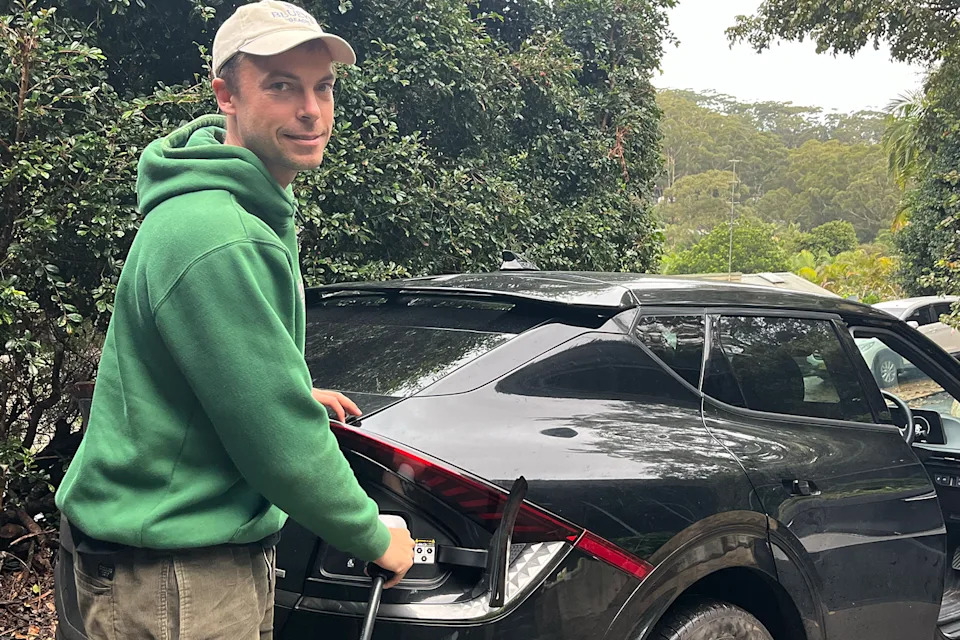
Aden said he quickly realised that pairing an electric vehicle with his home solar system made good financial sense. Source: Supplied
EV charging apps help plan for smooth road trip
While day-to-day ownership has been smooth, Aden admits his first long-distance road trip highlighted the importance of planning ahead.
“We just pulled into the first charger we saw, and it turned out to be vandalised. We ended up stuck there for over an hour.”
Since then, he has changed how he approaches travel, using apps like PlugShare to check charger availability and reliability before leaving home.
He also added that EV ownership has entirely shifted the way he thinks about refuelling.
“You just plug in and charge what you need to get to the next stop,” he said.
“It’s a bit of a mindset shift.”
Do you have a story about switching from combustion to electric? Contact newsroomau@yahoonews.com
Aden won’t go back to combustion vehicles
Looking back, Aden said the benefits far outweigh the challenges, and he has no intention of returning to a petrol vehicle for daily driving.
“I probably wouldn’t go back,” he said.
“Once you get used to it, daily driving an internal combustion car just feels old.”
His experience reflects a broader shift among younger Australians considering electric vehicles.
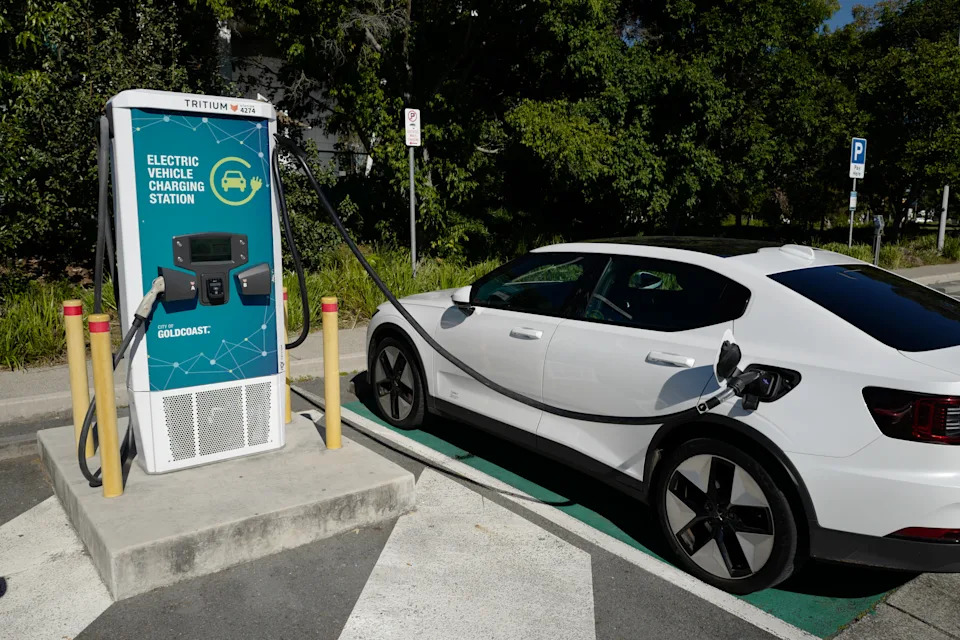
Aden admitted the first time he charged his EV wasn’t the experience he had hoped for, after being stuck in the bay for over an hour. Source: James D. Morgan/Getty Images
(James D. Morgan via Getty Images)
New research from charging company Kempower found Gen Z (79 per cent) and Millennials (72 per cent) are far more likely to consider buying an EV than Baby Boomers (33 per cent), driven by rising fuel prices and expectations that charging should fit into everyday life like shopping, work and socialising.
RELATED
Home chargers are the key to saving, Aden says
For Aussies thinking about making the switch, Aden said it comes down to accessing charging at home.
“If you’ve got solar and a place to charge at home, you should get an EV,” he said.
“That’s where the real savings are.”
“I’d be more skeptical if you had to rely on public charging all the time.”
You can also follow us on Facebook, Instagram, TikTok, X and YouTube.