
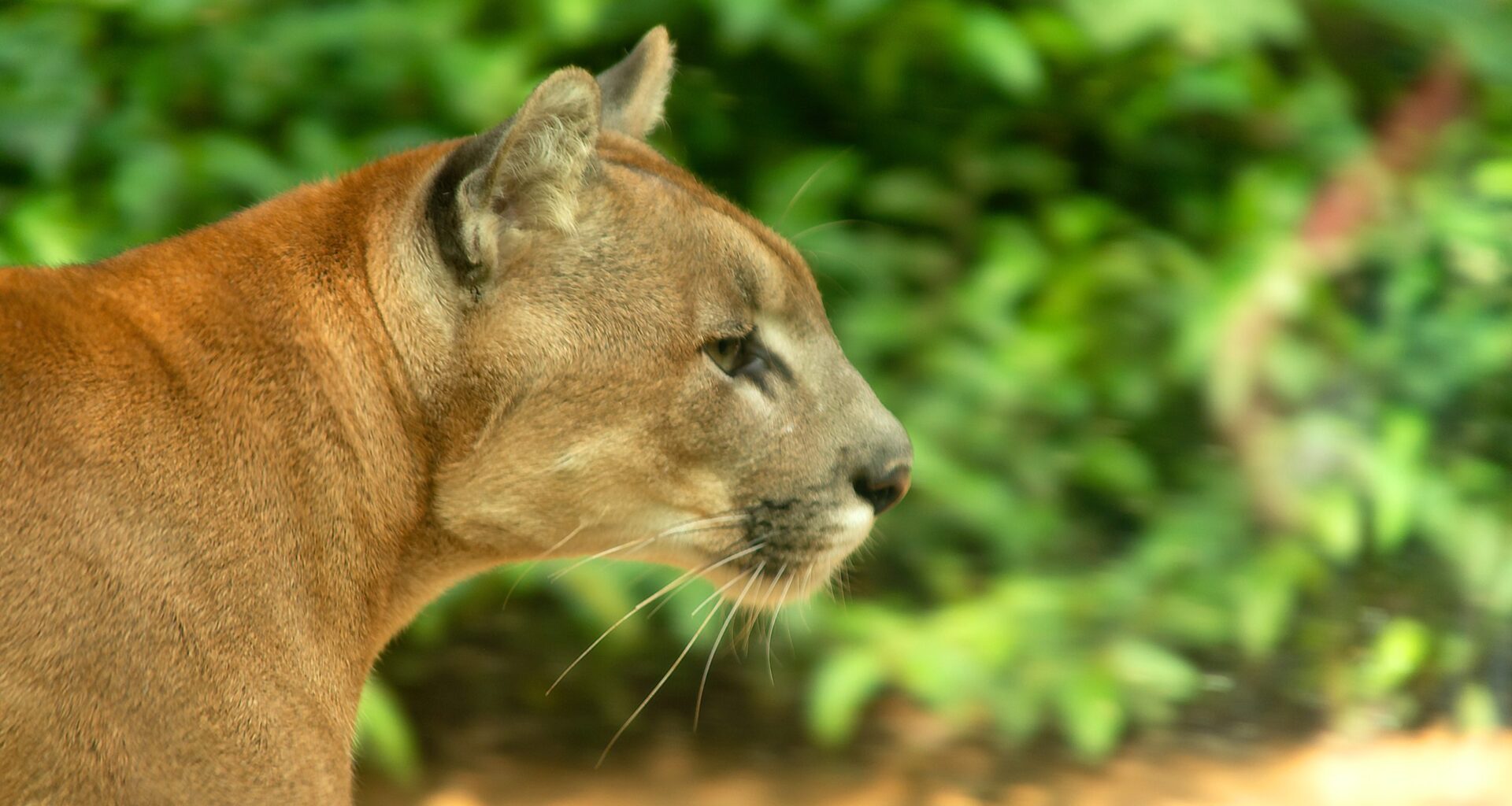
A recent cougar attack on livestock in Sooke is renewing calls for farmers and rural residents to help prevent conflicts with wildlife before they happen.
The Wild Wise Society said it was notified this week of an incident involving a cougar preying on livestock in the Sooke area, describing such attacks as one of the most common forms of human-cougar conflict in British Columbia.
“While we extend our condolences to those who have experienced livestock losses, it is important to remember a few key points,” the organization said in a social media post.
“Cougars are opportunistic predators and do not distinguish between ‘natural’ and ‘non-natural’ prey. If an easy food source is available, they are likely to take advantage of it.”
The group says livestock owners can help reduce the risk of attacks by securing animals and eliminating opportunities for predators.
“It is ultimately our responsibility to protect and manage the domestic animals in our care,” the post states.
The Ministry of Environment, speaking on behalf of the BC Conservation Officer Service (BCCOS), confirmed it is aware of the Sooke incident.
“Co-existence with wildlife can be challenging in agricultural communities. While losing sheep is frustrating, predators are part of the natural environment,” the ministry said in a statement.
“It’s important for farmers to take steps to protect their animals from wildlife.”
The province points livestock owners to the Livestock Protection Program, operated through the British Columbia Cattlemen’s Association, which provides resources to help reduce predation.
RELATED: Cougar attacks put livestock owners in Cowichan Valley on alert
The incident comes a year after conservation officers responded to multiple cougar attacks on sheep in neighbouring Metchosin, where several cougars were ultimately captured and euthanized, BCCOS said.
According to the ministry, conservation officers have invested significant resources in recent years to reduce conflicts in the area by educating farmers on preventative measures, including installing electric fencing, securing sheep in barns overnight, regularly monitoring herds and using livestock guardian dogs.
The service has also partnered with organizations such as WildSafeBC to promote education around managing wildlife attractants.
Wild Wise Society said it’s important to remember the Conservation Officer Service’s role is not to create predator-free zones.
“If livestock owners have not implemented measures to reduce the risk of predation, we should carefully consider why wildlife should lose its life for taking advantage of an opportunity that has been made available to it,” the organization said.
It added that predators do not recognize property boundaries or distinguish between wild and domestic prey, and that successful coexistence depends on proactive measures by people living and farming in wildlife habitat.
The BC Conservation Officer Service says it will continue monitoring cougar activity in the area, with public safety remaining its highest priority.