
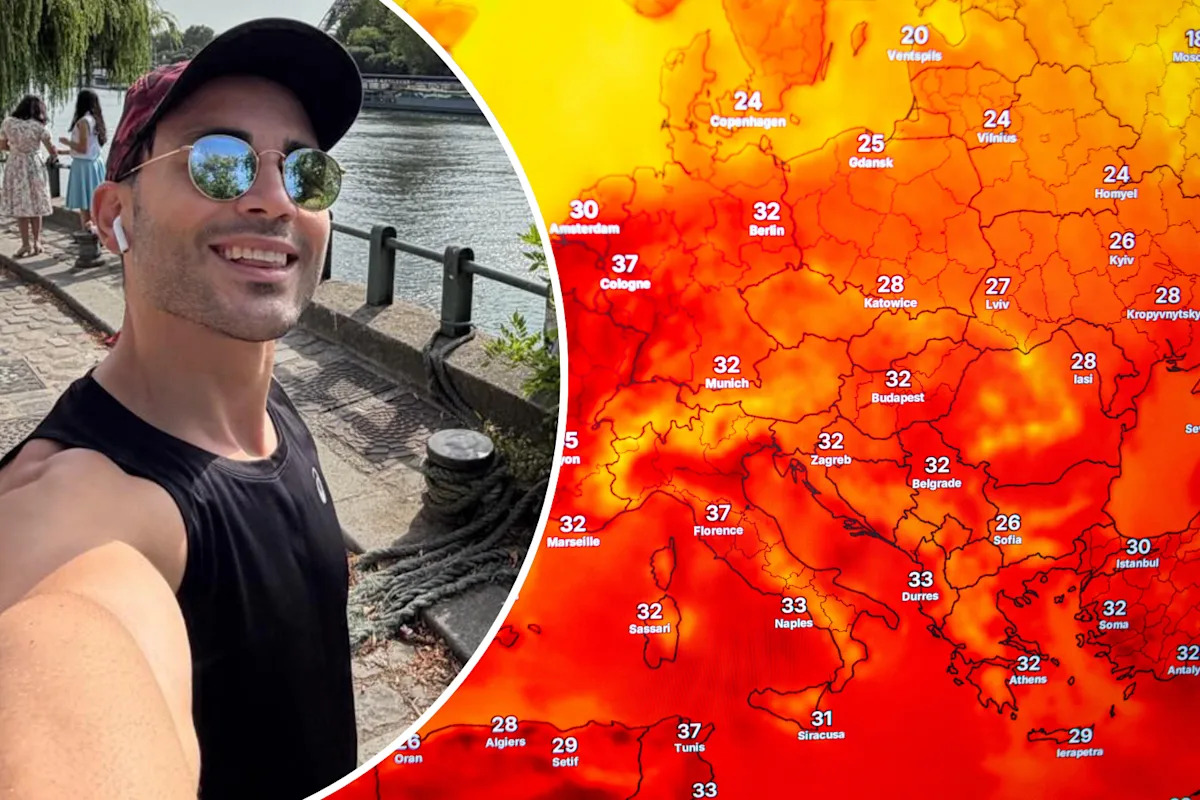
Many Aussies assume they’re well-equipped to handle a European summer, but the current European heatwave is proving far more intense than expected.
Parts of the continent, and the UK, have sweltered through temperatures in the 30s recently, and more is expected in the coming days.
You’d think Aussies, who have dealt with summers getting into 40 degrees, would cruise through these conditions, but they’ve hit back against this misconception.
South Australian tourist Daniele Cataldi is on a two-week holiday in Paris and told Yahoo Lifestyle temperatures have been “extreme”
“I thought I’d be used to the heat, but honestly, this has been harder to deal with,” the 35-year-old said.
“It’s not just the temperature, it’s the way the city handles the heat.”
RELATED:
The majority of Aussies live close enough to the coast that they can nip to the beach to cool off.
There are also pools spread across capital cities, and many places will be blasting air-conditioning to keep people cool.
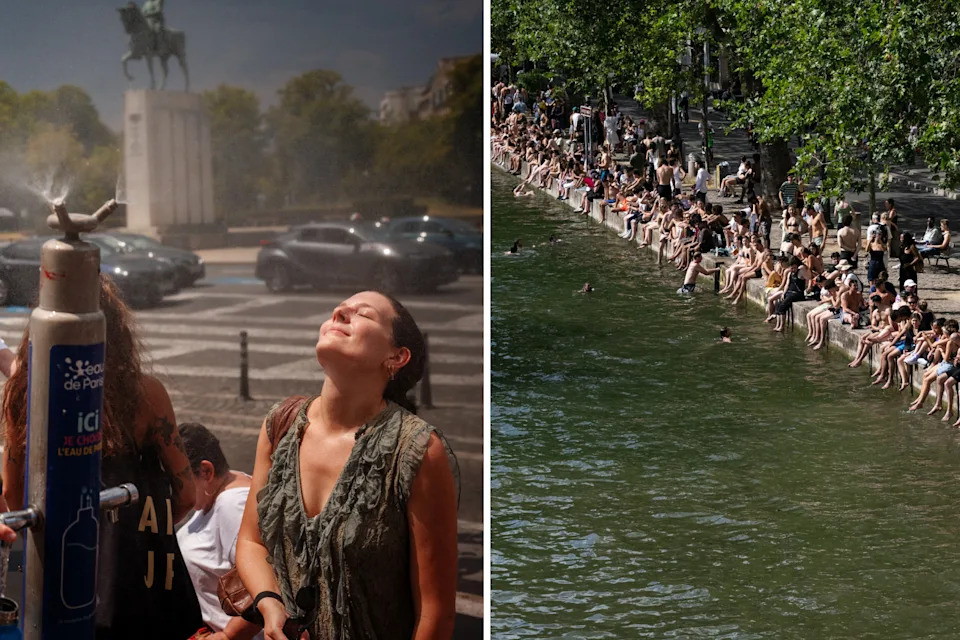
People in Paris are doing anything they can to escape the heat.
(Getty)
But Daniele said Parisians don’t have the same luxury.
Many places in the picturesque city don’t have air-conditioning, including hotels, cafés and the Metro public transport, so there’s very little reprieve from the heat.
“The Metro in particular can feel incredibly claustrophobic with the heat, humidity and overcrowding,” Daniele said.
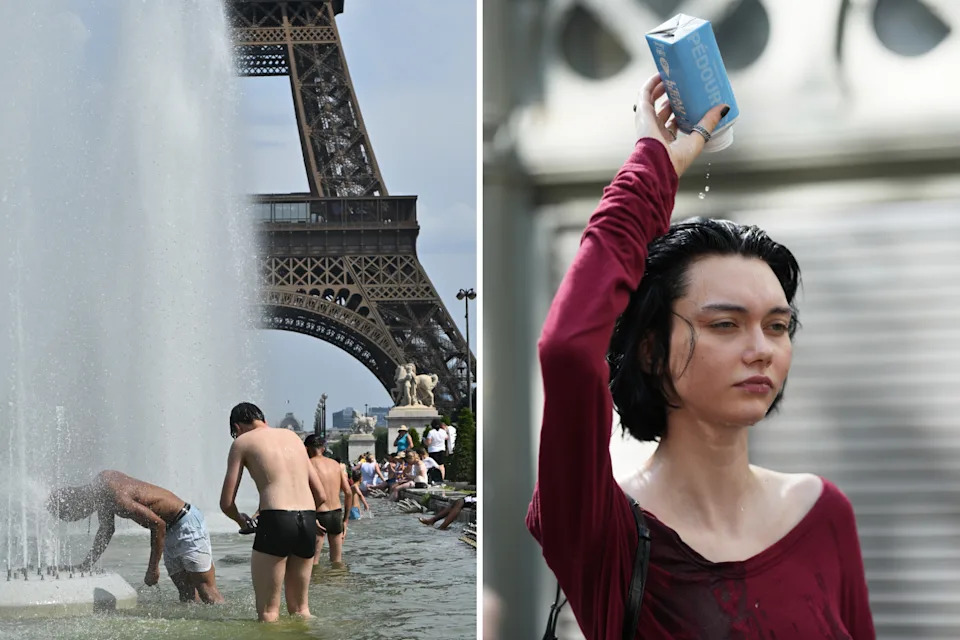
Record temperatures are being set in popular European destinations, with people in Paris trying desperately to cool down.
(Getty)
Some in Paris have resorted to jumping into canals, fountains, and other water features near iconic landmarks such as the Eiffel Tower.
Others have flocked to stores selling pedestal fans and aircon units, with footage posted on social media showing a frenzy of people trying to get their hands on anything before they’re sold out.
Similar scenes have played out in other cities and across the UK, where people have resorted to handheld fans and umbrellas to shield themselves from the sun’s hot rays.
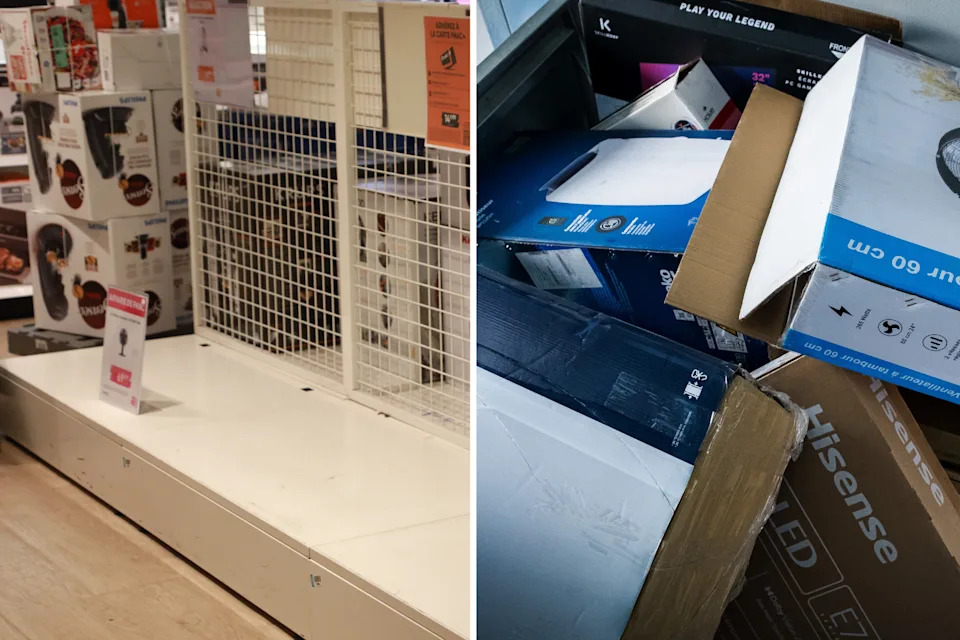
Shelves have been wiped clean of fans and air-conditioning units as parts of Europe deal with brutal temperatures.
(Getty)How bad has the heatwave been?
France recently recorded its hottest day since records began in 1947. Last week, temperatures in Pissos, in the country’s south-west, reached 44.3 degrees.
Dozens of people have also drowned in the country while swimming in unsupervised areas.
Britain set a new June record for the highest temperature, with Lingwood in Norfolk hitting 37.7 degrees.
Sydney expat Dan, who has been living in the UK for the past three years, told Yahoo Lifestyle it’s a completely “different” type of heat compared to Australia.
“London is not built for it,” he said. “Inside the Tube last week was close to 39 degrees.
“It’s oppressive, and there’s no escape from it. When it doesn’t cool down overnight, you just sit in it.”
According to the World Health Organisation, more than 1,300 excess deaths have been recorded since June 21 and linked to the heat.
Roughly 150 million people across the continent are at risk of extreme heat, and the temperatures have forced schools to close, and transport systems have ground to a halt.
Why is European summer harder to deal with compared to Australia?
While 30 degrees might not seem that hot in Australia, it can feel very different in Europe and the UK. This is particularly true when you’re inside.
“Experiencing this has made me understand why extreme heat can be so dangerous here,” Daniele told Yahoo Lifestyle.
“Even if Australians are used to high temperatures… the way the city retains heat makes this feel, in many ways, more difficult than an Australian summer.”

Daniele couldn’t believe how different the heat could be in Europe compared to Australia.
(Supplied)
While homes in places like Spain, Italy, and Greece will be built differently, households in many other hotspots were designed to retain warmth in winter.
“If you insulate a home really well and you draft-proof it, then you need to rely on shading, because as soon as the sun comes through the window, you get the greenhouse effect,” RMIT’s Nicola Willand told the ABC.
This, combined with a lack of air-conditioners, proximity to the coast, where the sea can affect temperatures, humidity levels, shade and tree cover, and urban design, can all contribute to why summer feels different in Europe compared to Australia.
Depending on where you are, as well, the sun in Europe could rise from 5am and not set until 10pm, meaning the city’s exposure to hot temperatures can be much longer than here.
Want the latest lifestyle and entertainment news? Make sure to follow us on Facebook, Instagram, and TikTok.