
July 1 means several changes at the start of the new financial year.
From tax to wages to superannuation, millions of Aussies will feel the impacts today, for better or for worse.
July 1 brings a host of changes, and not all are good for the hip pocket. Graphic: Tara Blancato
Here are the winners and losers of the changes that have now come into effect.
WinnersTaxpayers
All Australian taxpayers will receive a tax cut starting from today.
Announced in the May budget, the 16 per cent tax rate on taxable income between $18,201 and $45,000 will fall.
It will drop by one per cent, meaning all Aussies will get a cut of up to $268.
It is part of ongoing tax reform implemented by the Albanese government, which will see total tax cuts reach $1000 by next year.
Minimum wage workers
For the second year in a row, the minimum wage in Australia has risen.
The Fair Work Commission announced the minimum wage would rise by 4.75 per cent to $26.44 an hour.
This means full-time minimum wage workers will receive $1004.90 a week, the first time the minimum wage has risen to more than $1000 a week.
This also means the minimum wage has gone up by more than $3000 a year, rising to $52,254.80.
Households in NSW and Queensland
Millions could also see much-needed relief when it comes to their power bills, with electricity prices set to fall across NSW and south-east Queensland.
The default market offer, which determines electricity prices in parts of Australia, is falling in these two parts of the country, seeing power bills fall for homes and businesses.
Homeowners in NSW could see their power bills fall by five per cent, with businesses saving 11.3 per cent.
In south-east Queensland, households could see prices fall by 7.2 per cent, shaving up to $155 off power bills.
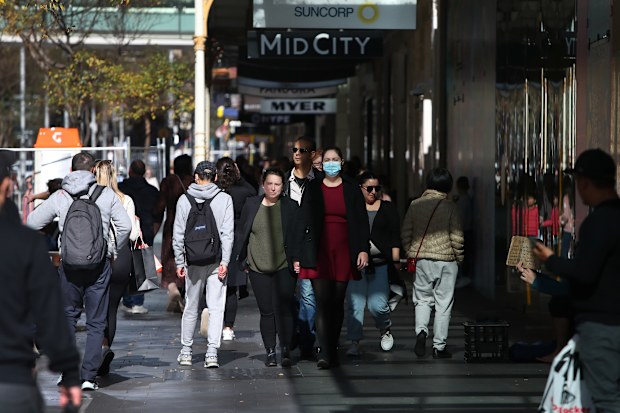
Millions of workers will get a pay increase. Lisa Maree Williams
Superannuation
While this change is less tangible, changes to superannuation could help millions of Aussies.
Under new Payday Super laws coming into effect today, employers must pay superannuation at the same time they pay the salary and wages of their employees, meaning it can reach an employee’s nominated superannuation account within seven days.
As it stands, employers are only required to pay superannuation to their workers at least every three months, but this will now change.
The way super is calculated has also changed, and it now encompasses more aspects of someone’s work rather than just ordinary time earnings.
LosersMotorists
Fuel will get more expensive again after the cut to the fuel excise was halved.
In April, the federal government cut the fuel excise from 52.6 cents per litre to 26.3 cents per litre in the midst of a fuel crisis caused by the Middle East war.
However, it was only going to be temporary, and the fuel excise will rise by 16 cents per litre.
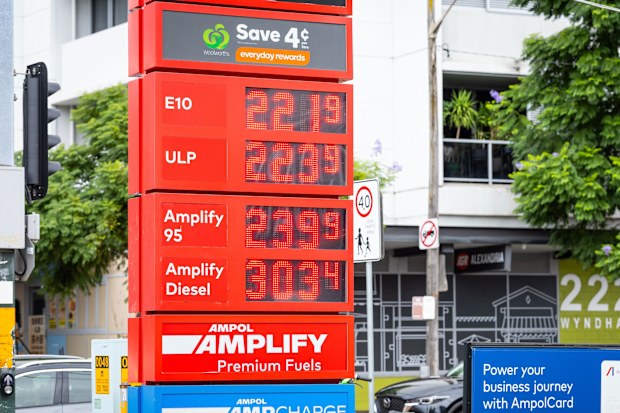
Petrol prices will rise again. Louie Douvis
It is a walkback from removing the cut entirely, which was the government’s initial intention.
However, they have decided to keep on offering relief at the pump as the price of oil continues to be unstable as the Middle East war continues.
The cut will end on August 2 as it stands.
Truckers and heavy transport industry
The same reprieve was not granted to heavy vehicle users, with a temporary cut to the heavy road vehicle user charge being removed.
It means trucks and other heavy vehicles will now have to pay a 32.4 cents per litre tax on fuel.
It could put small businesses and independent truckers in jeopardy as the cost of fuel will rise, and the knock on effects could be felt across the country.
This is because as fuel costs more, transport businesses will have to charge more to try and cover the costs, which could mean products on supermarket shelves around Australia may go up.
Federal politicians
While federal politicians aren’t losing anything, they won’t be gaining anything in their pay packet this financial year.
In the last two years, politicians received pay rises of 3.5 per cent and 2.4 per cent respectively.
However, the independent remuneration tribunal, that decides the pay of members of parliament each year, has opted not to give a pay rise on July 1.
“While this approach will result in a reduction in real remuneration, it preserves existing relativities and allows the tribunal to consider remuneration outcomes in a more integrated and considered manner,” the tribunal said in a statement.
However, a pay rise could come later in the year.
The base salary for MPs and senators is $239,270, with additional loadings for leaders, ministers and shadow ministers plus electorate and travel allowances.