
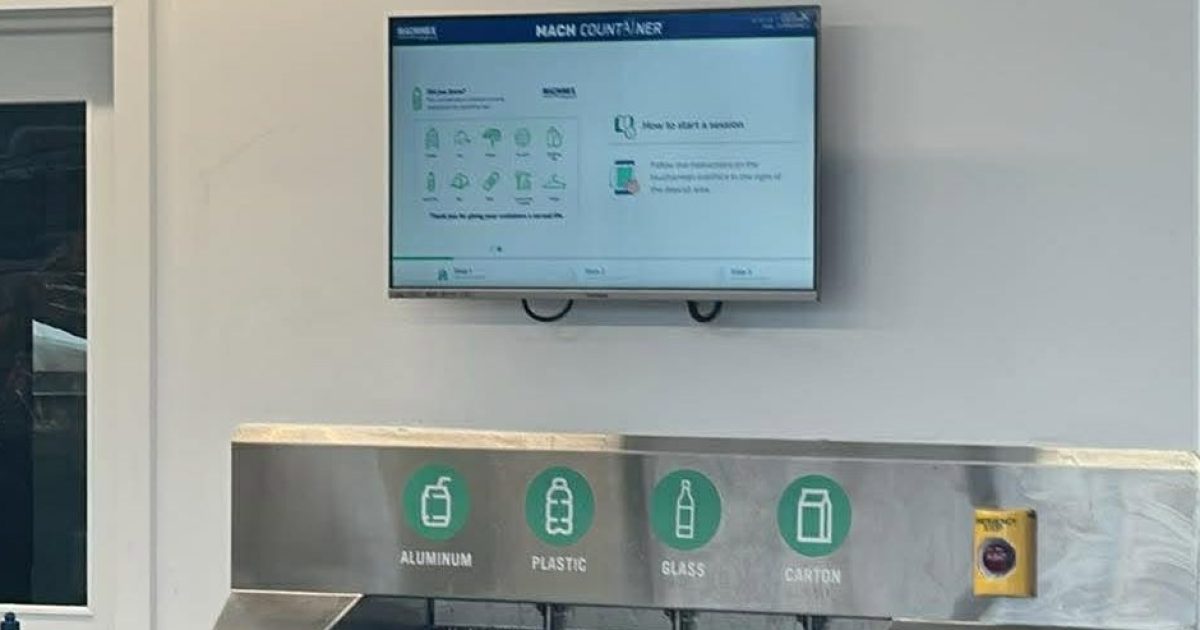
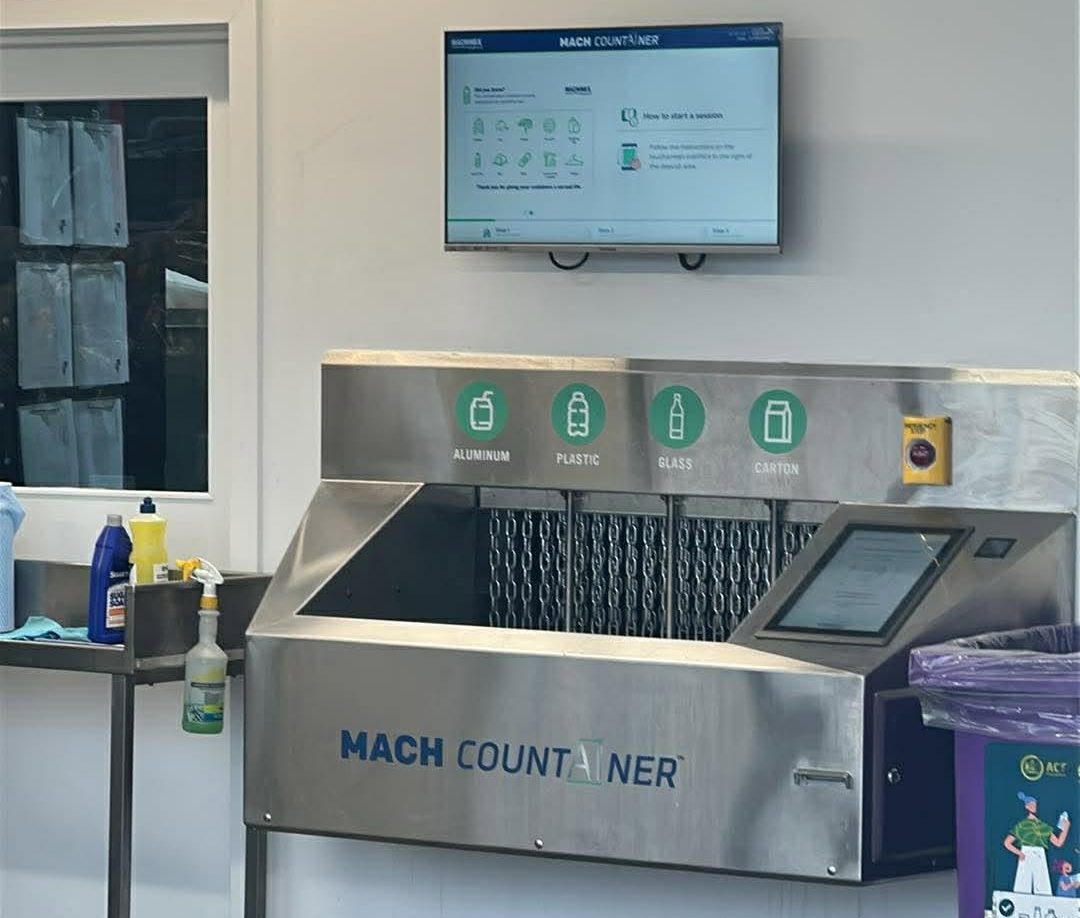
Canberra’s container exchange depots are now using AI to speed up container processing. Photo: Greg Johnstone.
AI technology is now being used at Canberra’s Container Deposit Scheme (CDS) centres to reduce the time centres spend processing containers.
However, despite the technology supposedly streamlining the process, some regular users of the facilities aren’t completely sold on the idea and are concerned that containers may not be scanned correctly.
The new AI technology has been installed at all 20 ACT Container Deposit Scheme cash-back depots across the ACT. It can reportedly process up to 600 containers a minute.
ACT CDS network operator David Singh said the new technology is the natural next step for the scheme and will only make the process more efficient.
“We’re very proud of the technology upgrades we have rolled out at all our cash-back depots, with the goal of making recycling drink containers for the 10c refund more efficient than ever before,” he said.
“With the ability to process 600 drink containers in just one minute, our new technology will have you in and out as quickly as possible, making it easier to make recycling with the ACT Container Deposit Scheme part of your routine.”
Despite Mr Singh’s confidence in the new AI technology, some of the frequent users aren’t fully convinced.
Regular recycler Greg Johnstone has earned over $1000 from the scheme since its introduction in the ACT in 2018. Mr Johnstone said he ultimately believes that scanning the containers will be quicker, but he’s not sure about its fairness in adjudicating whether a container is fit for exchange.
“I first went about a month ago, and I was genuinely pretty happy with the AI scanning, but it did leave me feeling like I was doing some more work on my end,” Mr Johnstone said.
“There were a couple of containers that I thought would normally go through that were denied. It was definitely quicker, but it was a little frustrating, and it did feel a little harsher than normal.”
Another aspect of that, Mr Johnstone said, is that both he and others who use the scheme will need to be more vigilant about caps being left on containers.
“In the past, you could get away with having a couple of caps that have accidentally been left on, but that’s just not the case now,” he said.
“It doesn’t help that when I go, I sometimes have 1000 bottles with me, and it scans so quickly that I sometimes can’t catch a stray bottle cap, especially when I’m doing it myself.
“I would like to see a chance to have both AI and humans, so if I do have a can or two that I believe are fine, I can have them inspected separately.”

1, 2, 3, 4 bedroom apartments – now selling!
Despite concerns about AI teething issues, the scheme continues to boast high participation rates, having almost exchanged 480 million containers for a total of $48 million since it began on 30 June 2018.
ACT CDS scheme coordinator and Exchange for Change CEO Danielle Smalley said the process of recycling containers has now become a regular event for thousands of Canberrans.
“As a product stewardship scheme funded by the beverage industry, the ACT Container Deposit Scheme shows just what’s possible when industry, government and the community work together,” she said.
“Strong participation rates highlight how the scheme is now part of life in the ACT, helping people save for a special goal or support their favourite charity or community group.
“Every eligible drink container returned is having a positive impact.”
Region contacted the ACT Container Deposit Scheme for comment about the use of AI but received no response by deadline.
To find your nearest return point, visit ACT Container Deposit Scheme.