
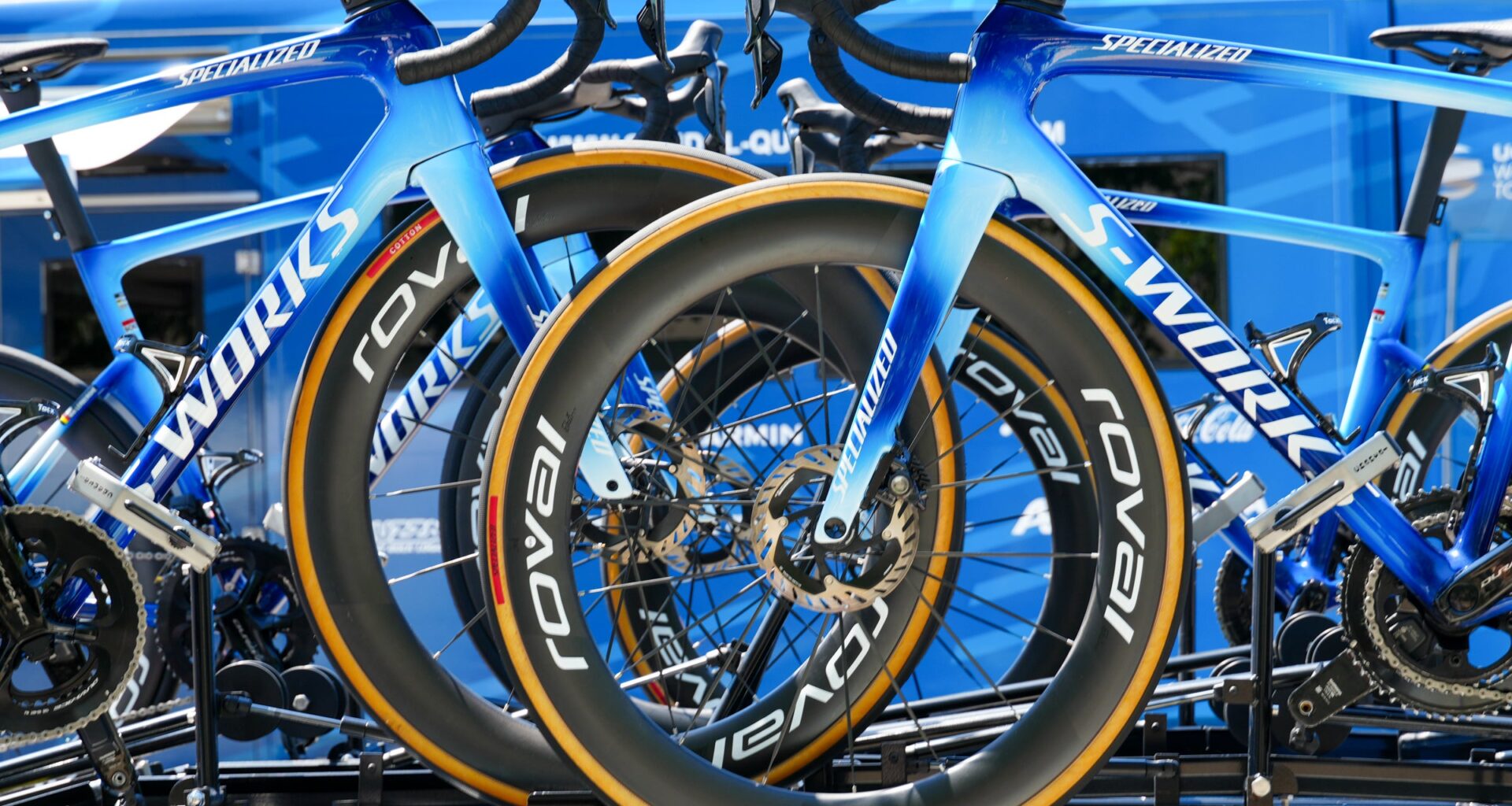
On our first day on the ground, we found bikes from Specialized, Orbea, and Cube, while Shimano has some really big new chainrings.
(Photo: Logan Jones-Wilkins/Velo)
Updated July 2, 2026 09:53PM
Every year, the Tour de France brings a mix of highly touted releases and low-key soft launches. This year was no different. Our first day at the 2026 Tour de France delivered a bit of everything. We captured photos of the new team-edition builds for the Specialized Tarmac SL9 and Orbea Orca Aero to complement our existing in-depth reviews, and we also secured a first look at an unreleased Cube prototype aero bike under the TotalEnergies team. To round things out, we spent some time combing the pits at team hotels across Barcelona to track down the rest of the fresh tech making its debut this July.
Orbea Orca Aero — Lotto-Intermarché
 (Photo: Logan Jones-Wilkins/Velo)
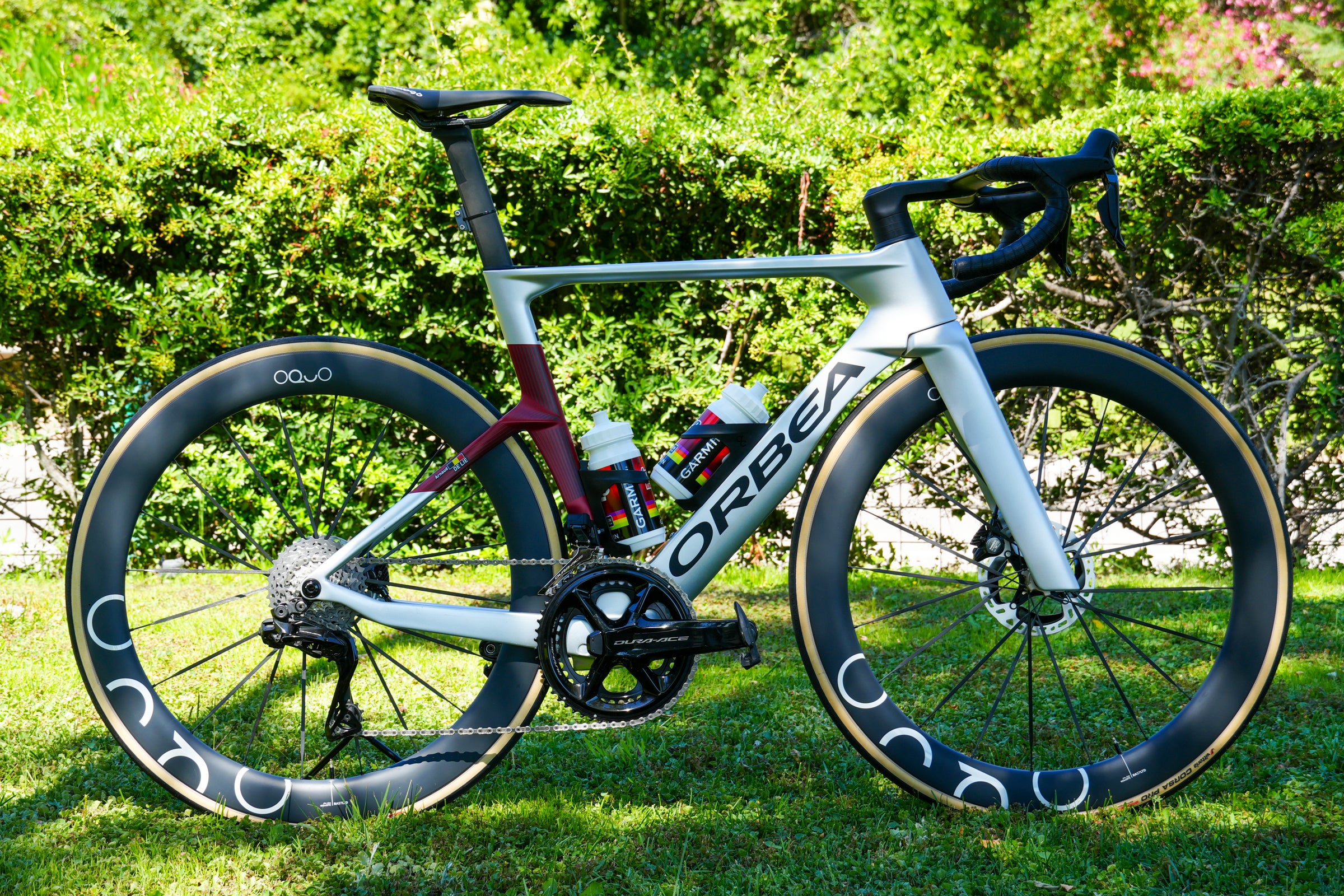
The big new drop today came from Orbea with a revamped Orca Aero. The frame has many of the same hallmarks as the previous edition, but it does make a few significant changes to the geometry.
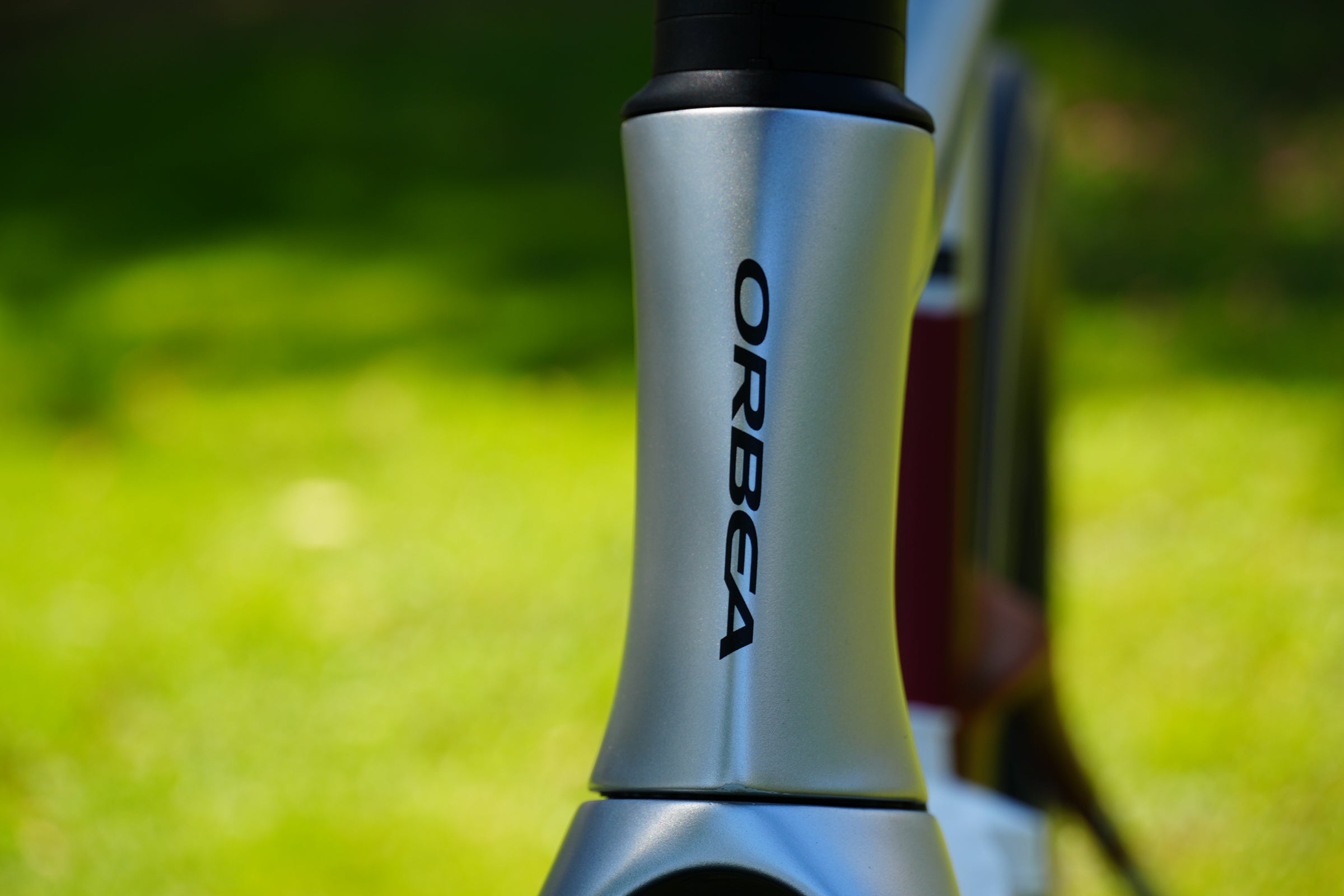 Hourglass head tube, because it’s got to be in 2026! (Photo: Logan Jones-Wilkins/Velo)
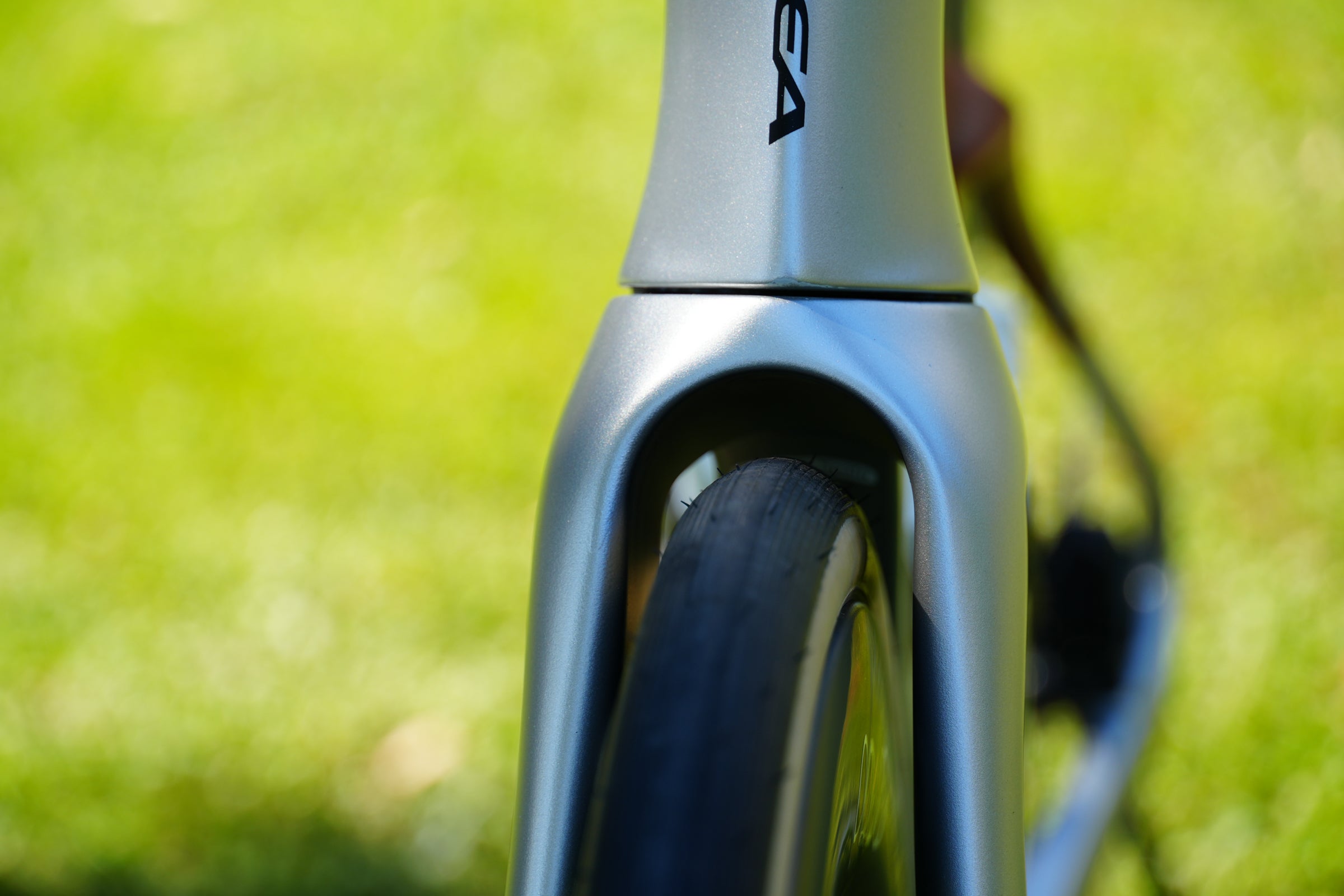 What is surprising is the tire clearance of 37mm! (Photo: Logan Jones-Wilkins/Velo)
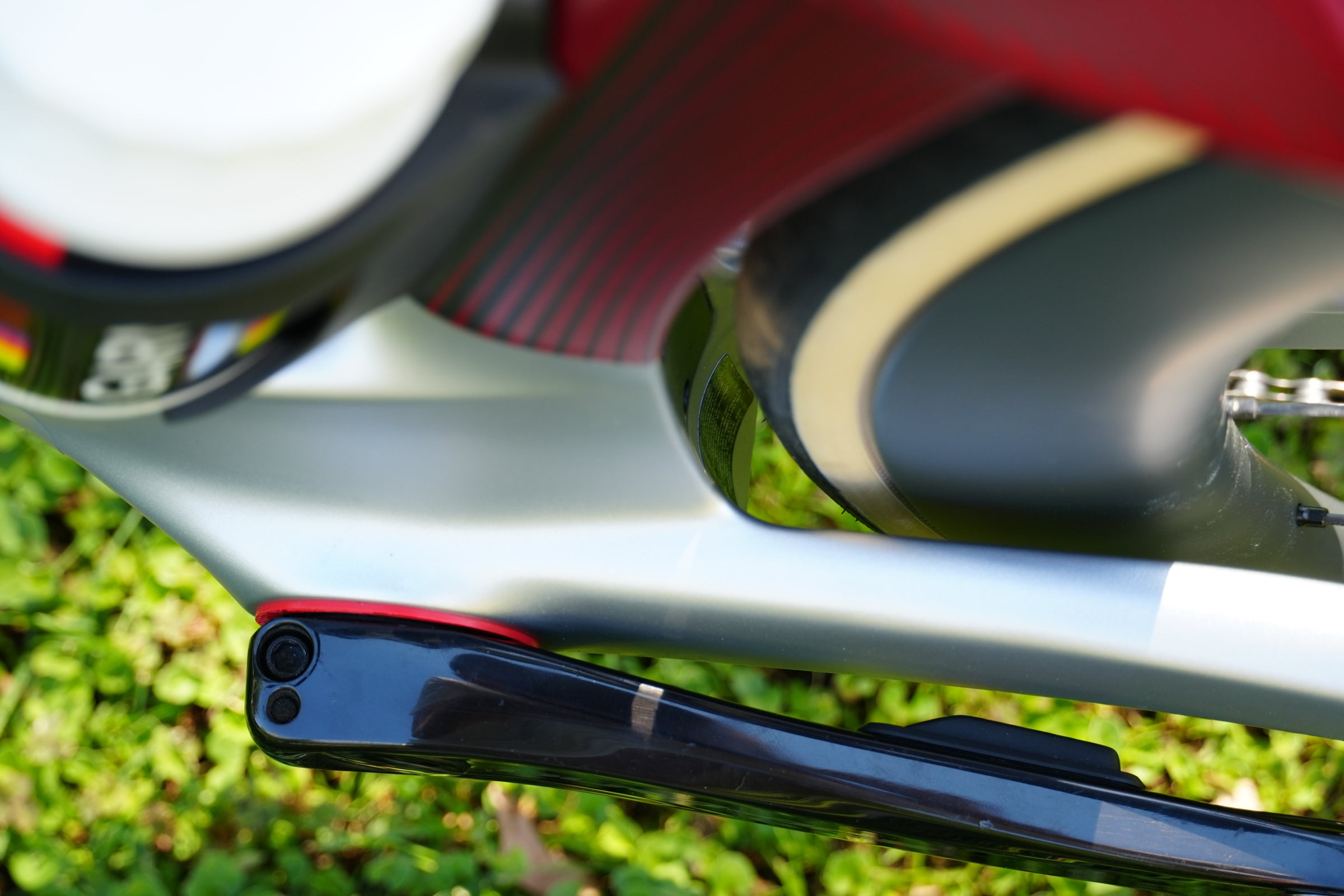 The idea here is to make this bike capable for every eventuality of bike innovation over the next few years. (Photo: Logan Jones-Wilkins/Velo)
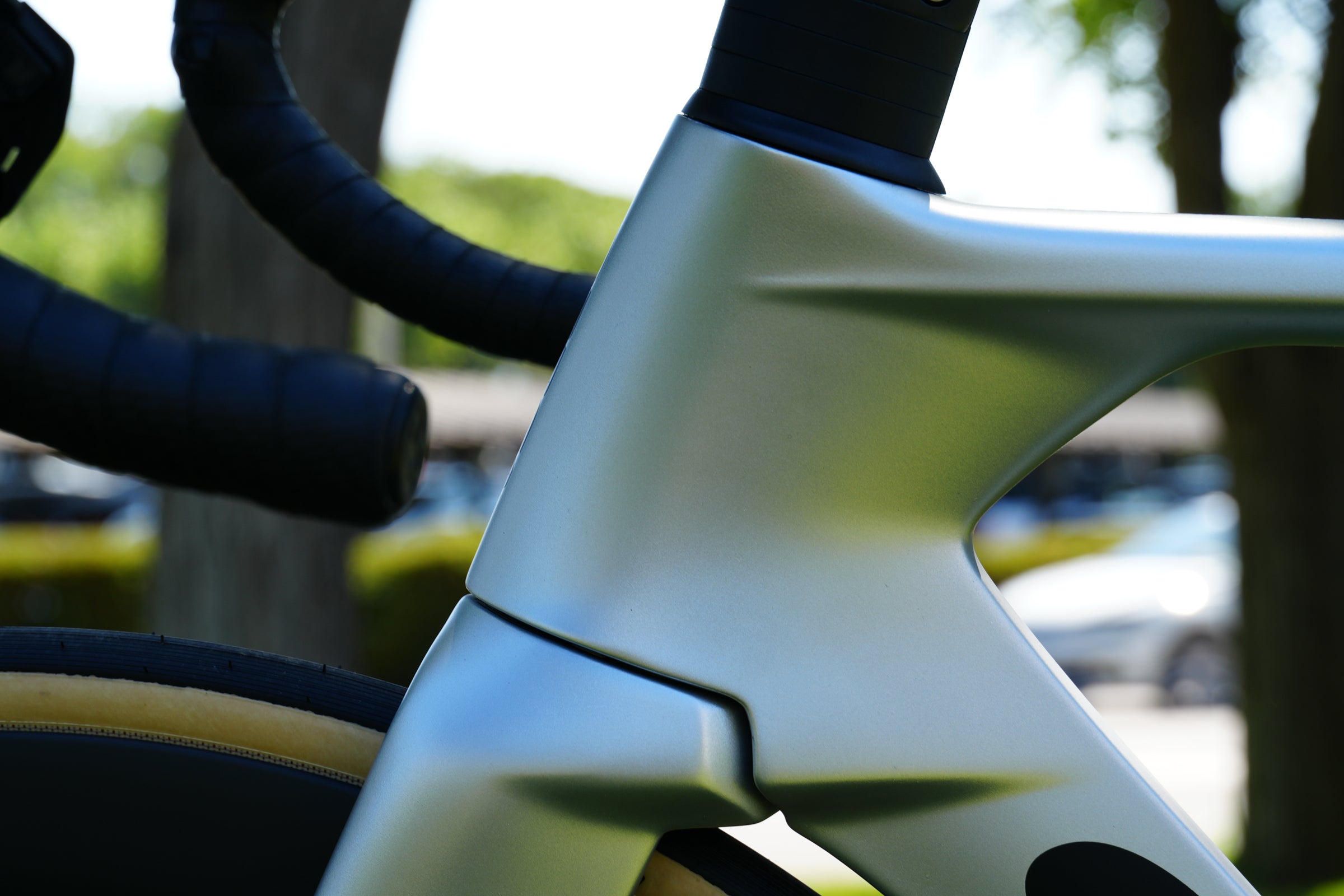 Other flourishes with the new bike are much more pronounced, aero shaping to create better flow around key areas. (Photo: Logan Jones-Wilkins/Velo)
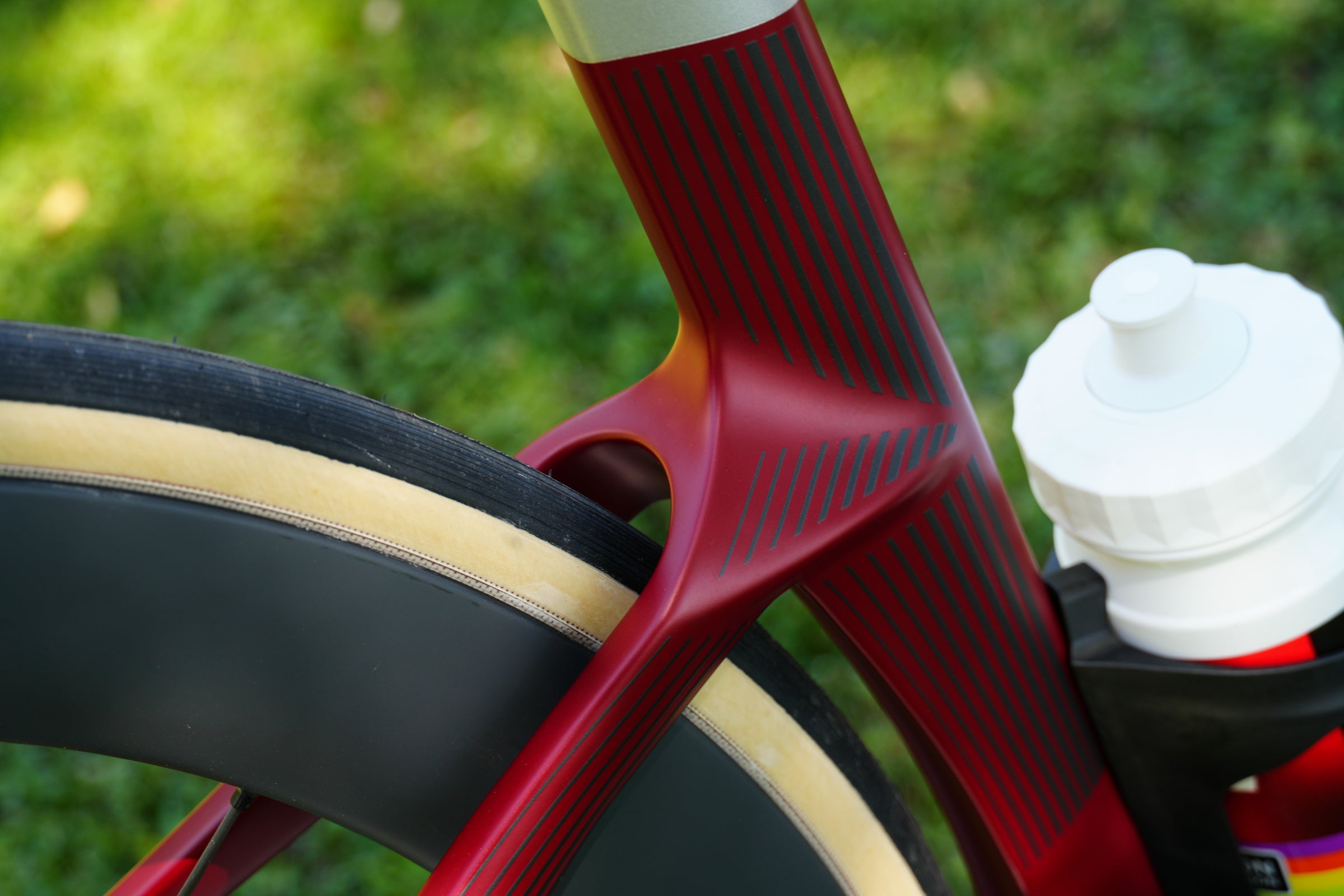 This is one example of an area with better flow. (Photo: Logan Jones-Wilkins/Velo)
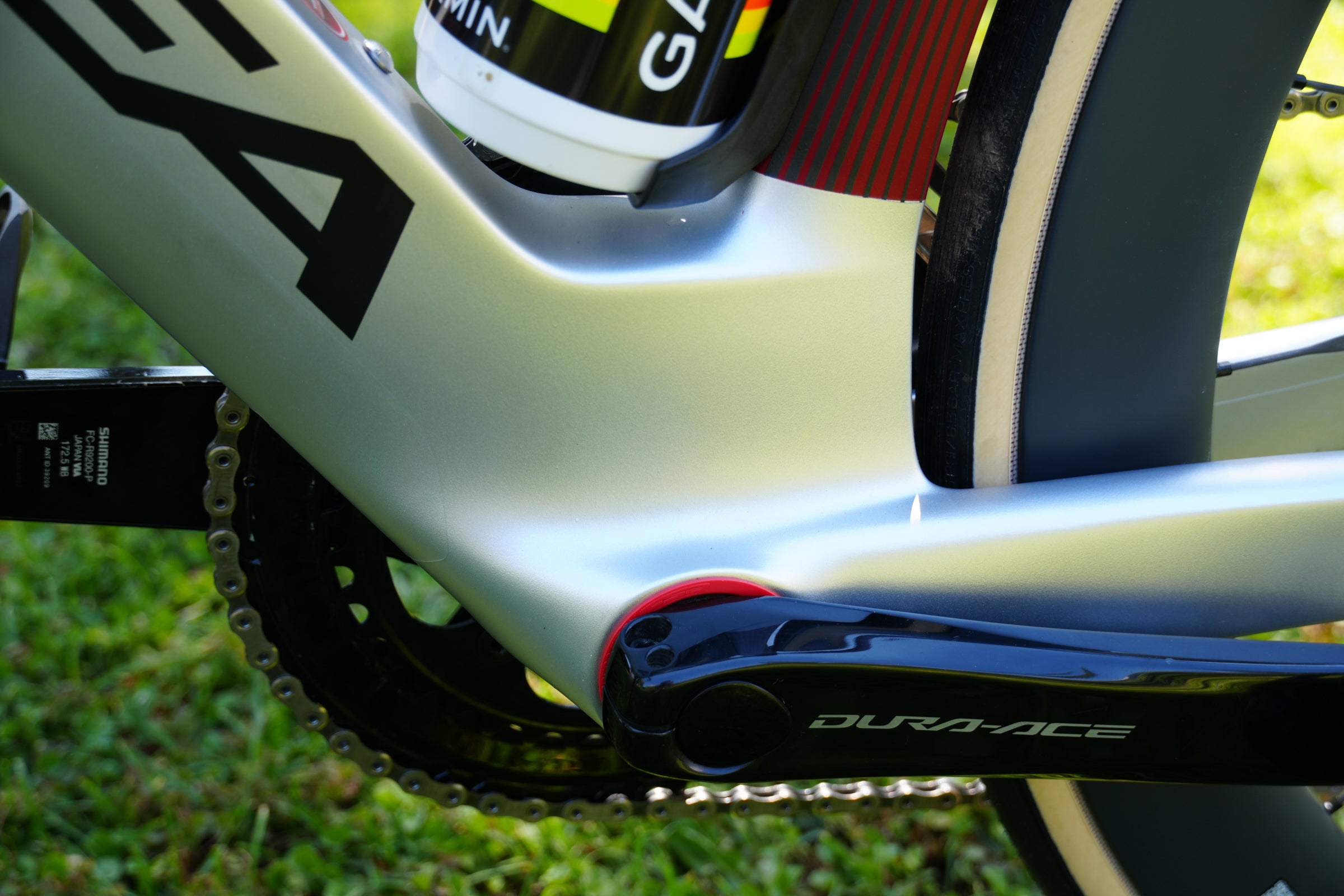 Once again there’s a lot more shaping around the bottom bracket areas. (Photo: Logan Jones-Wilkins/Velo)
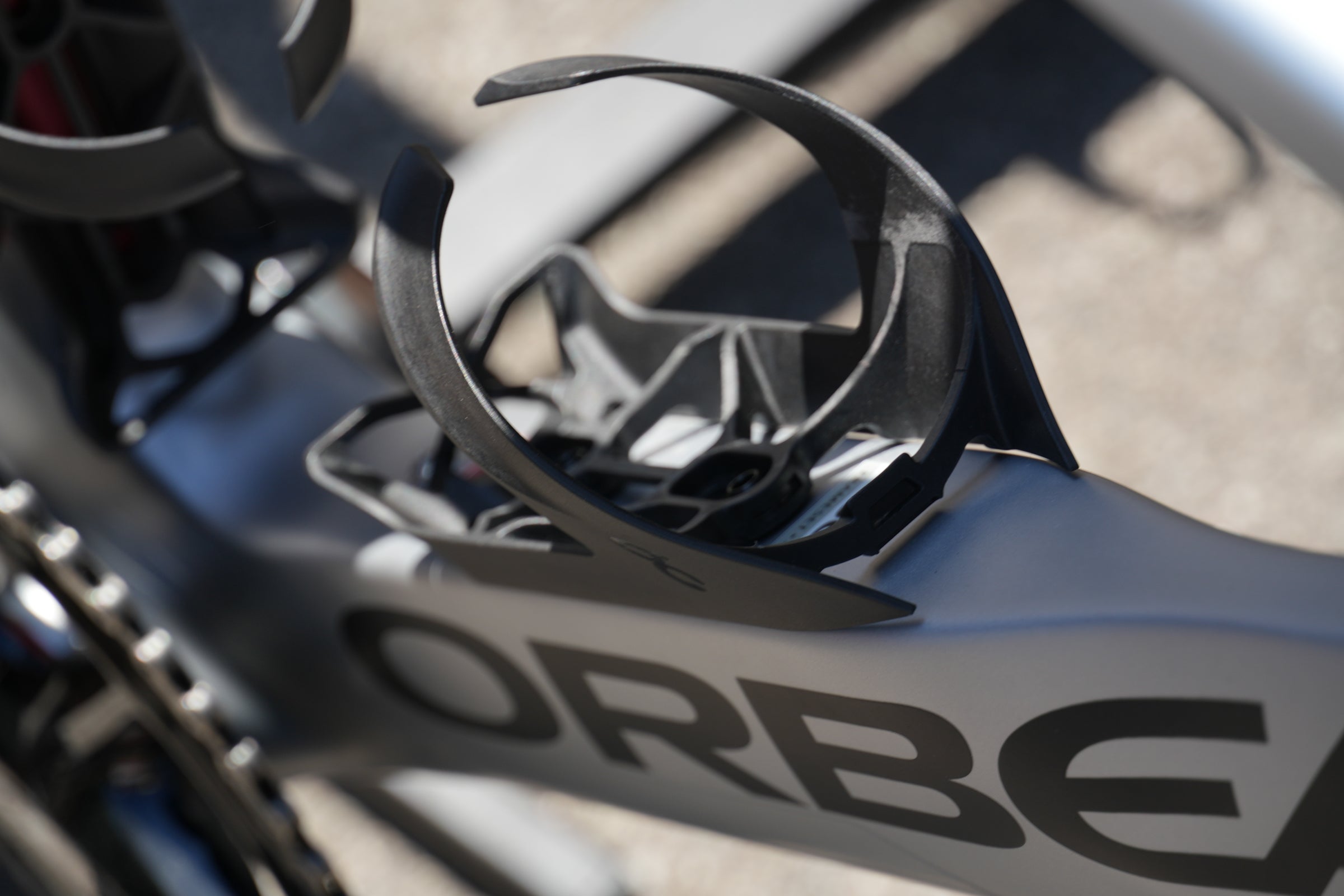 It also has bespoke bottle cages meant to smooth out the uneven shape of a bottle. (Photo: Logan Jones-Wilkins/Velo)
With the new Orca Aero, the name of the game is keeping the rider lower to the ground with a deep bottom bracket drop. The idea here is that it allows the rider to sit more “inside” of the bike to boost the overall bike/rider system aerodynamics, while also adding stability to the pedaling platform.
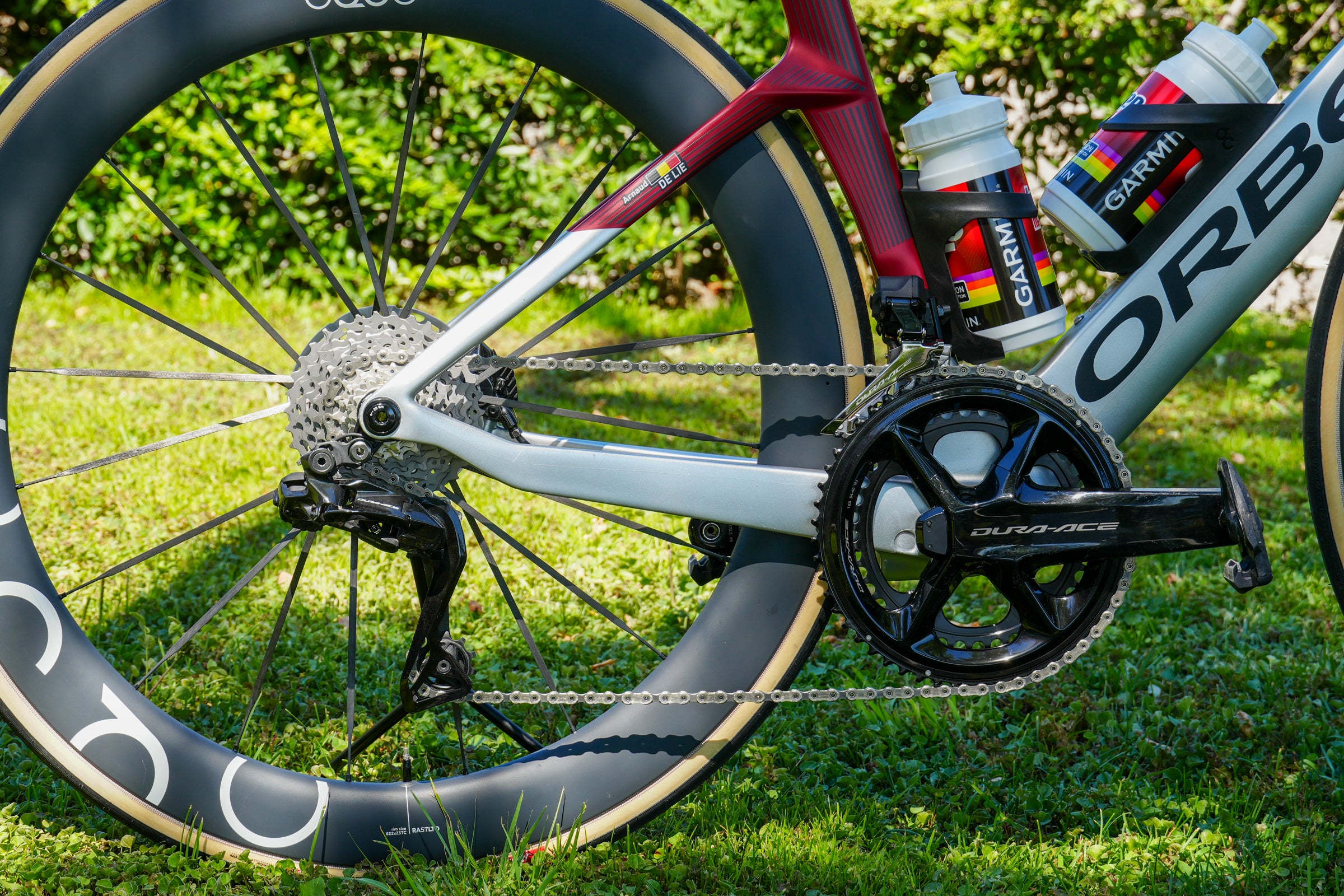 The big change to the bike is found here: the bottom bracket drop. (Photo: Logan Jones-Wilkins/Velo)
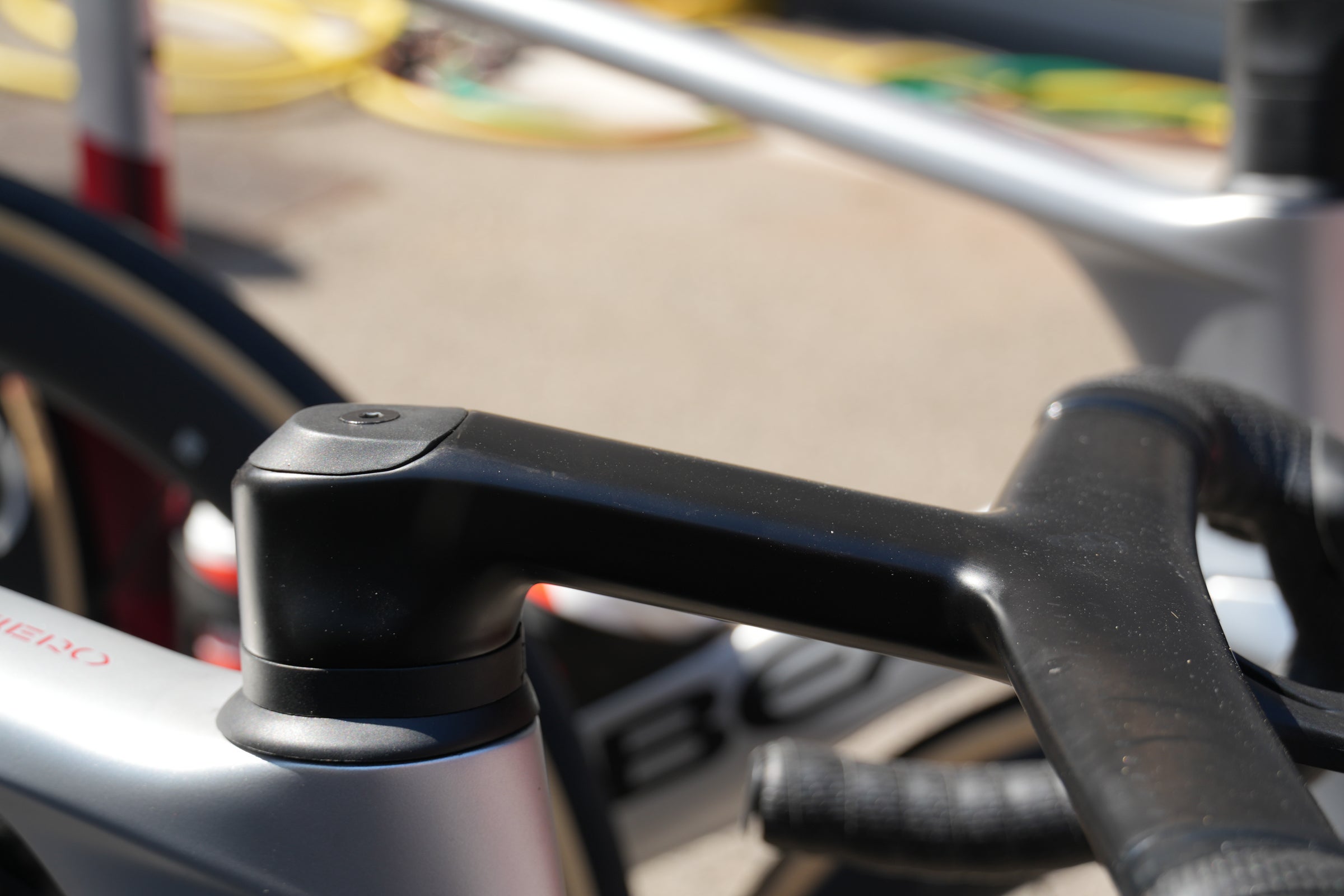 With the long and low positions on the bike, Orbea believes it is time to rethink some established conventions of geometry. Not necessarily reach, which has stayed the same, requiring truly massive stems, but instead bringing the rider closer to the ground. (Photo: Logan Jones-Wilkins/Velo)
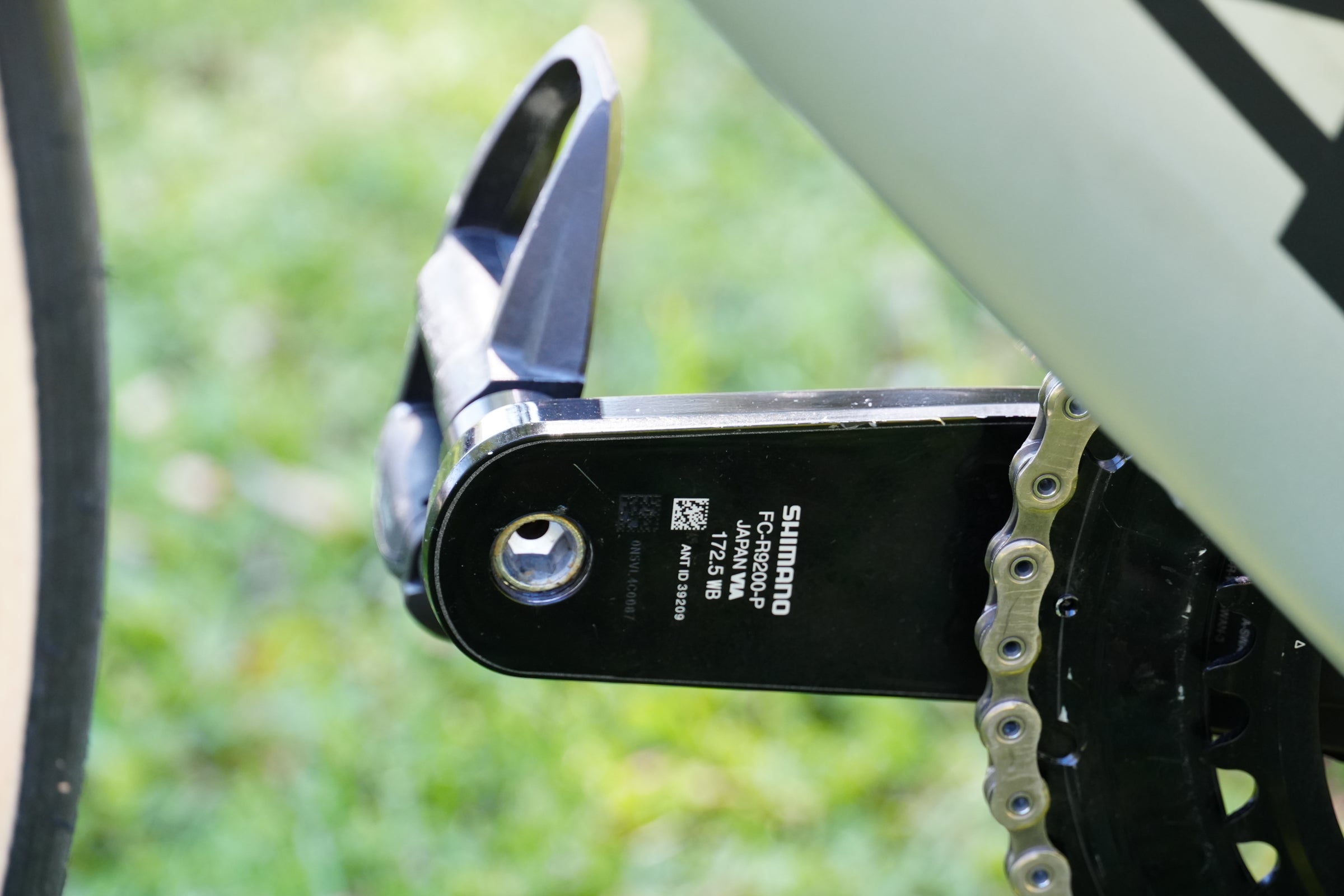 Arnaud De Lie has a very traditional crankset with 172.5 cranks and a 54/40t chainring setup. (Photo: Logan Jones-Wilkins/Velo)
Cube Litening — TotalEnergies
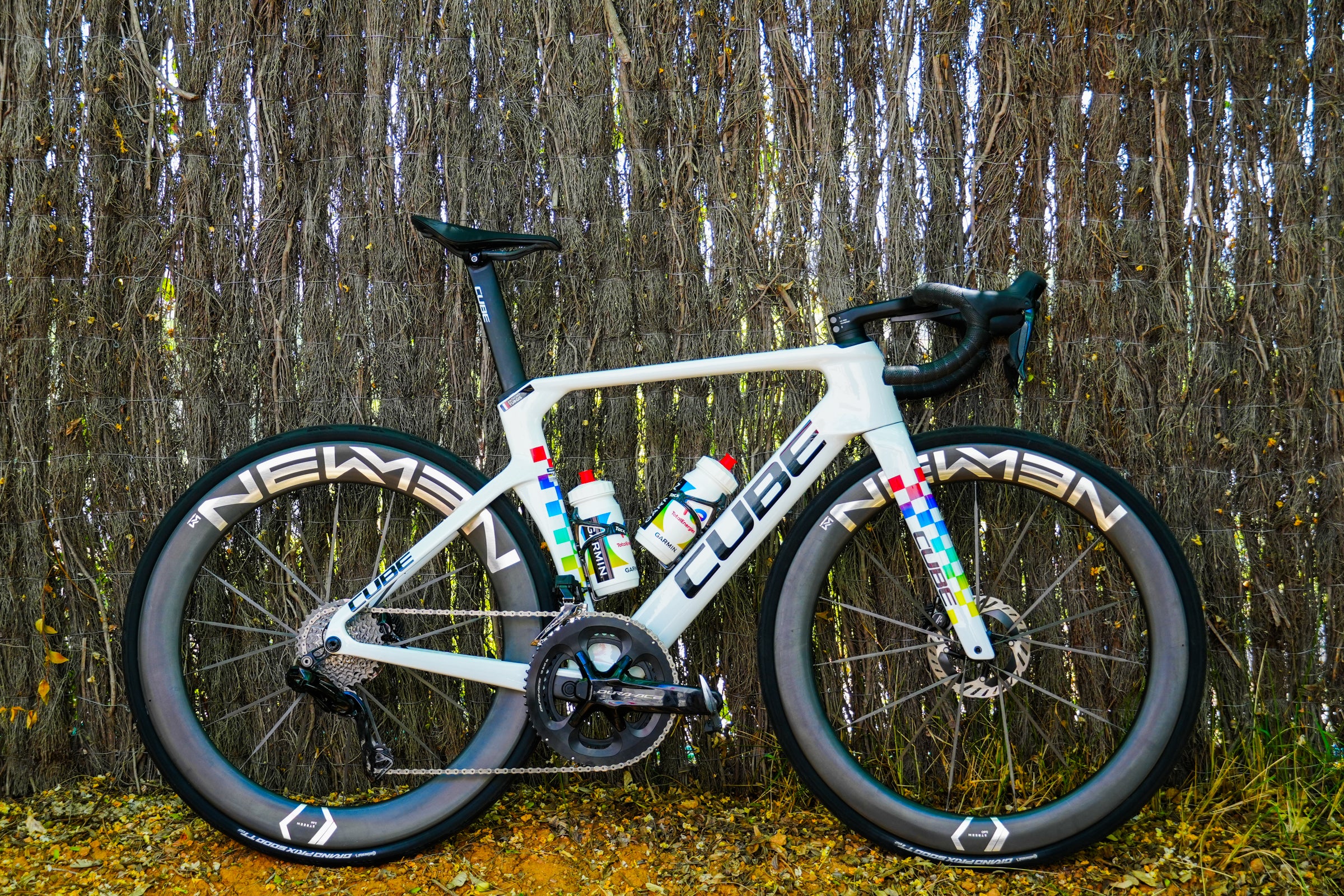 (Photo: Logan Jones-Wilkins/Velo)
Cube might not be the most familiar brand to an American audience, but for Europeans, especially in the German and Benelux region the brand is massively popular for its value performance bikes. The German brand has sponsored several teams within the peloton, but this year, they have partnered with the French TotalEnergies team.
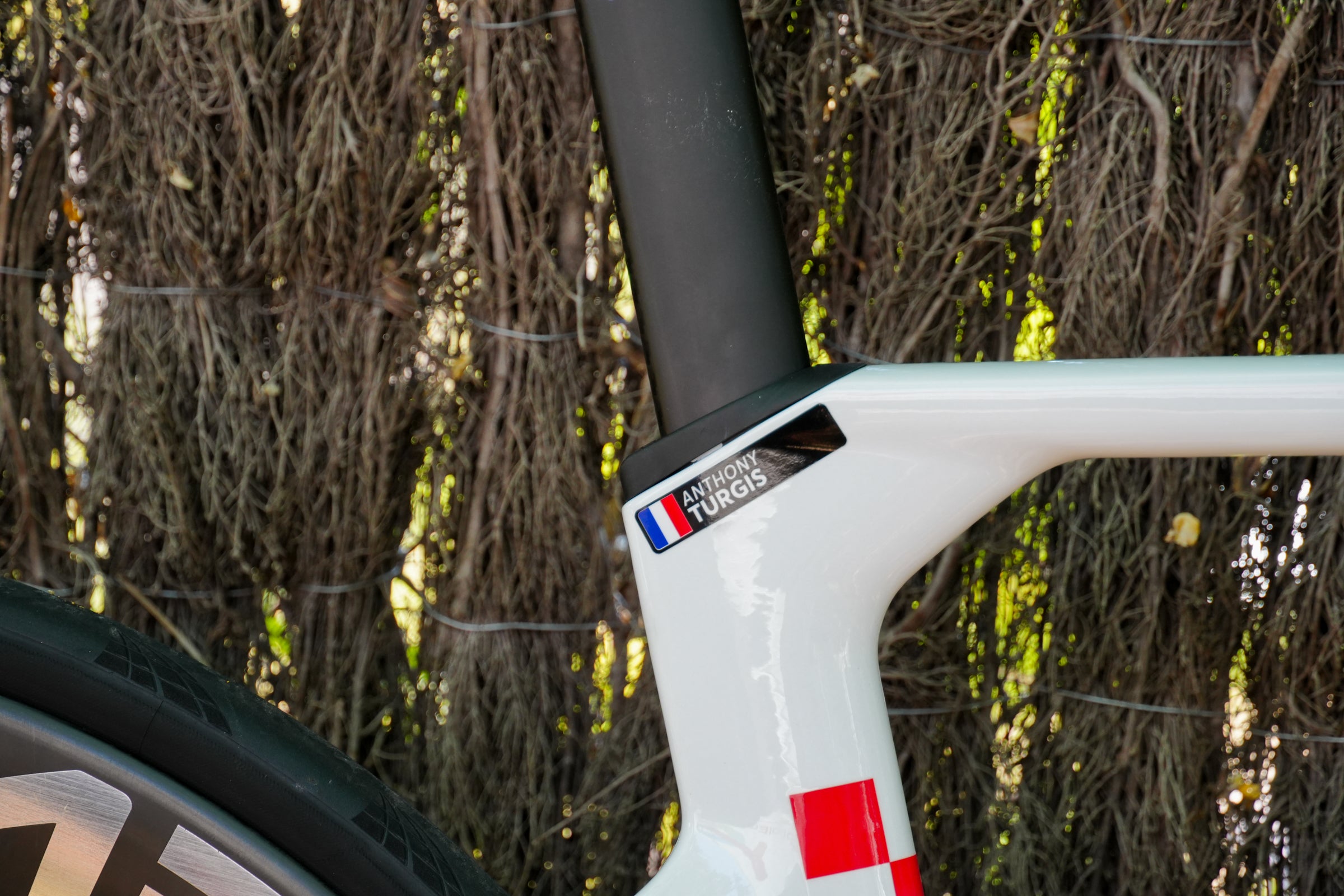 We took a look at the bike of the durable sprinter Anthony Turgis. (Photo: Logan Jones-Wilkins/Velo)
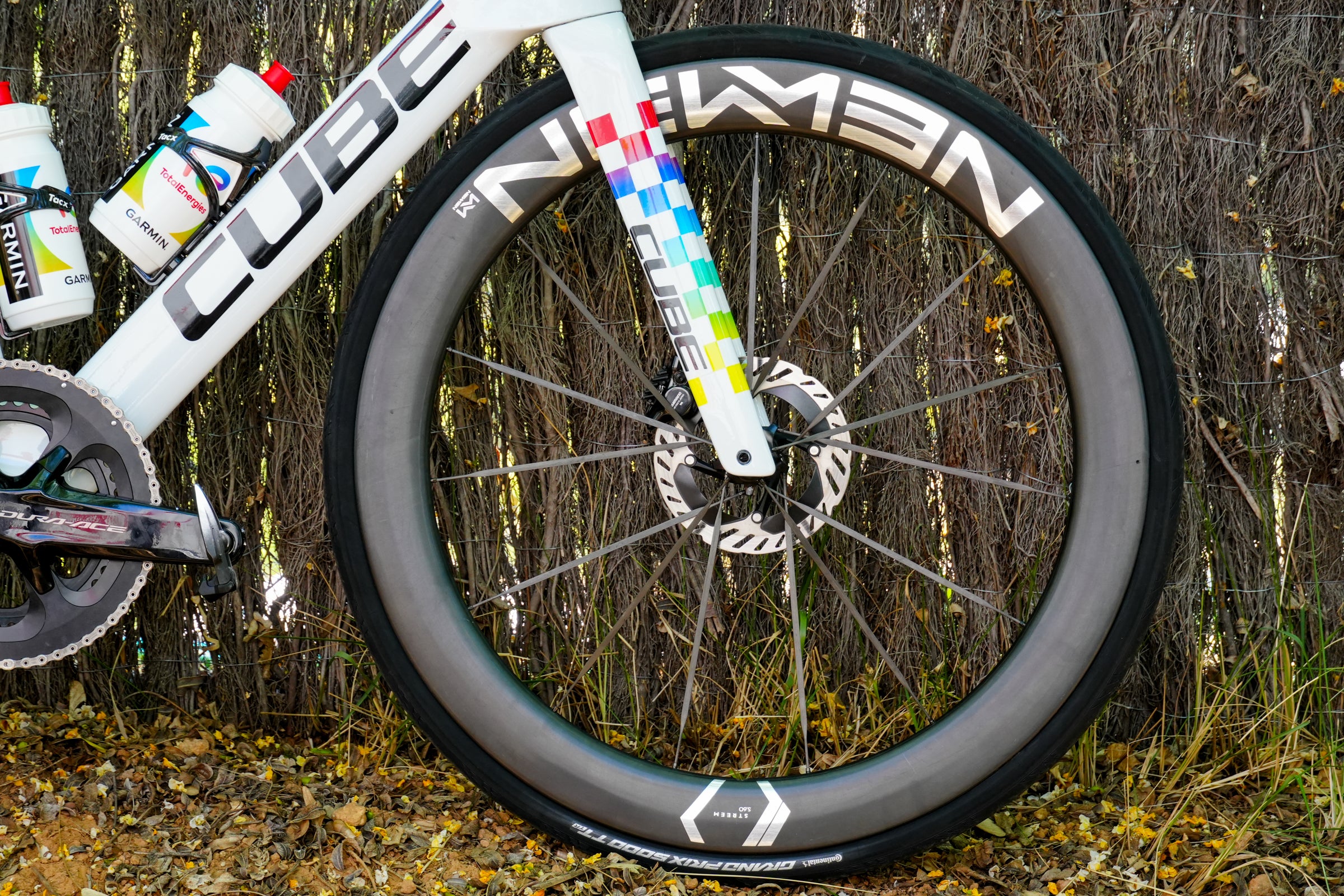 The color on this Cube was truly spectacular. (Photo: Logan Jones-Wilkins/Velo)
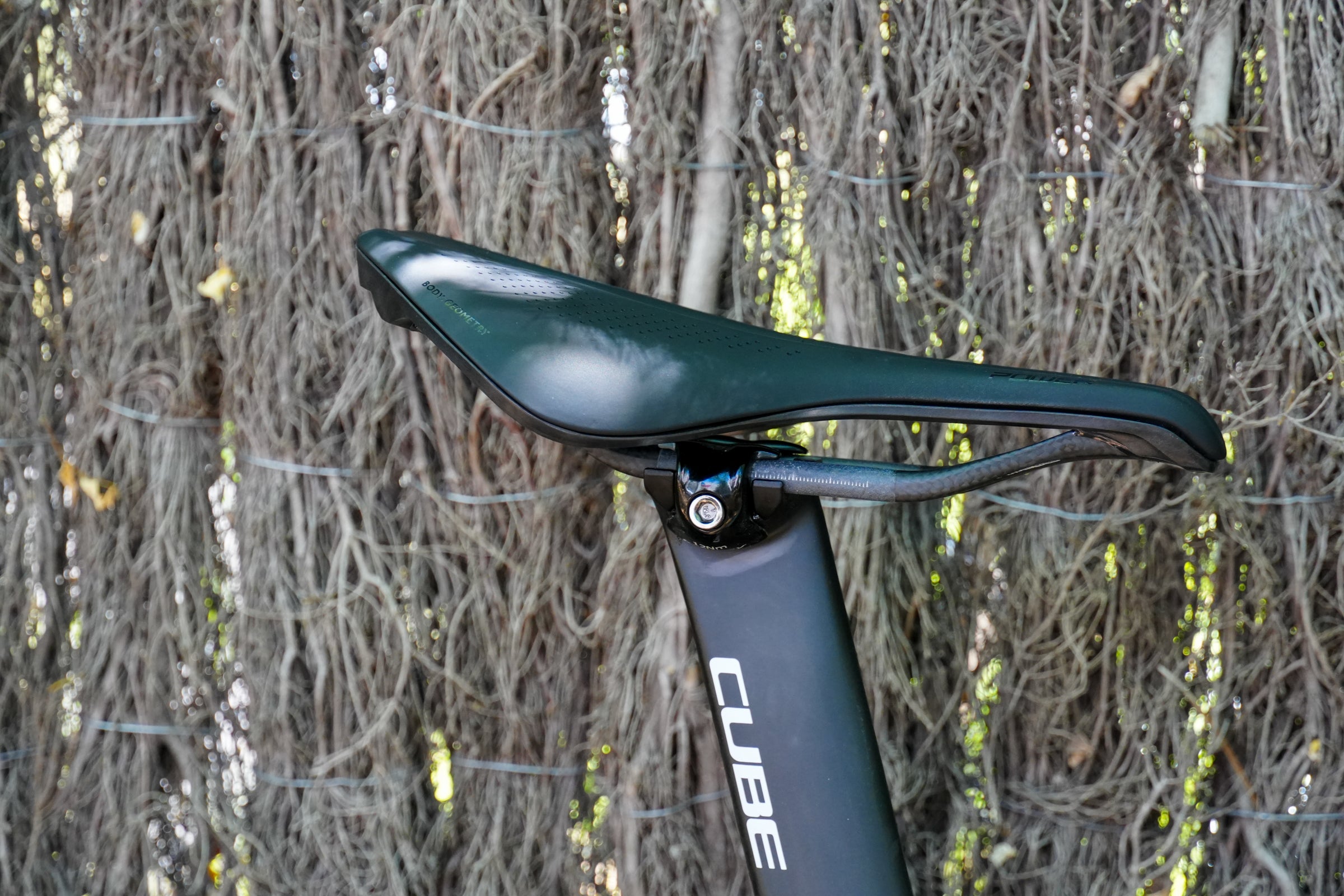 Turgis, like many positions we saw, had the seat all the way forward on the rails. (Photo: Logan Jones-Wilkins/Velo)
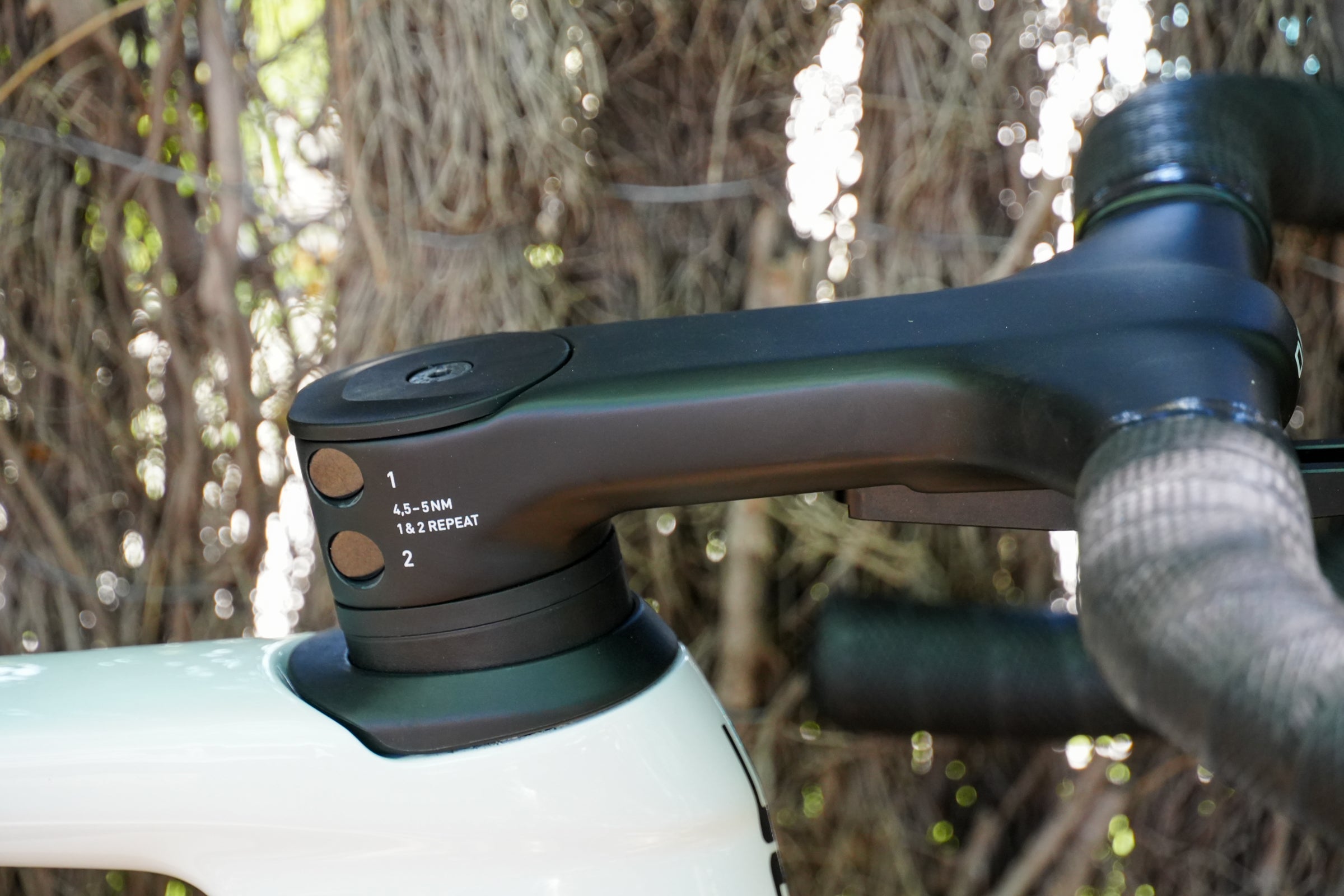 Likewise, he had a long stem to push his position further forward. (Photo: Logan Jones-Wilkins/Velo)
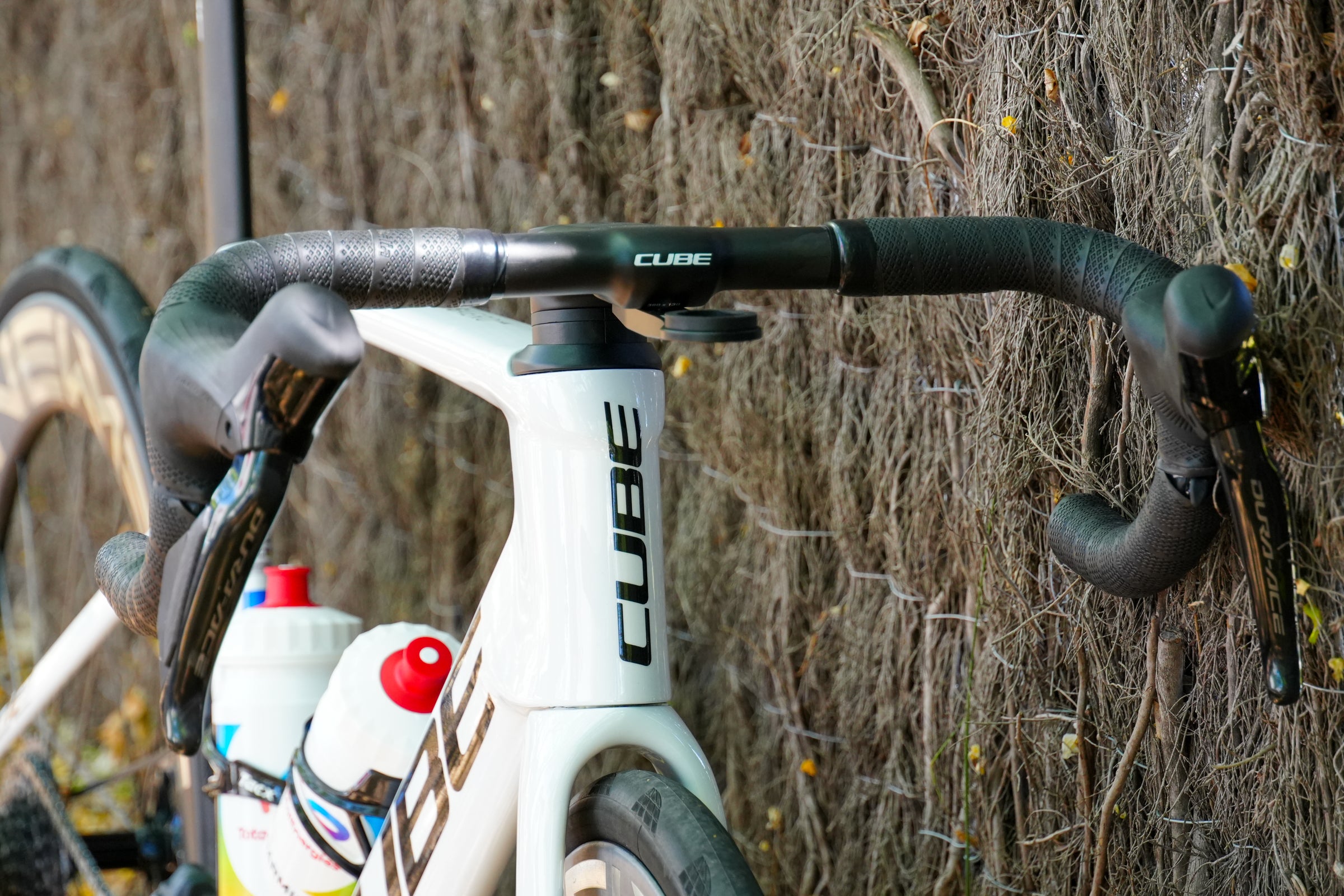 Strangely he did not have the most aero cockpit and even taped a fair amount of his tops. This is seen as one of the true low-hanging fruits of aerodynamics. (Photo: Logan Jones-Wilkins/Velo)
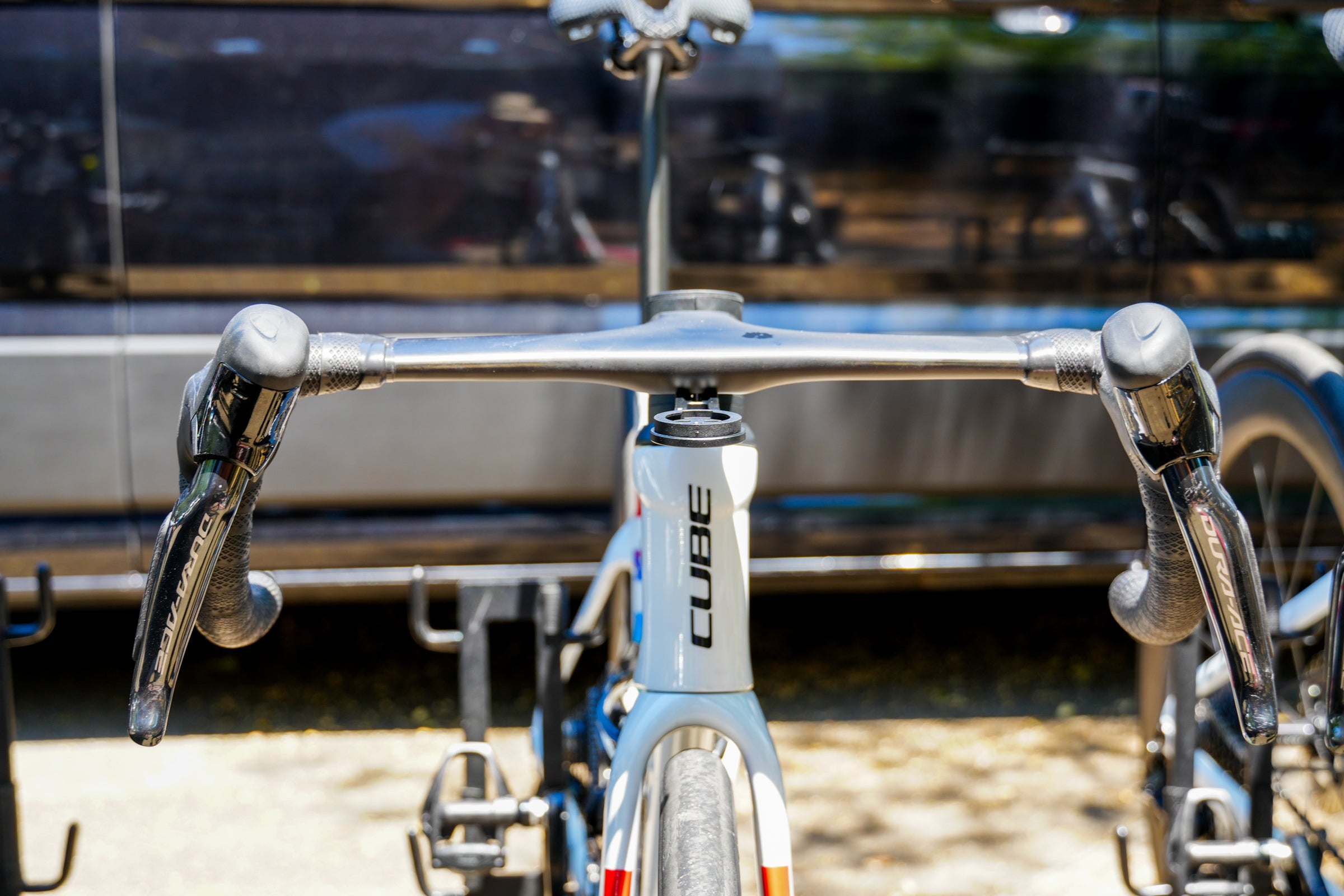 See one of his teammates’ uber flat, deep bar tops as a counter example. (Photo: Logan Jones-Wilkins/Velo)
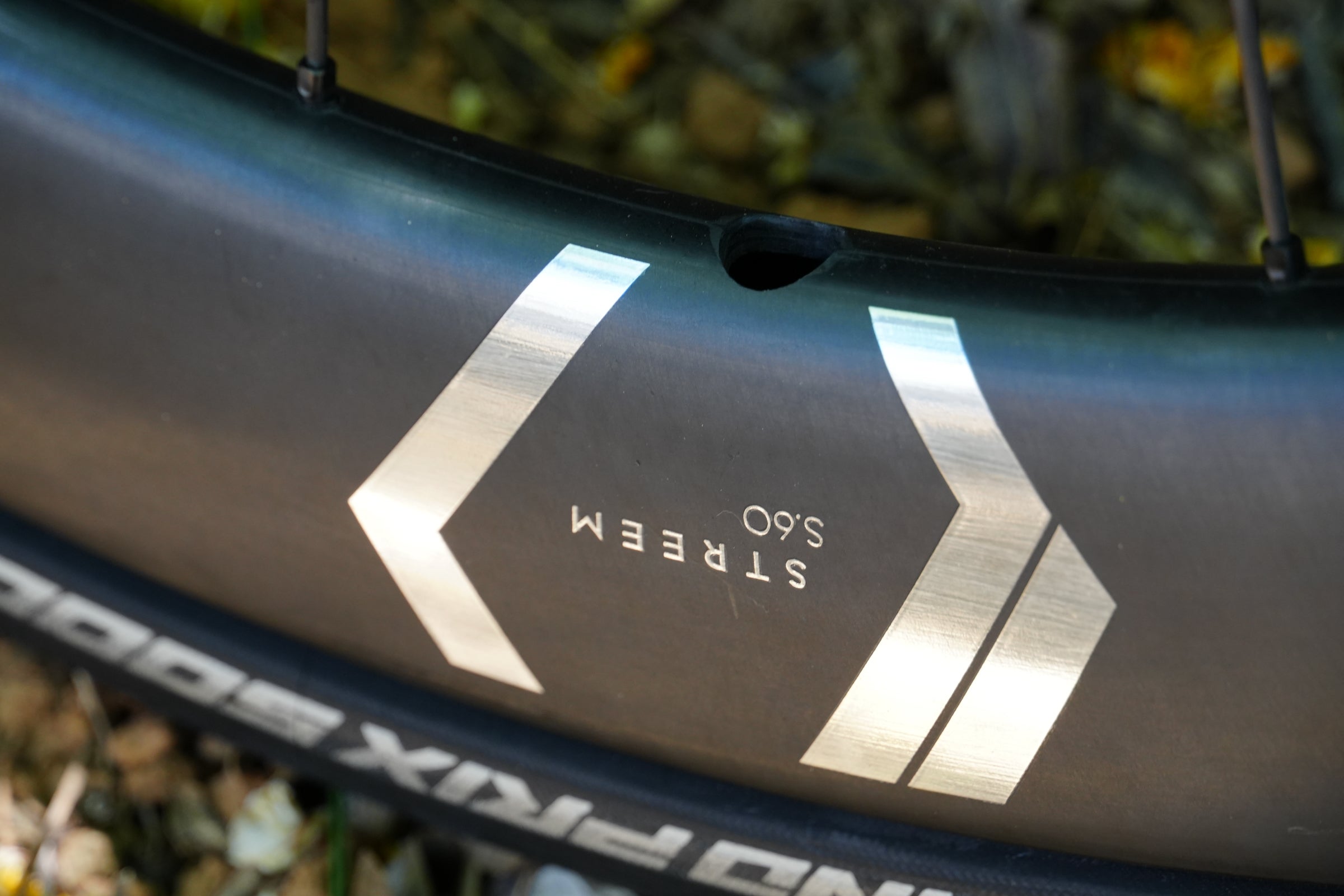 Hidden valves for all the TotalEnergies riders with Newmen providing the wheels. (Photo: Logan Jones-Wilkins/Velo)
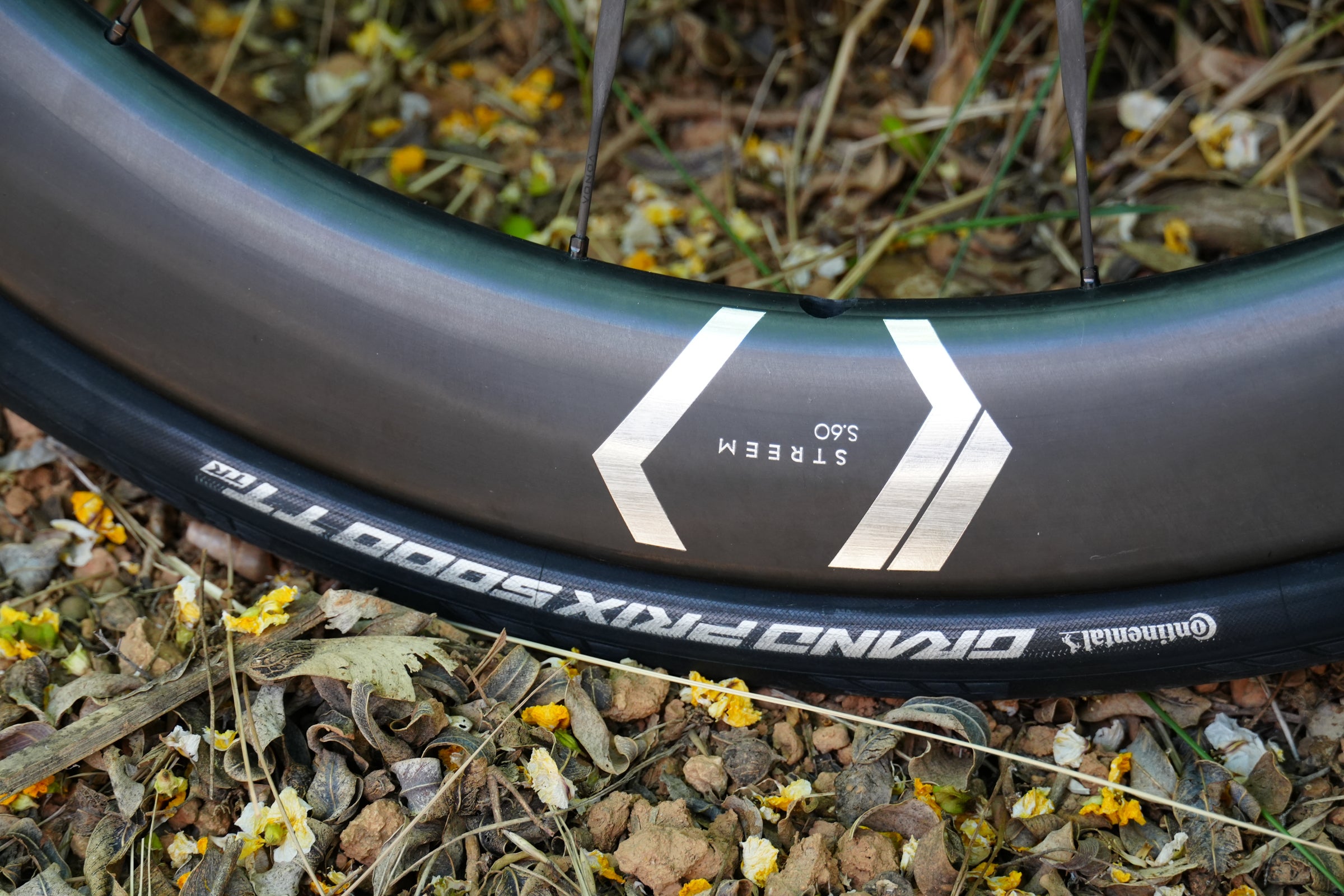 28mm GP5000 TT tires were also standard. (Photo: Logan Jones-Wilkins/Velo)
Since this bike is an advanced prototype, we don’t have details about this bike yet, but there are a few notable changes between the old frame and the new one, especially on the rear of the bike.
Additionally, we are seeing more of those 58-44t 2x combination from Shimano that is honestly pretty mind-blowing. It has been a few years coming, buoyed by wider range rear cassettes, shorter cranks, and faster racing, but more than anything it’s a math equation. More teeth equals more efficiency, especially when the chain is in the middle of the cassette. A bit of mashing up some short hills is worth the beneficial math equation everywhere else, it seems.
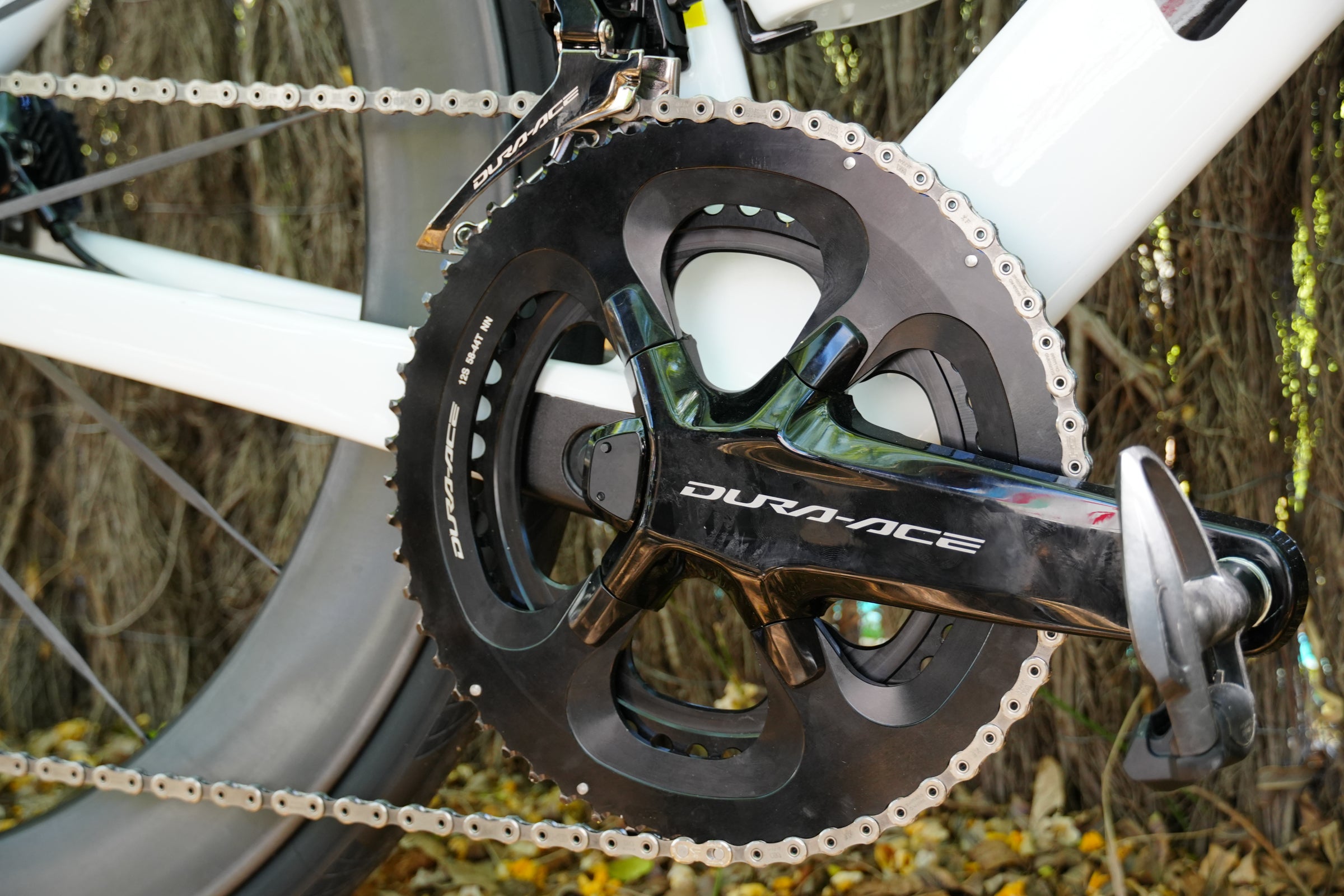 Yes, your eyes are correct, that is a bigger chainring than normal from Shimano. (Photo: Logan Jones-Wilkins/Velo)
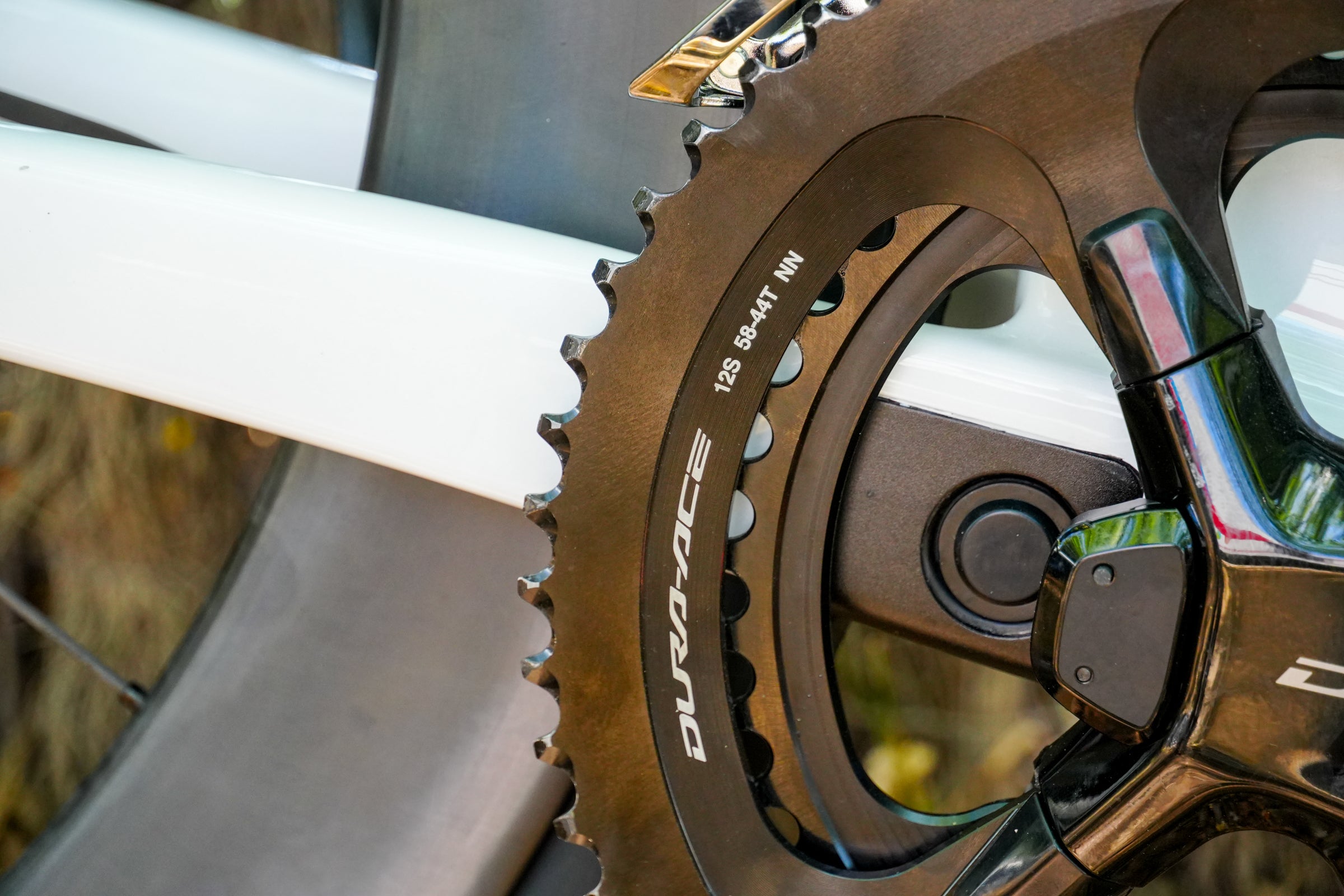 Yet, 58/44t seems like a lot. The opening road stages are not flat, mind you. (Photo: Logan Jones-Wilkins/Velo)
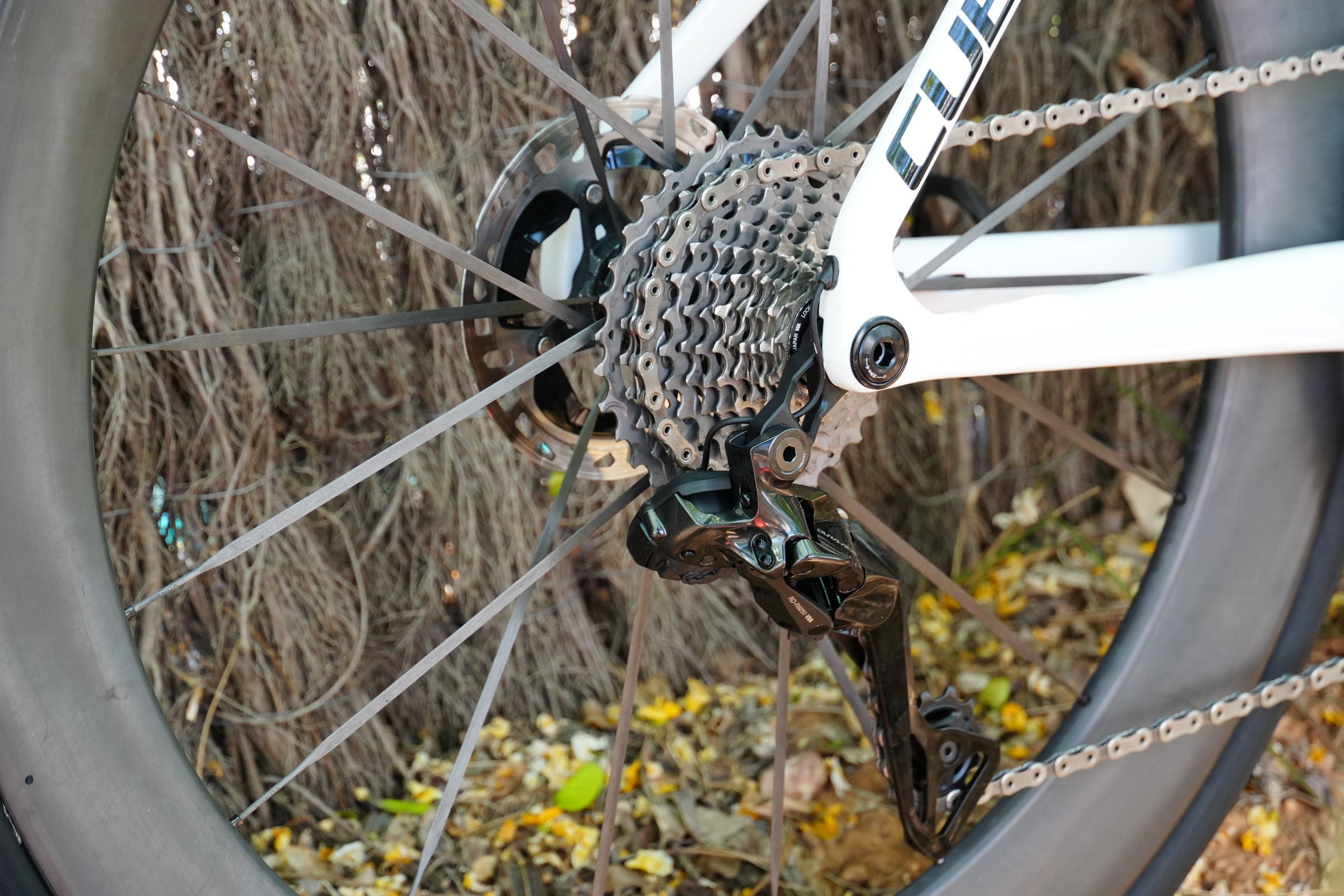 Gear jumps are less of a priority compared to the sheer size of the chain rings, as every Shimano cassette we noticed was the Dura-Ace 11-34 variety. (Photo: Logan Jones-Wilkins/Velo)
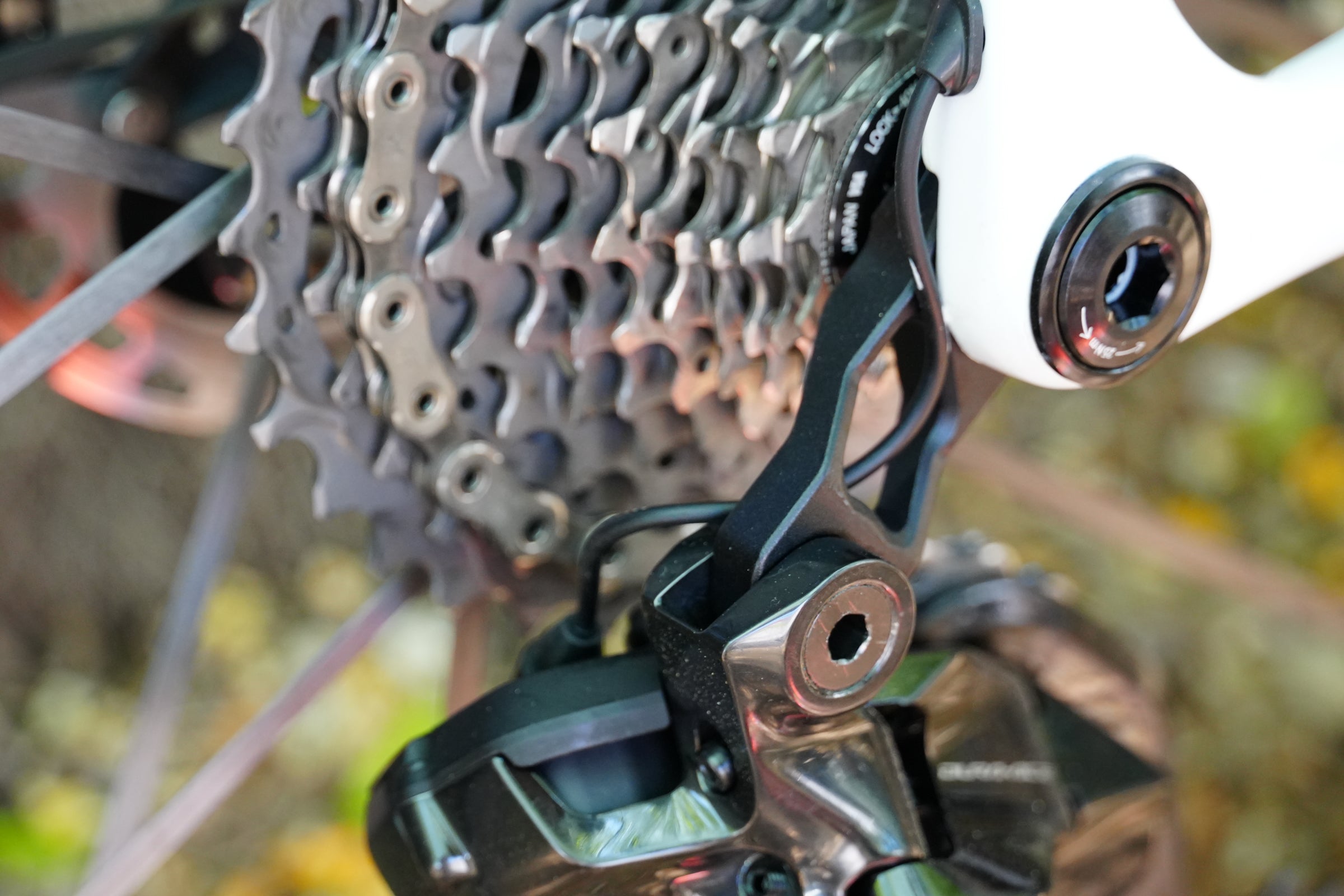 Cube did keep things classy with a deeply elegant Di2 cable routing through the hanger tick. (Photo: Logan Jones-Wilkins/Velo)
Specialized Tarmac SL9 — Soudal Quick-Step
 (Photo: Logan Jones-Wilkins/Velo)
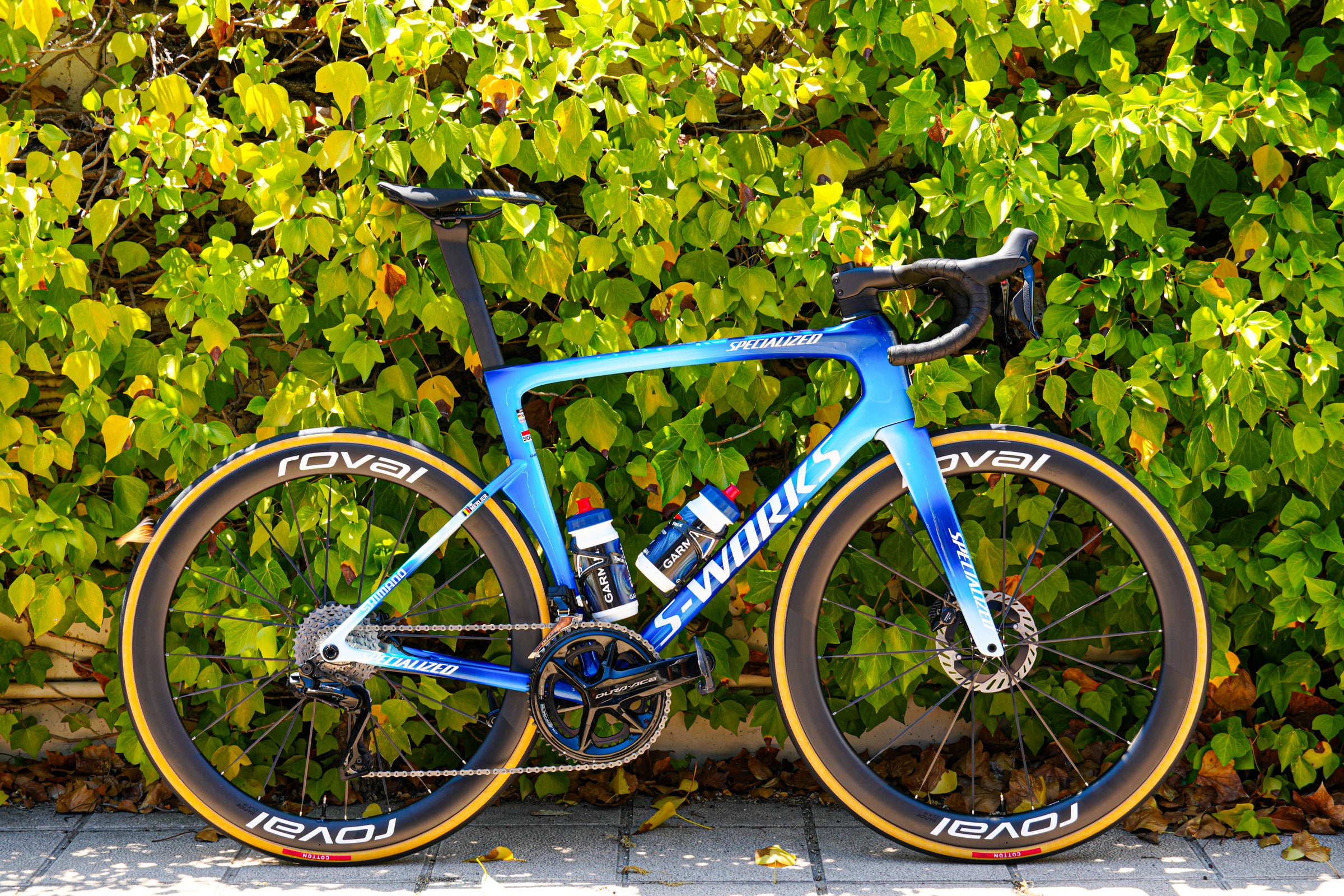
The new Tarmac SL9 has no shortage of coverage, but it is still worth checking out because of its presence in the peloton. When it is all dressed up in a WorldTour livery, it becomes a bit more real.
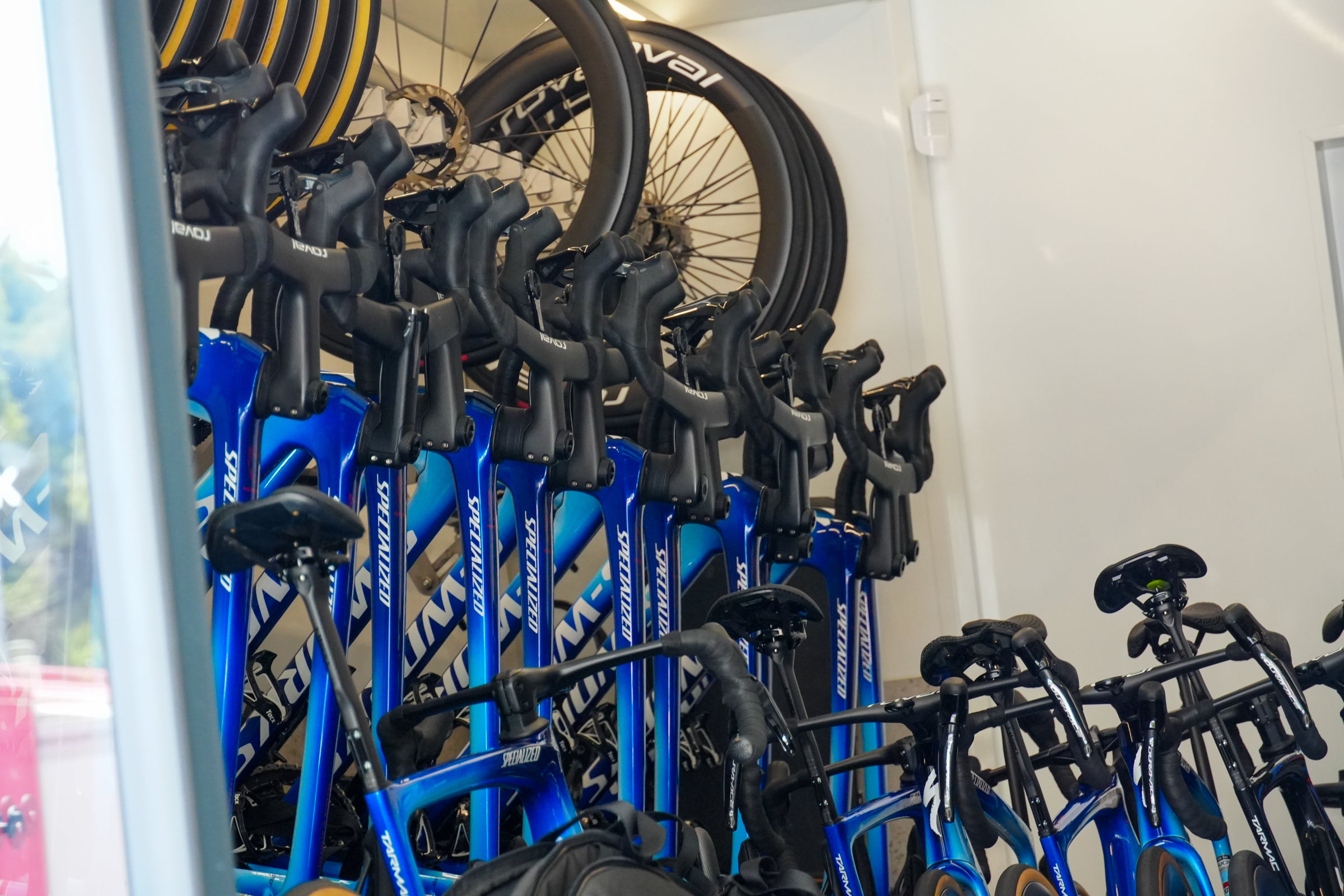 The mechanic truck was in full swing when we popped by, as prep was underway for the team presentation. (Photo: Logan Jones-Wilkins/Velo)
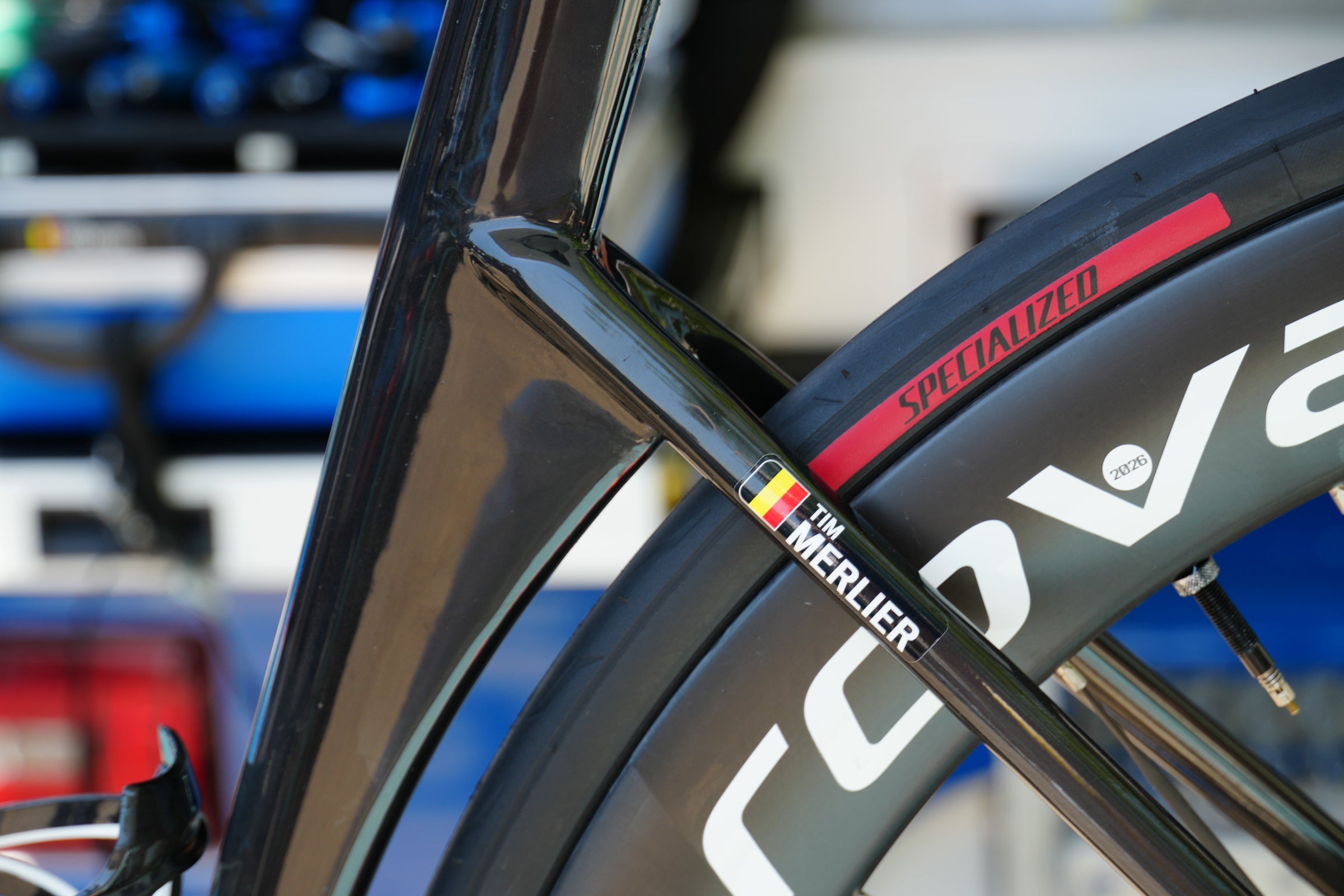 Tim Merlier’s blacked-out frame was in the stand getting a quick fix. Part of the derailleur cage snapped at some point. (Photo: Logan Jones-Wilkins/Velo)
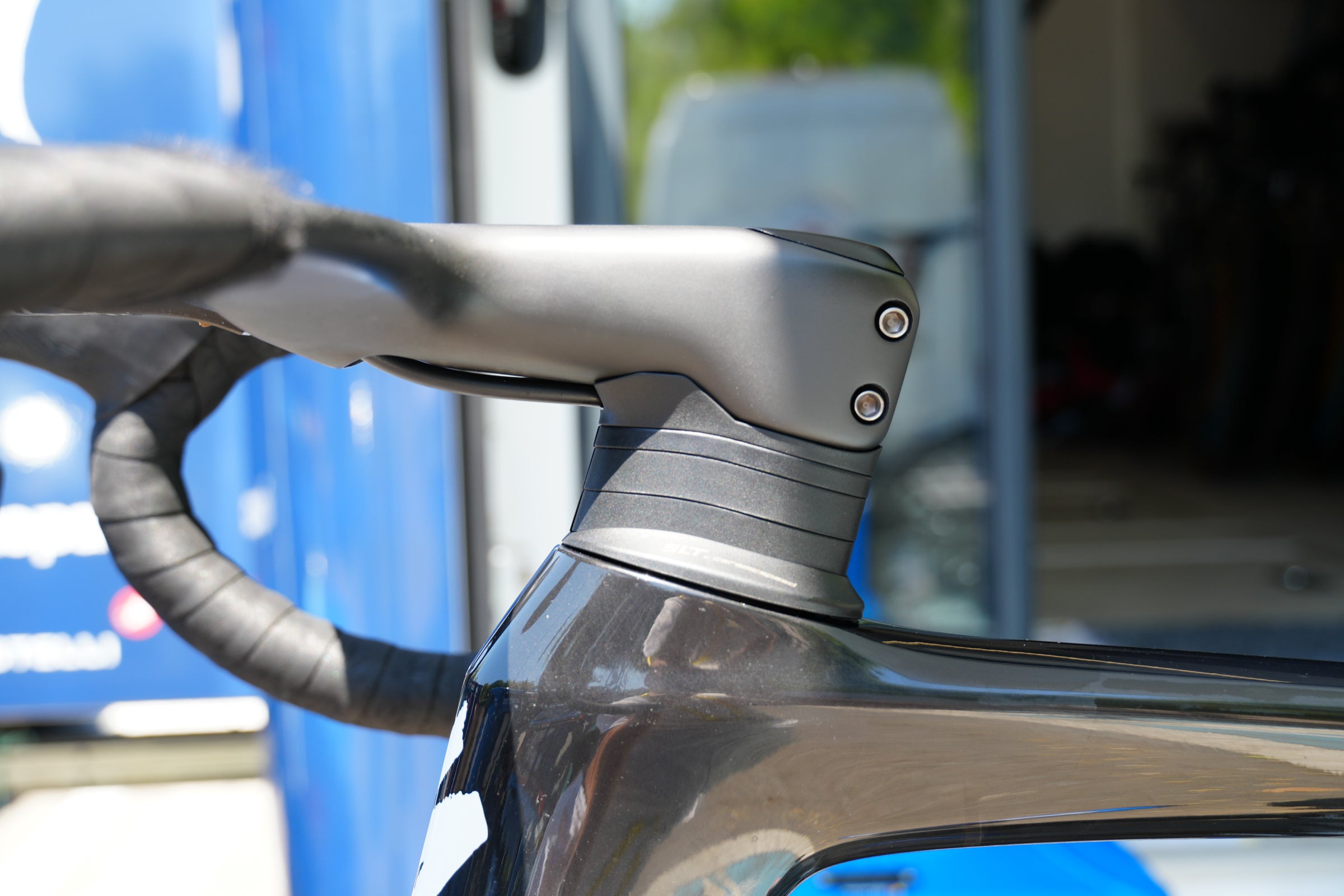 If you need spacers, fear not, so does the fastest straight-line sprinter in the world. (Photo: Logan Jones-Wilkins/Velo)
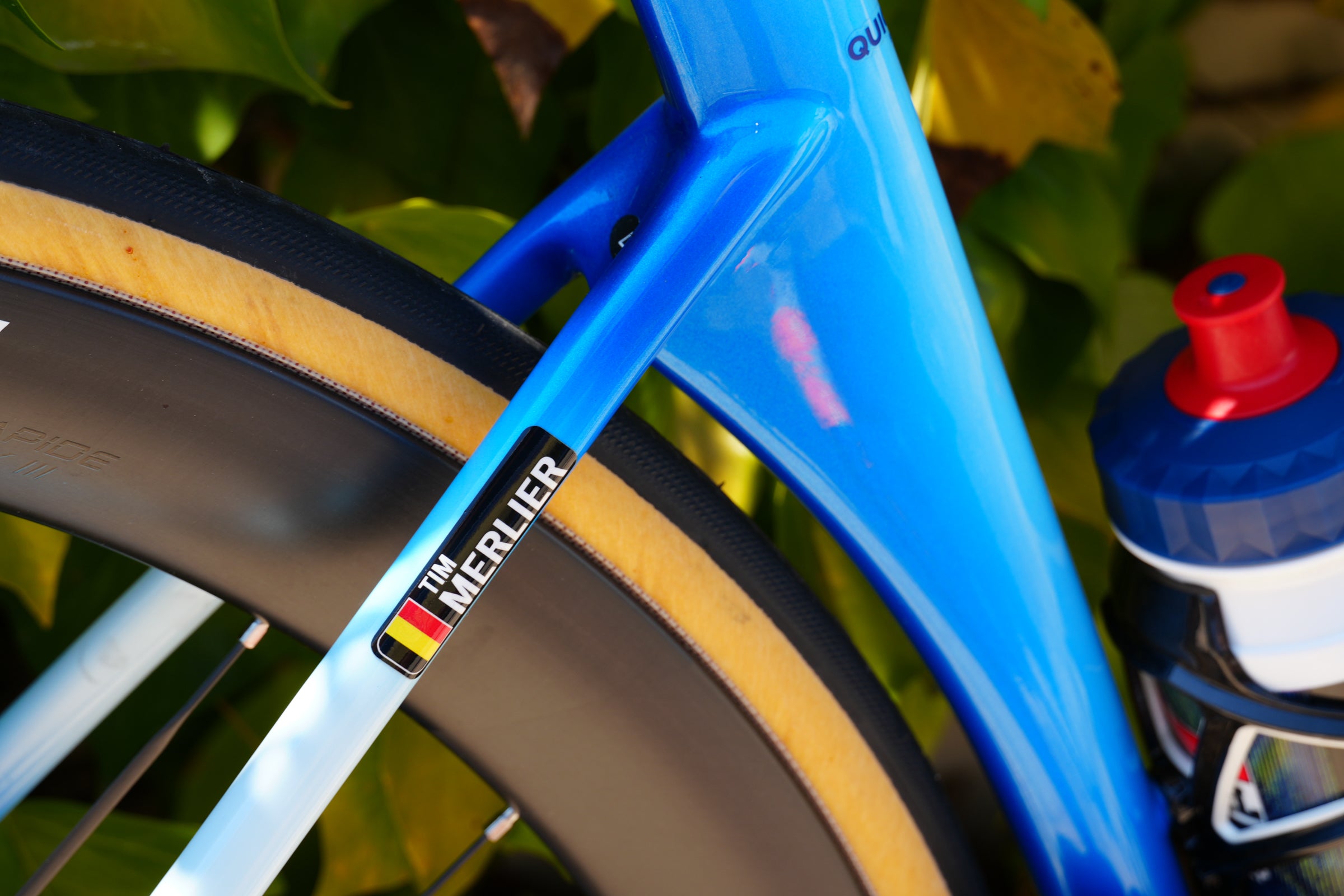 Interestingly, Merlier has four bikes. Two black, two team-issued blue. (Photo: Logan Jones-Wilkins/Velo)
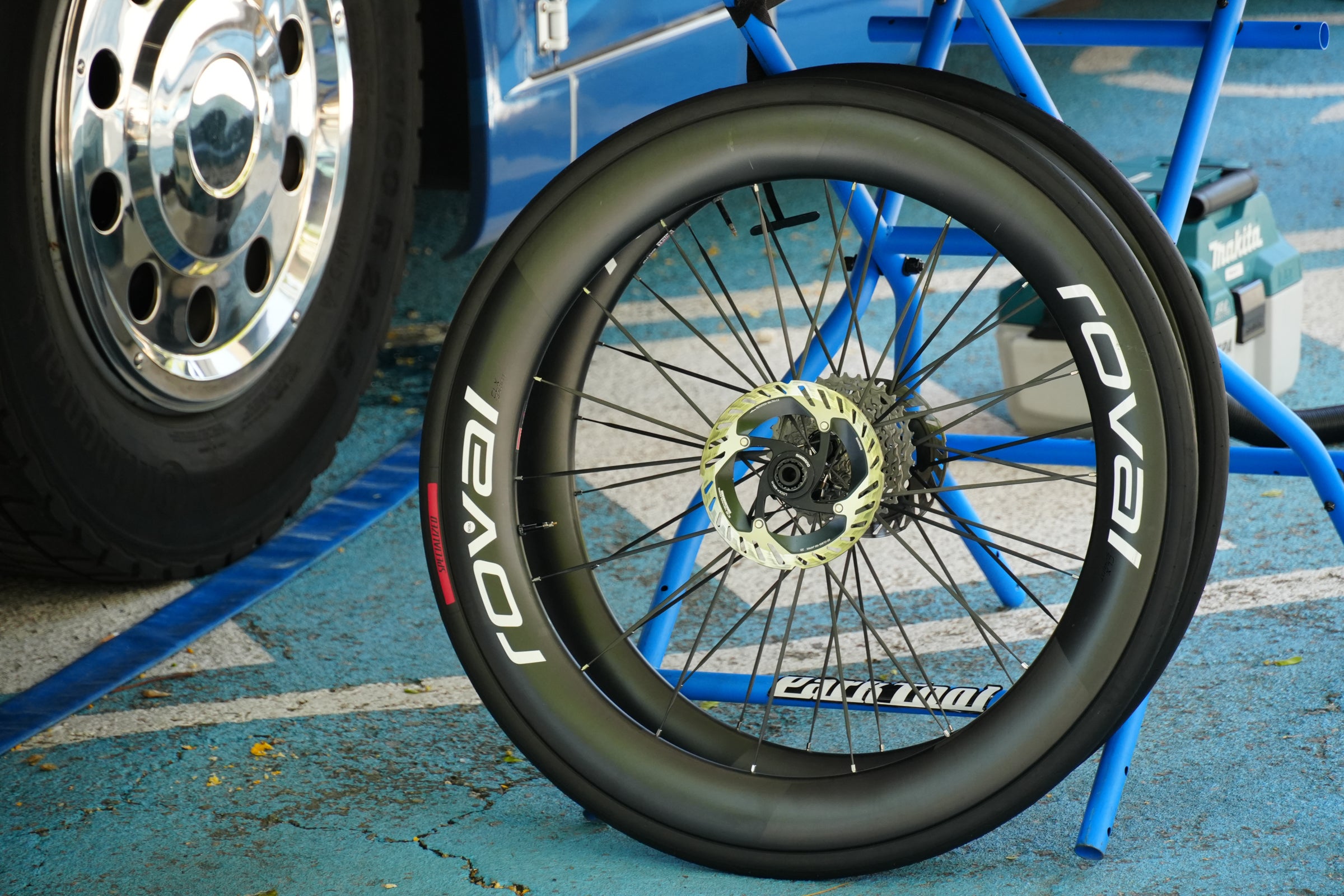 Merlier’s wheels also had a different tire on them. We will get to the rest of the team, but the sprinter runs the blacked out RapidAir, Specialized’s lightest and fastest rubber. (Photo: Logan Jones-Wilkins/Velo)
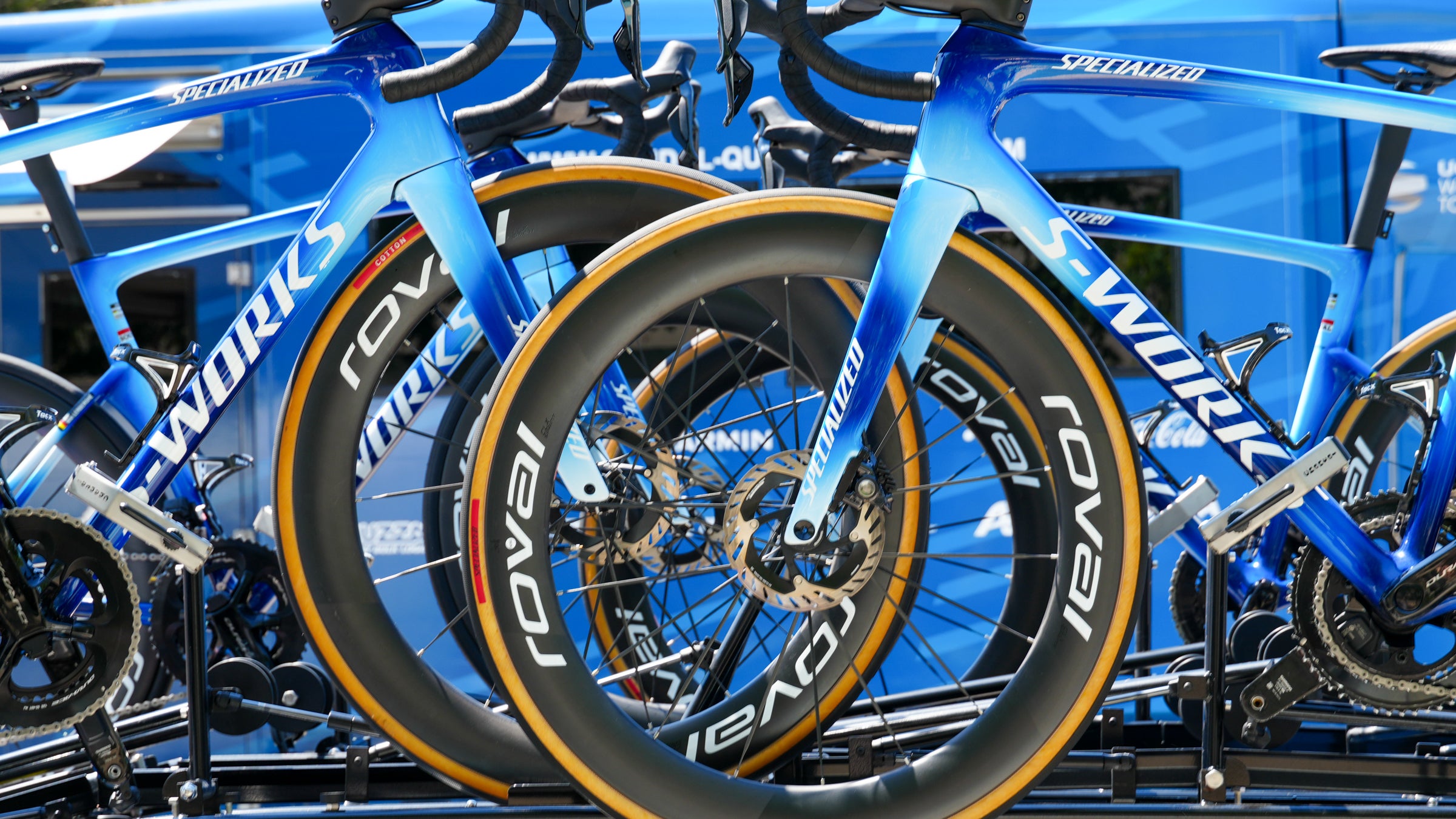
All the parts are the same—the S-Works spec offered at the moment is almost identical to the Soudal Quick-Step setup—but with the power fade between two-tones of blue and the subtle but vibrant flourishes around the edges, the bike does look like a step forward for the brand.
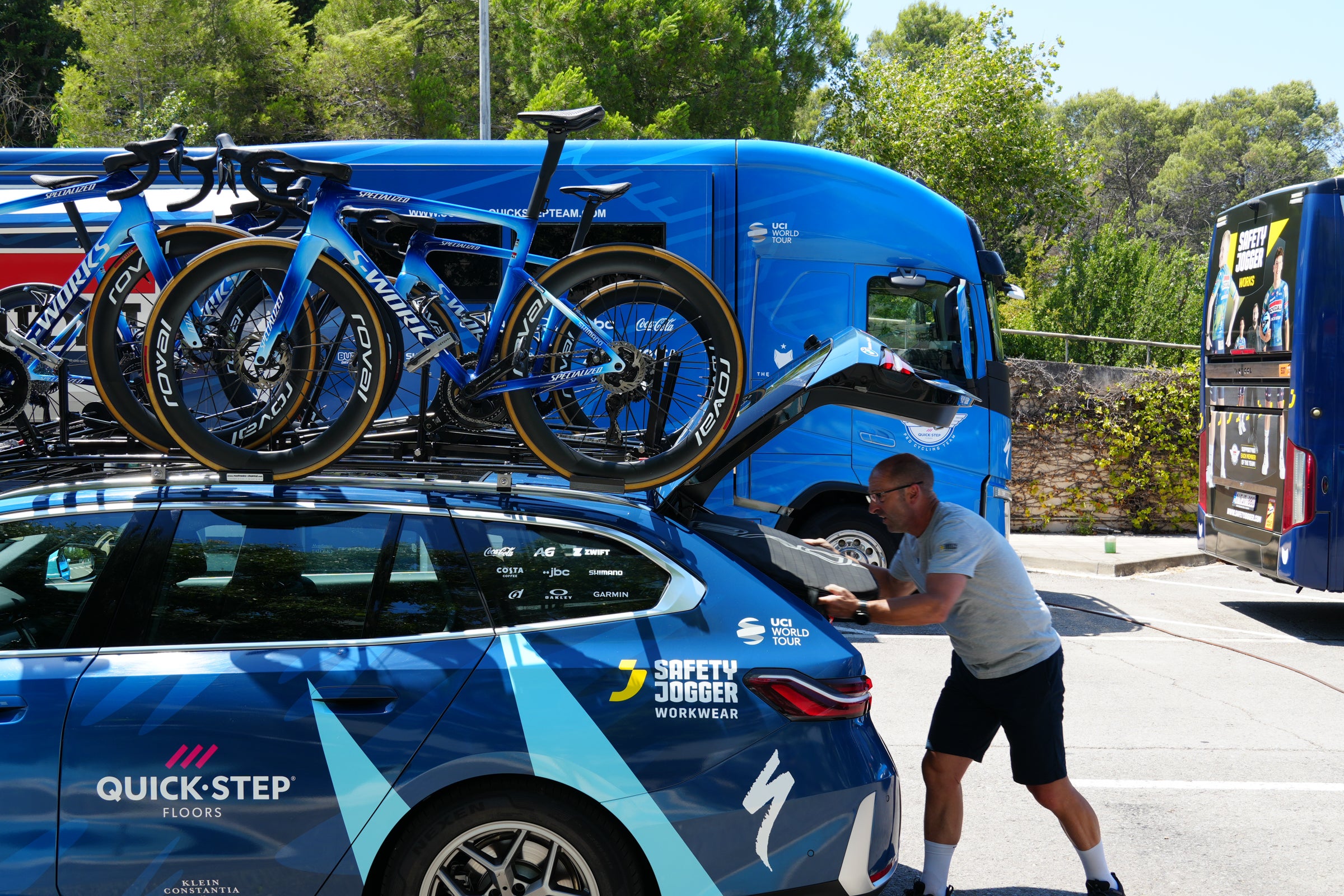 It was a race against an all-business Belgian mechanic to shoot the bikes before they were off for their pre-race appointment. (Photo: Logan Jones-Wilkins/Velo)
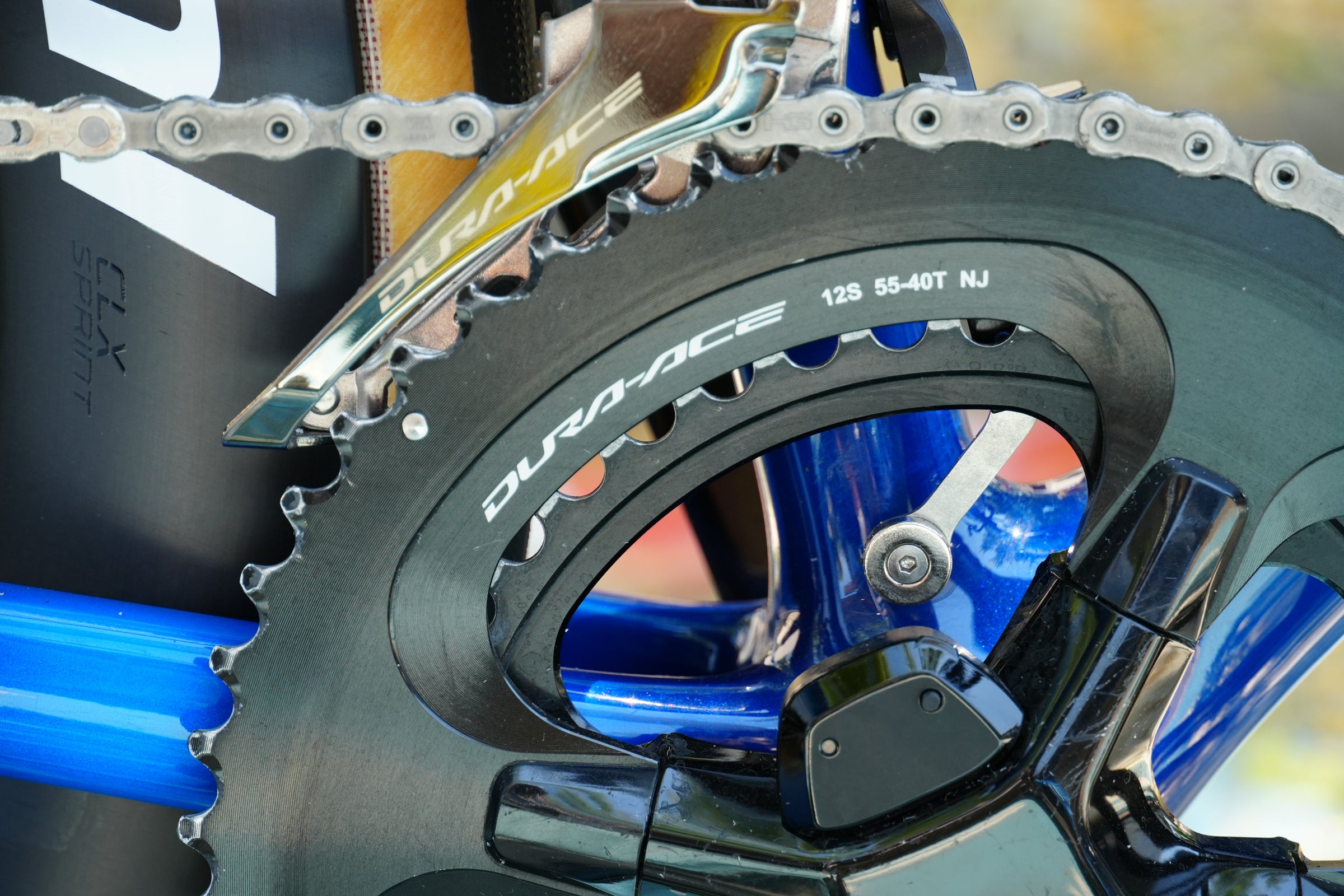 More really big rings. (Photo: Logan Jones-Wilkins/Velo)
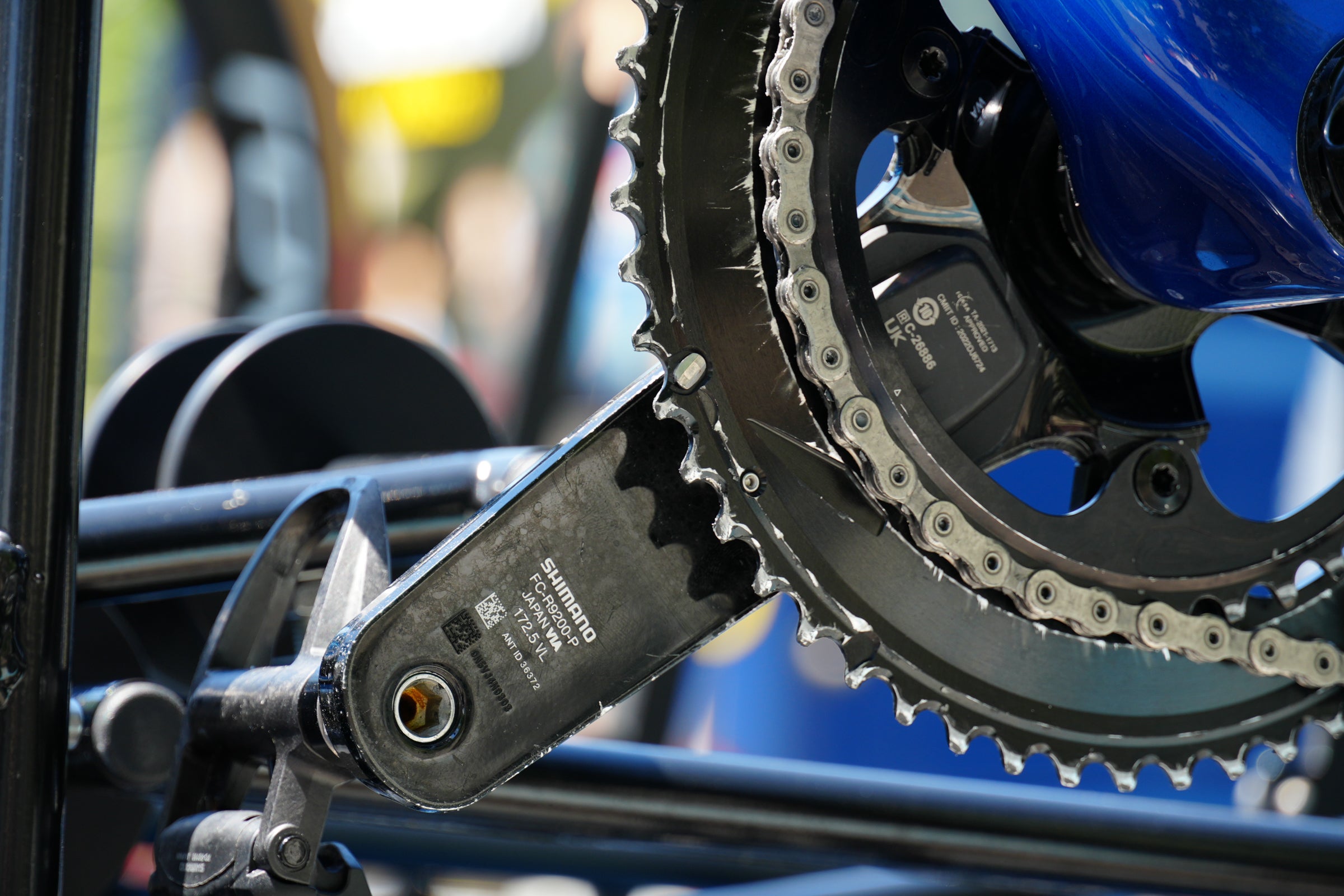 Interesting to note some of the wear on some of the Shimano chainrings. It is a good reminder that the Tour is halfway through a long, complicated season.
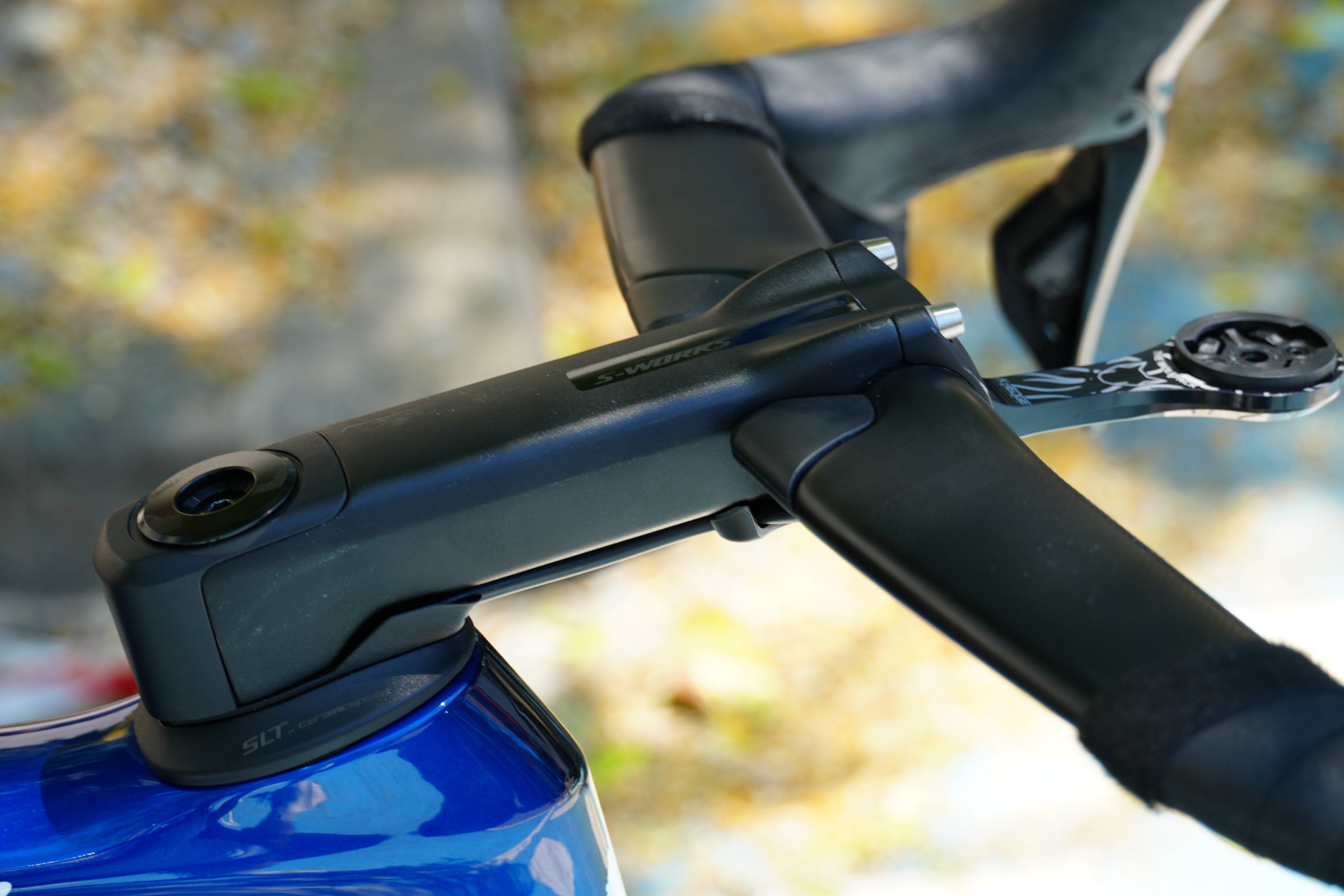 Valentin Paret-Peintre had an interesting setup as his stem was too long for the available one-piece bar stems. For the climber, this meant fit over flat-out speed. (Photo: Logan Jones-Wilkins/Velo)
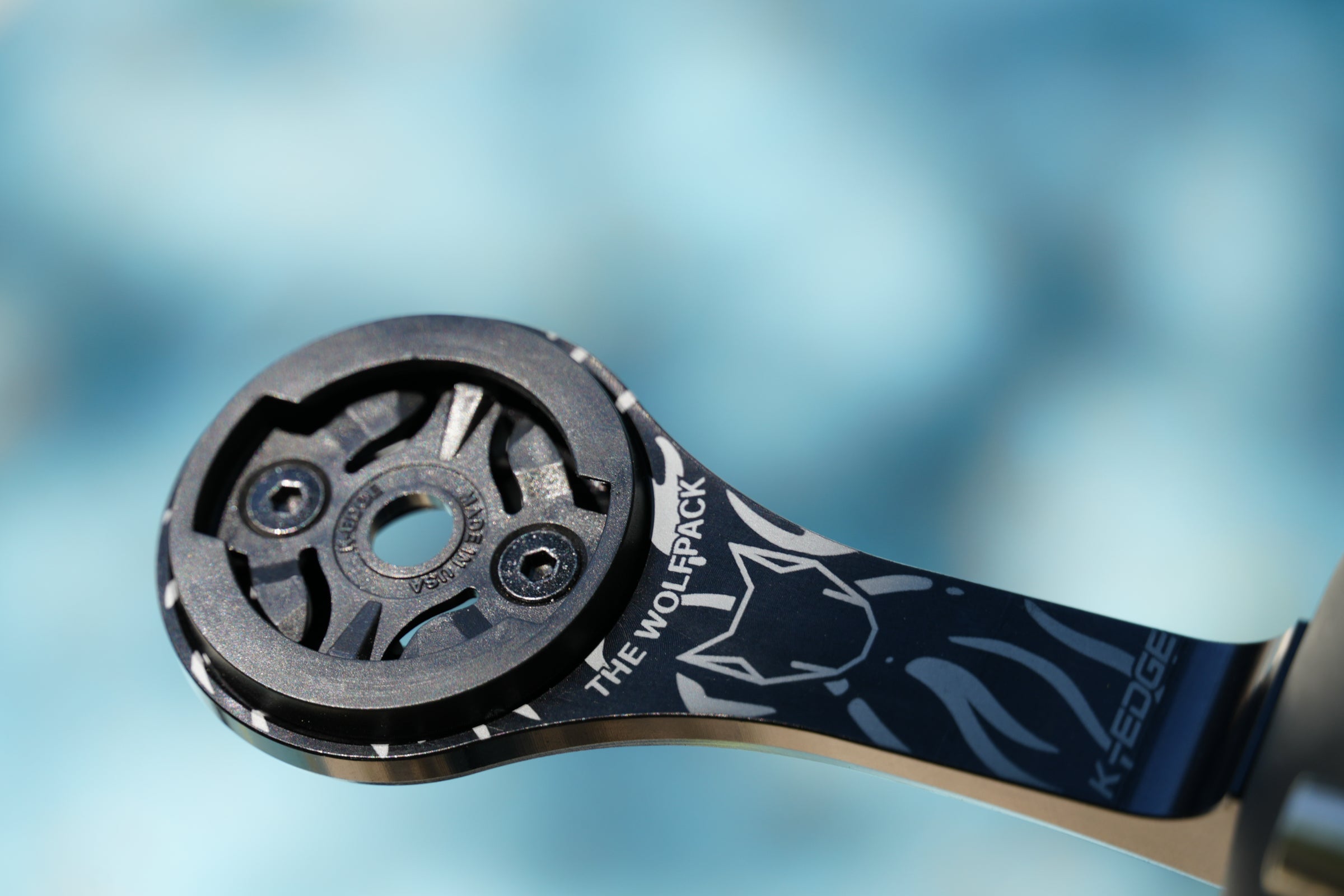 A great detail for the Wolf Pack from K-Edge. (Photo: Logan Jones-Wilkins/Velo)
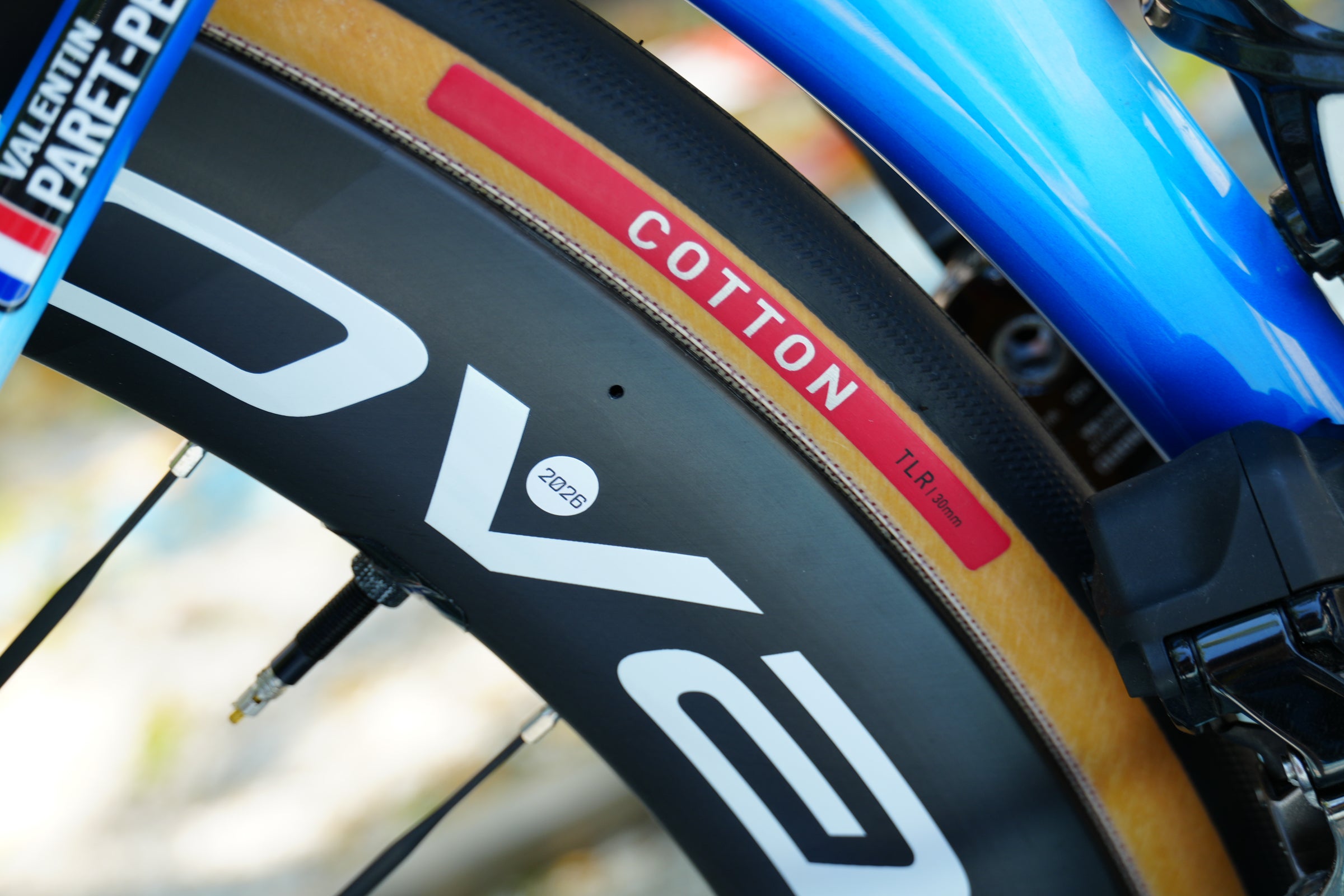 Last but not least, 30mm Specialized Cotton TLR for everyone! Broken in a ready-to-go. (Photo: Logan Jones-Wilkins/Velo)
Don’t miss a moment of the Tour de France. Get stage previews, insider recaps, and expert analysis from Velo delivered straight to your inbox with the Velo Tour Daily email newsletter.