
The battle over the proliferation of artificial intelligence across Australia’s music industry has now spilt out from the streaming services into the live scene.
Earlier this week, musicians playing at a popular Sydney venue were given a very abrupt reminder of the brave new world they now occupy when a support act reportedly took to the stage with an AI-generated performance.
Thousands across the well-loved Australian music scene are now up in arms at the prospect of real bands with real members unknowingly signing up to bills with AI-generated acts.
News.com.au spoke to several inside the industry this week to hear their thoughts on the rapidly changing landscape. Read more on that here.
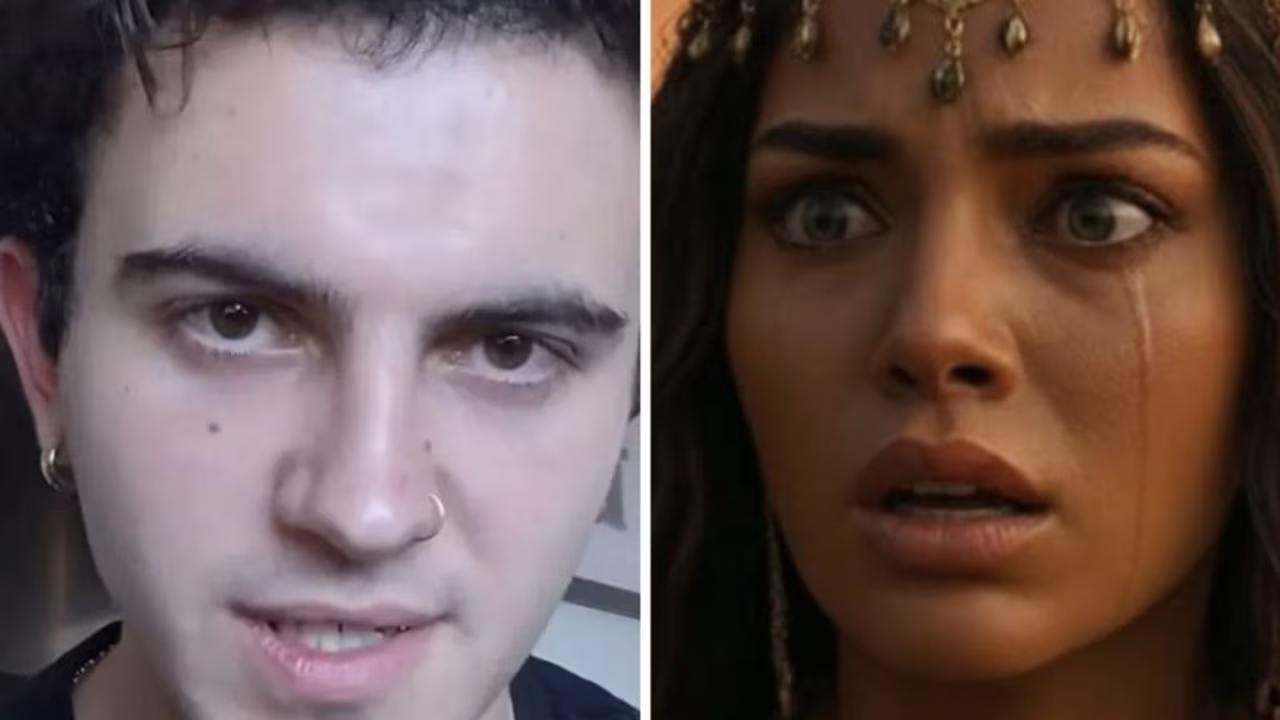
On Thursday, Aidan Sammut, guitarist from alternative band Defair, posted a now-viral video claiming it wasn’t disclosed that one of the acts on the line-up had used generative AI.
“Last night, I played a gig at Bootleggers in Newtown, Sydney, and the artist that played before us was AI-generated,” Sammut said.
His band had been performing as part of one of Bootleggers’ Mixed Bag nights, where line-ups are assembled by artist services agency Good Intent.
“The artists do not have control over the line-up,” he said.
“At no point was it disclosed to us that we would be playing with an AI artist.”
According to Sammut, nobody involved with the human acts was told an act with AI-generated performers had been booked. The act reportedly involves one man with two AI-generated band members that he has given personas.
He said another musician on the night realised something was off after looking through the performer’s Instagram account.
“The account contains AI-generated visuals over what I’m fairly certain is AI-generated music, lyrics and vocals,” he continued.
Sammut said there was also no indication on the event’s promotional material that the line-up included an AI-generated act.
“As a musician, it is a complete insult to be put on a line-up with someone who uses technology that can only exist because of the work of my fellow human musicians,” he said.
As AI-generated music floods streaming platforms at an breakneck speed, Sammut argues live venues have become one of the last places where audiences can be guaranteed they’re watching actual musicians.
That, evidently, has also changed overnight.
“There is no place for generative AI slop in the live music scene,” he said.
“The appeal of live performance is that it is raw, it is passionate, and it is human.
“AI music delivers none of this, while robbing genuinely talented human musicians of the opportunity to do so themselves.
“As this becomes more commonplace, venues are going to need to work harder to protect the very human artists that have kept patrons coming through their doors before the scene that keeps them alive dies off entirely.”
The video quickly spread through Australia’s independent music community, prompting a response from Good Intent’s founder, who accepted responsibility for the booking while insisting neither the agency nor Bootleggers knowingly booked AI-generated music.
“I’ll take full responsibility. I didn’t look at this particular artist’s socials,” the statement said.
“Their representative described them to us as a ‘producer’ who used ‘live vocals’ in their sets.”
Good Intent said the performer had been booked through another agency and initially appeared legitimate.
“This person was booked through an agency. I hadn’t seen them live, but now looking at their socials – their content is clearly and blatantly AI.”
He stressed the booking did not reflect the values of either organisation.
“Good Intent and Bootleggers have never knowingly, and will never, book people who use AI to generate music.”
He said Good Intent was founded to support emerging musicians, while Bootleggers had long been regarded as a launching pad for new artists.
“For those who don’t know us, Good Intent is passionate about supporting and doing the right thing by real artists.
“We run a yearly initiative called GREATER GOOD. Likewise, Bootleggers has long been a place where new and emerging artists play their first shows, develop their skills, and connect with their audience.”
Much-loved gig-tracker Sydney Music.net replied to Sammut’s video, saying AI-generated artists were an “insult” to other musicians on the same bill.
“Would love to know how this happened,” the official account posted under the video.
“Under our No AI policy, we wouldn’t have listed this show on the gig guide as we would not ever want to point punters to a slop-powered set, even if it is only one off the acts on the lineup.
“As Aidan says, it is an insult to the rest of the artists booked on the bill.”
Copyright storm erupts
It comes as several of Australia’s musicians draw a thick line in the sand when it comes to big tech.
From rusted-on pub heroes to ARIA darlings, artists are ramping up their fight against what they view as one of the biggest threats the industry has ever faced.
At the centre of the battle is a deceptively simple question: Should AI companies be allowed to train on Australian music, books, films and journalism without asking permission or paying for it?
The answer, according to a growing coalition of Australia’s creative industries, is a very loud no.
They argue the country’s existing copyright laws are already fit for the AI era, requiring technology companies to negotiate licences before using Australian creative work.
Weakening those protections, they say, would shift billions of dollars offshore and could fundamentally change who owns Australian culture in the age of cheap replication.
Read more here.
Read related topics:Sydney