
“It shows that, while progress has been made, UNESCO remains unconvinced that Australia is doing enough to secure the future of the Great Barrier Reef,’’ Dr Schindler said.
“UNESCO has repeatedly identified climate change, water quality, land clearing and fisheries management as key threats to the Great Barrier Reef’s long-term survival. While governments have made progress in some areas, significant gaps remain.
“The Australian and Queensland governments may point to avoiding an ‘In Danger’ listing as proof they are doing enough, but the truth is that one of the world’s greatest natural wonders remains under international scrutiny because their efforts are not adequate to secure the Great Barrier Reef’s future.
“Coral reefs are just too important for the world to lose. They comprise just 1 per cent of the ocean area, but are responsible for 25 per cent of marine species. Reefs are the most productive parts of the ocean, like rainforests on land, and Australia is custodian of the world’s largest. We have the Amazon of the oceans in our backyard and we need to treasure it.
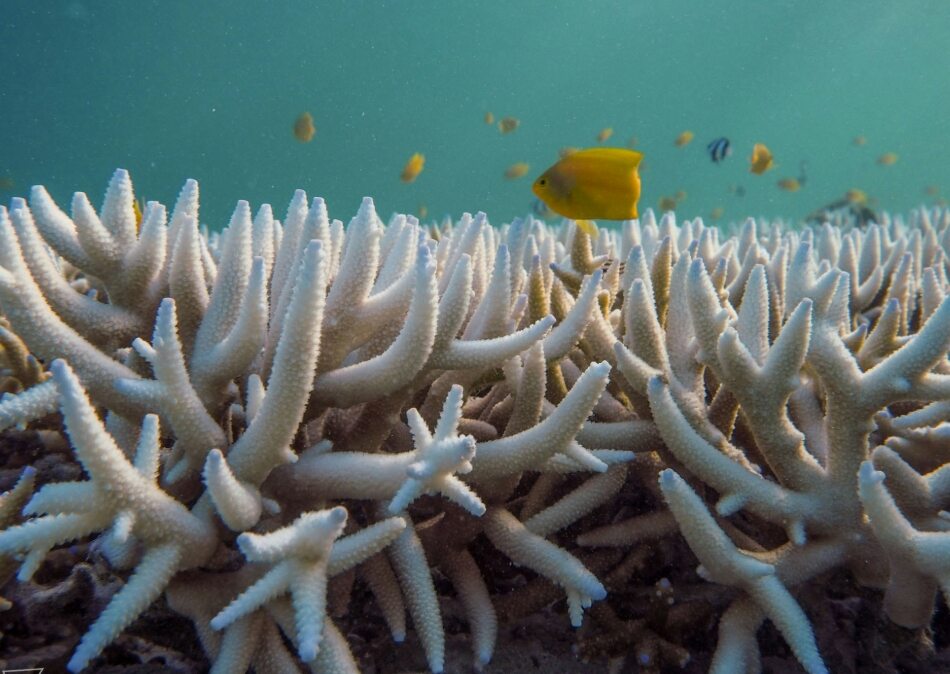
“Climate change remains the biggest threat to the Great Barrier Reef, with increasingly frequent marine heatwaves causing six mass coral bleaching events in just the past decade.
“The Australian government has at least increased its targets for cutting greenhouse gas emissions, but at the same time it continues to approve new coal mines and gas drilling and the country remains one of the world’s largest exporters of fossil fuels.
“Meanwhile, the Queensland Government, the joint manager of the Reef, has no plan to achieve its legislated 75 per cent emissions reduction target, and continues to push coal-fired power generation while renewable energy projects are blocked or shelved. This is the opposite of what the Reef needs.’’