


As populations grow and people live longer, demand on the health care system grows too. Photo: iStock.
Australia’s healthcare system is facing a challenge that cannot be solved by simply building more hospitals or training more clinicians.
The future of Australia’s healthcare system will depend on our willingness to innovate while remaining focused on what matters most: ensuring every Australian can access high-quality healthcare when and where they need it. It should be about whether our healthcare system is ready for the future.
Australia’s population continues to grow, and Australians are living longer than ever before. That is something to celebrate. However, it also means more people are living with chronic disease, requiring ongoing care and placing increasing demand on a health workforce that is already under pressure.
The question is not whether demand for healthcare will increase. It already has.
The real question is whether we are prepared to deliver care differently.
For decades, healthcare has largely been built around treating illness once people become unwell. While this model has served us well, it is becoming increasingly difficult to sustain. Rising healthcare costs, workforce shortages and increasing demand mean that continuing to do more of the same is unlikely to deliver better outcomes.
Australia needs to think differently about where, when and how care is delivered.
Digital health offers one of the greatest opportunities to improve access without compromising quality. Virtual models of care allow clinicians to support patients regardless of where they live, reducing travel, improving convenience and helping healthcare professionals reach more people.
For regional and remote communities in particular, digitally enabled care can help address longstanding inequities in access to specialist services.
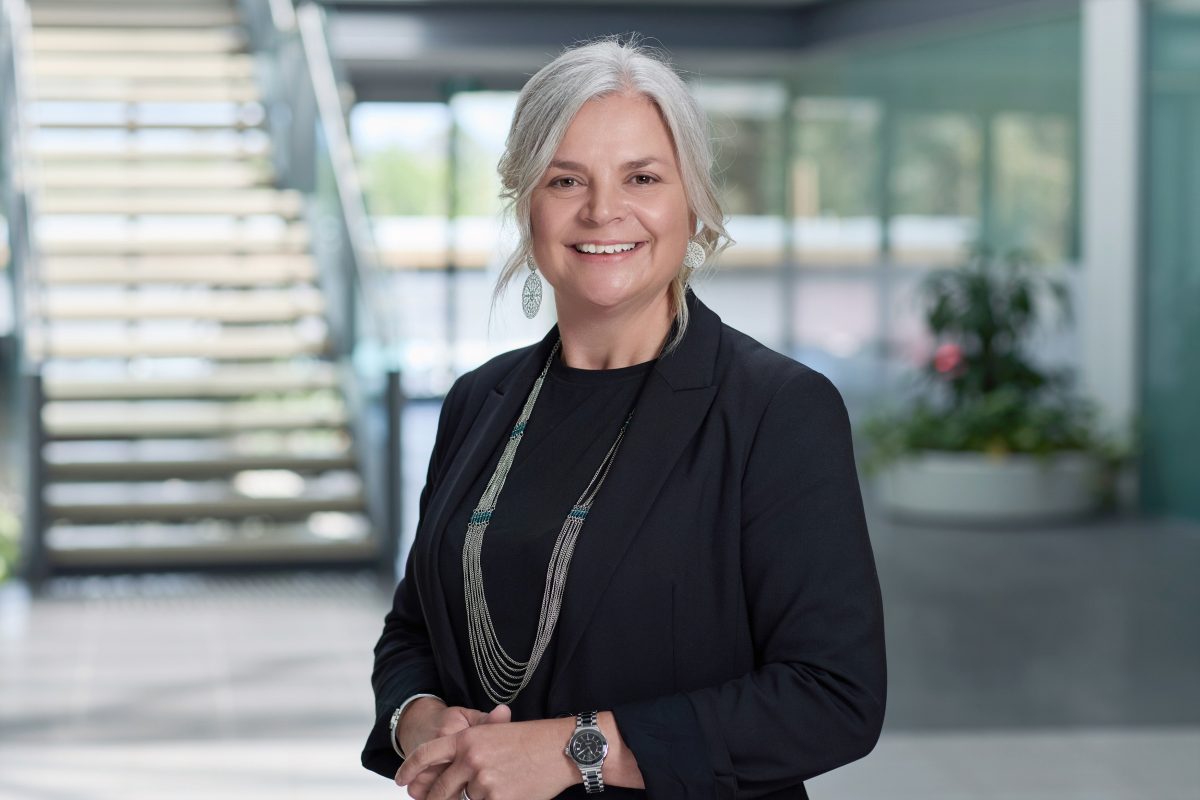
Aspen Medical Chief Medical Officer Dr Katrina Sanders says the future of Australia’s healthcare system will depend on our willingness to innovate while remaining focused on what matters most. Photo: Aspen Medical.
Artificial intelligence has an equally important role to play.
Public discussion about AI often focuses on automation, but its greatest contribution to healthcare may be its ability to support earlier intervention.
AI has the potential to identify patients at greater risk of illness, assist clinicians in making more informed decisions, and enable increasingly personalised care. Used responsibly, these technologies can help shift healthcare from treating disease to preventing it.
Technology, however, is only part of the solution.
Healthcare will always rely on skilled clinicians exercising judgement, compassion and expertise. Digital tools should strengthen clinical decision-making rather than replace it. Their success depends on robust governance, appropriate regulation, and the maintenance of trust with both clinicians and patients.
Preparing Australia’s healthcare system for the future also requires continued investment in our workforce. Technology can improve productivity, but it cannot replace the nurses, doctors, allied health professionals and support teams who deliver care every day. Building workforce capability and embracing innovation are complementary priorities, not competing ones.
Australia has an opportunity to lead in developing healthcare models that are more accessible, more efficient and more resilient. The choices we make today will determine whether future generations inherit a health system capable of meeting growing demand while maintaining the quality of care Australians rightly expect.
World Population Day reminds us that healthcare is ultimately about people. As our population grows and our needs become more complex, our responsibility is not simply to provide more care. It is to provide better care.
The future of Australia’s healthcare system will depend on our willingness to innovate while remaining focused on what matters most: ensuring every Australian can access high-quality healthcare when and where they need it.
Dr Katrina Sanders is the Group Chief Medical Officer at Aspen Medical. Dr Sanders is renowned for her expertise in strategic healthcare management, particularly in challenging and dynamic environments.