
Apart from pastizzi pastries, Malta’s food flies under the radar in Australia. But the fascinating cuisine, with many outside influences, could soon be making waves here.
 Save
You have reached your maximum number of saved items.
Remove items from your saved list to add more.
AAA
Afternoons in Malta are marked by a ritual: a cup of tea enjoyed with a date biscuit and a pastizzi pastry. “The cup of tea comes from England, the pastizzi you have from Malta, and then you have the dates from the Middle East,” explains Oscar Wassilieff, who runs The Original Pastizzi Company with wife Melissa in Melbourne. “And it’s all in the same meal! For them, it’s just normal.”
Thanks to centuries of invasion and outside rule, Malta – which sits between Sicily and north Africa in the Mediterranean – has one of the most eclectic cuisines of the world, incorporating southern Italian, Middle Eastern, north African, Greek, Turkish and British influences.
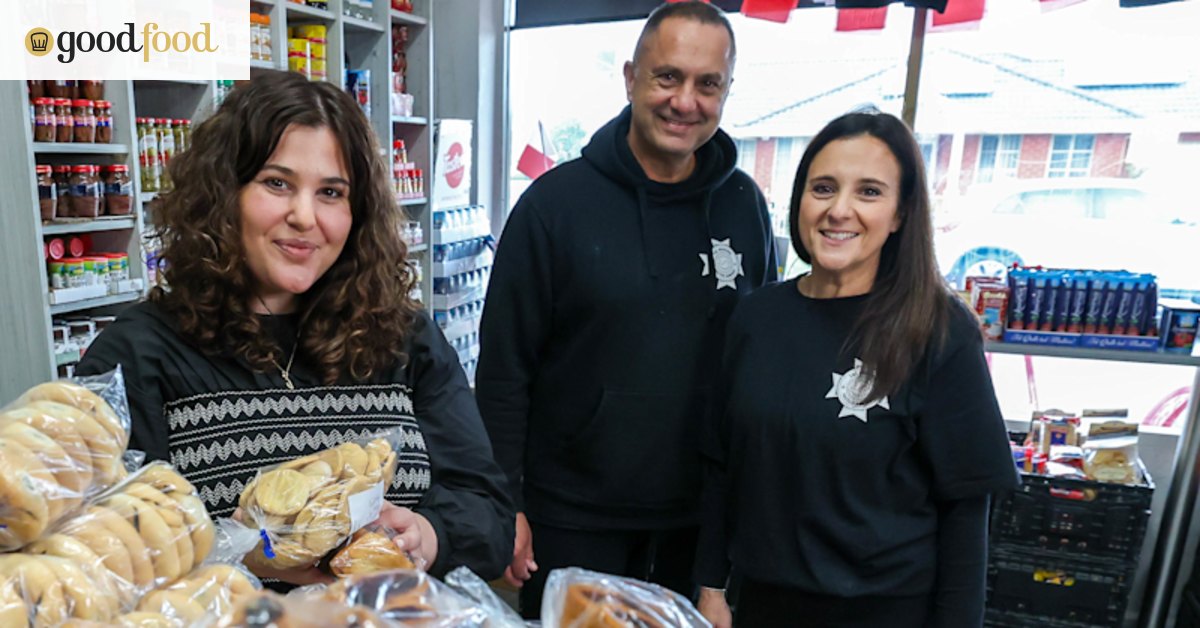
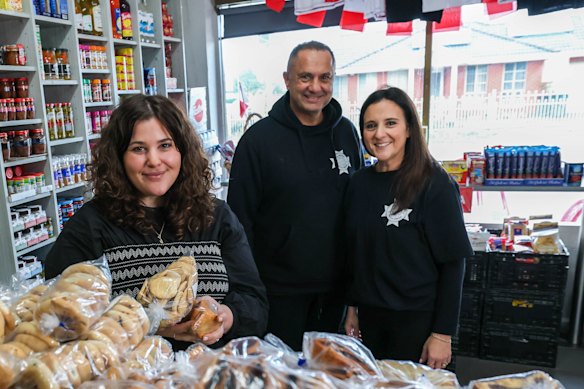 Julia Busuttil Nishimura with Oscar and Melissa Wassilieff of The Original Pastizzi Co. in Sunshine North.Joe Armao
Despite this fascinating mix and the many similarities to Italian cuisine, Malta’s food is mostly unknown in Australia outside communities of migrants, and had to find outside the home.
Cook and author Julia Busuttil Nishimura – whose parents both have Maltese heritage – believes tourism plays a big role. “While I think it’s changing, I do still get asked where Malta even is,” she says, whereas about 750,000 to 1 million Australians holiday in Italy each year.
Bec and Matt Polidano bought retail business Maltese Foods Australia from its original owner three years ago, partly to try to preserve the cuisine in Queensland. “[Matt] was very worried that we would lose access to Maltese food if she sold it,” says Bec Polidano.
Restaurant reviews, news and the hottest openings served to your inbox.
Sign up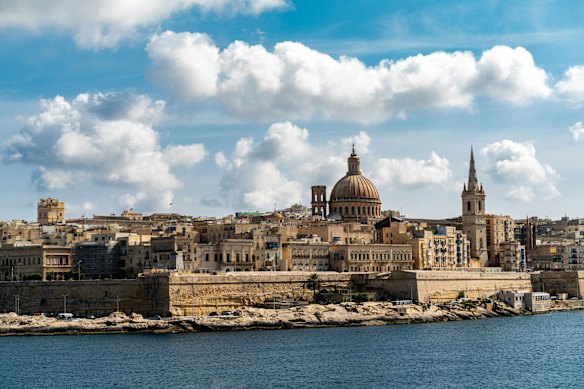 Malta’s Mediterranean island climate is attracting more tourists each year.
“Whenever I tell anyone that we run this business, they’re like ‘what’s Maltese food?’” she adds.
But the cuisine might be moving into the limelight. At 2025’s Australian Open, The Original Pastizzi Company sold about 15000 pastizzi, the country’s ricotta-filled pastries, through Busuttil Nishimura’s stall. Tourism to Malta has soared by 125 per cent in the past 10 years, with just over 4 million visitors in 2025. And two weeks ago, celebrity chef Shane Delia posted a callout for a front-of-house manager of Maltese descent to help lead a potential new restaurant in Melbourne.
Could Maltese food soon be making waves outside the community?
It’s not underappreciated, it’s just undiscovered
There are nearly 200,000 people with Maltese ancestry living here, according to 2021 Census figures. That’s fewer than the 1.1 million with Italian roots but close to the 248,000 people with Lebanese ancestry.
Yet, there are few places to eat Maltese food in Australia aside from pastizzi shops, ethnic clubs or the family dinner table. Restaurants that do serve Maltese dishes often intersperse them with other Mediterranean items.
Oscar Wassilieff says the cuisine’s low-profile goes back to the first migrants who came to Australia post-World War II. Italian and Greek migrants often opened restaurants when they arrived in Australia whereas the Maltese – who more commonly spoke English due to British rule – were more likely to get white-collar jobs with large companies.
“The food started falling aside,” he says.
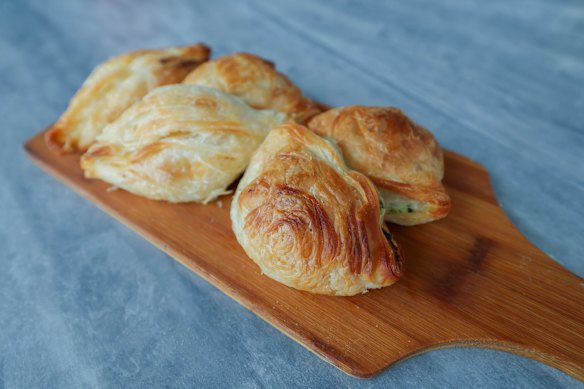 1 / 12Pastizzi are traditionally filled with ricotta cheese or split peas.Joe Armao
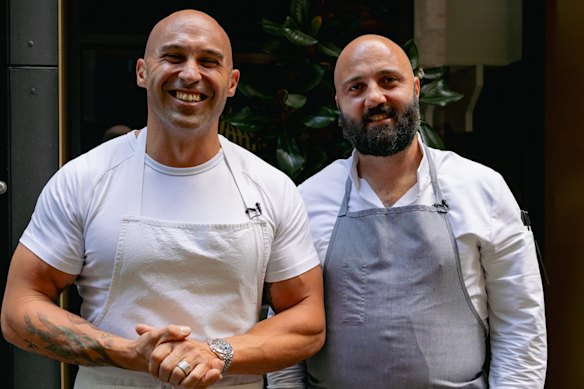 2 / 12Melbourne chef Shane Delia and Maltese chef Jonathan Brincat from Noni cooked together in Melbourne in March. Supplied
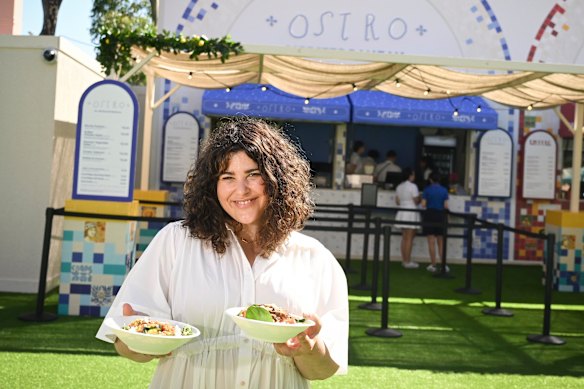 3 / 12Julia Busuttil Nishimura outside the Ostro stall at the 2025 Australian Open, where she sold pastizzi.Eddie Jim
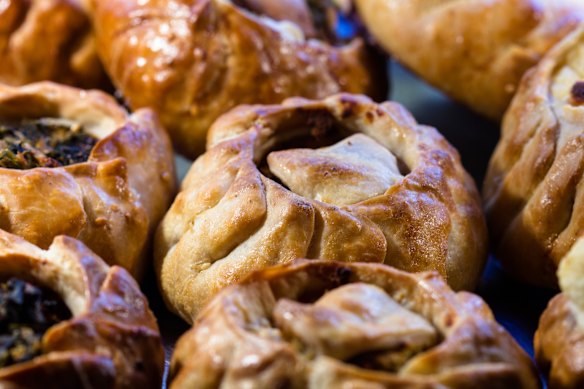 4 / 12Qassatat, shortcrust pastry pies filled with ricotta and spinach or split peas.Getty Images/iStockphoto
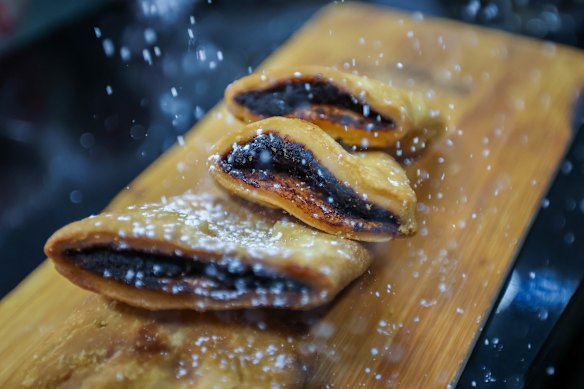 5 / 12Imqaret, the date-filled pastries, sold at Original Maltese Pastizzi Co in Melbourne.Joe Armao
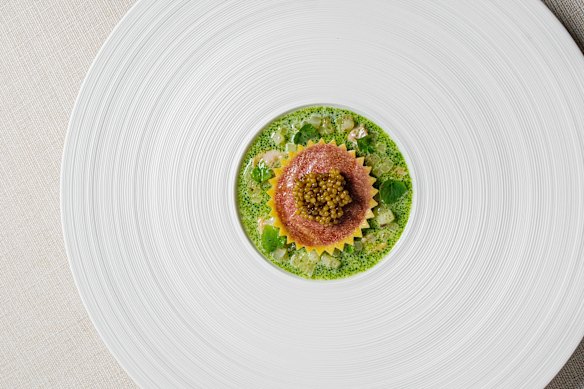 6 / 12Noni restaurant’s raviolo, made with ricotta, beetroot, clams and caper berries.Supplied
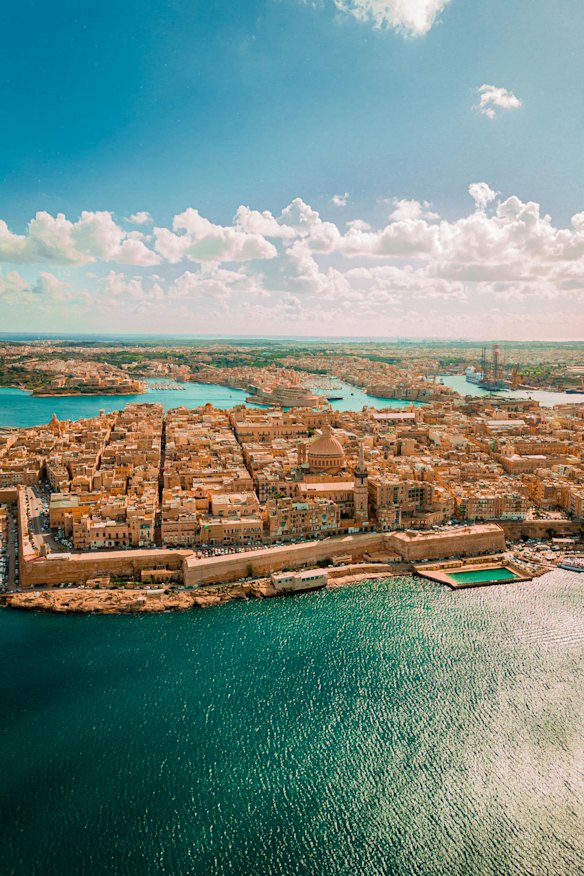 7 / 12Malta’s capital, Valletta, is steeped in history.Supplied
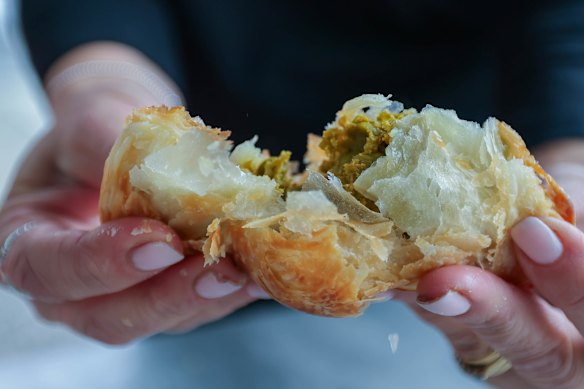 8 / 12Split pea pastizzi are a legacy of centuries of British colonial rule.Joe Armao
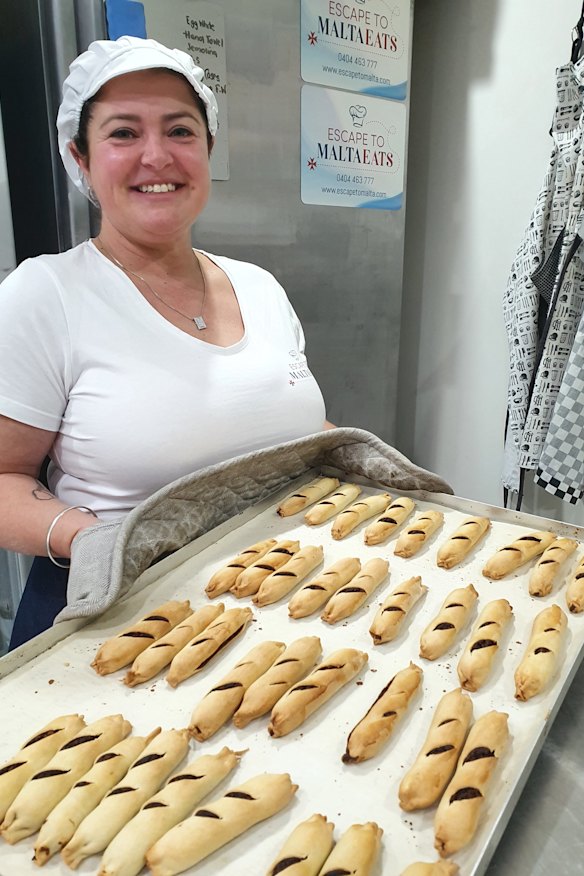 9 / 12JoAnne Conti, who makes traditional Maltese pastries for her Sydney business Escape to Malta Eats.Supplied
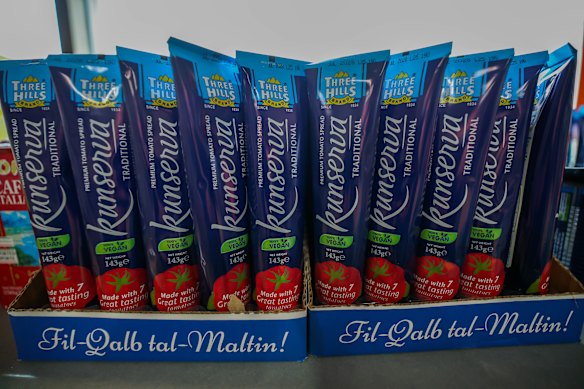 10 / 12Malta’s tomato paste, kunserva, sold at Melbourne shop The Original Pastizzi CompanyJoe Armao
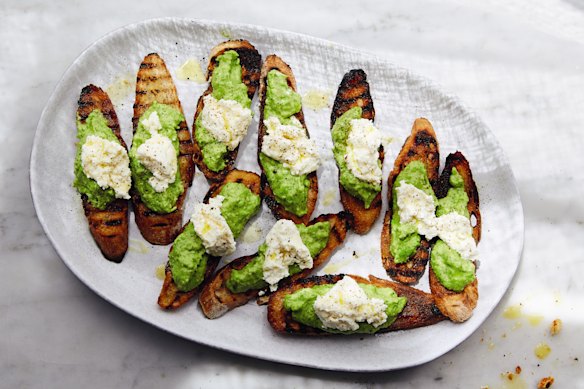 11 / 12Julia Busuttil Nishimura included a recipe for bigilla, Malta’s broad bean dip, in her book A Year of Simple Family Food.Armelle Habib
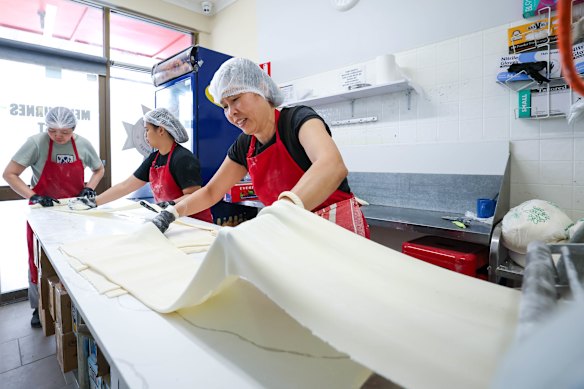 12 / 12Dough being rolled into thin sheets at The Original Pastizzi Co in Melbourne’s Sunshine North.Joe ArmaoPrevious SlideNext Slide
Busuttil Nishimura remembers cultural life revolving around the Maltese Club when she was growing up in Adelaide, rather than restaurants or public events.
It may have spent decades in the shadow of other Mediterranean cuisines but Malta’s food is slowly crossing cultural boundaries. When Oscar and Melissa Wassilieff first took over The Original Maltese Pastizzi Company in 2014, their customer base was 80 per cent Maltese. Now it’s closer to 40 per cent, with the rest spread between Greek, Italian, Middle Eastern and Asian communities.
Delia has begun posting Maltese recipes regularly on his Instagram, drawn from old cookbooks handed down through the family. Along with news of his SBS travel show, Shane Delia’s Malta, that aired last summer, these posts attract hundreds of proud comments, many with Maltese flag emojis.
“The core of the cuisine is beautiful; it’s steeped in history and trade,” Delia says.
It’s far more than just pastizzi
Asked to name a few quintessential Maltese dishes, JoAnne Conti, who makes Maltese products for her south-west Sydney business Escape to Malta Eats, rattles off dozens. They span the broad bean dip bigilla, the fish soup aliotta, sweets, cheese, pasta, and more.
“There’s more to Maltese food than just pastizzi and bread,” she says.
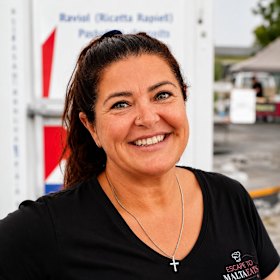 JoAnne Conti of Escape to Malta Eats, a food distributor and manufacturer, in Sydney.
Even pastries go far beyond the shell-shaped pastizzi most people know. Round pies known as qassatat hold similar fillings but are made with shortcrust pastry. You can also find sweet qassatat, but there’s a whole world of other sweet pastries and biscuits, many heavily influenced by the Middle East and North Africa. The latter is just over an hour away by plane.
For Busuttil Nishimura, vegetable dishes are Maltese through and through. In Malta, her family grew eggplant, zucchini, tomatoes and more on a plot in the countryside and then used them in a variety of dishes including one of her favourites, stuffed marrows or qarabaghli mimli.
Rabbit stew, every Maltese agrees, is the national dish and goes by the name stuffat tal-fenek. Chef Jonathan Brincat, who runs Noni, one of Malta’s first restaurants to gain a Michelin star, says rabbit is nearly always on his menu.
Qassatat, shortcrust pastry pies filled with ricotta and spinach or split peas.Getty Images/iStockphotoMaltese food is just as Mediterranean as Italian
Pasta is popular, olives add salty hits to sauces and sandwiches, pastries run the gamut from sweet to savoury, bread is always on the table. The links between Maltese and Italian food are undeniable.
Tomatoes are king; Malta even has its own preserved tomato paste, called kunserva. Basil and parsley are common. Ricotta is used liberally. There are several dishes that almost share the same name: rolled-up slices of beef called bragoli (braciole in southern Italy), the baked pasta timpano (timballo in Italian), ricotta-filled kannoli (cannoli).
Related Article
There are Maltese evolutions, though. Malta’s timpano is sometimes encased by pastry, a dish described by Brincat as “carbs over carbs over carbs”. Ravjul (sounds like ravioli) are a king-sized variation on Italy’s filled pasta squares, with no egg in the dough.
Head of Good Food’s Sarah Norris says her Maltese nunna (grandma) regularly made imqarrun il-forn, a less grandiose version of the pastry-covered timpano. “The recipe calls for curry powder – nunna used Keen’s – which adds a rich, aromatic edge. It really illustrates Malta’s history as a trade hub.”
Other Mediterranean influences are seen in stuffed vegetables (beloved in Greek cuisine), sesame-crusted rings of bread (similar to Turkiye’s and Greece’s), dips made with stale bread, and octopus soups and stews.
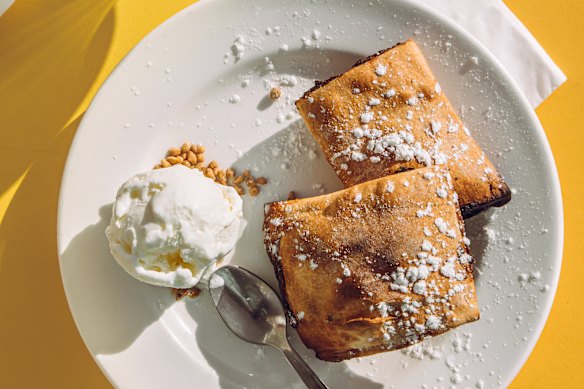 Imqaret, Malta’s date-filled pastry squares, are sometimes served with ice-cream.Getty ImagesBut it’s also very Middle Eastern, and a little bit British
The first sweet bite you’ll try on the street or in someone’s home will probably be imqaret: a diamond-shaped pastry filled with date and aniseed. From the ingredients to the spelling, it’s clearly a byproduct of centuries of Arabic influence in Malta.
The country also makes helwa, a sesame-paste sweet similar to halwa, and many desserts fragrant with clove, rosewater and aniseed.
“The language contains so many words that are Arab-influenced,” says Busuttil Nishimura.
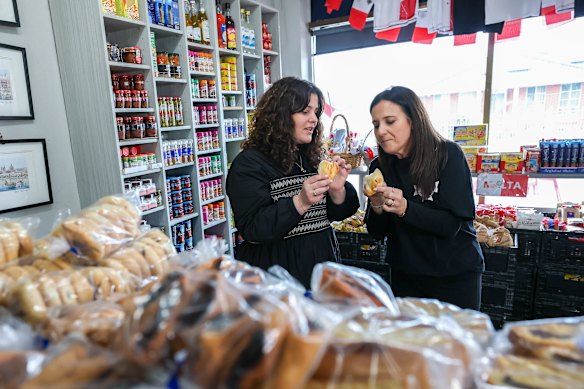 Julia Busuttil Nishimura and Melissa Wassilieff enjoy a pastizzi at The Original Pastizzi Co in Melbourne.Joe Armao
Malta’s last foreign rulers before independence in 1964 were the British, which explains pastizzi filled with split peas, the Worcestershire sauce and corned beef in supermarkets, and the strong tradition of drinking tea.
One dish, puddina, perfectly sums up Malta’s ability to amalgamate outside influences. Stale bread is soaked in milk and mixed with cocoa, almonds, dried fruit and spices to make a jazzed-up bread and butter pudding.
Bread is treated like a religion
It’s been recognised by UNESCO as an important cultural item. Duran Duran’s bassist John Taylor reportedly raved about it during the band’s 2008 tour. Jonathan Brincat says it’s Malta’s “holy grail”. Bread is more than a daily staple in Malta.
“We say if you have tomato and bread, you have a meal,” says Brincat.
Il-ftira, the UN-recognised bread, is round like a doughnut but flatter, soft inside and dark crusted. Then there’s hobz ti malte, more like a cob loaf, made with sourdough, and sesame rings, with a little spice and sugar in the dough. Leftover bread becomes stuffing for vegetables, squid and more.
It can be given the fine-dining treatment
Brincat’s Michelin-starred restaurant, which serves tasting menus featuring kaponata and other key Maltese dishes, is proof of the changing perceptions of Maltese food. Brincat has sought out fishermen, cheesemakers and farmers for specific ingredients that preserve food traditions. Delia has been watching closely and says this is just the tip of the iceberg. “We’re in the renaissance of Maltese cooking. In Malta, there’s so much happening.”
He’s returning in September to look at other fine-dining restaurants, perhaps for a Maltese venue of his own in Melbourne.
Noni restaurant’s raviolo, made with ricotta, beetroot, clams and caper berries.
Melissa and Oscar agree there’s potential for a restaurant that reinterprets tradition.
“I see the way some of the dishes are plated up in Malta, and they’re gorgeous,” Melissa says. “We could do that here. Make it a bit modern but still keep true [to the traditions].”
Five key Maltese dishes to try
Hobz biz zejt – Translates to bread with oil, but there’s much more loaded onto crusty bread. Kunserva, Malta’s tomato paste, is essential. Common toppings include capers, olives, red onion and tuna. “It’s the flavours of the island,” says Busuttil Nishimura.Ravjul – Half-moon pasta pockets, a little thicker than Italian ravioli and larger in size, are filled with ricotta or the Maltese cheese ġbejniet and served with tomato sauce.Rabbit stew – The national dish, often served with pasta, involves wild rabbit slowly braised with onion, garlic, tomato and red wine. One theory says eating rabbit was a way of resisting the rule of the Knights of St John (1530-1798) who banned rabbit hunting.Pastizzi – Malta’s most famous export is a common sight on the streets of every town and village. Each flaky pastry is traditionally filled with ricotta, or split peas.Imqaret – Everyone agrees these date-filled pastries are best eaten piping hot from the fryer. In Australia, it’s more common to buy them pre-packaged but in Malta, Busuttil Nishimura and Brincat like to eat them hot with ice-cream and perhaps honey.
Save
You have reached your maximum number of saved items.
Remove items from your saved list to add more.
 Emma Breheny – Emma is Good Food’s Melbourne eating out and restaurant editor and editor of The Age Good Food Guide.From our partners