
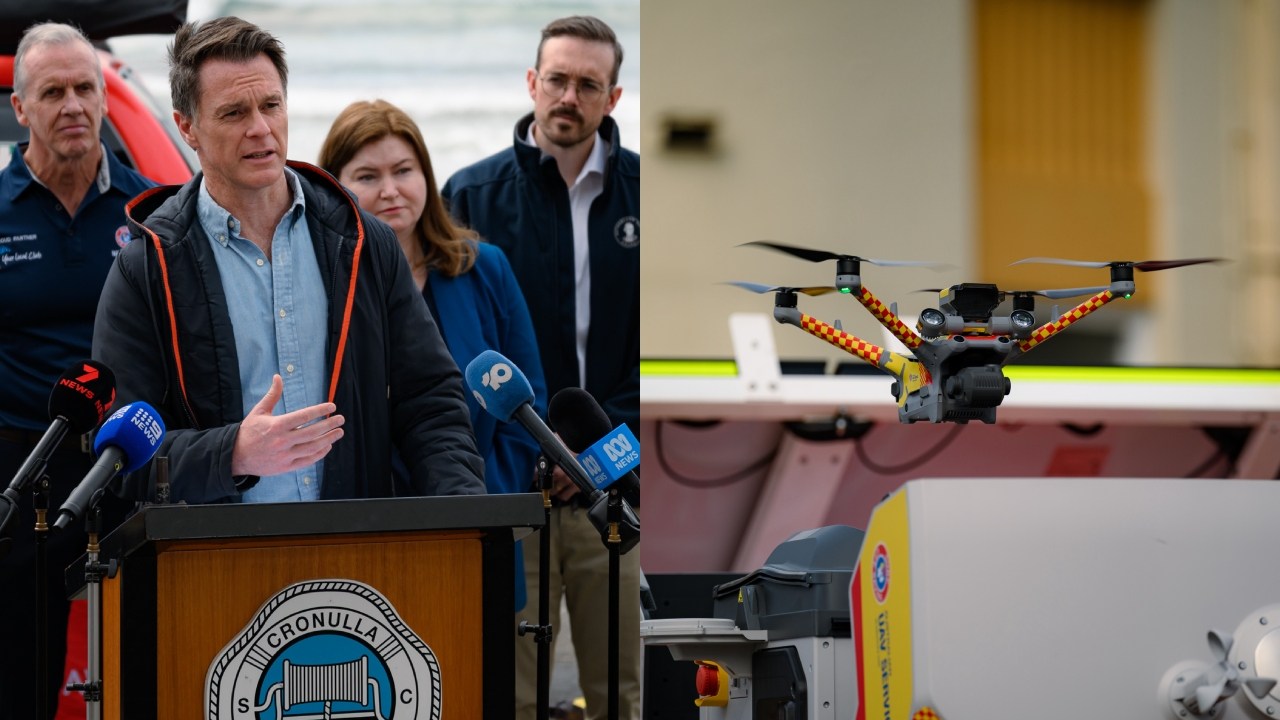
Cutting-edge shark detection technology is being expanded across NSW to keep beachgoers safe, but fears remain about the growing number of great white sharks in the state’s waters.
The NSW government late last month announced it would be investing an additional $34 million in shark-spotting drone technology following several serious incidents this year, including an attack last month in which teacher Leah Stewart, 35, was bitten by a great white shark while swimming in between the flags at Coogee Beach in Sydney’s eastern suburbs.
In January, four shark attacks occurred within 48 hours along the NSW coastline, including one that claimed the life of 12-year-old boy Nico Antic at Vaucluse.
Surf Life Saving NSW is expanding its use of the drone-in-a-box technology following the state government’s funding boost.
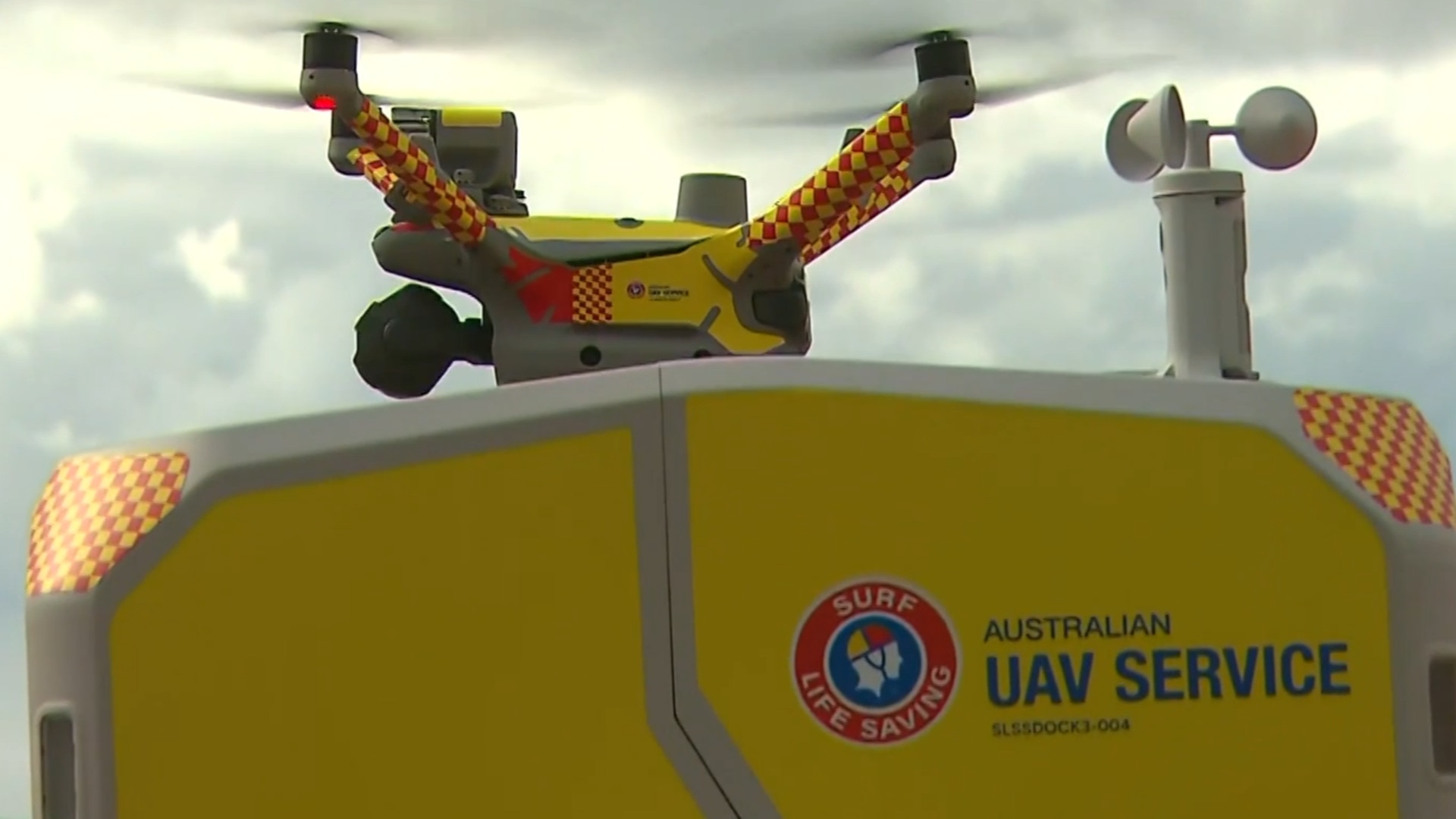
The remotely operated drones are designed to detect sharks before they reach swimmers, but questions remain over whether sightings should trigger beach closures.
The self-contained system is housed in a trailer and can be remotely operated from a control centre.
Surf Life Saving NSW Uncrewed Aerial Vehicle Service Manager James Bassam said most beaches will still have drone pilots on the ground.
“There is so much value in that – engaging with the community, having that presence on the beach, having that local knowledge as well,” he said.
“The locations we’re scaling up and adding that layer on top with the Drone in the Box – they’re planned out and strategically placed to provide that layer on top – around the headlands where maybe an (onsite) pilot can’t reach visually.”
The drones are built to operate in the rain, extreme heat and moderate winds of up to 43km/h – allowing shark surveillance to continue even when conditions are less than ideal.
Their commercial-grade cameras allow trained pilots to identify specific species, in particular great white, bull and tiger sharks.
“Pilots are trained on how to identify the silhouettes, fins, features, shapes of the head of those species as well,” Mr Bassam told Sky News.
If a pilot spots a shark, they can then contact local lifeguards there before collaboratively making a decision as to whether the beach should be closed.
Hunter Shark Jaw Restoration owner Joel Nancarrow said there needs to be clear guidelines for surf lifesavers and local councils on when beaches should be closed.
“Are they going to close them when the sharks are 50m or 100m or within swimming distance of people? They need to have the guidelines there,” he told AM Agenda host Laura Jayes.
The Newcastle fisherman said the government is likely relying on outdated data when making decisions about protecting shark species, arguing great white sharks have now matured and are breeding independently.
“The numbers are getting bigger every year. They’re getting easier to catch, and they’re getting closer to the beaches,” he said.
The NSW government has launched what it says is the world’s most expensive shark monitoring system after a series of shark attacks along the state’s coastline this year.
The additional $34 million in funding, taking total spending in its shark detection program to more than $120 million over the next two years, will go towards scaling up drone coverage, including harnessing artificial intelligence and emerging technology.
Under the expanded program, lifeguards will operate drones across 73 beaches.
Fifty of those locations will operate all year round.
The Opposition says it’s unfortunate the government only moved to expand funding after a series of tragedies.
The former NSW Liberals and Nationals government was the first in Australia to roll out shark surveillance drone trials.