
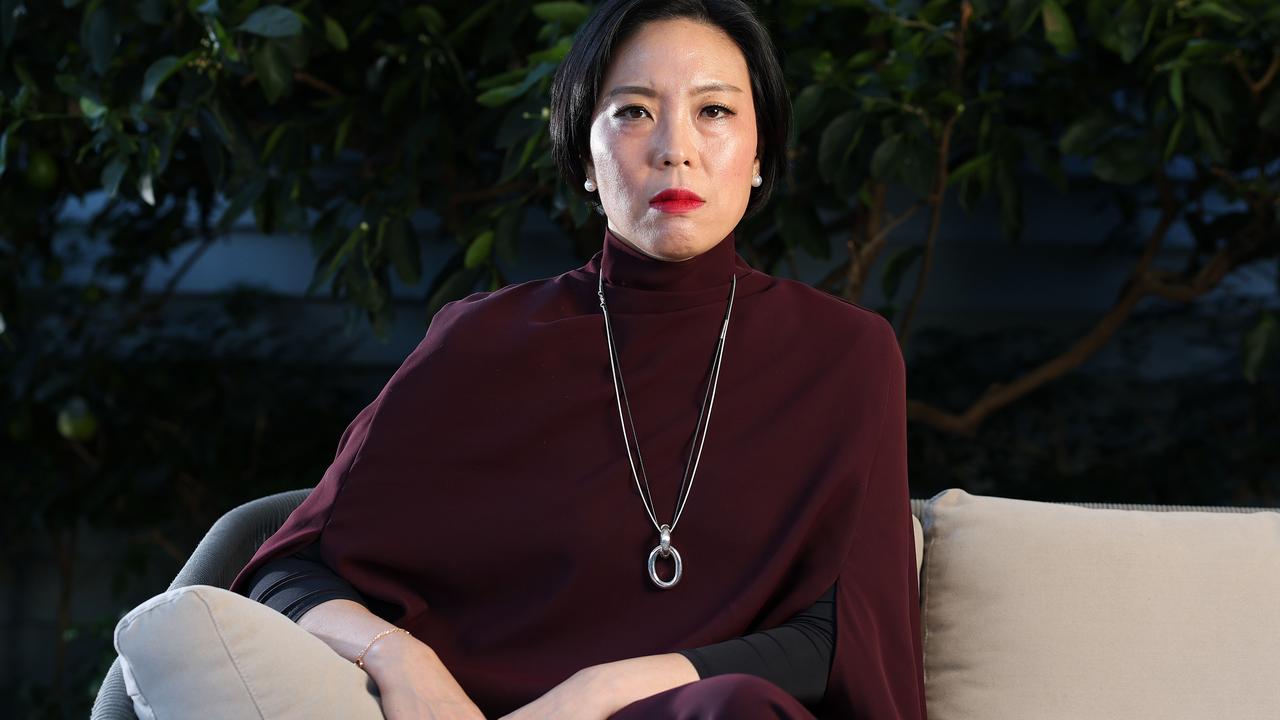
Junior doctors who are sexually abused or harassed by senior clinicians are too afraid to speak up and have no path to justice, a Queensland Health cancer doctor has warned.
Dominique Lee, who is the only known junior doctor in the country whose complaint led to a criminal conviction against their senior consultant and mentor a decade ago, claims that in 2026 the medical world lags behind all other industries in how they protect trainees.
She claims that junior doctors and registrars still remain too afraid to make complaints against high-level doctors who not only sign off on their career advancements but are often hospital money makers.
Shocking research Sexual Assaults on Doctors by Doctors from the Australian National University has previously shown how clinical supervisors who exposed genitalia, sent hundreds of sexual texts and performed frottage while the victim sutured a wound all escaped prosecution, while the accusers faced hurdles in their careers.
“Internal reporting just doesn’t work. There is too much imbalance of power and top doctors are treated like gods,” Dr Lee said.
“Sometimes the alleged victim is paid off or sent to another workplace to keep the peace.
“Compared to other industries there is not even an external hotline for victims to put forward their allegations.
“They remain silent and invisible.”
Dr Lee reported her assault directly to the police in Sydney rather than through internal hospital channels.
“That is the only way I felt the matter would be properly investigated and I would be treated as credible,” said Dr Lee, who continues to work as a radiation oncologist at Brisbane’s Princess Alexandra Hospital.
Her perpetrator Professor John Kearsley, the then director of radiation oncology at St George Hospital in Sydney, pleaded guilty to indecent assault and administering an intoxicating substance.
He was initially sentenced to more than two years in prison, later reduced on appeal to nine months, with the court citing his “extraordinary service to the medical profession”.
The Australian Medical Association Queensland’s (AMAQ) 2025 Resident Hospital Health Check revealed a jump from 13 per cent to 21 per cent in junior doctors witnessing or experiencing sexual harassment.
A third of the young doctors believed there was nothing they could do and only 34 per cent reported it.
“Let me make it clear that the majority of senior doctors are amazing leaders and mentors who would never take advantage of young doctors who are the future of medicine,” Dr Lee said.
“But the high rates of sexual harassment towards junior doctors within the healthcare setting highlights the imbalance of power.
“Harassment that goes unreported can sometimes lead to inappropriate encounters and even sexual assault.
“I took a chance by reporting my assault to police. It was a long and stressful road but I continued in my journey in medicine.”
For the first time, the AMAQ will launch a survey for senior medical officers alongside the annual Resident Hospital Health Check for junior doctors, which has been running for a decade.
The peak body wants to hear what the top doctors witness in their workplace. “We know junior doctors are reluctant to report workplace harassment by senior clinicians and peers,” AMAQ president Associate Professor Erica Gannon said.
“They tell us this every year, they fear their future careers will suffer and their colleagues may not believe them.
“This is even harder for female doctors who experience sexual assault by other medical and health practitioners.”
Dr Lee says that Professor Kearsley drugged her so she was blurry on all the details but the case heard that her mentor pulled up her shirt, unclipped her bra and sucked her nipples.
She had been drugged with benzodiazepines.
A spokesman from the Australian Salaried Medical Officers’ Federation Queensland told The Sunday Mail it had zero tolerance for sexual harassment and assault in the workplace.
“Queensland Health has a positive duty to provide a safe, respectful and inclusive workplace free from sexual harassment, sex or gender-based harassment, hostile work environments on the basis of sex or gender, and related victimisation.
“Queensland Health’s E5 policy recognises that sexual harassment and related conduct can include actual or attempted sexual assault, and that there are a number of internal and external pathways available to staff. It also recognises that workers may seek assistance from their union throughout these processes,” the spokesman said.
Queensland Health says they take allegations of sexual harassment and inappropriate conduct seriously.
“Queensland Health offers multiple pathways to report and respond to allegations of sexual harassment or inappropriate conduct, including formal and informal processes as well as support for workers to report matters to the Queensland Police Service or another external agency,” a spokesman said.
QH has established a statewide sexual harassment contact officer (SHCO) network, which is available on a face-to-face or online basis.