
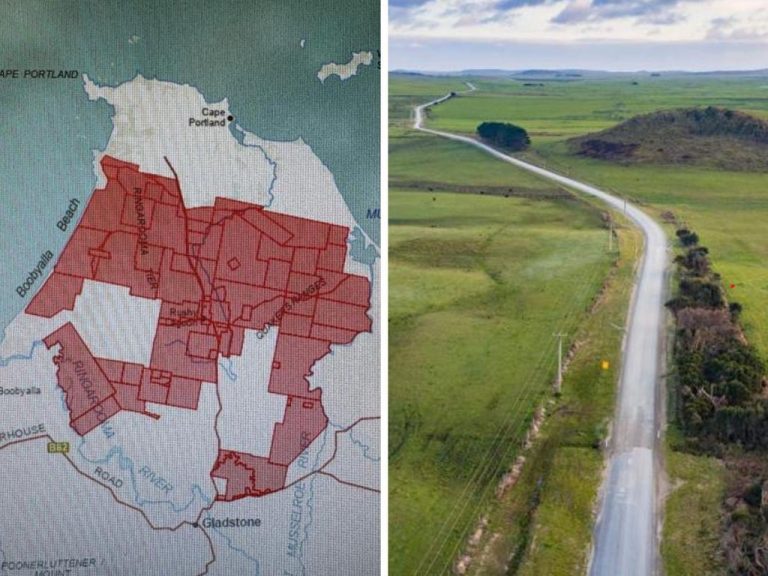
Tasmania’s biggest farm is officially set to fall into foreign hands, despite a desperate, last-ditch campaign by the state government and furious locals to keep it Australian.
The Albanese government has refused to intervene in the controversial $142m sale of Rushy Lagoon, sparking outrage that’s now colliding with a separate political storm over its housing scheme’s marketing in Mandarin and Arabic.
Federal Treasurer Jim Chalmers last week gave the green light for British forestry giant Gresham House to acquire the 21,744-ha property, making it bigger than some countries, including Fiji, Vanuatu and Lebanon.
The sale is expected to settle in early August, a bitter pill for TasFarmers and the Tasmanian government, who have vehemently opposed the deal.
MORE NEWS
Foreign investors eye Aus farm bigger than 38 countries
Greyhound track sold for nine times its official value
Aussie island plans A-list revival
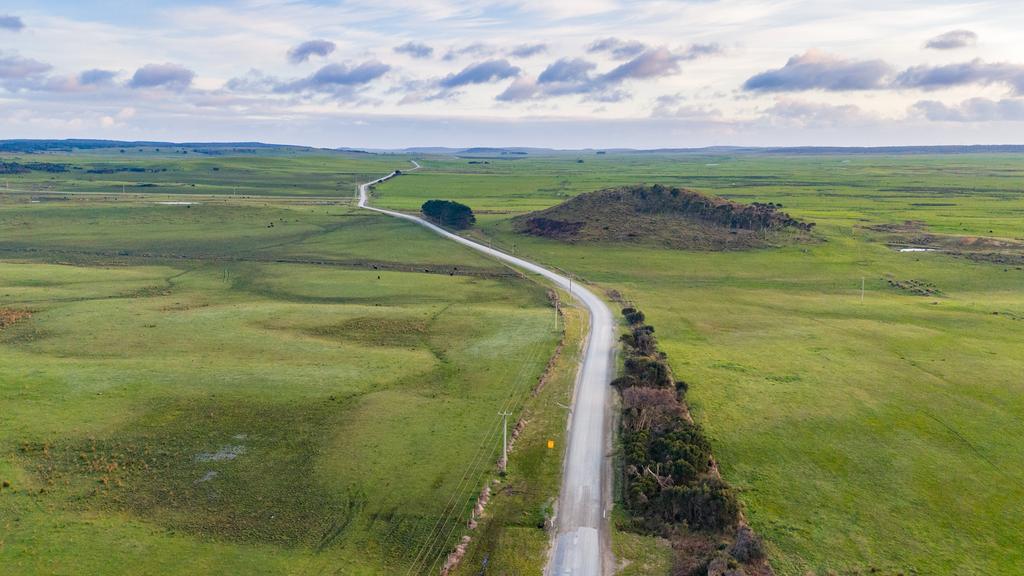
Tasmania’s biggest farm will fall into foreign hands after the Albanese government approved its $142 million sale, brushing aside a last-ditch plea from locals and the state government to keep the landmark property in Australian hands.
Acting Premier Bridget Archer didn’t hold back, slamming Canberra for its silence after the state begged Prime Minister Anthony Albanese to step in.
“We have heard nothing from the federal government, local federal representatives have been silent on this issue except to wash their hands of it and to say that nothing more could have been done,” Ms Archer told The Mercury.
“We do think it is a bigger issue than that and we are still calling on the federal government and the Prime Minister to intervene and prevent the sale of productive farmland to be lost into the future and be turned into tree plantations for carbon credits.
“We want to see this land continue to remain as productive farmland and productive agriculture, to grow our agricultural capacity here in Tasmania for future generations.”
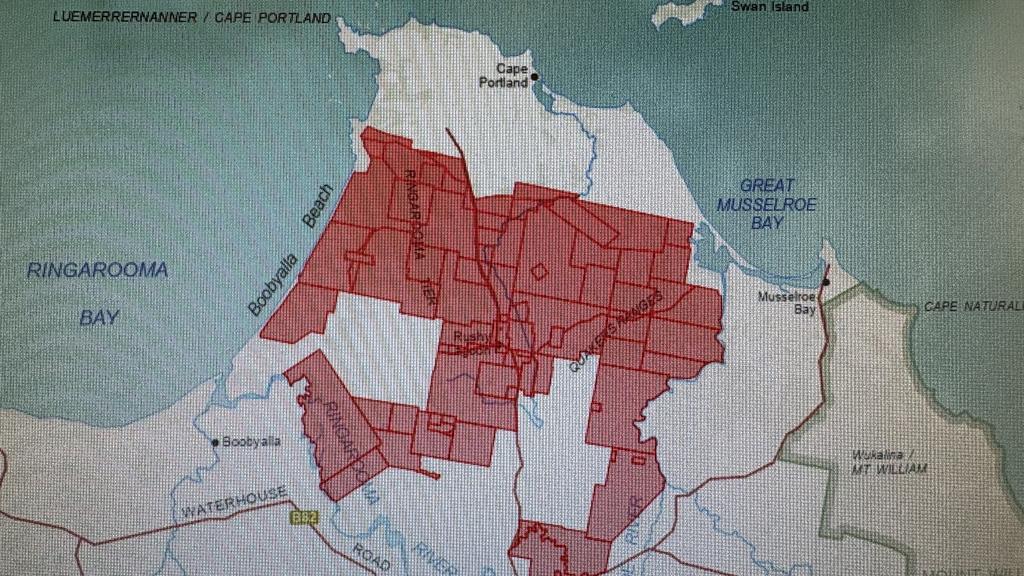
Map of Rushy Lagoon on the Land Information Service Tasmania website.
Gresham House plans a massive transformation, planting roughly 12 million radiata pine seedlings across 9000ha of the farm over the next five years, with an additional 1000ha for environmental plantings.
The timber, once mature in about 30 years, is earmarked for local milling to supply the building industry.
Planting will commence next autumn and be staggered.
However, local farmers have already raised serious doubts about Rushy Lagoon’s suitability for such extensive timber plantations.
A Gresham House spokesman defended the acquisition, insisting the property was “widely marketed to the agricultural sector on several occasions from 2018 onwards.”
He claimed the vendor, the estate of New Zealand farmer Allan Pye, “was unable to secure a sale at independently assessed market value.”
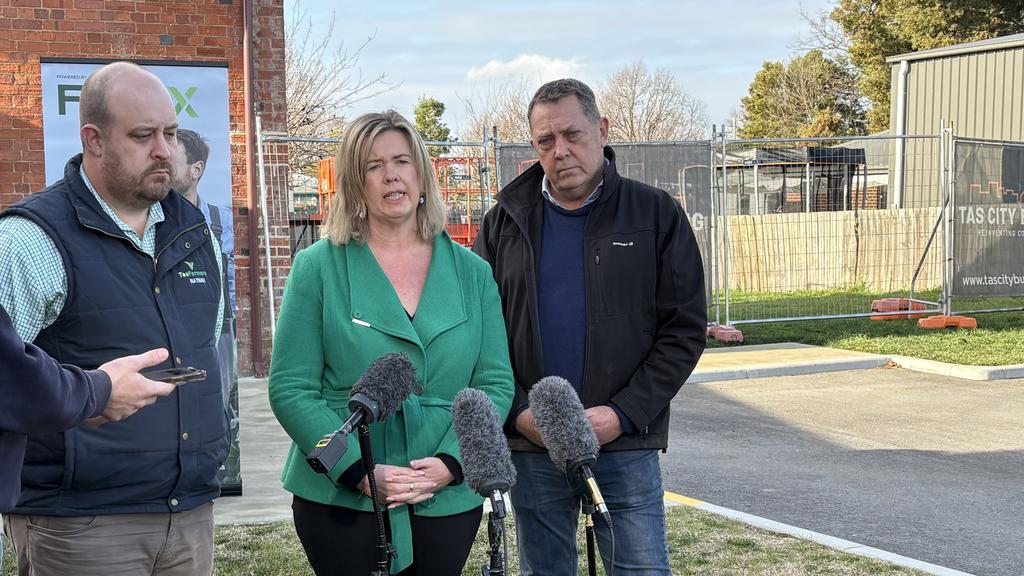
From Left: TasFarmers CEO Nathan Calman, Acting Premier Bridget Archer and Primary Industry Minister talk about the Rushy Lagoon sale on July 9.
Despite the forestry focus, Gresham House’s Tasmanian asset manager, Jono Craven, indicated some agricultural operations would continue.
Gresham House also projects the project will create 190 jobs over its lifespan, including contract planting, pest and weed control, and environmental surveys.
Critics, however, are questioning the specifics of these job creation claims.
The company is also exploring tourism opportunities, including converting farmhouses into accommodation and opening the property for tours and mountain biking, leveraging Rushy Lagoon’s “significant coastal landscapes.”
Housing scheme row explodes
The controversy lands at an awkward time for the Albanese government, which is already under pressure over a taxpayer-funded campaign promoting its 5 per cent deposit homebuyer scheme in Mandarin and Arabic.
The scheme allows eligible first home buyers to buy with a 5 per cent deposit, with the federal government acting as guarantor.
Labor expanded eligibility to permanent residents in 2023, but says temporary migrants are excluded and the ads comply with standard government communications rules.
That has done little to calm critics, who argue the campaign appears badly judged while housing affordability remains under severe strain and foreign ownership remains politically charged.
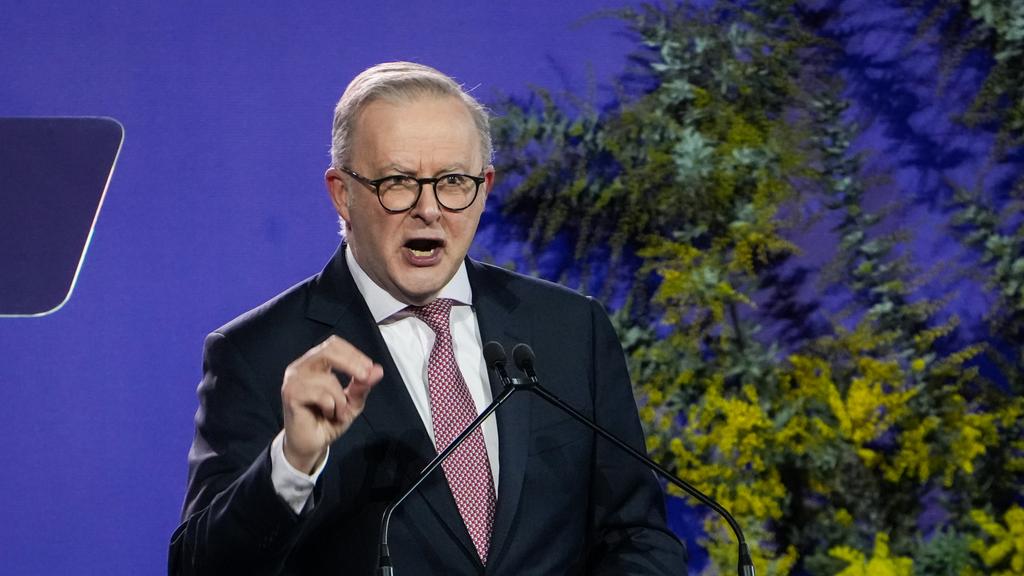
Australian Prime Minister Anthony Albanese has refused to intervene in the sale. (Photo by Asanka Ratnayake/Getty Images)
“The Albanese Labor government continues to work against the interests of the Australian people,” a One Nation Spokesperson told media.
“Promoting a housing scheme to foreigners in foreign languages does not help Australians secure affordable accommodation or help Australians to enter the housing market.”
A spokesperson for Housing Minister Clare O’Neil, however, defended the campaign, insisting the ads followed standard government protocol for information campaigns, which includes using languages other than English.