
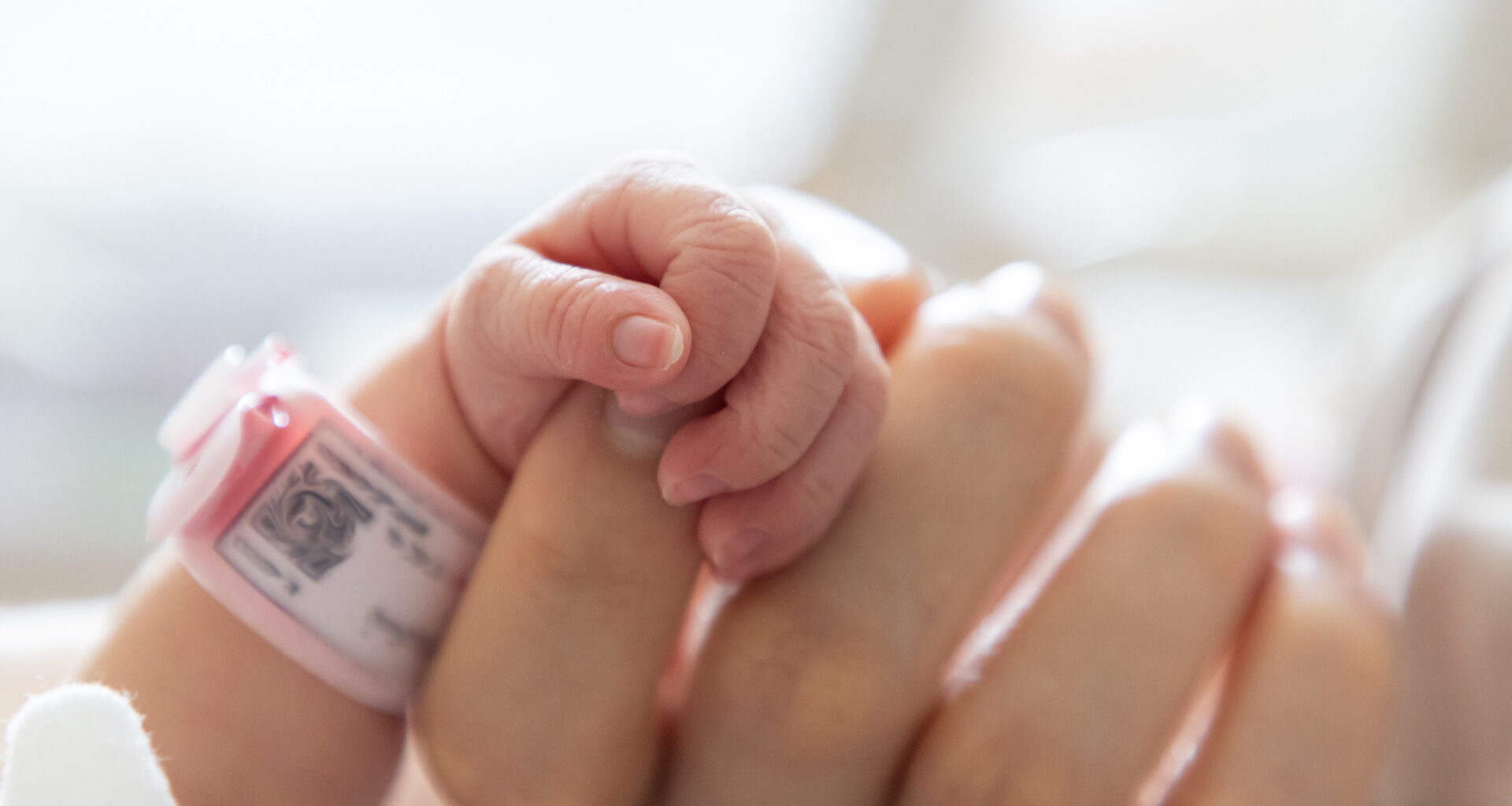
A new study has found that more than half of children born very preterm, before 32 weeks of pregnancy, were not ready to start school at age five.
By age seven, about half were still behind in writing and math, with many also trailing in reading and science.

The gaps open at the very start of a child’s education, when foundational learning skills begin to develop.
They point clinicians, teachers and policymakers toward the children most at risk, and toward a handful of early-life factors that could be changed.
Behind from the start
The research followed nearly 16,000 children born before 32 weeks in England between 2008 and 2012. It linked two national databases for the first time.
One held detailed records of newborn hospital care, the other the school results those same children earned years later.
Preterm birth is a leading cause of atypical brain development, yet its effect on early schooling has been thinly studied.
Professor James Boardman at the University of Edinburgh and his colleagues set out to change that.
Just over half the group missed the standard for school readiness at age five, a benchmark covering skills such as speaking, listening and early literacy.
That left them roughly 21 percentage points behind the national average for children that age. The shortfall carried into formal lessons.
Early birth, greater risk
By age seven, about half the children were below the expected level in writing and math, and roughly four in ten lagged in reading.
The earlier a baby had arrived, the steeper the disadvantage.
The pattern was starkest at the edge of survival. Among babies born at 23 weeks, close to nine in ten were not ready for school.
Even after accounting for other differences, children born at 23 or 24 weeks remained almost three times as likely to fall behind as those born at 31 weeks.
A double burden
The second thread running through the data was deprivation. Children from the poorest neighborhoods were far more likely to fall short than those from the wealthiest.
That gap held even after the researchers accounted for how early each baby was born and how sick. One measure stood out.
Children who qualified for free school meals at age five, a marker of low household income, were nearly twice as likely to miss expected levels.
That is a disadvantage on par with severe bleeding in the brain around the time of birth.
“One of the most striking findings was that social disadvantage had an impact on attainment comparable to severe brain injury,” said Dr. Cheryl Battersby at Imperial College London.
Poverty leaves a mark
She and her colleagues argue that untangling which parts of disadvantage drive the gap is now a priority.
The overlap between poverty and prematurity is not a new finding.
One study from the same team found that both how early a baby was born and the deprivation of its neighborhood were linked to measurable differences in the structure of the newborn brain.
Social hardship and early birth seem to act on the developing brain through separate routes.
Targets for change
Some of what the study measured cannot be undone. How early a baby arrives and whether it is a boy or girl are fixed, and boys were more likely to struggle than girls.
Other factors, though, are open to change. Smoking during pregnancy raised the odds of underachievement. So did formula feeding in place of breastfeeding during hospital care.
Babies fed only formula were about one and a half times as likely to fall behind at age five as those given breast milk. There are hints as to why milk might help.
Research from the same Edinburgh group found that preterm babies given more breast milk in their first weeks develop brains that look closer to those of full-term infants on later scans.
The nutrition seems to leave a physical mark on the brain’s outer layer. Serious medical problems during newborn care weighed heavily as well.
Factors that shape readiness
Brain injuries, along with the gut and lung conditions common in very small babies, carried some of the largest risks.
A steroid sometimes given after birth was also tied to worse outcomes.
The team cannot yet say whether the drug or the severe illness behind it is to blame. Timing of birth mattered in a more straightforward way.
Children born in summer, who start school almost a year younger than autumn-born classmates, were far more likely to fall short at age five.
That suggests a practical fix, letting some very preterm children start school a year later or giving them extra support when they do.
Beyond the classroom
The study makes one thing plain. For these children, trouble in school does not begin in school.
It is already visible at age four or five, in half of a large national group, before formal teaching has properly begun.
Adults born very preterm tend, on average, to end up with lower earnings and less secure work than peers born at term, as a study that followed one group from birth into their thirties has shown.
Early support matters
The disadvantage does not stop at school. Early gaps are one of the first points where that trajectory becomes visible and, in principle, changeable.
“The data revealed a very high burden of low attainment at primary school among children who were born preterm,” said Boardman.
He argues that improving these children’s prospects will take two things at once, action on childhood poverty and new ways to prevent the medical problems that follow early birth.
None of the risks identified in the study are inevitable. About one-third of the very earliest-born children met every expected developmental milestone, showing that a difficult start does not have to determine a child’s future.
Identifying modifiable factors, from smoking and infant feeding to the age a child starts school, points to places where better outcomes may be possible.
The study is published in the journal JAMA Network Open.
—–
Like what you read? Subscribe to our newsletter for engaging articles, exclusive content, and the latest updates.
Check us out on EarthSnap, a free app brought to you by Eric Ralls and Earth.com.
—–