
As Spain captain Rodri hoisted the World Cup trophy into the New York sky, the curtain came down on the biggest edition of the tournament to date.
Hosted in Canada, Mexico and the USA, much attention was focused on the latter, and like many things in the United States, the 2026 tournament was brash, bold and in your face.
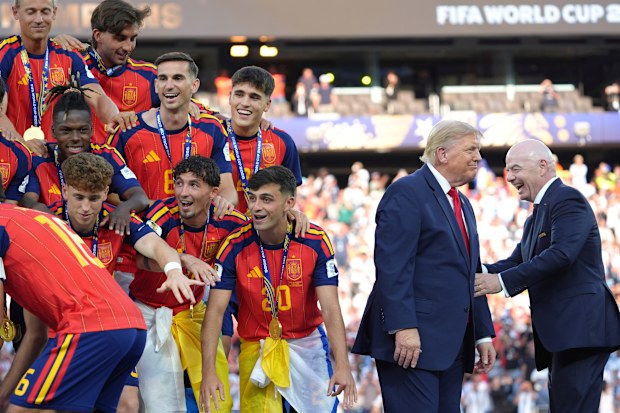
Donald Trump was never far away from the headlines at the World Cup. AP Photo/Jacquelyn Martin
This would be the case on the pitch, with 48 teams competing for the first time ever, and off the pitch, and the influence of US president Donald Trump never far away.
As the dust settles on the most unique World Cup in history, there are plenty of highlights to look back on, as well as low points that marred the tournament.
GoodExtended format gives lesser lights the chance to shine
The addition of 16 extra teams at this World Cup meant several countries were able to appear at the tournament for the first time ever or break long droughts.
However, there were concerns the bloated format could lead to blowout scorelines and several newcomers heading home with their tails between their legs.
These fears were largely unfounded, as several lesser lights held their own on the biggest stage of all.
Debutants Cabo Verde stunned the world by holding eventual champions Spain to a goalless draw in their opening match and managed to take defending champions Argentina to extra-time in their Round of 32 clash.
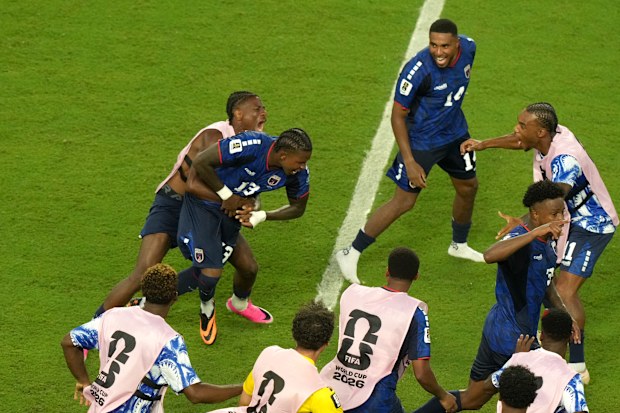
Cape Verde were one of the bright lights of the tournament on their debut. AP Photo/Marta Lavandier
DR Congo, in their first tournament in 52 years, also reached the Round of 32 and went close to pulling off a huge upset over England.
Fans of all nations come together
The World Cup is famous for being a melting pot of people from different backgrounds coming together in the name of football.
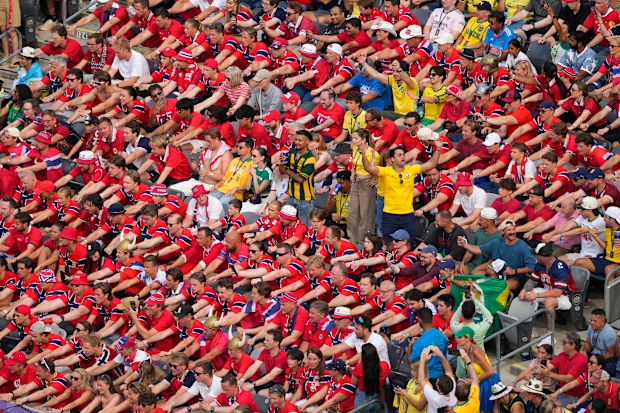
Norwegian fans perform viking boat row during the World Cup. AP Photo/Yuki Iwamura
The tumultuous climate in the United States threatened this atmosphere, but fortunately the tournament by and large overcame this.
Norwegian fans went viral for their ‘viking row’ in the stands and in celebration with their players on the way to their run to the quarter-finals, while Dutch fans turned the streets into a sea of orange singing and dancing to the “Links Rechts” song.
Fan sites were full to the brim with fans of different nations throughout the tournament, while most games were sold out, despite fears high ticket prices would keep fans away.
BadThird placed teething issues
As much as the extended format did allow for new nations to shine, it wasn’t completely flawless.
The biggest issue came with allowing several third placed teams the chance to qualify for the knockout stages.
Not only was there complexity of having 495 potential combinations for the Round of 32 as a result, but it led to some matches in the final match day of the group stage to fizzle out; the Socceroos’ 0-0 draw with Paraguay comes to mind, as both teams knew a draw would result in progression.
The new format left third placed teams in a weird limbo as they waited for the group stages to play out so they could see if they got one of the eight places into the knockouts.
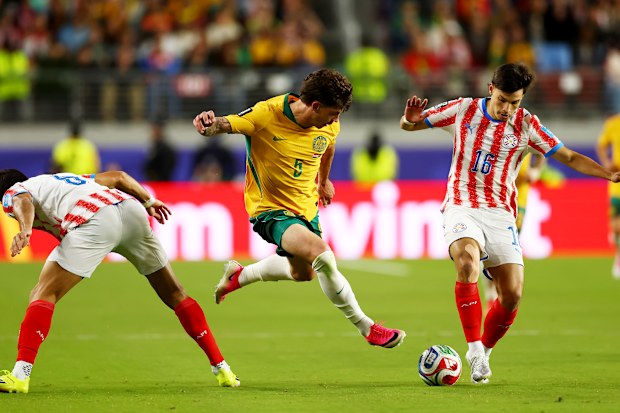
The Socceroos’ final group stage match failed to set the world alight. Getty Images
Teams like Scotland and South Korea were forced to remain at the tournament far beyond their last game, only to be unceremoniously eliminated.
Hydration breaks
Every match at the World Cup featured stoppages halfway through each half that were called hydration breaks, in an almost insult to the intelligence of football fans.
Some games played in the heat of the day probably warranted these. Many, including those at night or in air-conditioned and domed stadiums, did not.
The breaks, which were the thinnest of veiled excuses to include advertising breaks for FIFA and broadcasters, disrupted the momentum of matches and were unpopular with players and fans alike.
The only hope is that domestic leagues around the world weigh up the pros and cons of implementing such stoppages and opt against including them.
UglyFIFA overturns a red card on President’s order
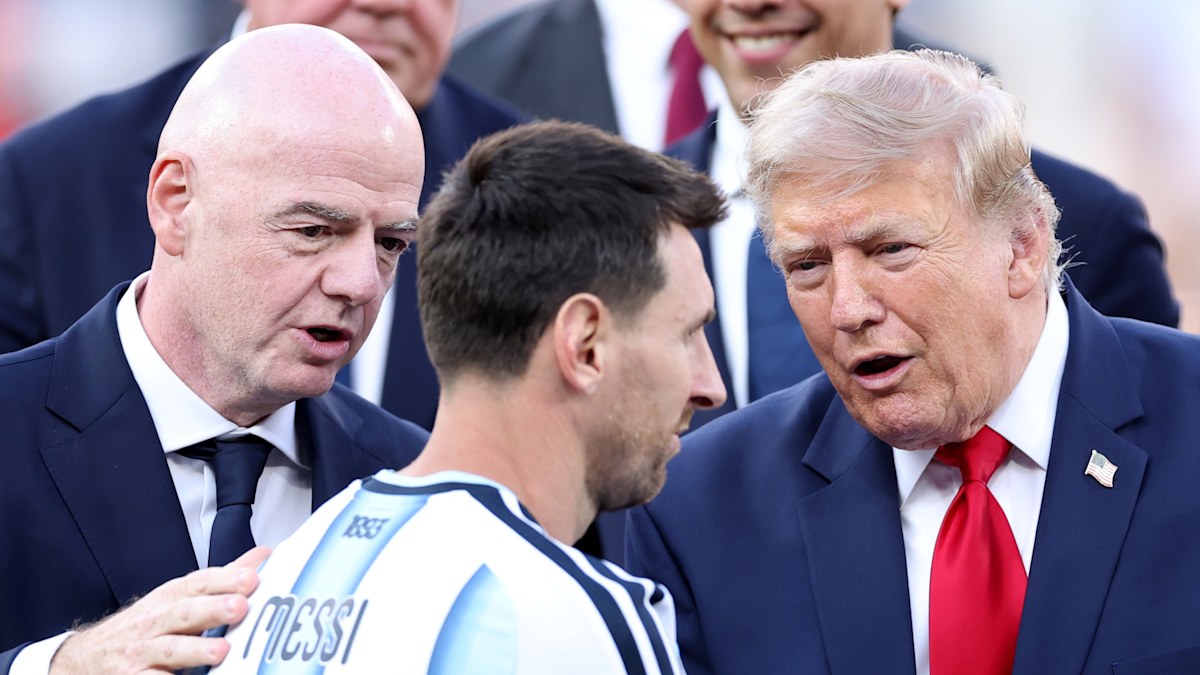
It was always going to be a matter of time before President Trump stamped his authority on the World Cup.
It came in the Round of 16 when he admitted he called on FIFA to overturn the red card for star USA striker Folarin Balogun.
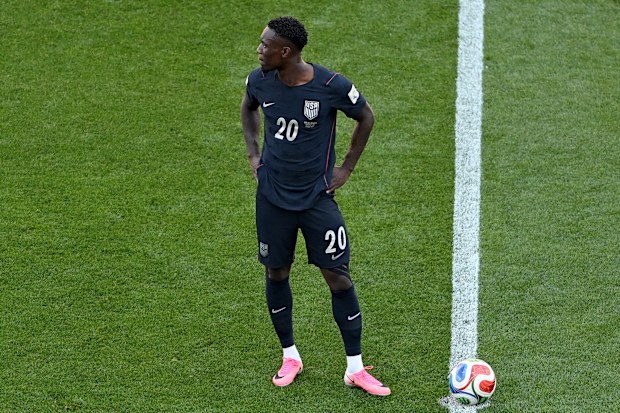
Folarin Balogun was thrust into the spotlight thanks to his country’s president. Getty Images
The player himself admitted it created a difficult situation for the team, and it ultimately backfired as they were trounced 4-1 by Belgium.
It reflected how much influence Trump has over FIFA President Gianni Infantino in the worst way possible and cast doubts over FIFA’s authority and neutrality.
What made it worse is that Trump appeared to suggest he didn’t even know what a red card was in the aftermath of the debacle.
It felt like a case of President Trump trying to make himself the main character, like when he awkwardly stood on the podium as Spain lifted the trophy.
Iran treatment
Iran played all of their matches at the World Cup in the United States, despite the two nations being at war.
They performed admirably given the circumstances, which saw them have to commute from their base camp in Mexico to the US for all of their matches.
It followed the controversy before the tournament, which saw several Iranian staff denied visas, and fans expressing their difficulty in being able to attend matches.
It was a sad reminder of how geopolitics and football, especially at the World Cup, can never truly be separated.