
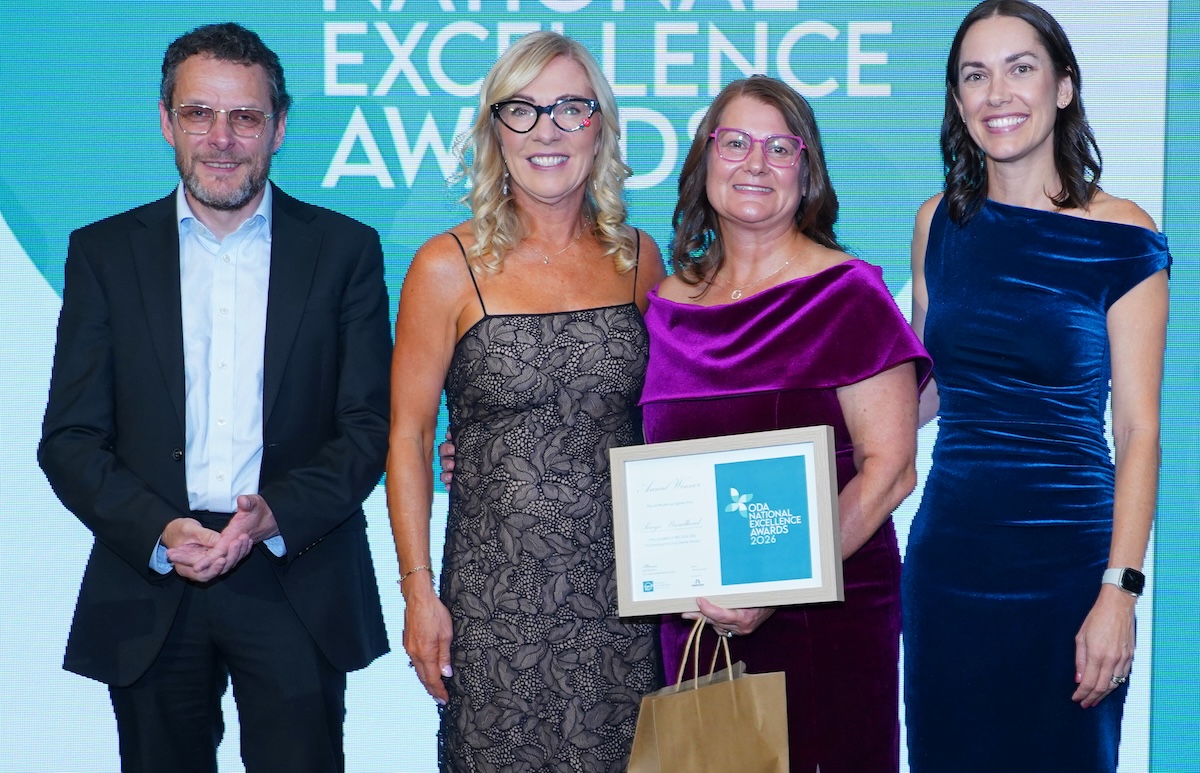

MEMBER PROFILE
Name: Sonya Broadhead
Position: Director/optical dispenser/co-owner
Location: See Side Optical, Thirroul, NSW
Years in industry: More than 28
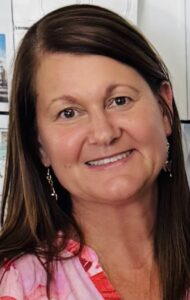 Sonya Broadhead.
1. What inspired you to pursue an optical dispensing career, and how has your perspective changed over time?
I was looking for a rewarding career when an opportunity came through Bruce and Robyn Porter, who introduced me to the optical industry.
What attracted me was the stability. What kept me here was the ability to provide genuinely personalised care to people.
Early on, I thought the job was about glasses and vision correction. Today, I see it as being about people, relationships and helping individuals feel confident, comfortable and cared for. The technical side remains important, but the human connection is what makes the profession so rewarding.
2. What are the most influential moments and people that led you to this point?
Several mentors have shaped my career. The Porters gave me my start. Bruce taught me practical skills such as repairs and problem-solving, while Robyn taught me about fashion, styling and helping patients feel good in their eyewear.
Rachel Magennis taught me lens edging and frame fitting, while Brett Magennis shared valuable business knowledge and helped me understand what it takes to run an independent practice.
Perhaps the most significant lesson came from Steve King, who taught me to recognise my own value and capabilities, and his wife Dianne. I will always be grateful for the confidence they helped rebuild.
3. What’s something you know now that you wished you understood at the start of your career?
Nobody else can be you – that’s your superpower.
It’s easy to compare yourself to others or think success comes from the perfect business name, location or fit-out. But businesses are built by people. The values you hold, the culture you create and the way you treat patients and staff are what drive long-term success.
4. Can you share a moment where you made a significant impact on patients’ lives?
I often think patients have made a bigger impact on me.
One long-term elderly patient spoke about loneliness and mentioned that a local bridge had crossed his mind. I knew this was more than an optical appointment – it was a person I needed to check on. Since then, I’ve made a point of keeping in touch. People don’t always come into an optical practice because they’re rough on their glasses. Sometimes they’re simply looking for connection.
On a more visual note, I remember when a three-year-old child received her first high-plus lenses. As she put them on, she reached out and touched her mother’s face as if seeing it clearly for the first time. My colleague Natalie was in tears. For patients and families, these moments can be life changing.
5. What innovations in eyewear or technology are you most excited about, and why?
The move towards truly personalised lenses excites me the most. I believe Rodenstock is ahead of the game, but Hoya’s new myopia lenses are exciting too.
When I started in optics, we used pens to mark pupils on lenses. Today, technologies such as the DNEye Scanner and ImpressionIST system capture thousands of measurement points and provide a detailed understanding of how a person’s eyes function.
Designing lenses around the individual rather than relying on averages has been a game changer. We can deliver levels of accuracy, comfort and visual performance that weren’t possible earlier.
I’m also excited by the growth of myopia management. The opportunity to influence a young person’s visual future rather than simply correcting vision is one of the most rewarding developments our industry has seen.
6. What skills or qualities do you believe are most important for an optical dispenser to thrive in today’s market?
Technical knowledge is important, but communication, empathy and adaptability are the most critical skills.
Patients have access to more information than ever and often arrive with questions or misconceptions. Being able to listen, educate and guide people through their options is essential.
Technology will continue to evolve, but the ability to build trust and relationships remains at the heart of great patient care.
7. How do you ensure your skills and knowledge stay up to date and current in such a fast-moving industry?
Continuous learning. I regularly attend supplier training, webinars, conferences and industry events. The ODA has been a fantastic resource for education and industry updates.
One of the greatest strengths of our industry is the willingness of people to share knowledge. As a business owner, I also learn from my team. Every staff member brings different strengths and perspectives, and often the best ideas come from the people around you.
I stay curious. The day you think you know everything is the day you stop growing.
8. Why did you become a member of ODA, and what value do you see in the organisation?
When ODA was founded, joining was an easy decision. I believe in professionalism, education and supporting the future of optical dispensing. ODA provides access to CPD, industry updates and a network of like-minded professionals passionate about patient care.
ODA is an important advocate for the profession, helping ensure the skills and contribution of qualified optical dispensers continue to be recognised and respected.
I’m proud to be part of that journey.