
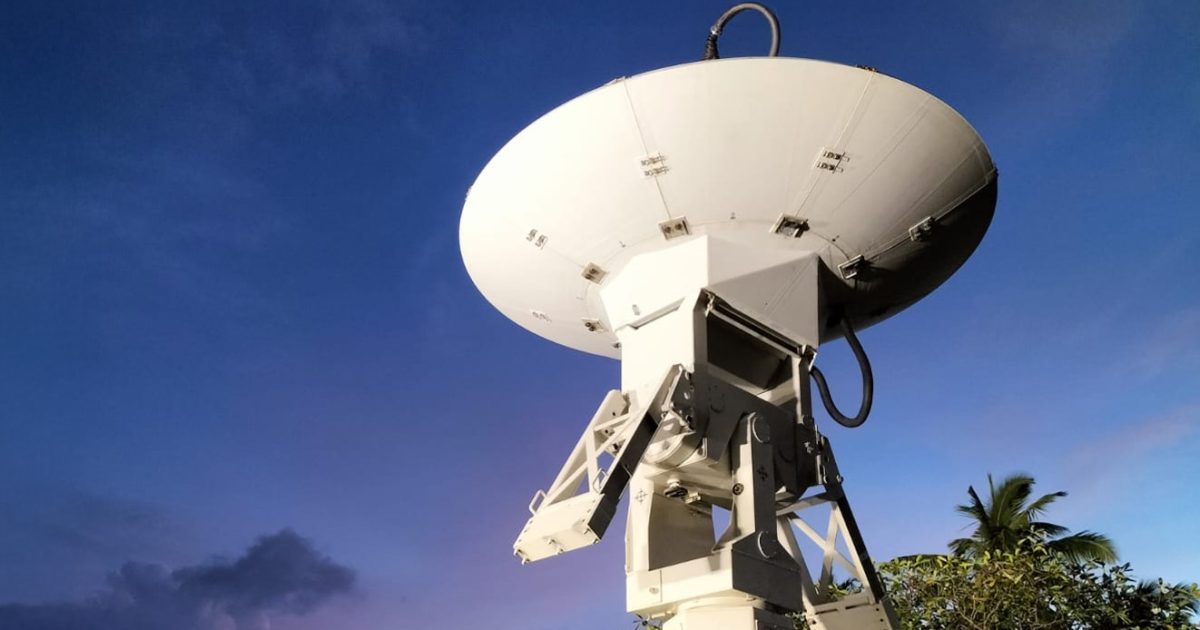
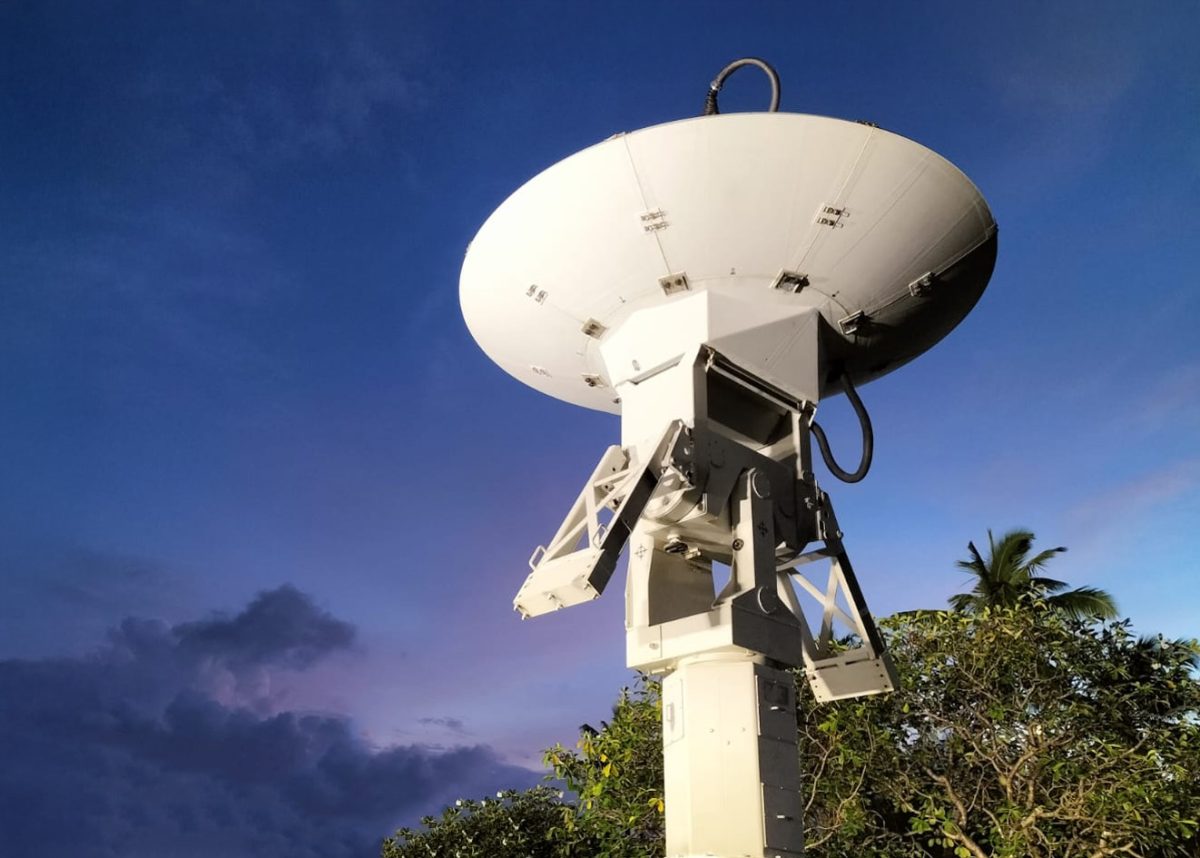
Australia is playing a vital role in India’s Gaganyaan Human Spaceflight Program, providing essential space tracking capability from the Cocos (Keeling) Islands (CKI). Photo: Australian Space Agency.
Never thought of Australia as being much of a contender in the international space race? Think again.
Well, don’t think too hard because we’re not rushing to be the first to set foot on Mars, but there is a renewed focus on supporting a burgeoning homegrown space sector.
The Federal Government wants Australia to be a nation of choice in the Indo-Pacific region for space sector investment, and to that end, is keen to fast-track approvals.
There are currently 275 SMEs in Australia’s space sector, which in 2021 had an annual turnover of $4.6 billion.
Local companies are building Australian capability in rockets, satellites, positioning and advanced navigation technologies, hypersonic aircraft, robotics and advanced manufacturing.
The government calls all that a “credible base” but wants Australia to grasp a much bigger share of the global space economy, which is expected to reach $2.6 trillion by 2035.
Industry Minister Tim Ayres has now instructed the Australian Space Agency to speed up the approvals process to make that goal a reality.
The minister released a landmark Statement on Space on Tuesday (20 July), outlining the government’s vision for the Australian space sector.
The statement identifies five focus areas where Australia’s space capability has unique opportunities, has market potential, and supports national resilience.
The focus areas are trusted space services; spaceflight ecosystem; space platforms; microgravity ecosystem; and exploration technologies.
The statement also identifies where government activity can enable conditions for greater investment, coordination and delivery.
“The government’s Future Made in Australia plan is about harnessing Australia’s industrial capability to boost Australia’s economy, security, and national resilience and create secure hands-on manufacturing and engineering jobs,” Senator Ayres said.
“Australia’s space sector is seeing exciting and diverse applications right across Australia’s cities and regions.
“We want to see more Australian ideas commercialised, more Australian technology deployed globally, and more of the economic value harnessed here at home.”
Senator Ayres described Australia’s space sector as vital to national economic resilience and security.
It also creates export opportunities in the rapidly growing global space economy.
As a first step, the government has also issued a new statement of expectations to the Australian Space Agency, focused on speeding up regulatory approvals and modernising the regulatory framework for emerging activities.
More than 30,000 human-made objects are being tracked in space, so the orders also make it clear the agency needs to focus on community safety through increased space monitoring.
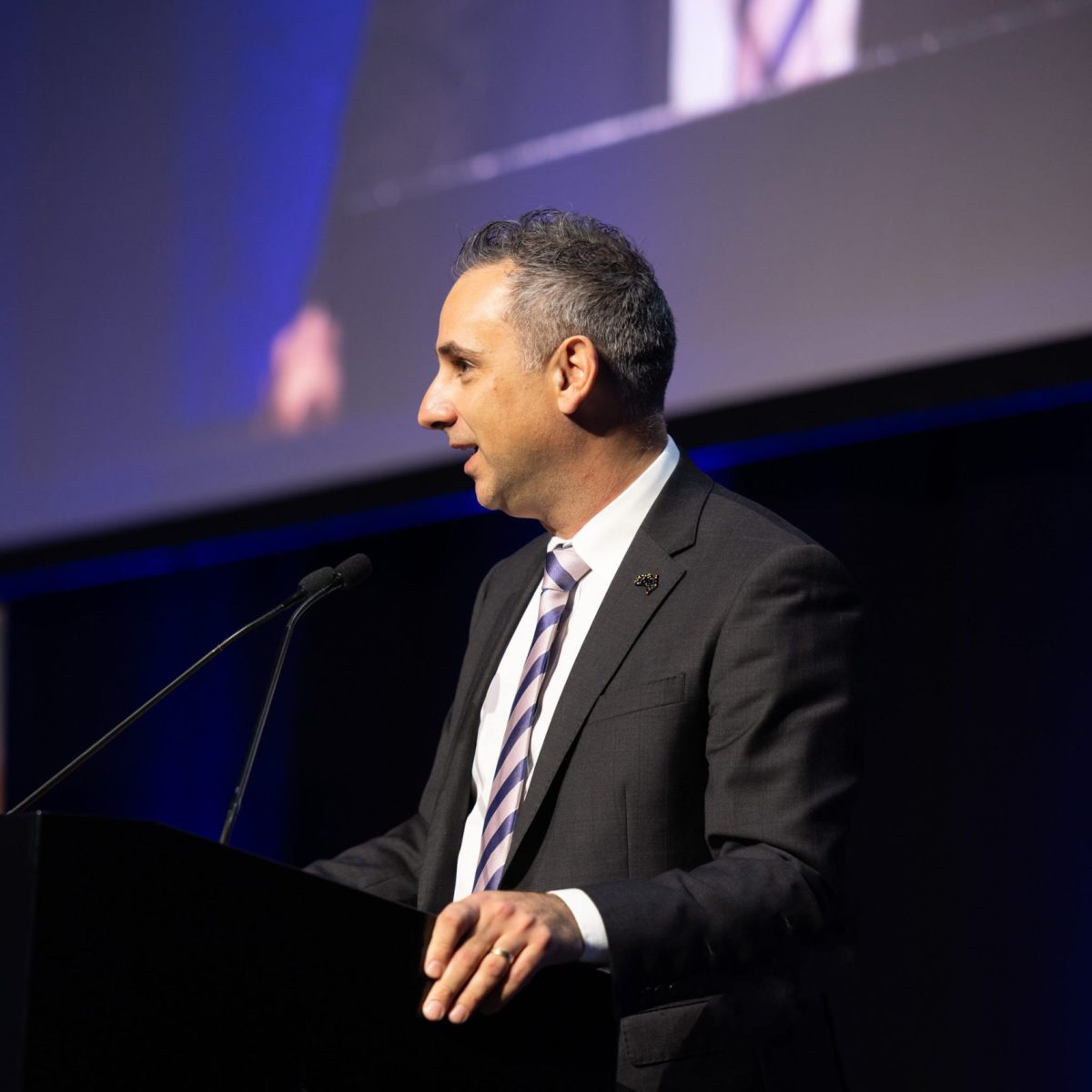
Enrico Palermo: Space investment will contribute to the productivity, resilience and security of Australia’s economy. Photo: Australian Space Agency.
Head of the Australian Space Agency Enrico Palermo described Australia as an appealing and trusted partner in space.
“This statement strengthens that case so our industry can contribute in a way that embeds them into global supply chains and delivers economic benefits here at home,” he said
“The five focus areas provide a basis to target effort where Australian industry capability can support national needs, connect into global demand, open market pathways, and contribute to the productivity, resilience and security of Australia’s economy.”
To date, the National Reconstruction Fund has invested almost $200 million across six companies, supporting 600 jobs, which is expected to more than double.
The statement’s published document outlines Australia’s appeal as a reliable destination for space and adjacent technology investment and cooperation.
“Our stable institutions, regulatory settings, research base and industrial capability provide a clear basis for businesses, investors and international partners to build capability, access markets and pursue space-related opportunities in Australia,” it reads.
“Australia also has natural advantages that matter for space.
“Our large landmass, southern hemisphere location, clear skies and low-density operating environments support space domain awareness, including space monitoring, tracking and data fusion, as well as Earth observation, ground segment services, launch, return and testing.
“Australia’s geography can support access to a range of launch options, overland testing opportunities and mission operations.
“This is reinforced by Australia’s growing space infrastructure.”
Assistant Minister for Science and Technology Andrew Charlton said the space sector was a “critical enabler” across the economy, and the statement delivers a clear indication of Australia’s priorities and ambitions for it.
“We know there is immense investment appetite and the Statement on Space will support Australian organisations to maximise this opportunity and deliver real economic outcomes for Australians,” he said
The Space Agency will now lead targeted consultation with industry, academia and government stakeholders to develop the detailed actions that will support growth of the space sector.
Those actions will be released later this year.