
The housing market has been weaker than the Reserve Bank anticipated since war in the Middle East began, raising fresh concerns over the path ahead for homeowners and borrowers when it comes to interest rates.
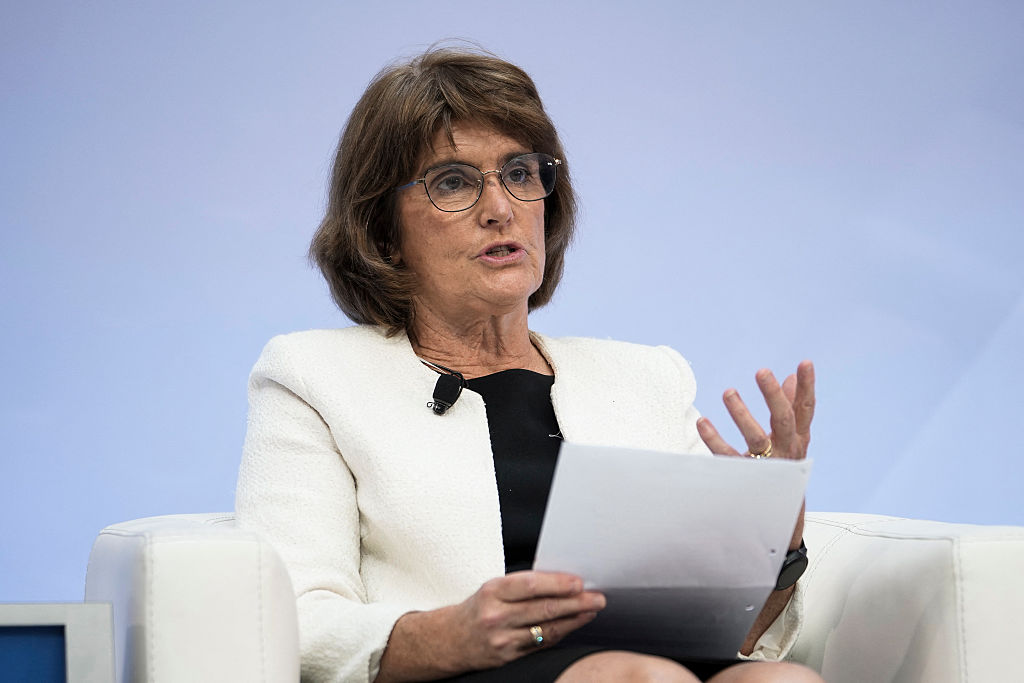
Speaking in Sydney on Tuesday, governor Michele Bullock said the property market has been a standout poor performer in the economy since United States-Israel coordinated attacks on Iran began.
“We had expected conditions to ease in response to the changed outlook for monetary policy and the rise in the cash rate earlier this year, but the housing market has eased by more than we had anticipated,” Ms Bullock said.
The governor said both general softening and policy changes introduced in the May budget reflected the easing.
While easing this year has been modest following a period of strong growth, the median price of a home in Australia in June was only $6000 higher than in February, with annual growth having dropped from 9.1% to 5.8%, the Home Price Index shows.
Ms Bullock acknowledged price declines had been largely concentrated in the Sydney and Melbourne markets, where prices in June were down 0.5% and 0.4% in the cities respectively.

Home values are falling in Australia’s priciest city. Picture: Getty
Despite, this the RBA is confident households can hold on through the bumpiest year since Covid.
“Our estimates suggest only a small share of borrowers are facing difficulty with their loan repayments,” Ms Bullock said. “It indicates financial stability risks are contained and borrowers in aggregate have built up considerable savings buffers over the years.”
While the bank expects housing prices to be affected when interest rates rise, Ms Bullock reiterated her long-held argument that monetary policy does not target housing prices.
“Rather, what matters for monetary policy is how changes in housing prices affect household spending, investment decisions and inflation,” she said.
The RBA is closely watching spending and investment decisions. Picture: Getty
As the RBA’s monetary policy board prepares to hand down the next interest rate decision in two weeks’ time, forecasting is continuing to prove challenging.
The labour market has eased more than the Reserve Bank expected over recent months, and Ms Bullock also noted the unemployment rate has risen “somewhat more” than predictions.
“Five months have passed since the conflict began and while there are now some signs of the impact on inflation activity, conditions can change quickly,” she said.
“The key question in the period ahead is whether the tightening in monetary policy earlier in the year is sufficient.”
Reserve Bank of Australia governor Michele Bullock says the housing market is weaker than the bank had expected it to be. Picture: Oliver Contreras / AFP
Ms Bullock’s concerns were flagged in minutes from the RBA’s May interest rate decision meeting, which revealed the housing market has been the first area to feel the effects of rate rises in February and March.
Since then, the cash rate was raised to 4.35%, with further tightening still on the table for 11 August.
Westpac is the only one of the nation’s big four banks expecting a rate hike, with Commonwealth Bank, National Australia Bank and ANZ expecting the bank will still need more time to assess the effects of earlier tightening.
The Australian Securities Exchange shows markets had been pricing in a 43% chance of a cash rate increase on 24 July, with that number dropping to 28% on 27 July.