
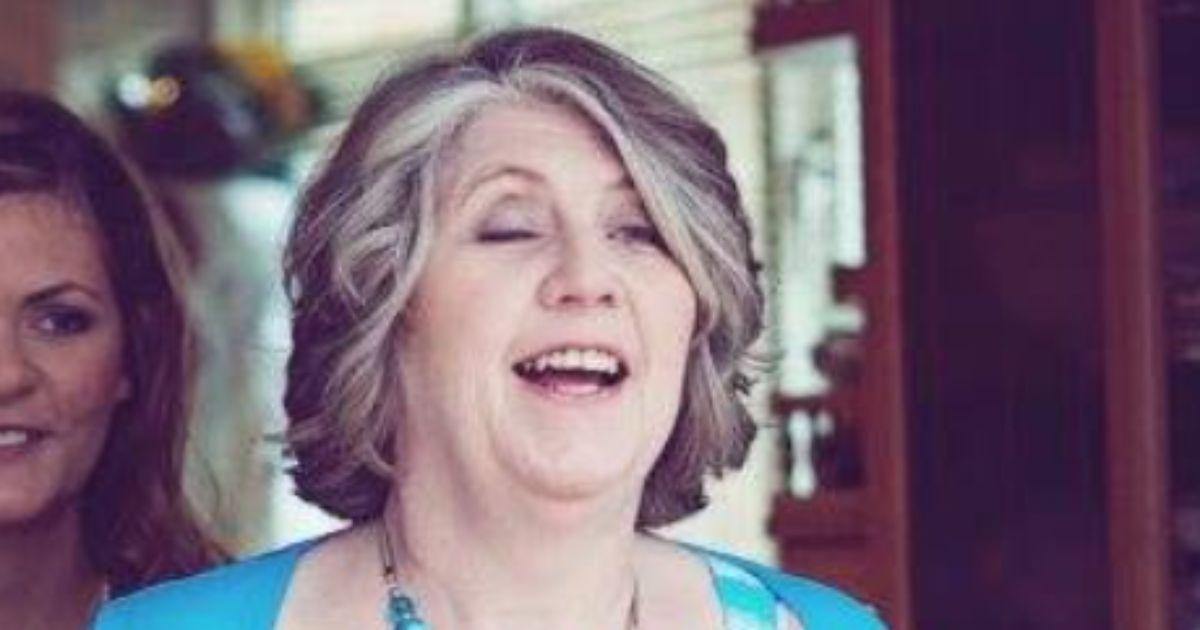
Caroline Savage had been privately prescribed Mounjaro for around four months but fell seriously ill shortly after being advised to raise the amount she was taking.
Caroline Savage had increased her dose of a prescribed weight loss drug before her death (Image: Facebook)
An inquest into her death has been examining the extent to which it may be linked to the weight loss drug, which is known to have gastrointestinal side effects.
But the hearing has also been told of concerns from her family – including husband, long-serving South Norfolk district councillor Jeremy Savage – that doctors who treated her in hospital may have been too keen to attribute her symptoms to the drug, rather than investigate them further.
MOUNJARO USE
Mrs Savage, who died in October 2024, had been taking Mounjaro to lose weight and ease symptoms associated with lipoedema, the build-up of fat cells in the lower body and arms, and lymphoedema, which causes swelling.
The mother and grandmother from Wortwell, near Harleston, had previously been unsuccessful in losing weight through diet and exercise.
Caroline Savage had started taking a higher dose of weight loss drug Mounjaro before she died (Image: Niall Carson/PA Wire)
She visited a private London clinic in July 2024, when she weighed 128kg and had a body mass index of 46.
Her private prescribing doctor, Dr Harvinder Chahal, said Mrs Savage was warned that possible side effects included abdominal pain and constipation and was advised to drink plenty of water and avoid spicy food and fizzy drinks.
When she was reviewed in October, her weight had fallen to 114kg and she reported feeling well, with no significant side effects.
She was advised to complete the two remaining 7.5mg doses in her existing pen before increasing to 10mg.
Caroline Savage and her husband former district councillor Jeremy Savage (Image: Facebook)
The inquest heard Mrs Savage, who was 73 when she died, developed acute and constant abdominal pain on the morning of October 18.
An ambulance was called at about 1.30pm after her husband found her doubled over in pain.
HOSPITAL TREATMENT
She was taken to the Norfolk and Norwich Hospital’s rapid assessment and treatment area at about 2.45pm but remained in an ambulance because the emergency department was too busy.
She was assessed by a senior clinical fellow in emergency medicine who said his initial concern was pancreatitis, a known but rare complication associated with weight-loss medication.
However, Mrs Savage’s blood results did not indicate pancreatitis and, following examination, he concluded she did not require admission or a CT (computed tomography) scan, which uses x-ray.
Caroline Savage was discharged from hospital hours before she collapsed and died at home (Image: Newsquest)
Advanced clinical practitioner Laura Rea said Mounjaro’s recognised side effects, including abdominal pain and bloating, formed a reasonable working diagnosis in the absence of any evidence pointing towards a surgical emergency.
Dr Olmo-Ferrer, a consultant in emergency medicine, also reviewed Mrs Savage and carried out a focused ultrasound to rule out an abdominal aortic aneurysm.
He said she appeared comfortable enough to be discharged with pain relief and advice, adding there was no clinical indication for a CT scan or referral to other specialties.
DEATH AT HOME
She was discharged from hospital at about 6.30pm, but collapsed at home just after midnight.
Her husband – a former Tory councillor for Harleston, a grain broker and Honorary Alderman of South Norfolk – heard a thud and found his wife unresponsive on the floor.
He called an ambulance and attempted CPR, but she could not be saved.
Caroline Savage died aged 73 (Image: Facebook)
POST MORTEM
A post mortem examination found Mrs Savage, who also stood for council election as a Conservative, had died from faecal peritonitis – a leaking of faecal matter into the abdominal cavity – caused by perforation of part of her intestines.
There is no established evidence that this can be caused by Mounjaro but possible links were discussed at the hearing.
Caroline Savage was experiencing symptoms inline with the side effects of the Mounjaro injection she had been using before her death (Image: Niall Carson/PA Wire)
The drug slows the process by which food moves from the stomach to the intestine, and constipation is a known side-effect.
The hearing was told that if someone already unknowingly had diverticular disease – a condition that affects the intestine – the side effects from Mounjaro could increase pressure in the intestines and therefore the risk of inflammation and perforation.
But a report said the impact was impossible to quantify.
FAMILY CONCERNS
Much of the inquest, held before area coroner Yvonne Blake, focused on Mrs Savage’s use of Mounjaro and whether sufficient investigations were carried out by hospital staff before she was sent home.
Her family, represented by barrister Jasmine Leng, argued that her symptoms should have prompted further investigation.
Caroline Savage had been taken by ambulance to the Norfolk and Norwich Hospital (Image: Newsquest)
They also raised concerns over record keeping, communication between clinicians and whether their assessments of her pain may have been affected by the morphine she had been given.
They argued she had been discharged without a proper diagnosis and questioned why no surgical review, CT scan or further investigation was undertaken before she was allowed home.
Following her death, the hospital carried out a review of her care.
Consultant Dr Hussain Hommad told the inquest that her presentation, blood tests, observations and ultrasound findings were all within normal limits at the time she was assessed.
He said diverticular perforation was extremely difficult to predict and clinicians had acted appropriately based on the information available.
Although Mounjaro has since become associated with increased risks of gallstones and bowel obstruction, he said its use alone does not currently lower the threshold for carrying out CT imaging.
DECISION PENDING
The family’s barrister submitted that Article 2 of the European Convention on Human Rights – the right to life – should be engaged because of potential systemic failures in communication, documentation and clinical decision-making at the hospital.
She argued clinicians repeatedly assessed Mrs Savage’s pain shortly after morphine had been administered and may not have appreciated the significance of that when deciding whether further investigations were needed.
Area coroner Yvonne Blake and Norfolk Coroner’s Court (Image: Newsquest)
Solicitor Alison Brockhurst, representing the Norfolk and Norwich University Hospitals NHS Foundation Trust, argued Mrs Savage’s death was from natural causes and the high threshold for engaging Article 2 had not been met.
She accepted record keeping “wasn’t as good as it could have been” but said evidence showed detailed discussions had taken place between clinicians in person and that appropriate pathways had been followed.
Ms Blake said she required further time to consider the legal submissions before deciding whether Article 2 should apply.
She adjourned that decision and said she would later return to deliver her narrative conclusion.