
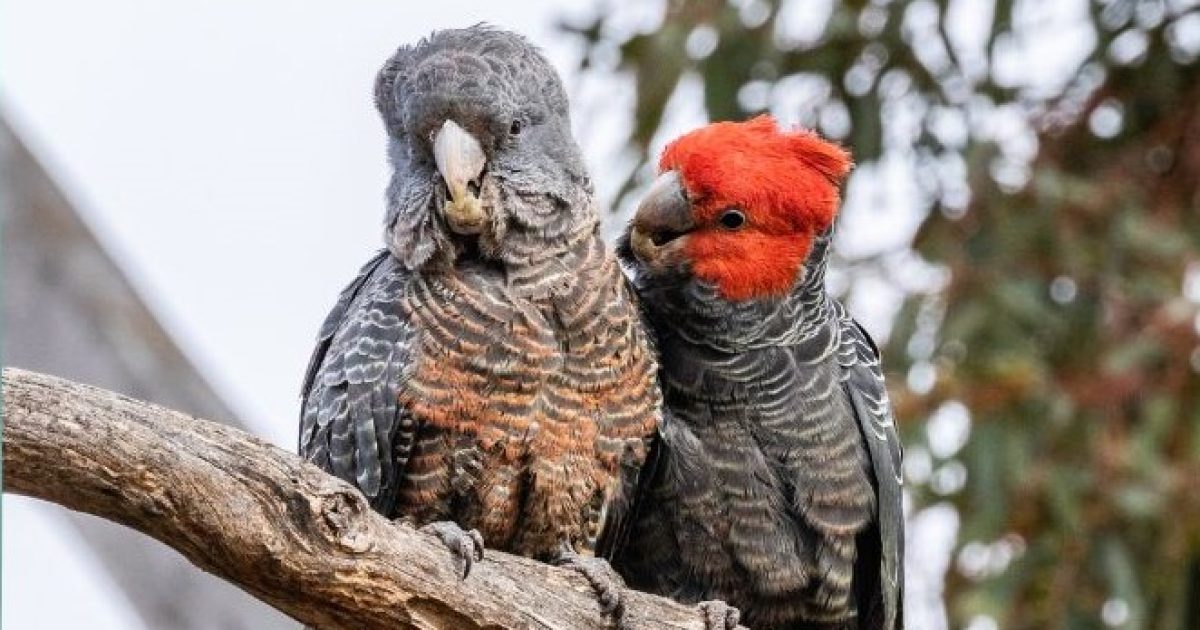
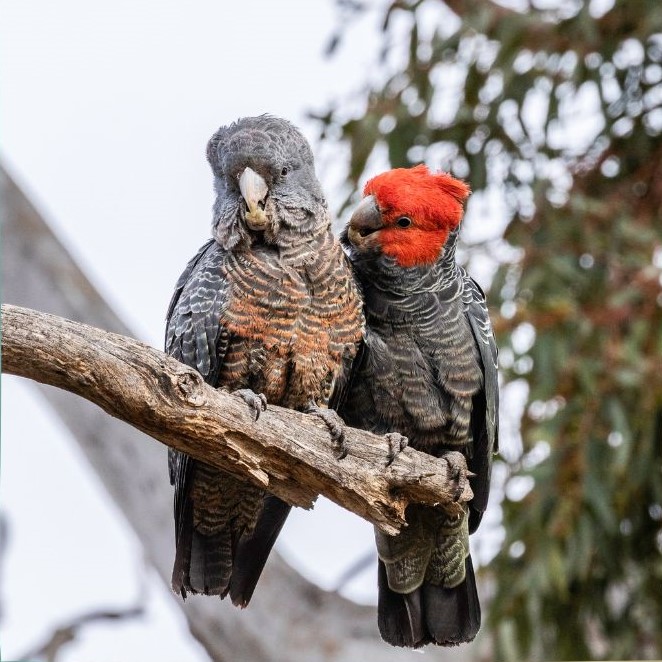
Native bird species in captivity will be given vaccines against H5 bird flu. Photo: File
Vaccines against H5 bird flu will be rolled out for Australia’s native bird species population, with the priority being placed on animals in captivity.
Targeted trials have already taken place and attention is now turning to broadening the effort as the latest strain of the deadly virus spreads across the country.
There are now more than 230 detections of H5 in wild birds in Australia, with affected birds having been found in NSW, South Australia, Western Australia, Victoria and Queensland.
Environment Minister Murray Watt said on Tuesday (11 August) birds will need two vaccines to be more thoroughly protected against the virus, but biosecurity measures will also need to be beefed up to protect vulnerable species and help stop the spread.
“Where it is possible to vaccinate wild birds we will do so, but the priority is to vaccinate birds that are in captivity and in zoos and other institutions,” the Minister said.
“We have been taking steps to ensure we do have populations of our most vulnerable bird species and they are going to be the priority when it comes to vaccination.
“This announcement to broaden out our vaccination program is another step to protect our native birds, and that builds on the steps that we have already taken over the last couple of years.”
The Federal Government has increased captive breeding programs in zoos to build up viable populations of the most endangered species.
It forms part of the government’s $113 million bird flu preparedness plan, which has also included sealing zoo enclosures to prevent wild birds entering.
Senator Watt described the spread of the virus in Australia as a serious, escalating situation.
Agriculture Minister Julie Collins said about 1500 vials of the vaccine had been secured at a cost of more than $2 million.
She said the Federal Government will work with the states and territories, which have all been testing the vaccines on birds to see which respond best.
State and territory governments will announce which bird populations in their jurisdictions will get the vaccines first.
“I can announce that the first vaccines are expected to roll out in coming days and weeks based on an agreed national approach to the targeted vaccination of priority native bird species,” Ms Collins said.
“This approach will mean that the states and territories are able to commence vaccination activities, initially focusing on priority species in captivity identified by those states and territories.
“We’ve been very clear that we cannot stop the H5 bird flu from spreading amongst wild birds … Australians should expect to see more spread and larger numbers, particularly of dead birds and mass mortalities around the country from the H5 bird flu.
“We have been very clear that this will continue to spread across the country.”
The Agriculture Minister said there was still no evidence that the bird flu strain had infiltrated Australia’s poultry and agricultural sectors.
During Question Time in the House of Representatives later in the day, Ms Collins gave a state-by-state breakdown of the bird flu numbers detected to date, which total 236.
Shadow agriculture minister Darren Chester rose to thank the minister for her efforts and for engaging with the Opposition on the issue.
He promised a continuing bipartisan approach to responding to the bird flu in Australia.
Earlier, chief veterinary officer Beth Cookson told the media that while she was confident Australia had enough vaccines to meet initial requirements, other measures needed to be maintained.
“There are some limitations in terms of the way the vaccine can be used, including the vials needing to be disposed of after being opened,” she said.
“We have been working very carefully for the last 18 months as part of our national preparedness to make sure that we have safety and efficacy data available to us as to appropriate vaccines to use in captive and managed populations.
“It is not a stand-alone solution, bio security will remain important, the protection of these species.”