
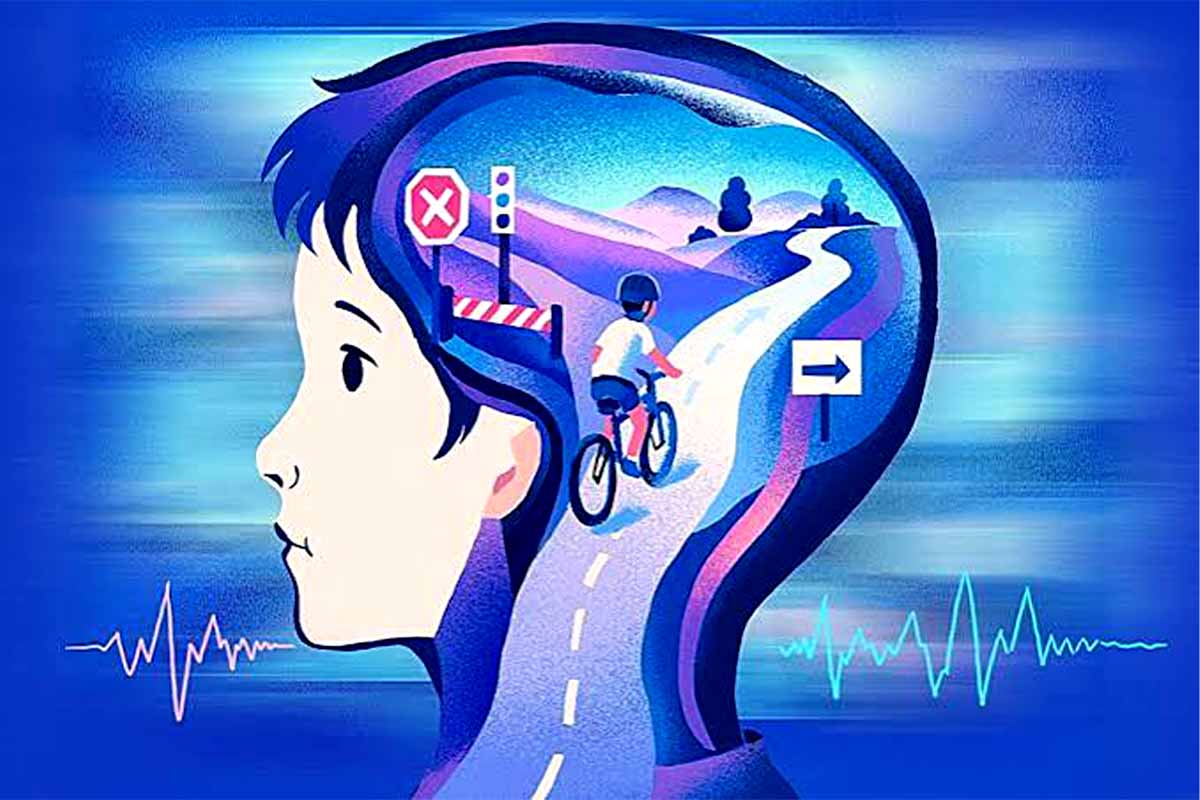
In an age of constant notifications, information overload and digital distractions, difficulty concentrating has become increasingly common among both children and adults.
As ADHD diagnoses continue to rise, one expert is raising an important question: how much is the modern environment affecting the way our attention works?
Dr Amanda Sacks-Zimmerman, a clinical neuropsychologist and associate professor of neuropsychology at Weill Cornell Medicine, says modern life has created an environment of constant overstimulation. Emails, messages, social media, apps and notifications are continually competing for our attention, leaving little time for sustained concentration and meaningful processing of information.
At the same time, our reliance on digital tools, from GPS navigation to online instructions, has changed the way we solve problems and organise our thoughts. An overwhelming amount of information can even lead to what is known as “analysis paralysis”, when people struggle to act because they are faced with too many choices and competing demands.
However, the expert stresses that ADHD should not simply be viewed as an inability to pay attention. The condition is diagnosed when symptoms significantly interfere with a person’s daily functioning. At the same time, modern life itself creates conditions that can make it difficult for even people without ADHD to maintain focus.
The issue becomes particularly important when it comes to children. Comparing them with an idealised “normal” child may risk turning natural differences in attention and behaviour into perceived shortcomings.
The challenge, therefore, is to recognise genuine difficulties without labelling or limiting a child’s potential. ADHD diagnosis can be a valuable tool for understanding and providing support, rather than becoming a label that defines a child’s future.
As attention and self-regulation exist on a spectrum, perhaps the more important question is not whether everyone is becoming “ADHD-like”, but whether the world around us has become increasingly difficult for the human brain to navigate.