
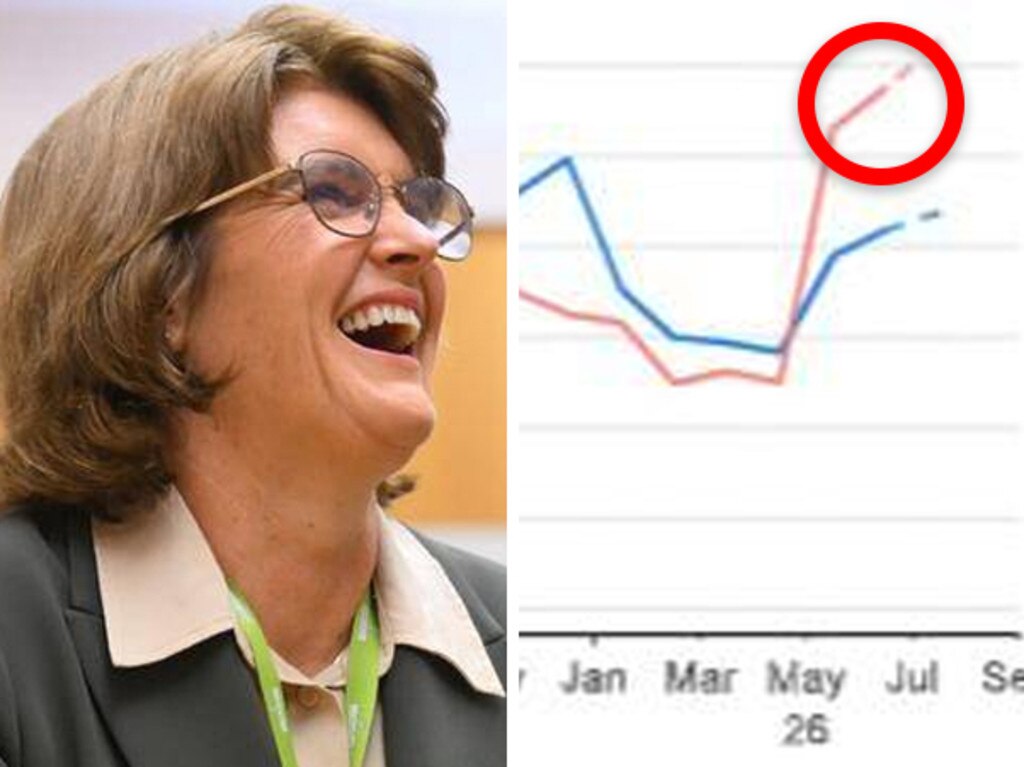

The most crucial data to track for rate relief. Source. ANZ Research
A horror mid-year inflation spike driven by petrol, rising rents and pricier takeaway food threatens to derail hopes of early rate relief – as the Big Four take the knife to savings rates.
Fresh ANZ forecasting reveals headline inflation is expected to jump by 0.8 per cent for July, driven primarily by an anticipated 8 per cent surge at the petrol pump plus seasonal price hikes across domestic travel, clothing and takeaway dining.
Homeowners expecting rate relief have seen seesawing predictions as a mass of conflicting data rolls in.
While lower power bills are set to provide minor relief – with electricity prices expected to fall 2.5 per cent following the rollout of the federal government’s new default market offer on July 1 – the steep fuel spike is projected to wipe out those gains, pulling overall transport costs up by 2.5 per cent in a single month.
More concerning for mortgage holders, ANZ predicts trimmed mean inflation – the Reserve Bank of Australia’s preferred measure, which strips out extreme volatile price swings like fuel – will have jumped 0.34 per cent in July, keeping annual core inflation at a sticky 3.5 per cent.
ANZ economists warn the RBA will find the high monthly figure “uncomfortable,” keeping a potential interest rate adjustment firmly on the table for its November board meeting.
ANZ senior economist Jasmine Zheng and economist Madeline Dunk warned the broad spread of mid-year price increases leaves RBA with little room for error.
“Given the recent trend in the monthlies, a high 0.3 per cent month on month trimmed mean print in July is likely to be a little uncomfortable for the RBA and would keep the November meeting live,” the economists said in their report.
The predictions come despite the big four banks already pricing in an inevitable drop in borrowing costs six to 12 months away – with CBA, Westpac, NAB and ANZ all cutting their top term deposit offers.
Canstar data found CBA and NAB cut their highest 12-month term deposit rates to 5.15 per cent, while ANZ lowered to 5.25 per cent – with 16 institutions, including Macquarie and AMP, slashing since August 1.
The federal government tax relief for fuel had been cushioning the real impact of middle east supply issues – which are now set to be reflected in data. Source. ANZ Research
ANZ inflation forecasts released Friday. Source. ANZ Research
Canstar data insights director Sally Tindall said the squeeze leaves everyday Australians caught between an active RBA threat and falling bank returns.
“It’s been a term deposit rate-cutting frenzy from the big four,” Ms Tindall said. “The economy is slowing, but inflation hasn’t been beaten, so it’s far too early to assume the next move in the cash rate will be down. This puts savers in a rock and a hard place.”
With the fuel excise discount conclusion already seeing petrol prices return to their full tax level in August, household budgets face pressure on both fronts, she said – higher living costs at the till and shrinking returns on cash sitting in the bank.
ANZ said the trimmed mean rise was being fueled by broad-based July price resets across essential services and retail.
Takeaway food prices were expected to rise 0.7 per cent as businesses pass on higher award wage costs, while postal and communication fees are projected to climb 1.6 per cent following Australia Post fee increases.
Housing costs are also expected to see a steady rise, with home build costs forecast to climb 0.5 per cent and rents predicted to climb 0.3 per cent as advertised rental growth continues to filter through to existing leases.