
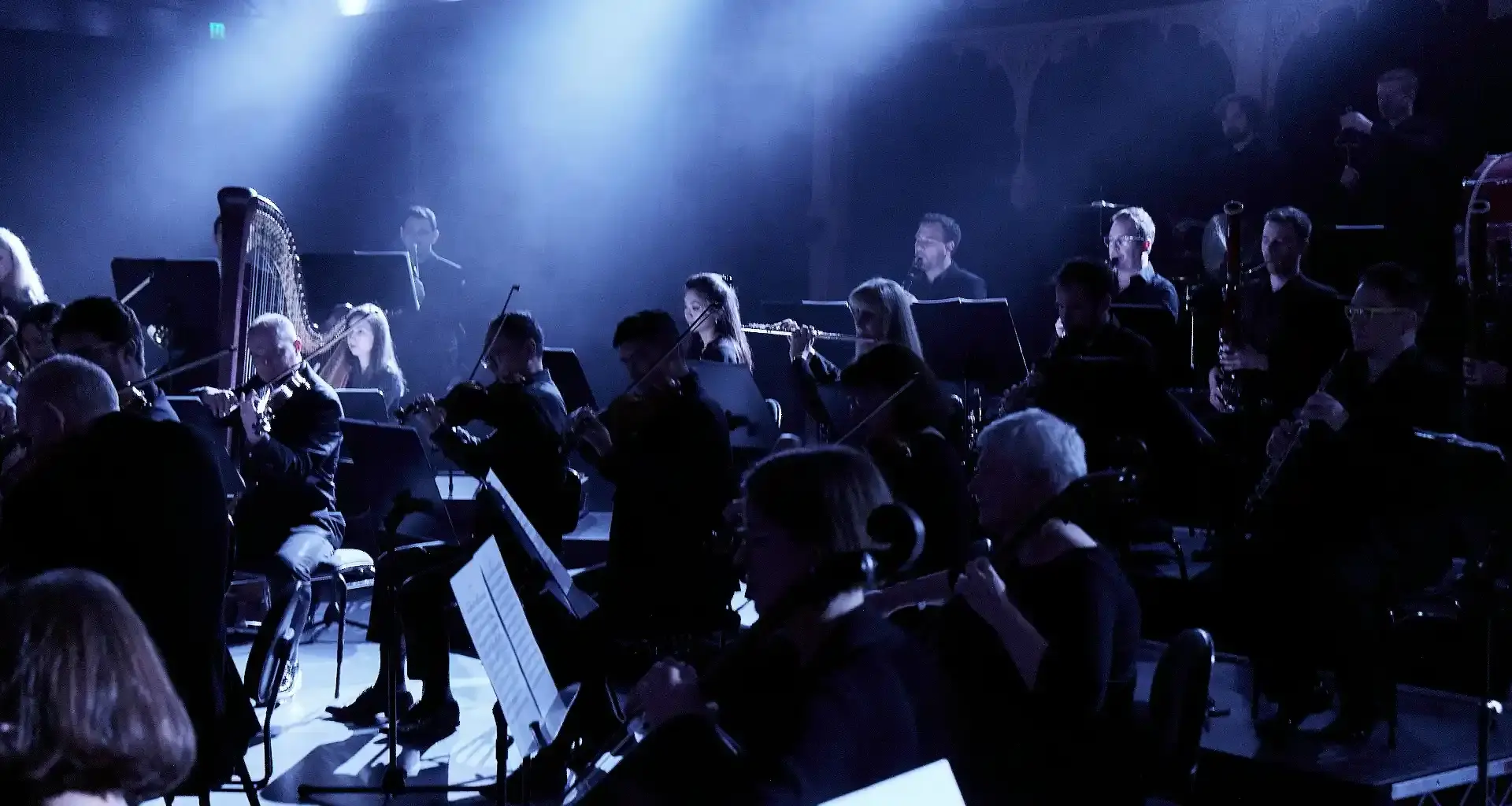
The Media, Entertainment & Arts Alliance (MEAA) union in Australia has announced its Keep Music Live Campaign, a petition to support live music as the use of live musicians in productions have been declining, the MEAA reports.
This comes after the Australian Ballet began using pre-recorded music on its regional tours, citing logistical reasons for the move. In April, the AFR reported that the Australian Ballet was entering its fifth year operating on a loss since the pandemic.
However, musicians claim that the company’s cost-cutting strategy is “compromising artistic integrity and its duty to provide employment,” the AFR explains.
In the past year, the Australian Ballet touring program also used recorded music for its shows in Adelaide, Alice Springs, and Darwin — among the works featured included The Nutcracker. Similarly, the West Australian Ballet started using recorded soundtracks for its performances, says the MEAA.
Most of the venues on the Australian Ballet’s latest regional tour had orchestra pits suited for around 20 to 40 musicians. However, the pre-recorded track was also used for the tour’s four shows at Adelaide Festival Centre, which can seat up to 200 musicians, the AFR reports.
The recordings used for the shows were made in advance by the company’s wholly-owned subsidiary, Orchestra Victoria, which comprises over 40 full-time musicians who perform around 150 mainstage opera and ballet performances each year in addition to its chamber music and outreach engagements.
The MEAA’s subsequent Keep Music Live petition is calling for safeguards to allow the continued experience of the “irreplaceable value” of live music and to protect and sustain the careers of live musicians.
The petition requests that live musicians be hired wherever a live orchestra or band can and should be used, that recorded music or digital technologies do not substitute live performance where it might displace professional musicians, and that companies are transparent about when and why recordings are used.
Additionally, the petition asks that audiences are valued, and are not asked to pay more for productions “that deliver less artistic authenticity.”
The Australian Ballet’s new Executive Director Claire Spencer explains that pre-recorded music had been used for some regional tours since before its recent shows, for logistical rather than financial reasons.
“The On Tour program is designed to travel to a broad range of venues across Australia, many of which do not have the infrastructure required to accommodate a live orchestra, including venues without an orchestra pit or with pits that are not large enough to accommodate an appropriate ensemble,” she says.
“[Orchestra Victoria’s bespoke recording] ensures the musical accompaniment is tailored to the choreography and artistic vision of the work, while enabling us to bring ballet to regional and outer-metropolitan communities that we would otherwise be unable to reach through our main stage touring model.”
“The Australian Ballet’s decision to replace live musicians with recorded music on many of its touring productions is deeply disappointing,” the MEAA writes. “Ballet is the collaboration between dancers and musicians, creating a live artistic experience that cannot be replicated by a soundtrack. When live music is removed, audiences lose an essential part of the art form and professional musicians lose vital opportunities to work and create. We cannot allow recorded music to become the new normal.”
“Publicly funded institutions such as the Australian Ballet have a responsibility to present ballet with artistic integrity, and that requires live musicians,” adds violinist Lachlan Bramble, the MEAA president for South Australia and the Northern Territory.
“We reject the notion that recorded music should become the default option whenever producers face financial or logistical challenges,” Bramble continues. “The choice is not between recorded music and no performance. The challenge is to find solutions that preserve the live artistic collaboration at the heart of performance. We have outstanding musicians in every state and territory. Producers should be looking for ways to engage them, not bypass them.
“Audiences deserve to know whether they are buying a performance featuring live artistic collaboration or one relying on a soundtrack. Transparency is the minimum standard … The future of live performance depends on valuing live music as an essential artistic and cultural contribution, not an optional extra.”