
A small molecule with a reputation rooted in sustainable chemistry may be about to acquire a new identity in agriculture. Researchers in China report that γ-valerolactone, a volatile organic compound associated with the beneficial bacterium Stutzerimonas stutzeri NRCB010, can significantly accelerate the growth of tomato seedlings. In experiments conducted under both hydroponic and greenhouse conditions, the compound improved seedling development at carefully defined concentrations while triggering extensive changes in gene activity and plant hormone composition.
The findings suggest that γ-valerolactone could become more than an industrial solvent or bio-based chemical intermediate: it may represent a new class of plant biostimulant capable of influencing growth from inside the plant’s molecular control systems.
The study focuses on Solanum lycopersicum, the cultivated tomato, a crop whose early development strongly influences later productivity and resilience. Seedlings must rapidly establish roots, expand leaves, and build photosynthetic capacity before they can support vigorous growth. Conventional agriculture often relies on mineral fertilizers to supply nutrients, but excessive dependence on synthetic inputs can contribute to environmental pollution, soil degradation, and rising production costs.
Biostimulants offer a different strategy. Rather than acting primarily as nutrient sources, they stimulate natural physiological processes, helping plants use resources more efficiently or regulate development more effectively. γ-Valerolactone is especially intriguing because it is a volatile organic compound produced by a microorganism previously linked to tomato growth promotion under sterile laboratory conditions.
Read more at BioEngineer.org
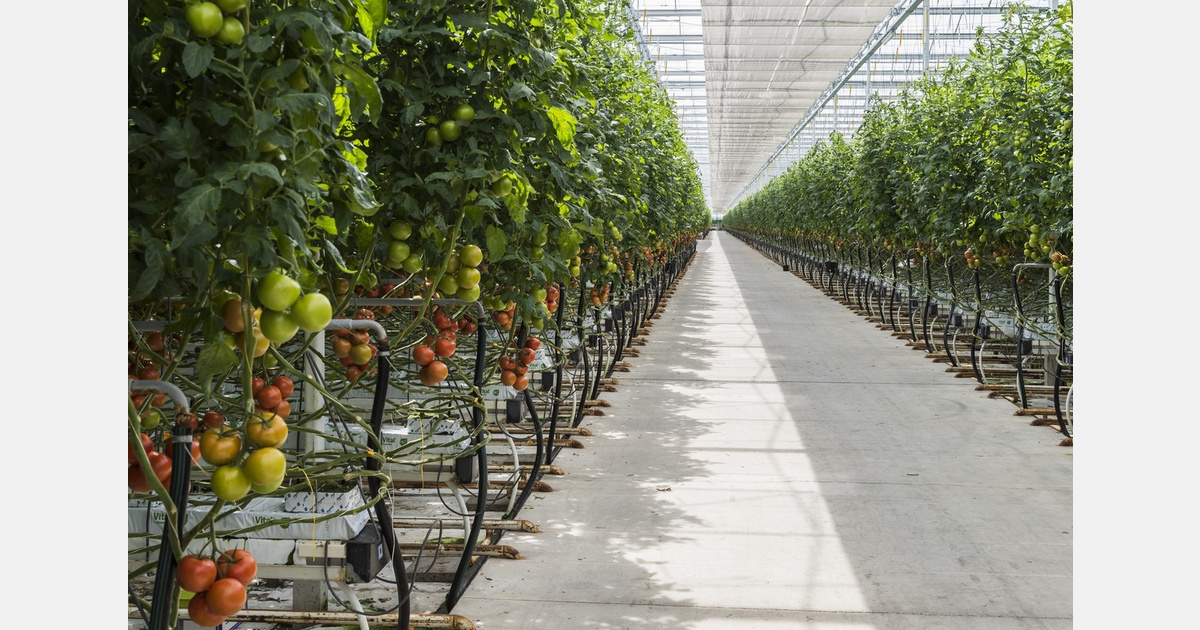
Frontpage photo:
© Kloeg008 | Dreamstime
Publication date:
Wed 26 Aug 2026