
Why the menstrual cycle is the performance variable women’s cycling is finally learning to use

Cor Vos
Cycling is awash in metrics – power output, watts per kilogram, heart rate, cadence, nutrition to the gram. The marginal gains culture that transformed men’s professional cycling has arrived in the women’s peloton, and the data obsession has come with it. And yet, there is a very significant physiological variable that affects all 147 riders in the Tour de France Femmes which largely goes unaccounted for. And it’s not because we don’t know enough about it, but because the sport has yet to decide whether it’s worth knowing.
Period Talk
Women’s cycling (and sport in general) has spent the last decade learning to talk about the menstrual cycle. But it seems most of the conversation has been in the context of its absence: amenorrhoea, RED-S, and the health cost of underfueling. That conversation has been necessary and well overdue. But it has also, almost accidentally, entrenched an idea that the menstrual cycle is primarily something problematic, to be treated or recovered from.
We saw an example of this on the Tour’s opening stage, when Océane Mahé took the Queen of the Mountains jersey. She mentioned that she hasn’t had her period in three years, almost framing it as an occupational hazard, like harsh weather or poor course design. It was a moment that would have been unthinkable a decade ago, and it matters that she said it. But the mindset it represents – that periods are something the sport takes away from you – is one women’s cycling has had for a while now.
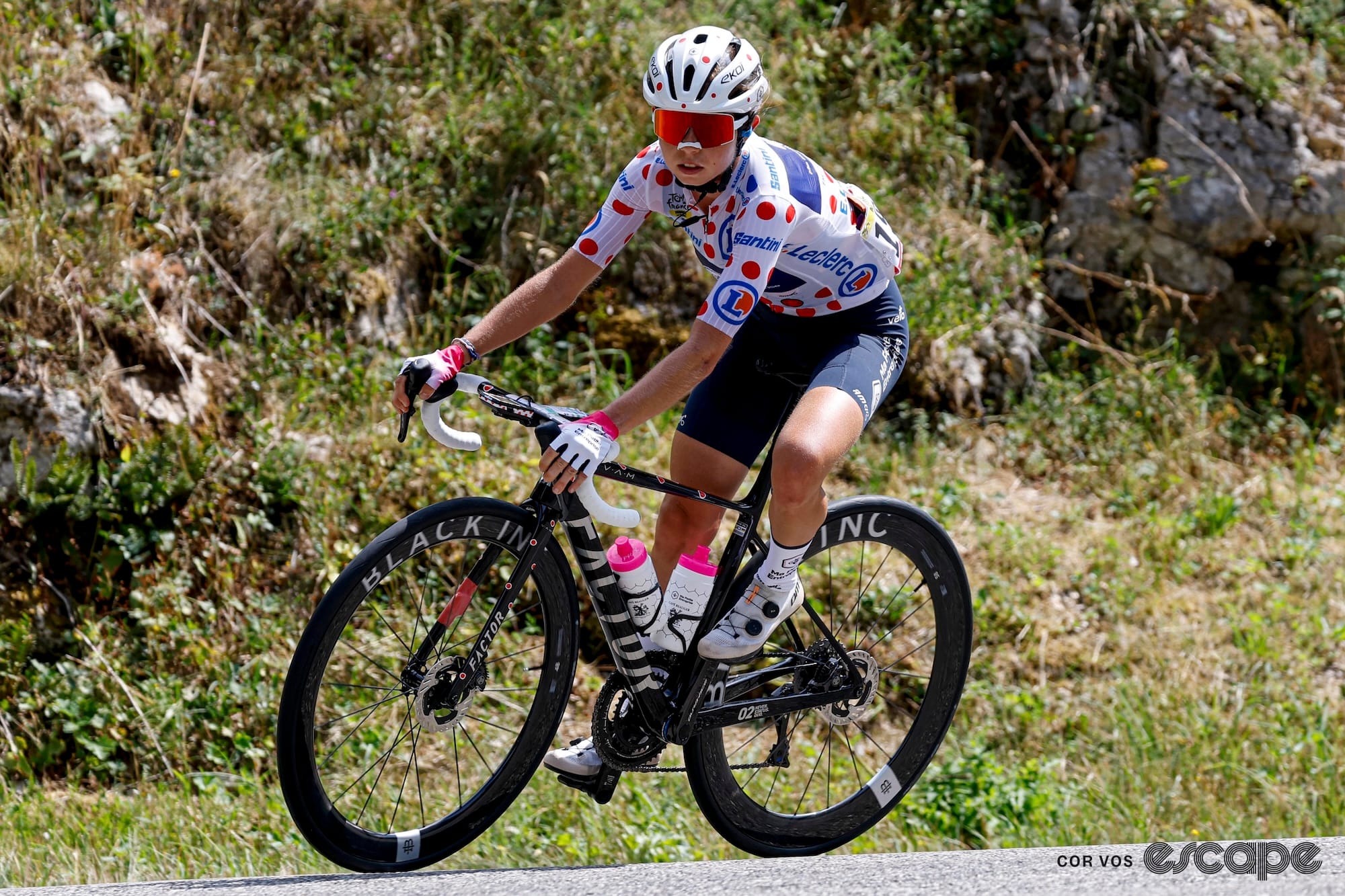 Océan Mahe in polka dots at the 2026 Tour.
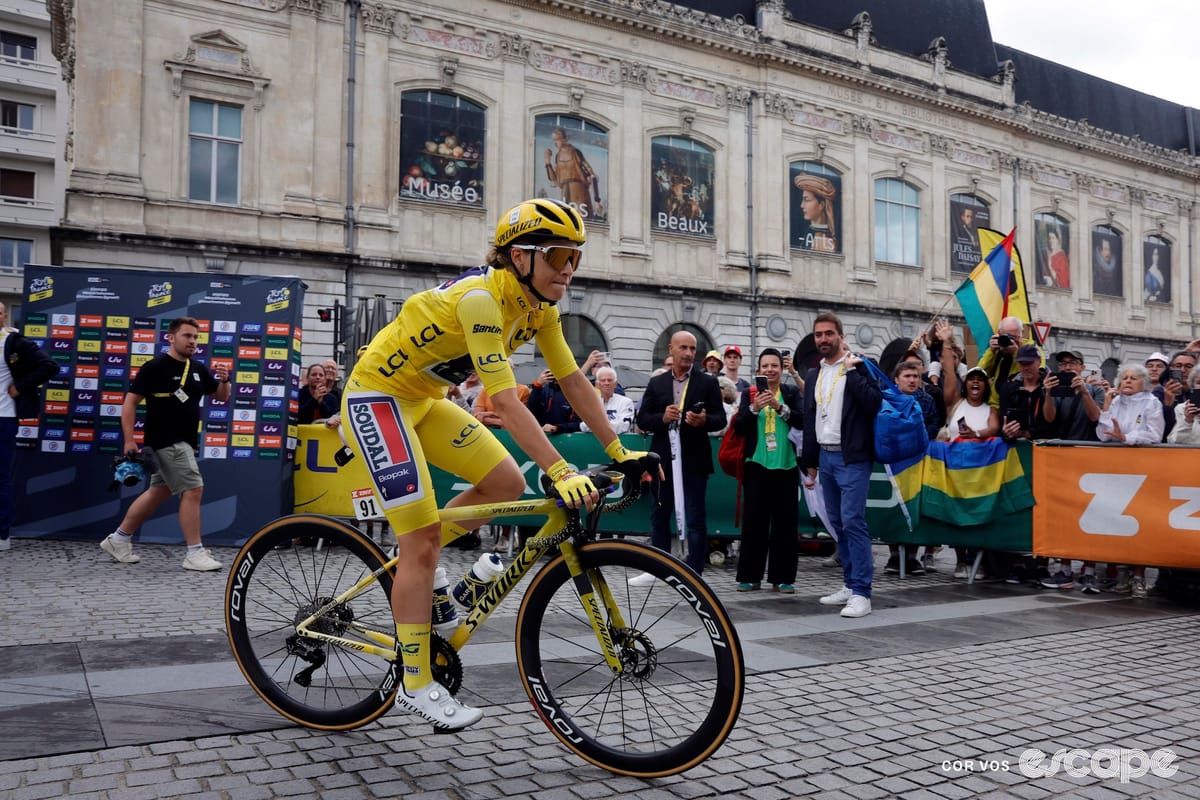
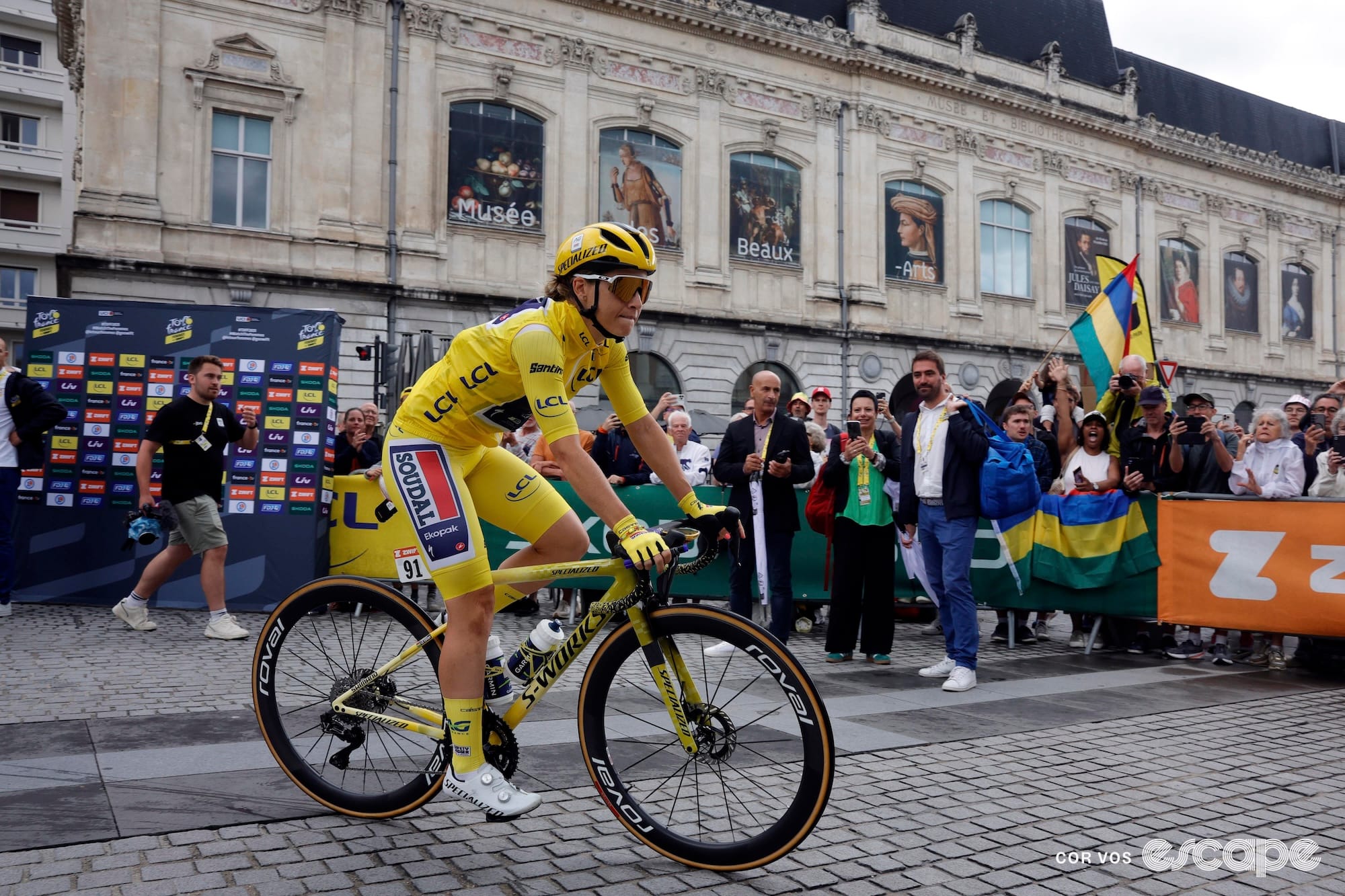
The other side of the conversation is the one Kim Le Court-Pienaar started at last year’s Tour, when she won a stage and took the yellow jersey while on her period. The difference was she was backed by a team that had already factored it into their race preparation. Le Court-Pienaar wasn’t talking about absence or loss but rather, about performance, preparation, and a team that treated her cycle as information worth having.
This post is for paying subscribers only
Subscribe now
Already have an account? Sign in
Did we do a good job with this story?
👍Yep
👎Nope