
In this week’s instalment of Motorcraft Classic Fords, we’re profiling the EB, EF and EL Falcons which collectively won multiple Australian Touring Car Championships and Bathurst 1000s for Ford in the early 5-litre/V8 Supercar era.
EB Falcon
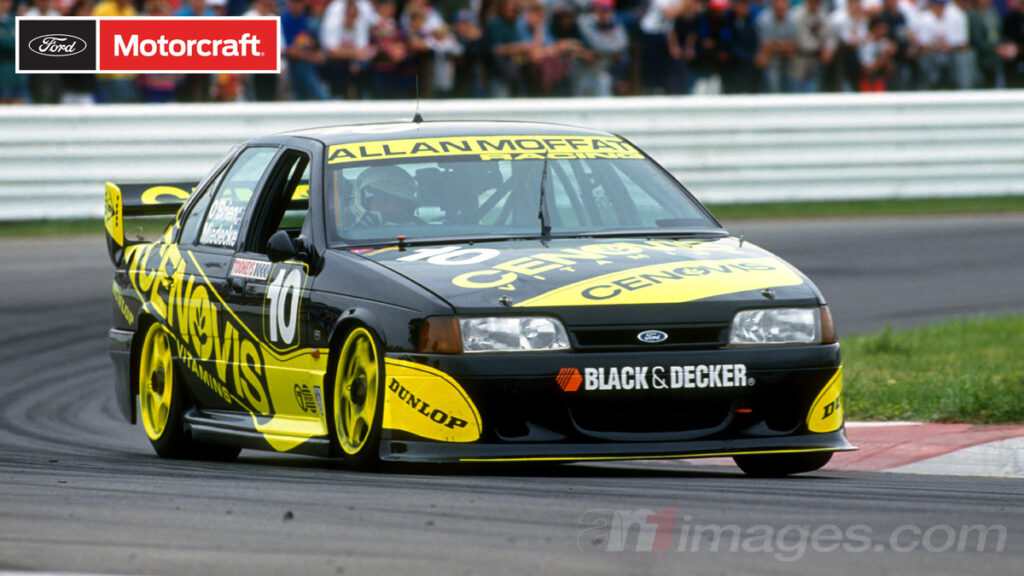
Australian touring car racing went ‘back to the future’ with a return to Ford versus Holden V8 competition in late 1992 ahead of a full-blown move to Falcon and Commodore-focused racing for 1993.
The Holden team’s Commodores were an evolution of the existing VN Group A model, whereas Ford teams had a clean sheet of paper given the Falcon had not been a Group A car and last appeared in top-line Aussie touring car racing at the end of the Group C era in 1984.
One of the big changes for the new Falcon was its five-litre V8 engine. Ford turned to the United States to its SVO Motorsport division and the result was a five-litre motor running 10:1 compression ratio and rev limited to the category-mandated 7500rpm.
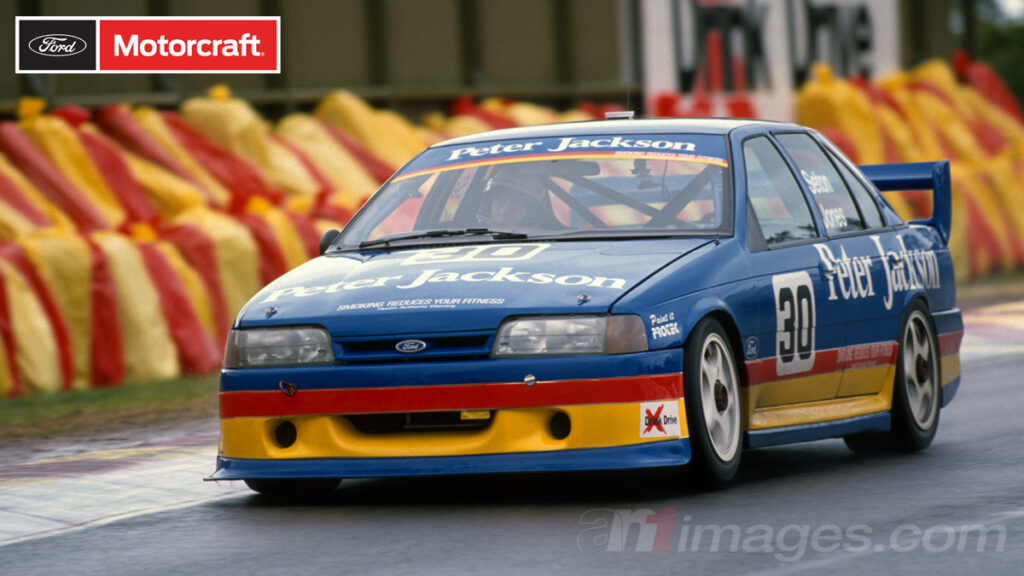
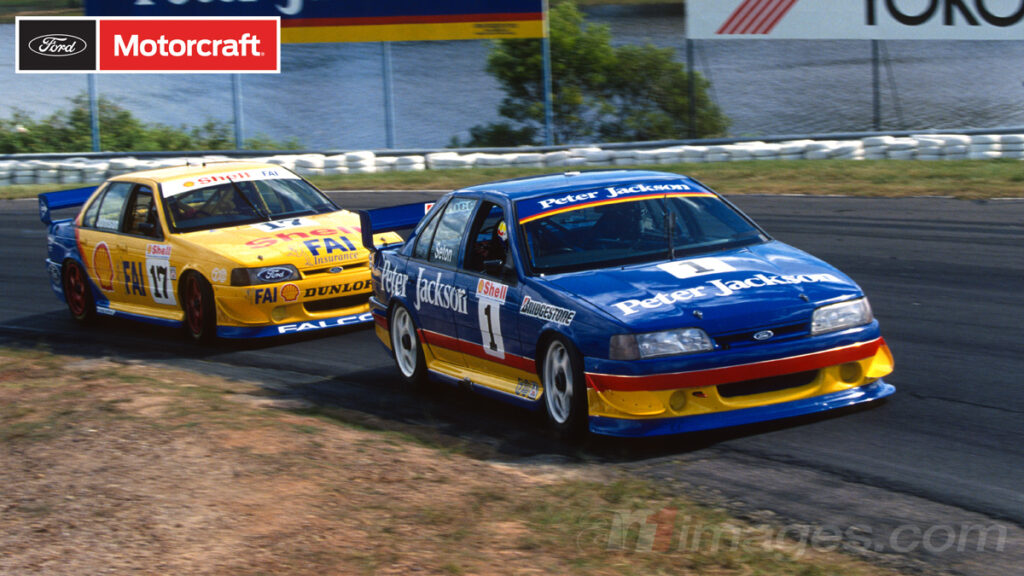
The Falcon EB made its race debut in touring car competition in the 1992 Drink Drive Sandown 500 where a single car built by Glenn Seton’s Peter Jackson Racing team competed.
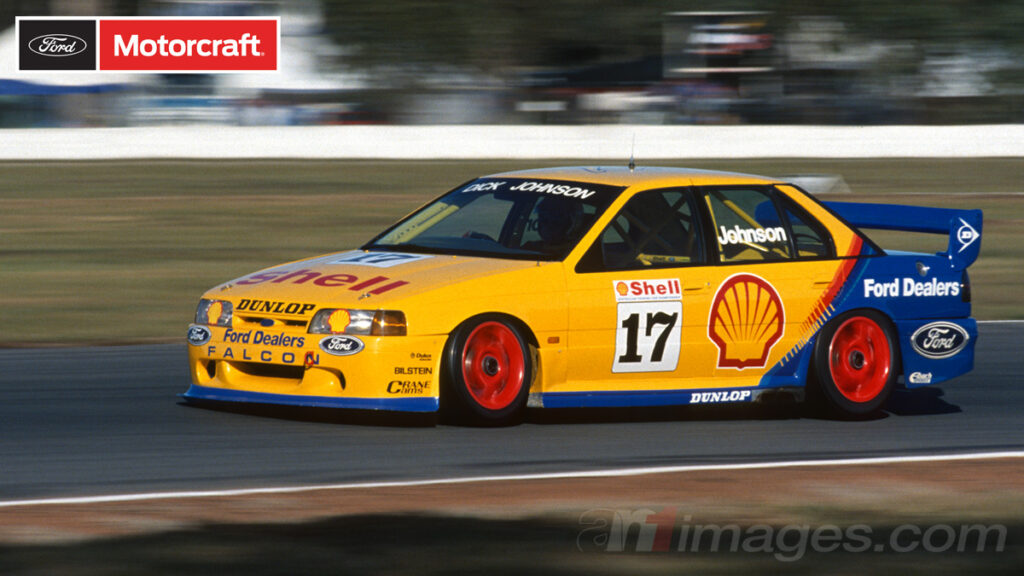
The EB Falcon proved the car to have in early 1993 as the Seton and Johnson teams dominated the first part of the Australian Touring Car Championship, until a mid-season aero tweak for the Commodores reversed the tables.
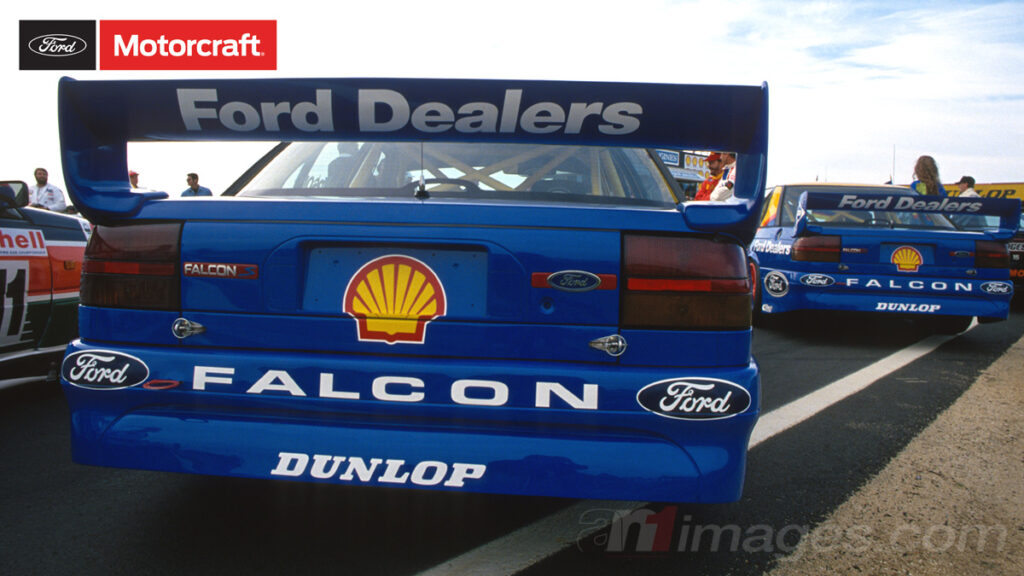
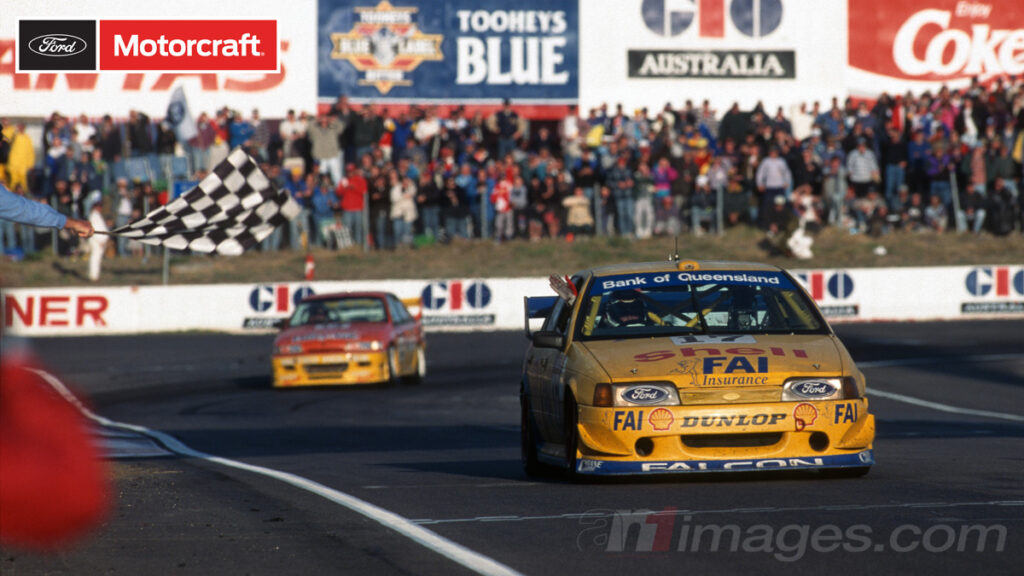
For 1994 the appearance of the EB Falcons changed slightly with a revised aero kit. In a bid to achieve parity, a small Gurney lip was added to the rear wing and small dive planes were added to the front spoiler to produce an EB II model race car.
There were 12 Falcons built as EBs that raced in Australian touring car and/or the V8 Supercars era: five from Glenn Seton Racing, four from Dick Johnson Racing and singles from Kevin Waldock, Allan Moffat and Garry Willmington.
EF Falcon
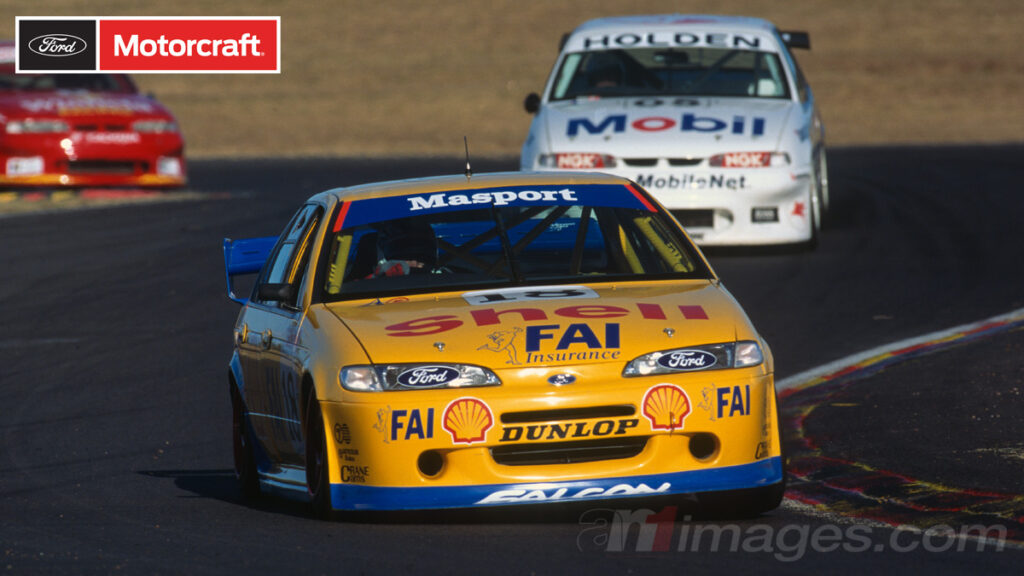
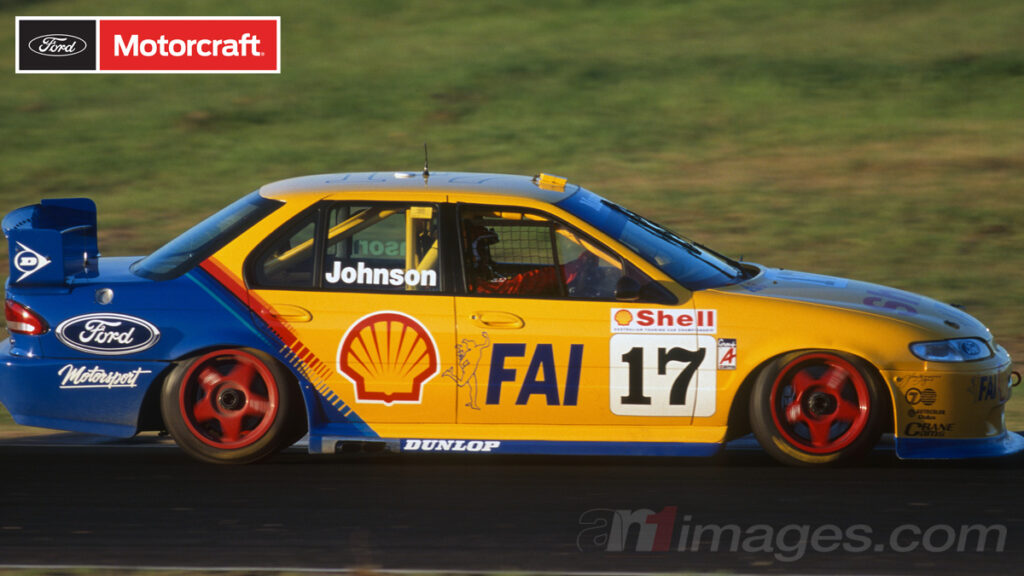
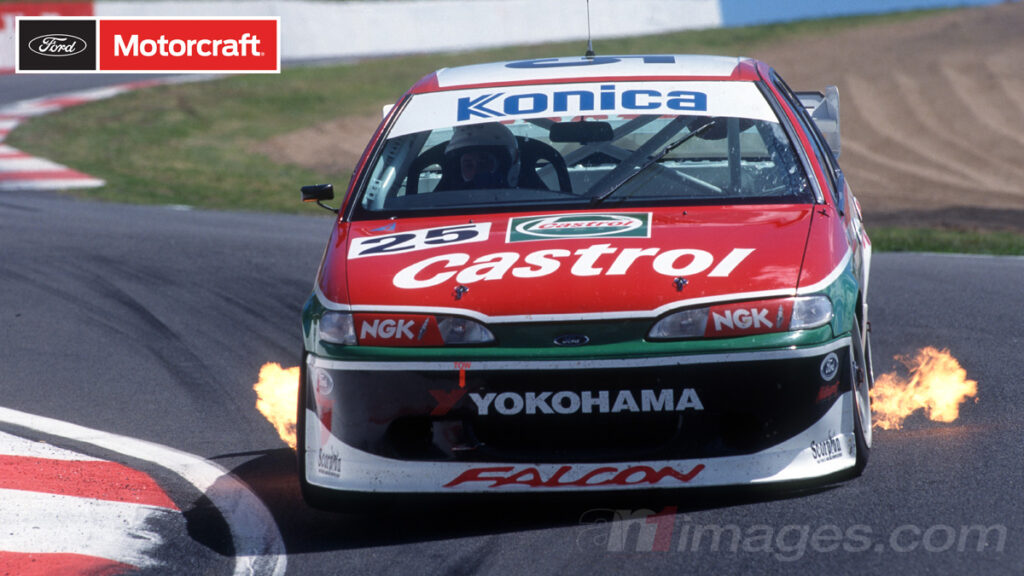
Ford’s EF model Falcon road car was launched in August 1994 and the racing version was homologated to be permitted to race in Australian V8 touring car competition from the start of the following year in 1995.
Some teams elected to convert its existing chassis and EB model race cars to the new panels of the EF model, while others built EF race cars from scratch.
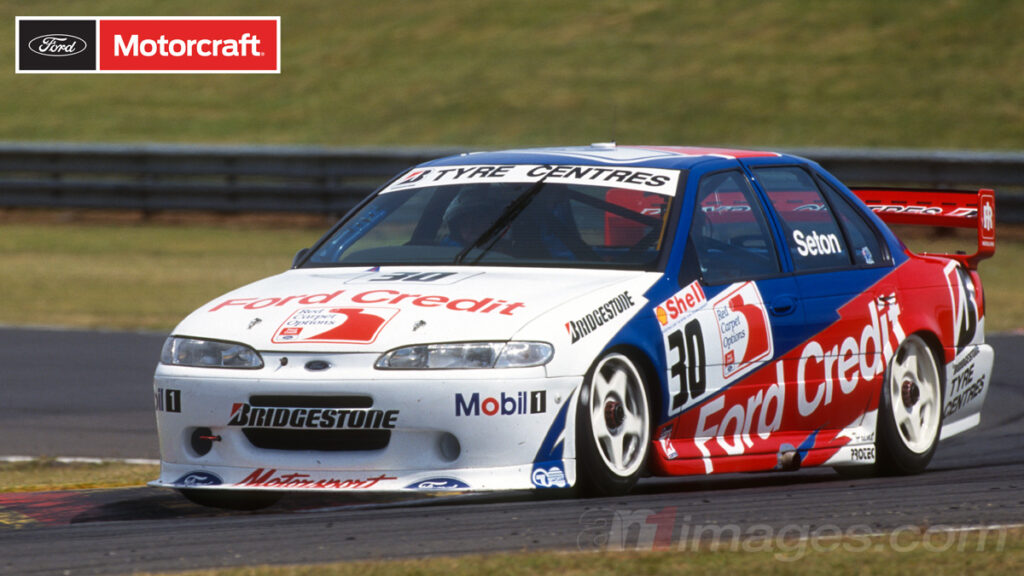
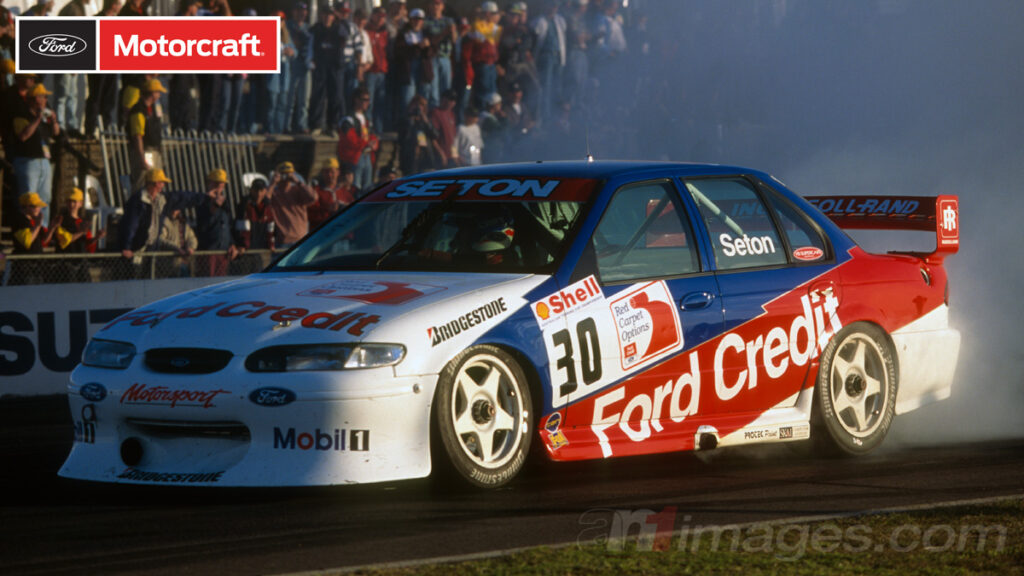
The new EF model made its debut in Glenn Seton’s hands at the 1995 Winfield Triple Challenge at Eastern Creek and won its debut race before finishing second overall for the day.
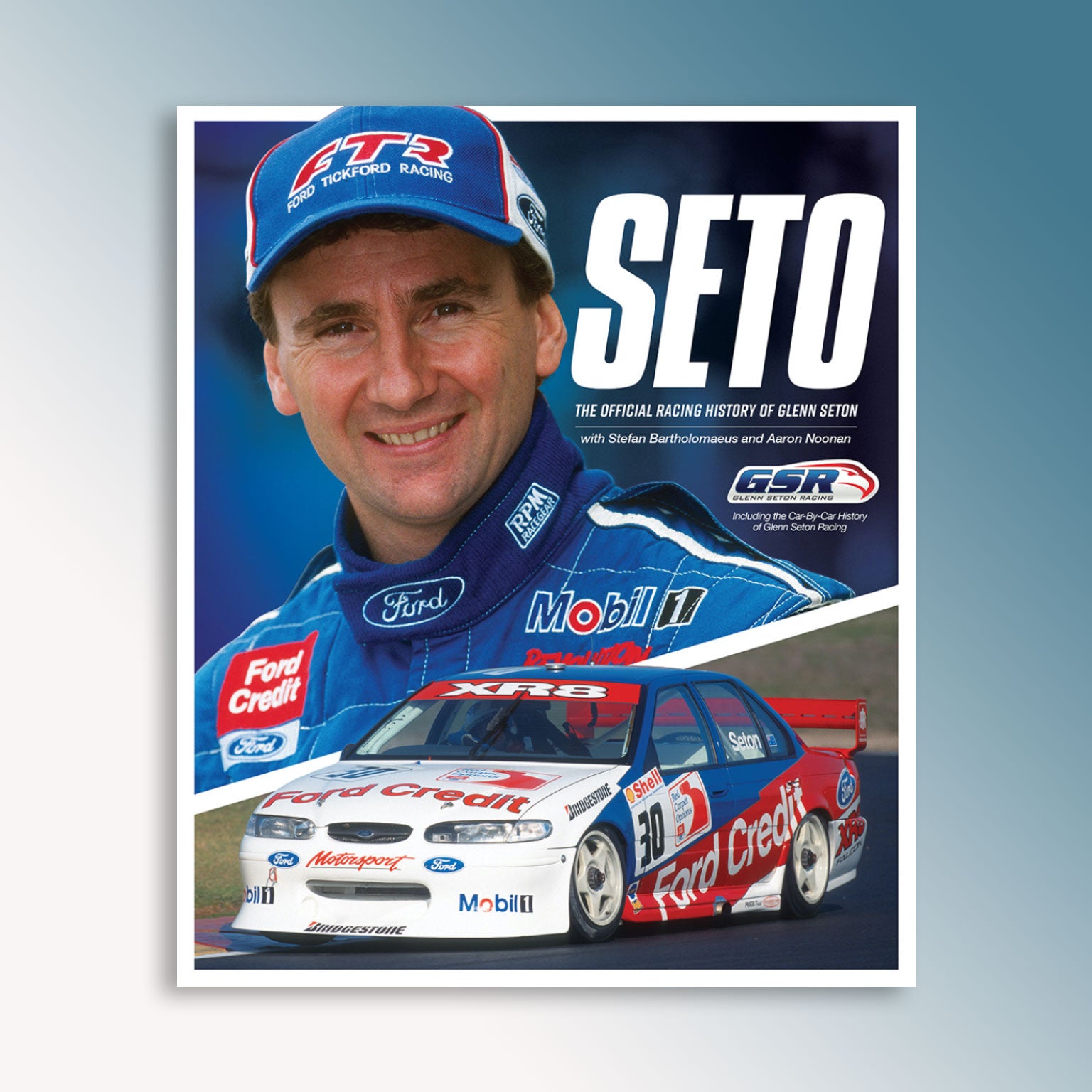
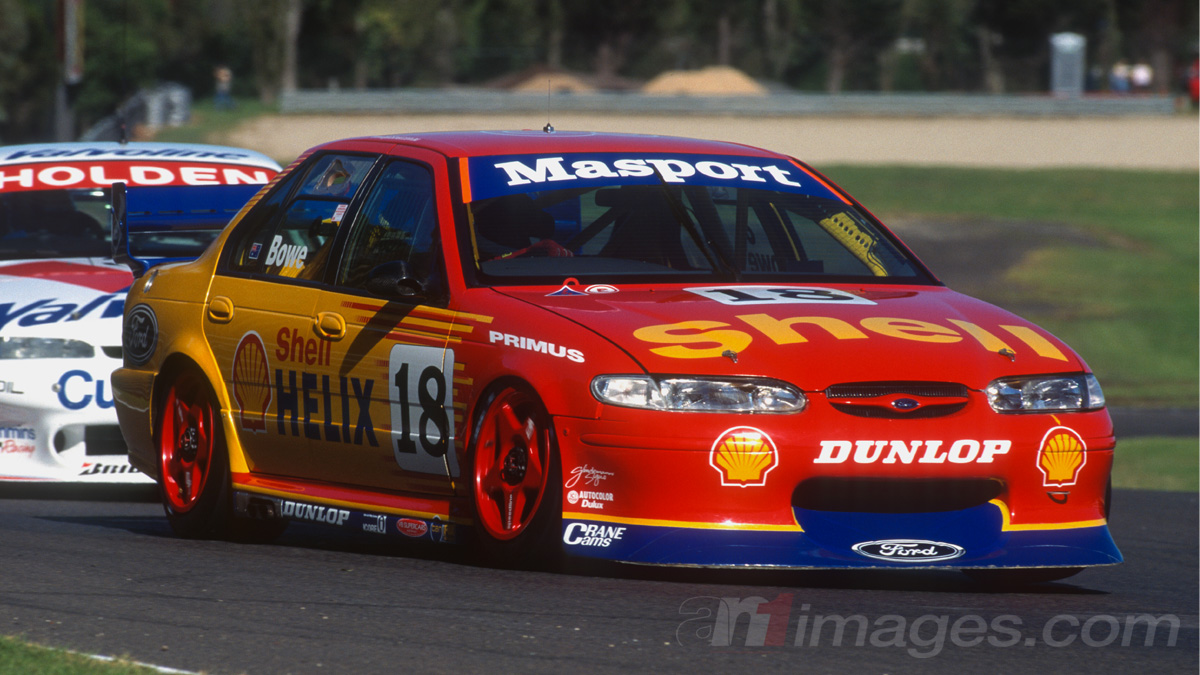
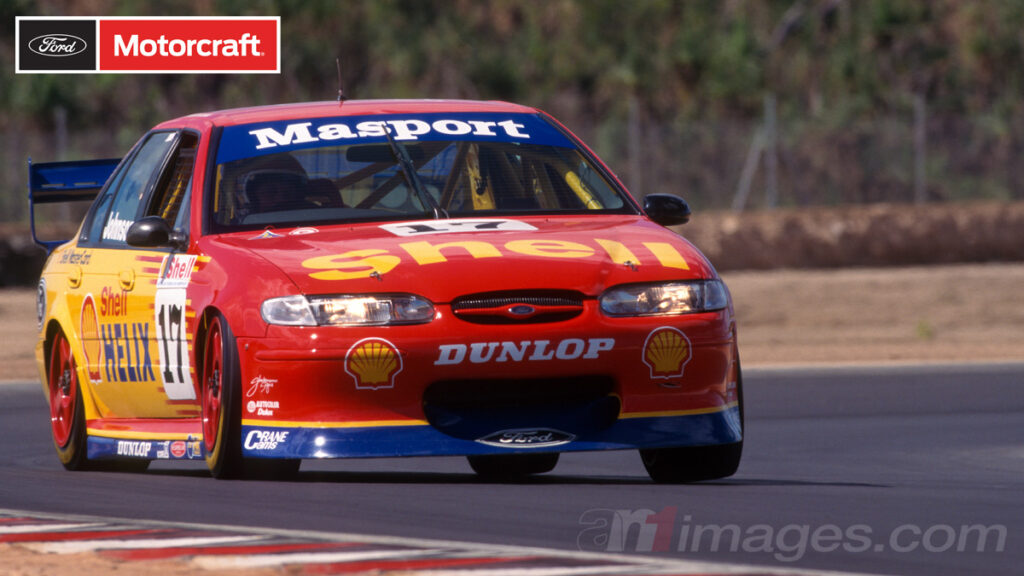
John Bowe took his Shell-FAI Racing EF to victory in the Australian Touring Car Championship that season, though all Ford teams were forced to trim the front undertray of their EFs by 200-millimetres prior to the endurance races at Sandown and Bathurst.
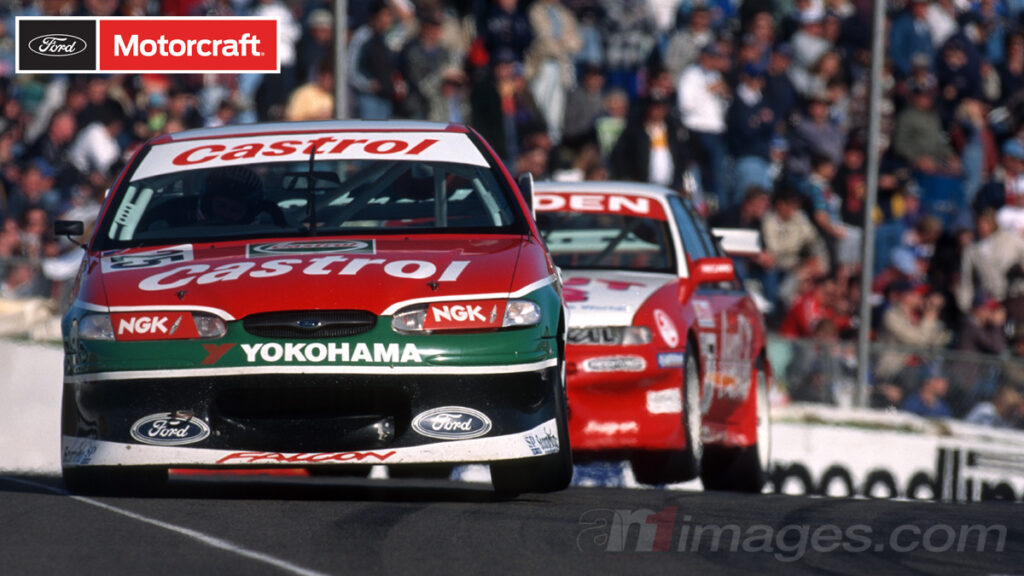
The EF Falcon spent two seasons at the top line of Australian touring car racing in 1995 and 1996 before the introduction of the facelifted EL.

EL Falcon
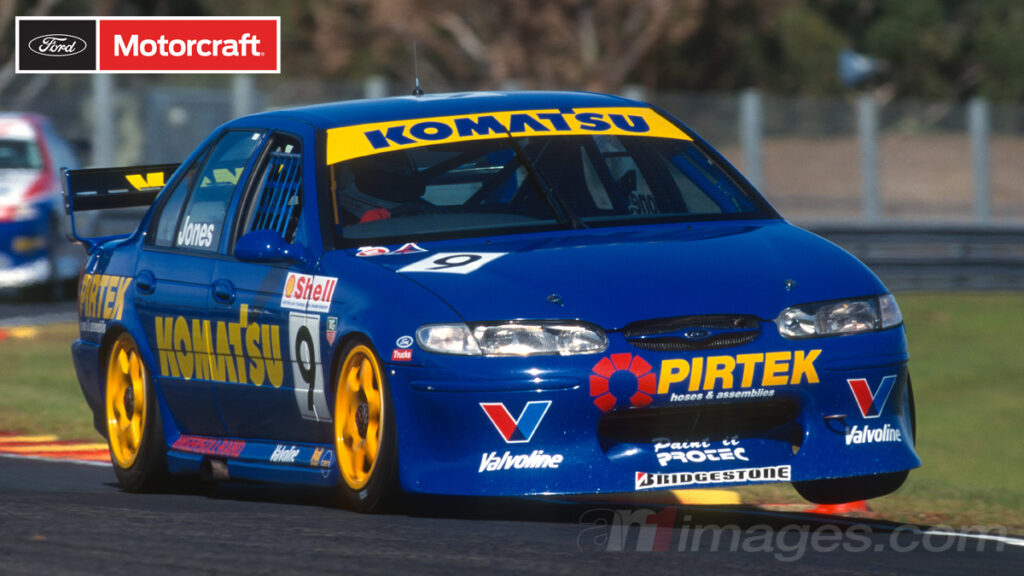
Ford’s EL model Falcon road car was launched in October 1996 and made its debut as a V8 Supercar the following year in 1997.
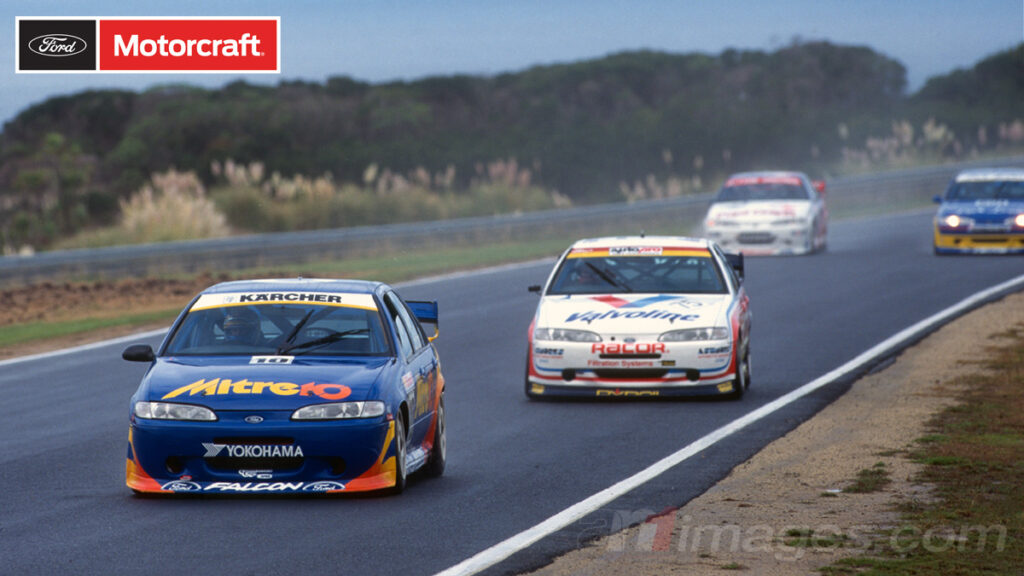
Essentially an aerodynamic upgrade over the previous EF, the EL race car featured a more aggressive front nose and revamped rear wing. The EL’s gaping central air intake was indeed a very easy way to spot the new model from its predecessor and the introduction of the new model also meant a return to a full length front undertray.
The EL Falcon made its debut at the non-championship Australian Grand Prix races at Albert Park, squaring off against Holden’s new ‘facelift’ VS Commodore, which was basically an aero update from the previous VR.
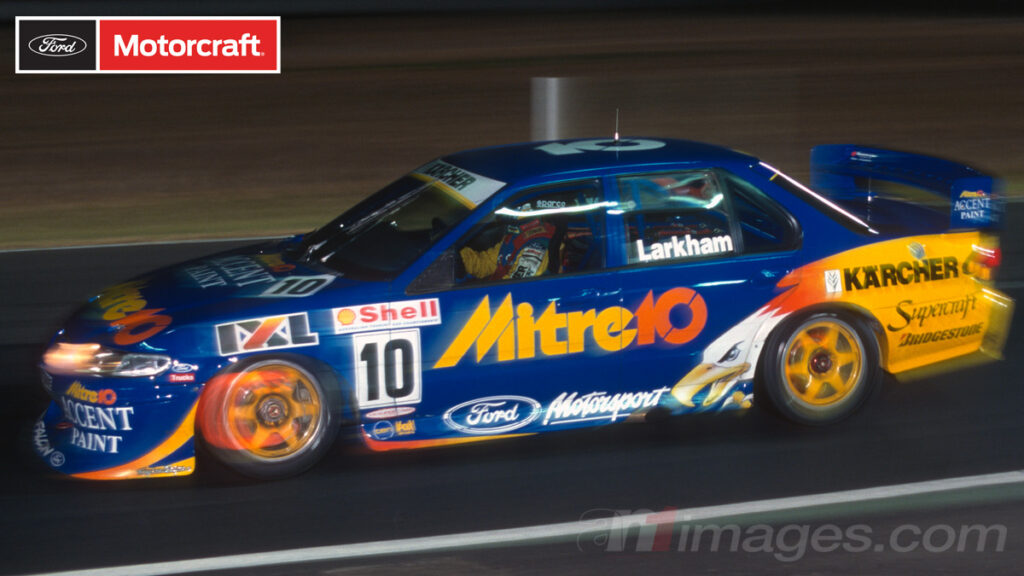
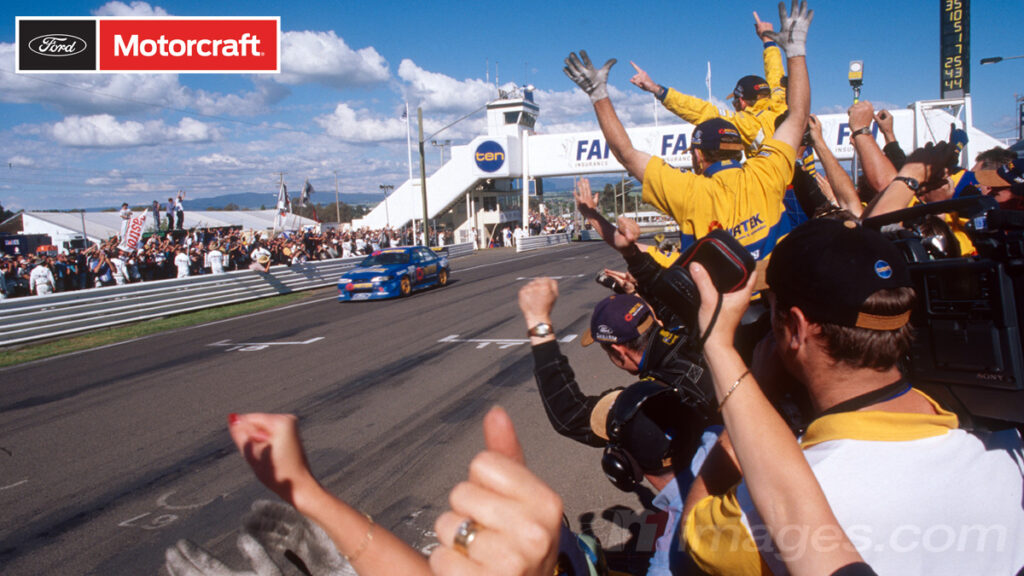
The EL was responsible for victory in the 1997 Australian Touring Car Championship in the hands of Glenn Seton and it conquered Bathurst the following year with Stone Brothers Racing and drivers Jason Bright and Steve Richards, giving the EL the perfect send-off as Ford’s primary V8 Supercar weapon.
For 1998 the EL Falcon had started the year up against the VS Commodore, however the introduction of Holden’s new VT at Calder meant the EL was granted an aero update that featured a more efficient, ribbed, front undertray. Its rear wing was also raised just over 50mm in a bid to get it up into more cleaner air flow to enhance the car’s rear downforce levels.
The EL Falcon spent two seasons at the top line of V8 Supercar racing in 1997 and 1998 before the introduction of the all-new AU model for 1999.
Images: AN1 Images/Graeme Neander, Andrew Hall