
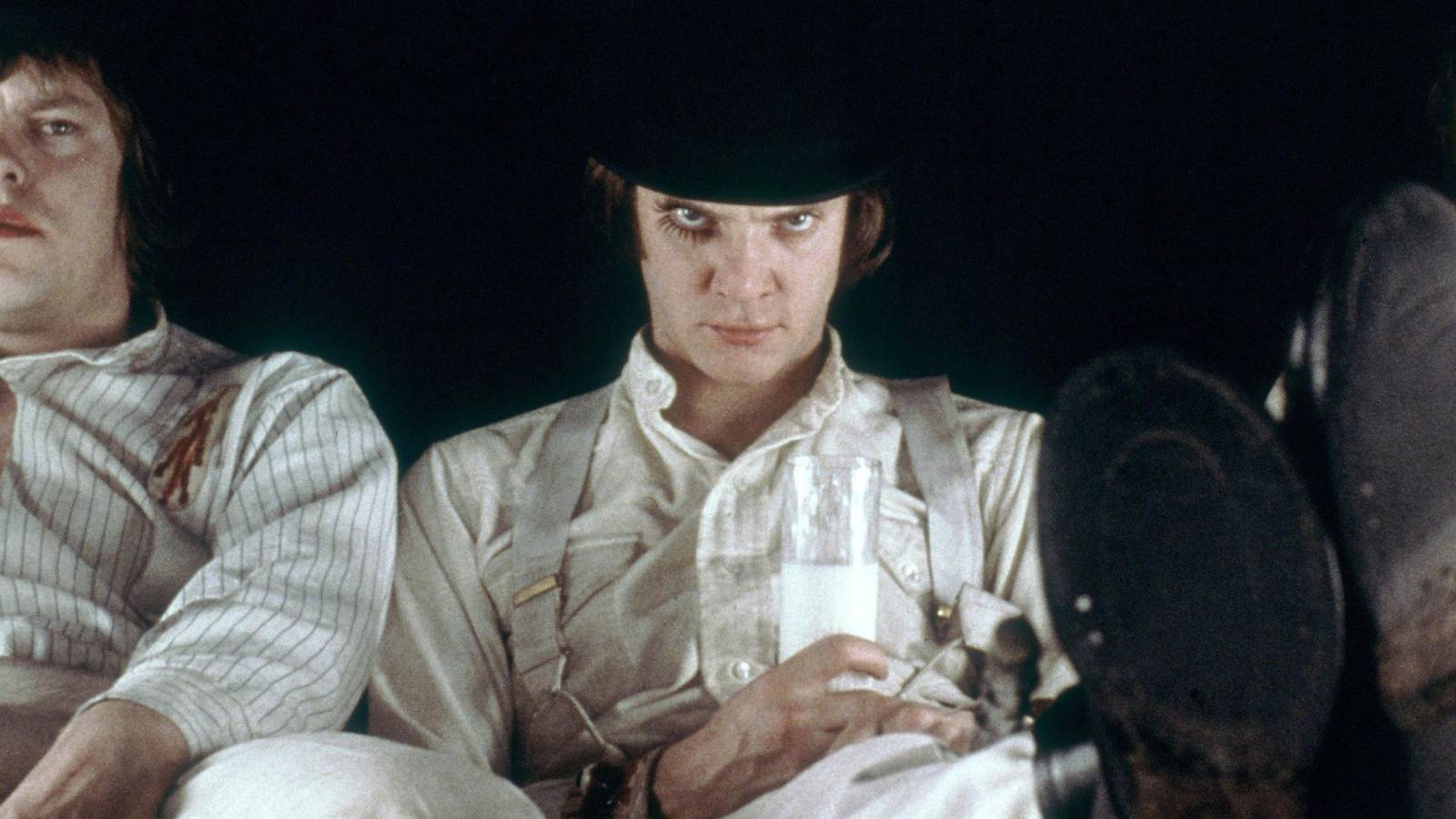
1971 was a pivotal year within cinematic history because it split the difference between two different eras. The “New Hollywood” era that had unofficially started with the Arthur Penn classic Bonnie & Clyde in 1967 was in full effect, as Hollywood had begun investing in more auteur-driven projects from prestige directors, many of which actually managed to be crossover hits with mainstream audiences who would take a chance on stranger cinema. Since Jaws and Star Wars were still a few years away, the industry had not generated such lofty financial goals that the rest of its prospects within the realm of blockbuster filmmaking were unsustainable.
55 years is enough time for films to age so that they become “classics,” but what’s remarkable is that the best of 1971 tend to still feel modern within their filmmaking approach, empathy for human connection, and thought-provoking ideas.
10
‘Walkabout’ (1971)
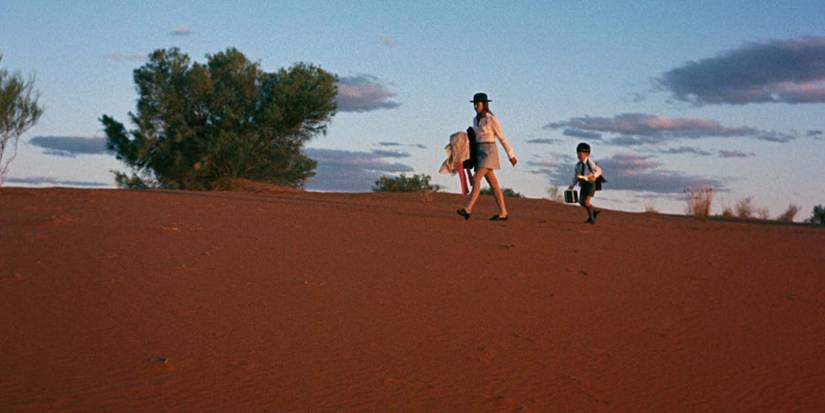
Jenny Agutter and Luc Roeg walk in the desert in ‘Walkabout’Image via 20th Century Studios
Walkabout is both one of the most important films of the “Australian New Wave” and an untraditional Western that used real traditions among the indigenous Aboriginal Australians of the Outback to craft a compelling coming-of-age adventure story about a young boy facing a rite of passage.
Few films have better understood the specific moments in which children are forced to “grow up” as a result of the perilous situations that surround them, and the brilliant filmmaker Nicolas Roeg was able to offer a respectful depiction of Aboriginal traditions that still captured the potential for epic storytelling. Roeg would eventually be best known as a genre filmmaker thanks to his work on horror films like Don’t Look Now and The Man Who Fell To Earth, but Walkabout is a surprisingly tender film that shows the perspective of a child in a mature way.
9
‘Klute’ (1971)
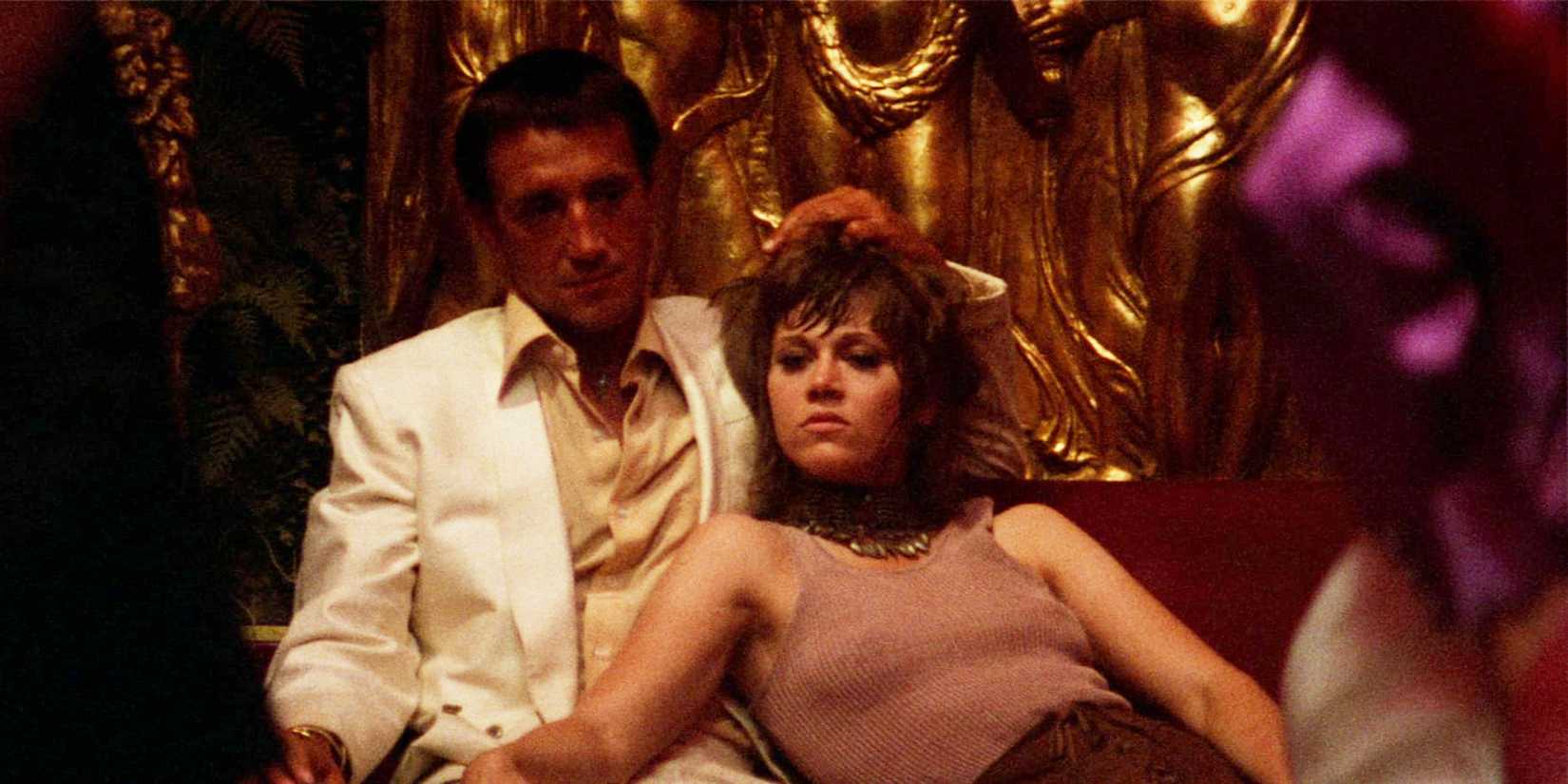
Image via Warner Bros.
Klute was one of the many great paranoid thrillers directed by Alan J. Pakula, and it helped to solidify Jane Fonda as one of the most important actresses of her generation by winning her an Academy Award for Best Actress. Fonda stars as a New York call girl who becomes embroiled in a murder investigation when she is asked to assist a detective (played by Donald Sutherland), leading them into a potentially dangerous romance.
Klute looked at the terror surrounding psychopathic serial killers before the term became crystalized, and offered a procedural mystery that nonetheless went in surprising and unorthodox directions. While it was obviously drawing from many of the hardboiled and private eye detective stories that had become iconic over the course of the ‘40s, Klute pushed the material into darker, gritter directions in order to reflect the changing sentiments among the American population.
8
‘The Last Picture Show’ (1971)
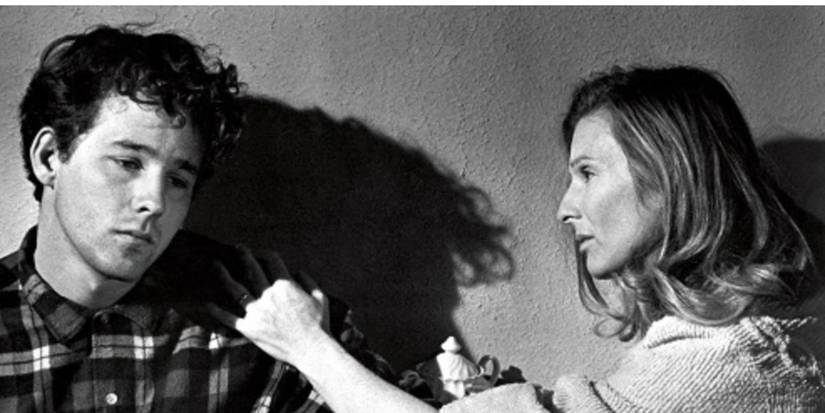
Timothy Bottoms and Cloris Leachman as Sonny and Ruth sitting and grabbing Sonny’s shirt in ‘The Last Picture Show’Image via Colombia Pictures
The Last Picture Show is one of the best films directed by Peter Bogdanovich, as his style of ruthlessly independent, sincere human empathy was perfectly-suited for this Texan coming-of-age story about high school graduates reflecting upon the life ahead of them as they look at the uncertain future. Bogdanovich has always had a talent for scouting out young talent and giving them a platform, but The Last Picture Show featured one of his greatest discoveries with Jeff Bridges, who would go on to become one of the most significant movie stars of the next 50 years.
The Last Picture Show is appropriately melancholy and understands the mounting pressure of living within a small town, and features warm nostalgia about the love of going to a movie theater. It’s also one of the most accurate and earnest depictions of Texas in cinema, as it’s free from outdated stereotypes.
7
‘A New Leaf’ (1971)
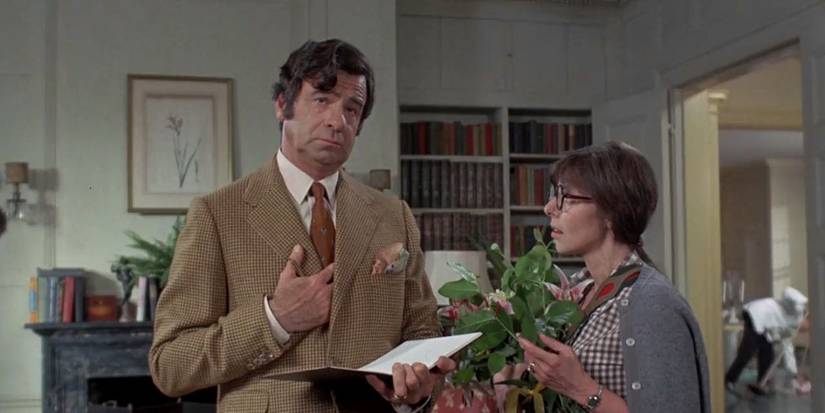
Image via Paramount Pictures
A New Leaf was a brilliant directorial debut from Elaine May, the hilarious standup comic who had toured for years with the future filmmaker Mike Nichols. Although May sadly only ever directed four films, and was meticulous in crafting her vision for them all, A New Leaf might be her most accessible work because it takes a slightly morbid premise and twists it into being more optimistic and joyous.
May also starred in the lead role in a New Leaf, something that she only agreed to do after buckling under studio pressure; she was perfect to play a mousy, clumsy young heiress, and developed terrific chemistry with Walter Matthau in one of his many grumpy, yet surprisingly charismatic roles. There are some ‘70s comedies that were impressive “for the time they were made,” but A New Leaf is straight-up hilarious, even to this day.
6
‘The Panic in Needle Park’ (1971)
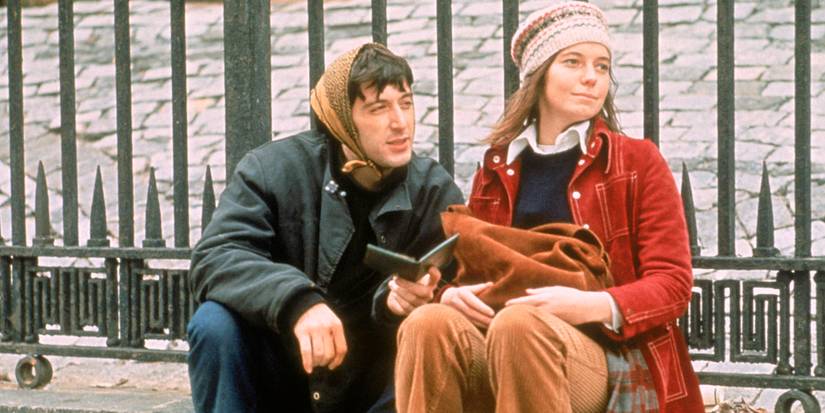
Kitty Winn and Al Pacino in The Panic in Needle ParkImage Via 20th Century Studios
The Panic in Needle Park was the film that broke out Al Pacino to the film industry, as he had been a relatively unknown, yet respected theater actor before Francis Ford Coppola decided to take a chance on him. Hollywood was in the process of loosening up its ratings system in order to accommodate more graphic and potentially controversial content within mainstream films, and The Panic in Needle Park was a major breakthrough in looking at the perilous struggles of addiction, particularly within major metroplexes like New York.
The Panic in Needle Park is completely grounded and does not feel manipulative in its narrative staging, and Pacino’s background in theater made him perfect for a subtle, restrained role that could not have been more different than the more eccentric, over-the-top performances he would start to give in the ‘90s and beyond.
5
‘McCabe & Mrs. Miller’ (1971)
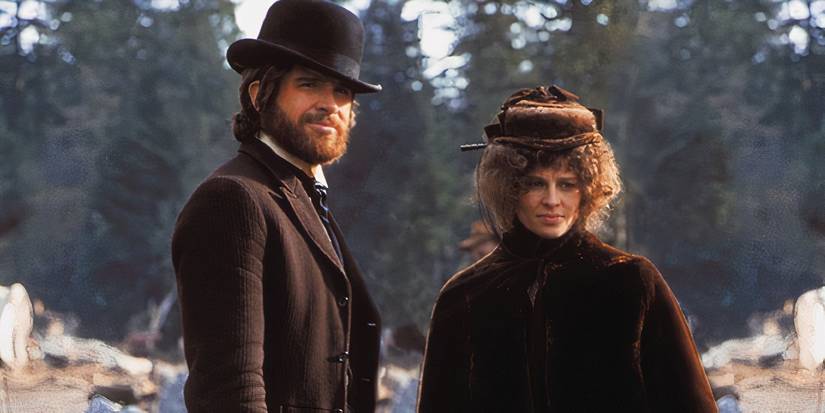
Warren Beatty and Julie Christie in ‘McCabe and Mrs Miller’Image via Warner Bros.
McCabe & Mrs. Miller is the perfect Western because Robert Altman was not interested in reiterating tropes about the “Wild West,” and instead decided to tell a grounded story about real people trying to survive among perilous physical and financial circumstances. Altman was so dedicated to the authenticity of the film that he had the crew build an actual small town that the cast would live in so that they could get into character.
McCabe & Mrs. Miller features a duo of great performances, including Julie Christie in a role that earned her an Academy Award nomination for Best Actress and Warren Beatty showing much more vulnerability and sheepishness than any other leading man of his generation would have been willing to give. It’s not only a corrective to the mythologization of the Western genre, but one that Altman used to offer commentary on the America of 1971.
4
‘Dirty Harry’ (1971)
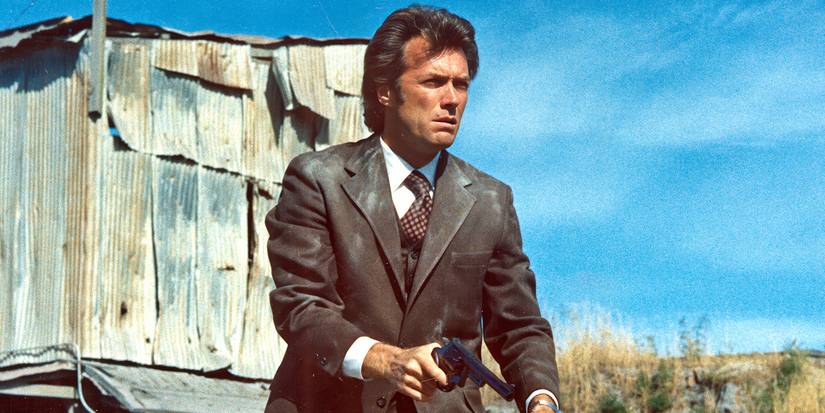
Image via Warner Bros.
Dirty Harry kicked off one of the biggest franchises of the decade and gave Clint Eastwood his most iconic role since “The Man With No Name” in the “Dollars Trilogy” from Sergio Leone. Dirty Harry is a gritty cop thriller that featured Eastwood at his most cool and calculating, and introduced one of the decade’s best villains in the serial killer Scorpio (Andrew Robinson), who felt even more terrifying in the wake of actual criminals like the Zodiac killer.
Dirty Harry is an uncompromising cat-and-mouse game about a hero who takes the law into his own hands, but the first film in the series does a great job at ensuring that Harry feels like a real character, and not just someone who delivers one-liners. It’s surprisingly lean and mean, and marked one of the many successful collaborations between Eastwood and director Don Siegel.
3
‘Willy Wonka & The Chocolate Factory’ (1971)
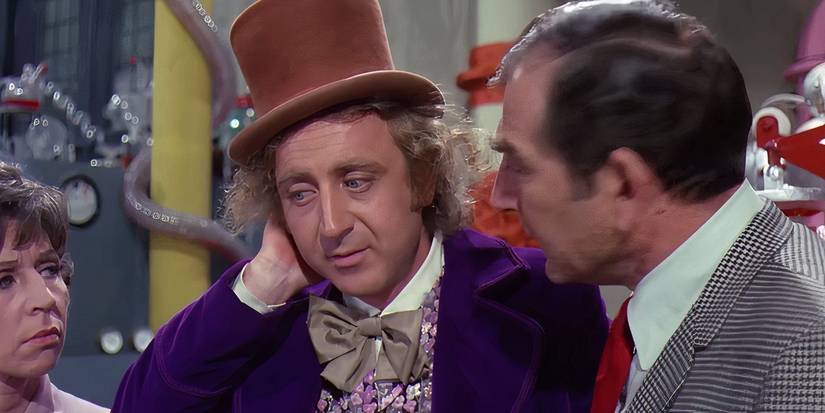
Image via Paramount Pictures
Willy Wonka & the Chocolate Factory is as perfect as family films can get, and also pulled off the very difficult task of adapting a Roald Dahl book, which has been a struggle for many filmmakers. It’s a whimsical film that is surprisingly honest about the challenges that children are faced with, and features terrific music that has stood the test of time; that being said, the reason that Willy Wonka & the Chocolate Factory was and remains timeless is Gene Wilder’s casting, as it was a role that only he could have played.
Wilder was able to bring a malevolent, yet just persona to a character who is either being entirely sincere or completely sarcastic at any point in time, making it fascinating to examine what his intentions are. Wilder didn’t have to turn down his comedic sensibilities because he was in a film aimed at kids, and the result is one of cinema’s most beloved characters.
Collider Exclusive · Oscar Best Picture Quiz
Which Oscar Best Picture
Is Your Perfect Movie?
Parasite · Everything Everywhere · Oppenheimer · Birdman · No Country
Five Oscar Best Picture winners. Five completely different visions of what cinema can be — and what it can do to you. One of them is the film that was made for the way your mind works. Ten questions will figure out which one.
🪜Parasite
🌀Everything Everywhere
☢️Oppenheimer
🐦Birdman
🪙No Country for Old Men
FIND YOUR FILM →
01
What kind of film experience do you actually want?
The best movies don’t just entertain — they leave something behind.
ASomething that pulls the rug out — that makes me think I’m watching one kind of film and then reveals I’m watching another entirely.
BSomething overwhelming — funny, sad, absurd, and genuinely moving, all at once.
CSomething grand and weighty — a film that makes me feel the full scale of what I’m watching.
DSomething formally daring — a film that pushes what cinema can even do.
ESomething lean and relentless — pure tension with no wasted frame.
NEXT QUESTION →
02
Which idea grabs you most in a film?
Great films are driven by a central obsession. What’s yours?
AClass, inequality, and what people are willing to do when desperation meets opportunity.
BIdentity, family, and the chaos of trying to hold your life together when everything is falling apart.
CGenius, moral responsibility, and the catastrophic weight of a decision you can never take back.
DEgo, legacy, and the terror of becoming irrelevant while you’re still alive to watch it happen.
EEvil, chance, and whether moral order actually exists or if we just tell ourselves it does.
NEXT QUESTION →
03
How do you like your story told?
Form is content. The way a story is shaped changes what it means.
AGenre-twisting — I want it to start in one lane and migrate into something completely different.
BMaximalist and genre-blending — comedy, action, drama, sci-fi, all in one ride.
CEpic and non-linear — cutting between timelines, building a mosaic of cause and consequence.
DA single unbroken flow — I want to feel like I’m living it in real time, no cuts to safety.
ESpare and precise — every scene doing exactly what it needs to do and nothing more.
NEXT QUESTION →
04
What makes a truly great antagonist?
The opposition defines the protagonist. What kind of opposition fascinates you?
AA system — invisible, structural, and almost impossible to fight because it has no single face.
BThe self — the ways we sabotage, abandon, and fail the people we love most.
CHistory — the unstoppable momentum of events that no single person can stop or redirect.
DThe industry — the machinery of culture that chews up talent and spits out irrelevance.
EPure, implacable evil — a force so certain of itself it becomes almost philosophical.
NEXT QUESTION →
05
What do you want from a film’s ending?
The final note is the one that lingers. What do you want it to sound like?
AShock and inevitability — a conclusion that recontextualises everything that came before it.
BEarned emotion — I want to cry, laugh, and feel genuinely hopeful, even if the world is a mess.
CDevastation and grandeur — an ending that makes me sit in silence for a few minutes after.
DAmbiguity — something that leaves enough open that I’m still thinking about it days later.
EBleakness — an honest refusal to pretend the world is tidier than it actually is.
NEXT QUESTION →
06
Which setting pulls you in most?
Where a film takes place shapes everything — mood, stakes, what’s even possible.
AA gleaming modern city with a hidden underside — beauty masking rot, wealth masking desperation.
BA collapsing suburban life that opens onto something infinite — the multiverse of a single ordinary person.
CThe corridors of power and science at a world-historical turning point — where decisions echo for decades.
DThe grimy, alive chaos of New York and Hollywood — fame as both destination and trap.
EVast, indifferent landscape — desert and highway where violence arrives without warning or reason.
NEXT QUESTION →
07
What cinematic craft impresses you most?
Every great film has a signature — a technical or artistic element that makes it unmistakable.
AProduction design and mise-en-scène — every frame composed to carry meaning beneath the surface.
BEditing and tonal control — the ability to move between registers without losing the audience.
CScore and sound design — music that becomes inseparable from the dread and awe of what you’re watching.
DCinematography as performance — the camera not recording events but participating in them.
ESilence and restraint — what’s left unsaid and unshown doing more work than any dialogue could.
NEXT QUESTION →
08
What kind of main character do you root for?
The protagonist is the lens. Who you choose to follow says something about you.
ASomeone smart and resourceful who makes increasingly dangerous decisions under pressure.
BSomeone overwhelmed and ordinary who turns out to be capable of something extraordinary.
CA brilliant, tortured figure whose gifts and flaws are inseparable from each other.
DA self-destructive artist whose ego is both their superpower and their undoing.
EA quiet, principled person trying to make sense of a world that has stopped making sense.
NEXT QUESTION →
09
How do you feel about a film that takes its time?
Pace is a choice. Some films sprint; others let tension accumulate slowly, deliberately.
AI love a slow build when I know the payoff is going to be seismic — patience for a devastating reveal.
BGive me relentless momentum — I want to feel breathless and emotionally spent by the end.
CEpic runtime doesn’t scare me — if the material demands three hours, give me three hours.
DI want it to feel propulsive even when nothing is technically happening — restless energy throughout.
EDeliberate and unhurried — I want dread to accumulate in the spaces between the action.
NEXT QUESTION →
10
What do you want to feel walking out of the cinema?
The best films leave a mark. What kind of mark do you want?
AUnsettled — like I’ve just seen something I can’t fully explain but can’t stop thinking about.
BMoved and energised — like the film reminded me what actually matters and gave me something to hold onto.
CHumbled — like I’ve been in the presence of something genuinely important and overwhelming.
DExhilarated — like I’ve just seen cinema doing something it’s never quite done before.
EHaunted — like a cold, quiet dread that stays with me for days.
REVEAL MY FILM →
The Academy Has Decided
Your Perfect Film Is…
Your answers have pointed to one Oscar Best Picture winner above all others. This is the film that was made for the way your mind works.
Parasite
You are drawn to films that operate on multiple levels simultaneously — that begin in one genre and quietly, brilliantly migrate into another. Bong Joon-ho’s Parasite is a film about class, desire, and the architecture of inequality that manages to be darkly funny, deeply suspenseful, and genuinely shocking across a single extraordinary running time. Your instinct is for cinema that hides its true intentions until the moment it’s ready to reveal them. Parasite is exactly that — a film that rewards close attention and punishes assumptions, right up to its devastating final image.
Everything Everywhere All at Once
You want it all — and this film gives you all of it. The Daniels’ Everything Everywhere All at Once is one of the most maximalist films ever made: action comedy, multiverse sci-fi, family drama, existential crisis, and a genuinely earned emotional core that sneaks up on you amid the chaos. You are someone who responds to ambition, who doesn’t want cinema to choose between being entertaining and being meaningful. This film refuses that choice entirely. It is overwhelming by design, and its overwhelming nature is precisely the point — because the feeling of being crushed by infinite possibility is exactly what it’s about.
Oppenheimer
You are drawn to cinema on a grand scale — films that understand history not as a backdrop but as a force, and that place their characters inside that force and watch what happens. Christopher Nolan’s Oppenheimer is a film about the terrifying gap between what we can do and what we should do, told with the full weight of one of the most consequential moments in human history behind it. You want your films to feel important without feeling self-important — to earn their ambition through sheer craft and the gravity of their subject. Oppenheimer does exactly that. It is enormous, complicated, and refuses easy comfort.
Birdman
You are drawn to films that foreground their own construction — that make the how of the filmmaking part of the what it’s about. Alejandro González Iñárritu’s Birdman, shot to appear as a single continuous take, is cinema examining itself through the cracked mirror of a fading actor’s ego. You respond to formal daring, to the feeling that a film is doing something that probably shouldn’t be possible. Michael Keaton’s performance and Emmanuel Lubezki’s restless camera create something genuinely unlike anything else — a film that is simultaneously about creativity, relevance, self-destruction, and the impossibility of ever truly knowing if your work means anything at all.
No Country for Old Men
You are drawn to cinema that trusts silence, that refuses to explain itself, and that treats dread as a form of meaning. The Coen Brothers’ No Country for Old Men is a film about the arrival of a new kind of evil — implacable, arbitrary, and utterly indifferent to the moral frameworks we use to make sense of the world. It is one of the most formally controlled films ever made, and its controlled restraint is what makes it so terrifying. You want your films to haunt you, not comfort you. You are not interested in resolution if resolution would be dishonest. No Country for Old Men is honest in a way that most cinema never dares to be.
↻ RETAKE THE QUIZ
2
‘The French Connection’ (1971)
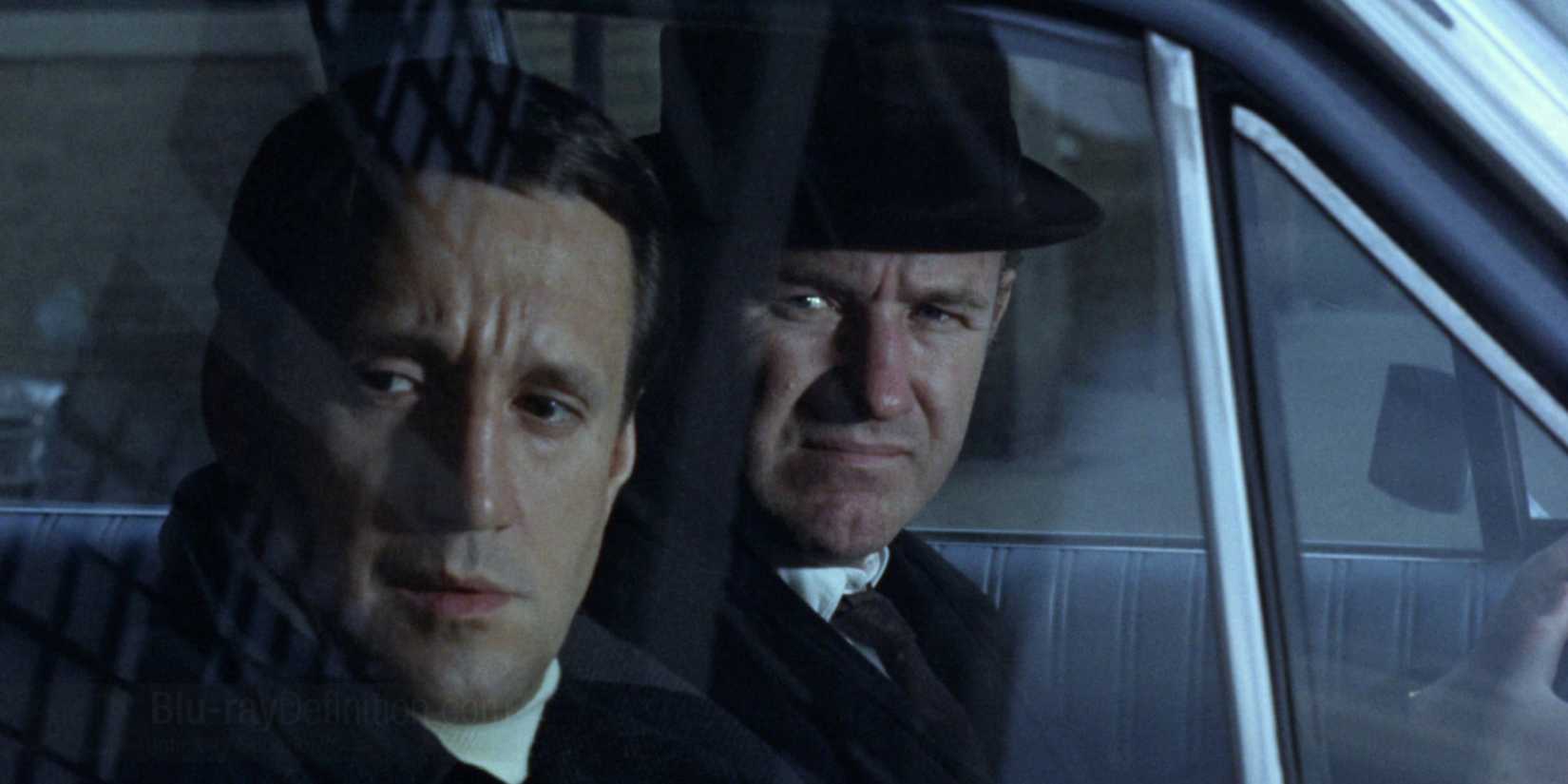
Roy Scheider and Gene Hackman in The French ConnectionImage via 20th Century Studios
The French Connection was a very worthwhile Best Picture winner that also took home Best Director for William Friedkin and Best Actor for Gene Hackman as Popeye Doyle, one of his most famous characters. There had simply never been another crime thriller that was so specific and exacting in its exploration of how drugs are shipped into the United States and smuggled behind the backs of authorities, and Friedkin’s background in documentaries served him well when making a film that aspired for the utmost of authenticity.
The French Connection is best known for its exhilarating car chase, which put the crew in real danger and ended up shaping what set pieces would look like in action cinema for decades to come. It also helped to form what the buddy cop genre would end up becoming because of the electrifying chemistry between Hackman and Roy Scheider.
1
‘A Clockwork Orange’ (1971)
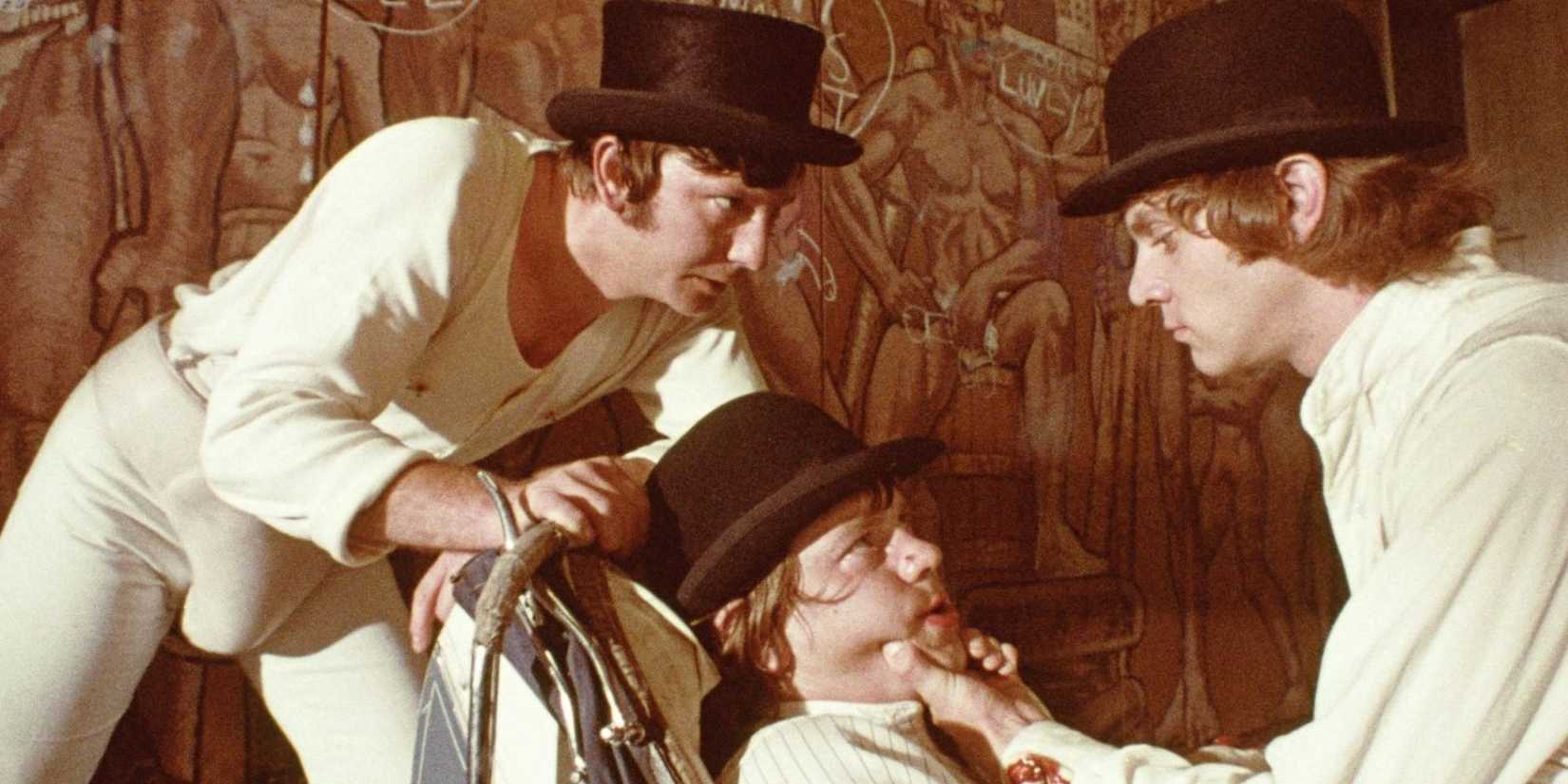
A Clockwork Orange is one of the many masterpieces by Stanley Kubrick, the greatest director of all-time, and it might also be his most divisive film. Audiences were scandalized by a film so explicit that it earned an X-Rating by the MPAA and was banned in Great Britain, and original author Anthony Burgess spoke out against Kubrick.
A Clockwork Orange is a great work of anti-authroitarian art that wrestles with the susceptibility of violence among youths and the brutalistic policies by a supposedly just regime that is willing to indulge in fascist policies for the sake of appearing to be responsive. A Clockwork Orange is an epic tragedy, a twisted coming-of-age thriller, a mirror to current society, and a very dark comedy, and that unique blend of approaches is something that only a genius like Kubrick could have pulled off.