


ⓘ Sony
Sony is defending its revocable game license stance.
Sony has seemingly doubled down on its digital games license ownership discourse. In an ongoing court case, it has reportedly presented an interesting argument to defend its stance.
Sony has been fighting in court against a group of gamers who stated that the company’s digital ownership disclosures were insufficient. The case was filed with California’s Northern District Court, and on August 21, Sony made its argument, seemingly calling a portion of gamers unreasonable.
The information comes from Gamefile who reported that Sony gave a statement in the ongoing case, claiming that “reasonable consumers would not be misled” by how the disclosures on the digital store are worded. It should be noted that “reasonable consumers” is how the plaintiffs refer to those affected.
For context, the plaintiffs cited a 2025 California law about “clear and conspicuous” warnings about purchasing digital goods. They alleged that the way Sony discloses this information on the store does not clearly confirm that the items purchased are not actually owned but licensed. They bring up the terms “Buy Now” and “Confirm Purchase,” which on their own suggest players are buying a copy of the game and not a revocable license.
Sony links to its PlayStation Terms of Service and Software Product License Agreement just above the ‘Confirm Purchase’ button. These are links that consumers often skip, not just on the PlayStation Store, but in general. Sony defended its position by citing text from these linked pages about licensing and ownership. It also makes the argument that consumers understand they can’t own the media because if they did, no one else could have access to it. Interestingly, PlayStation Store India doesn’t even have the same disclaimer before purchase, or any kind of license-related disclaimer, for that matter.
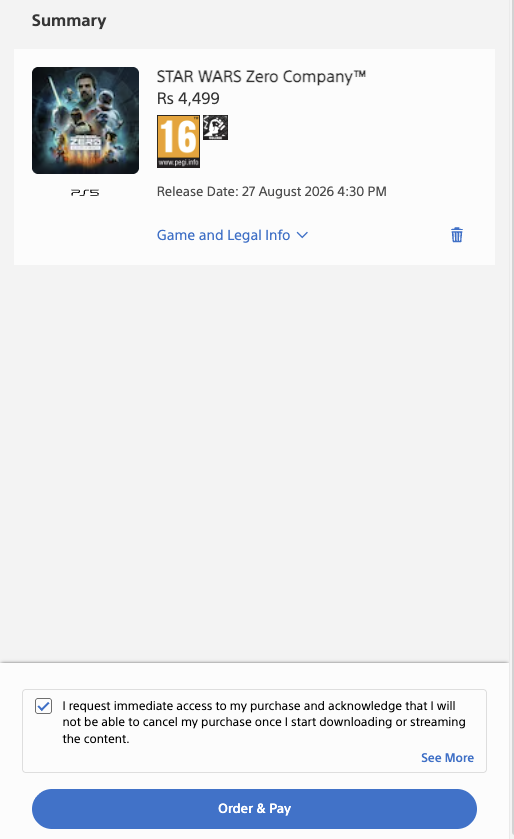 PlayStation Store India pop-up before purchase.
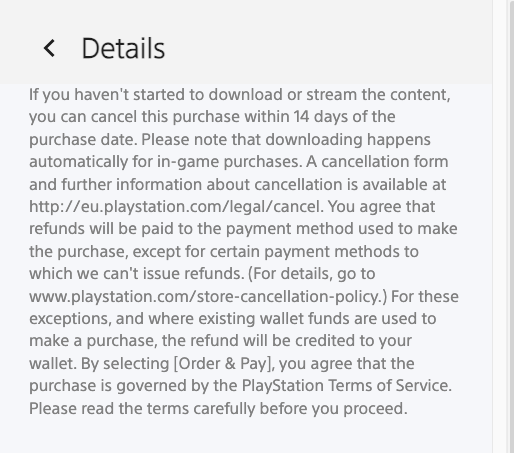 Disclaimer behind the “See More” link.
Sony’s argument about licensing and ownership seems questionable at best, as for years, multiple consumers have purchased and owned physical copies of games at the same time. The same is true with digital games. As Gamefile points out, Sony wants the judge to send the case into arbitration. This allows Sony to avoid a jury verdict and settle outside of traditional court.

I have always been passionate about gaming and technology, which drove me towards pursuing a career in the tech writing industry. I have spent over 7 years in the tech space and about a decade in content writing. I hope to continue to use this passion and generate informative, entertaining, and accurate content for readers.