

Listen to this article
Estimated 3 minutes
The audio version of this article is generated by AI-based technology. Mispronunciations can occur. We are working with our partners to continually review and improve the results.
Some Nunavut animals are set to make a trip across the globe to be showcased at one of Tokyo’s largest aquariums.
A group of three Japanese divers flew last month to Cambridge Bay, Nunavut, to collect fish, urchins and sea stars.
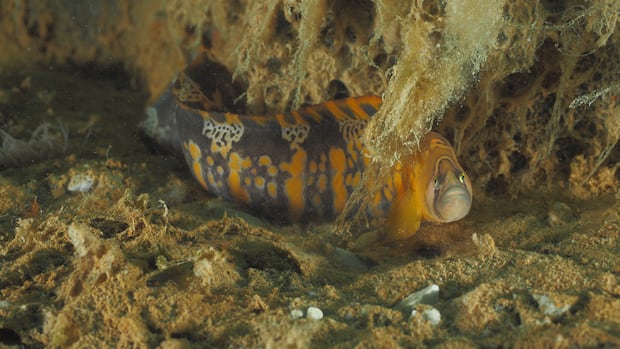
“[They are] very common species in this area. But those are extremely rare once we bring them back to Japan,” researcher Naoaki Kawahara said, from the Canadian High Arctic Research Station in Cambridge Bay.
For a week, Kawahara and the rest of the team made about two dives a day to collect the animals. In total, they gathered about 70 representatives of 15 different northern marine species that were then boxed up in salty water with ice and sent by plane to Tokyo.
They will now become part of an Arctic exhibit at Tokyo Sea Life Park, one of Japan’s largest marine parks.
Once in the aquarium, those animals and their descendants are sure to become longtime Tokyo residents.
“Cold water animals live quite long. Some of the species from Antarctica have lived there for more than 20 years,” Kawahara said.
“And hopefully some of these species, we can breed.”
Philip Bruecker is a B.C.-based researcher who was hired by the Tokyo park to help coordinate the collecting expedition.
“We had to be extremely careful about the dives,” said Bruecker.
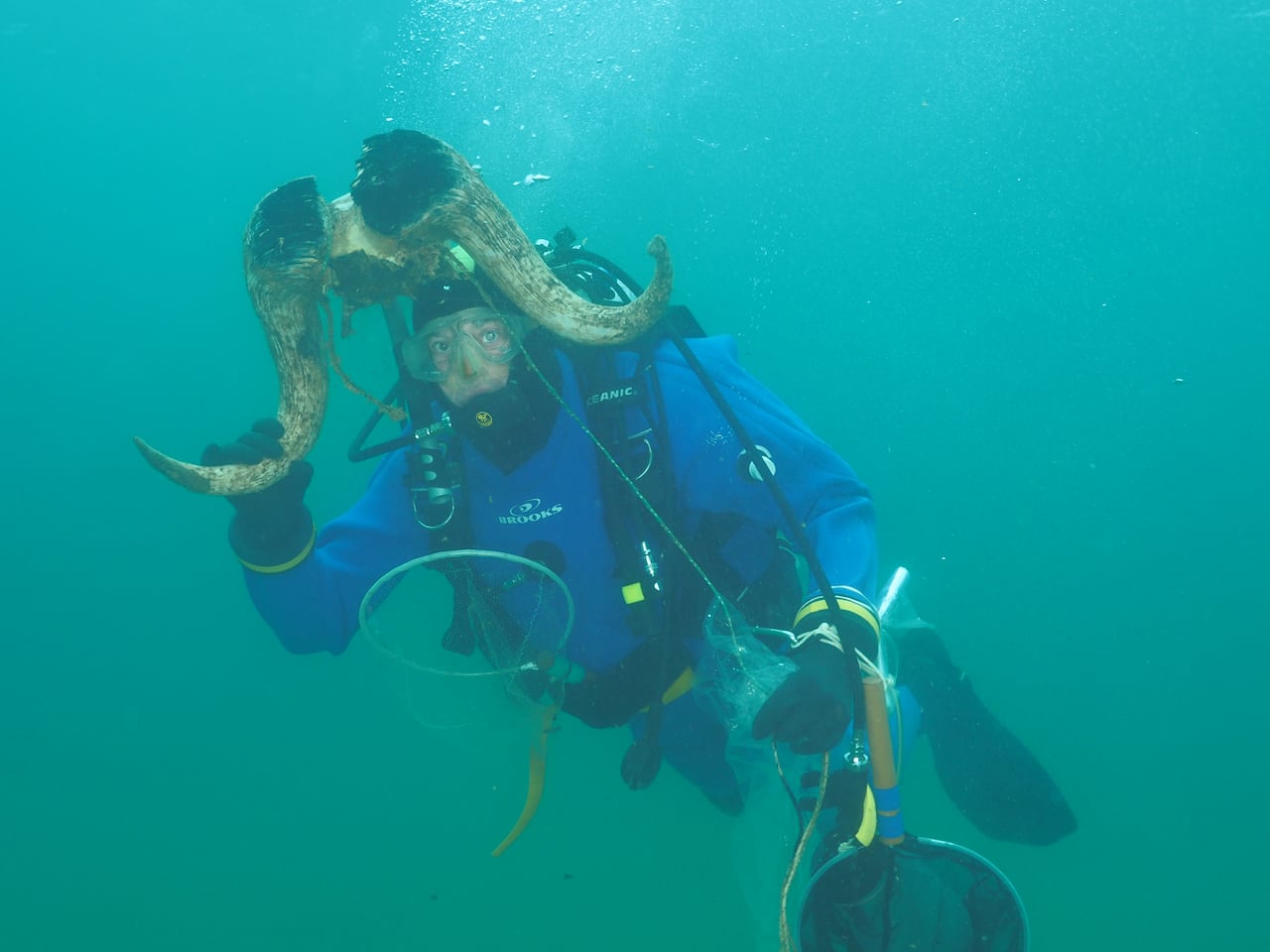 B.C.-based researcher Philip Bruecker dives in Cambridge Bay as part of the Japanese expedition. (Tokyo Sea Life Park)
The water around Cambridge Bay was just above freezing, which limited the amount of time divers could stay underwater, he said.
“Down south, we might have facilities and equipment in case there is a problem,” Bruecker said. “Here, we’re very limited.”
‘Heavy hitter’ in showcasing Arctic marine life
Nunavut has been a territory for 27 years now, yet Bruecker says most people — even many Canadians — still know little about it.
“The ignorance of most people or the naivety of most people down south about the Arctic is quite surprising,” Bruecker said.
“I think it’s my responsibility to do what I can as an individual to increase awareness of Nunavut.”
This is not the first time divers have come to the Canadian Arctic collecting animals for Tokyo Sea Life Park. Since the 1980s, they’ve made more than a dozen trips to N.W.T. and Nunavut, including three visits to Cambridge Bay.
“Japan is the heavy hitter when it comes to showing Arctic marine life,” Bruecker said.
And as this latest Nunavut trip is wrapping up, Kawahara says they hope to come back again for years to come.