
Meghan Markle is said to be “nervous” about taking Prince Archie and Princess Lilibet to school without taxpayer-funded police protection as the Sussexes settle into their new life in Britain.
The Duke and Duchess of Sussex returned to the UK last Wednesday with their two children after spending six years living in Montecito, California.
The family is understood to be temporarily staying at the Cotswolds property of a celebrity friend while searching for a permanent home in the picturesque region.
Harry, 41, and Meghan, 45, have reportedly already made an offer in excess of £12 million (about AUD$24.7 million) on a property near the historic market town of Stow-on-the-Wold.
Prince Archie, seven, and Princess Lilibet, five, have also reportedly been enrolled at a nearby school, which they are expected to begin attending in early September.
It remains unclear exactly how long the Sussexes intend to remain in Britain, with reports stating only that they have returned for an “extended period of time” and believe the move is the “best decision for the family”.
However, their return has thrust the long-running dispute over the family’s security back into the spotlight, with a friend of the Duchess claiming the issue is now creating anxiety over something as routine as taking the children to school.
“The school run is a tricky issue and I understand they are nervous about it,” the source told The Sun.
The publication claimed Meghan fears leaving the family’s so-called “gilded cage” without the police protection afforded to working members of the Royal Family.
While the Sussexes have their own private security team, they lost their automatic entitlement to publicly funded police protection after stepping back as senior working royals in 2020.
Since then, Harry has waged a lengthy battle with the British Home Office over the security arrangements provided to him and his family when they are in Britain.
The Duke lost his long-running legal challenge over the decision at the Court of Appeal last year and subsequently claimed he did not feel it was safe to bring his wife and children to the UK without adequate protection,
However, Harry has since been awaiting the outcome of a fresh risk assessment that could help determine the level of protection he receives while in Britain.
The Home Office has maintained that Britain’s protective security system is “rigorous and proportionate”.
“The UK Government’s protective security system is rigorous and proportionate,” a spokesman said, as per GB News.
“It is our long-standing policy not to provide detailed information on those arrangements, as doing so could compromise their integrity and affect individuals’ security.”
The Sussexes’ decision to return before the security issue was resolved has prompted criticism, with The Sun reporting detractors have branded the couple “prisoners of their own making”.
However, the couple have also attracted support from prominent political figures who believe their security concerns should be taken seriously.
Dame Emily Thornberry, a Labour Member of Parliament, told The Telegraph UK: “I want to be reassured that the family are going to be safe.
“The Duke of Sussex has made a contribution to this country through his public service and heroism.”
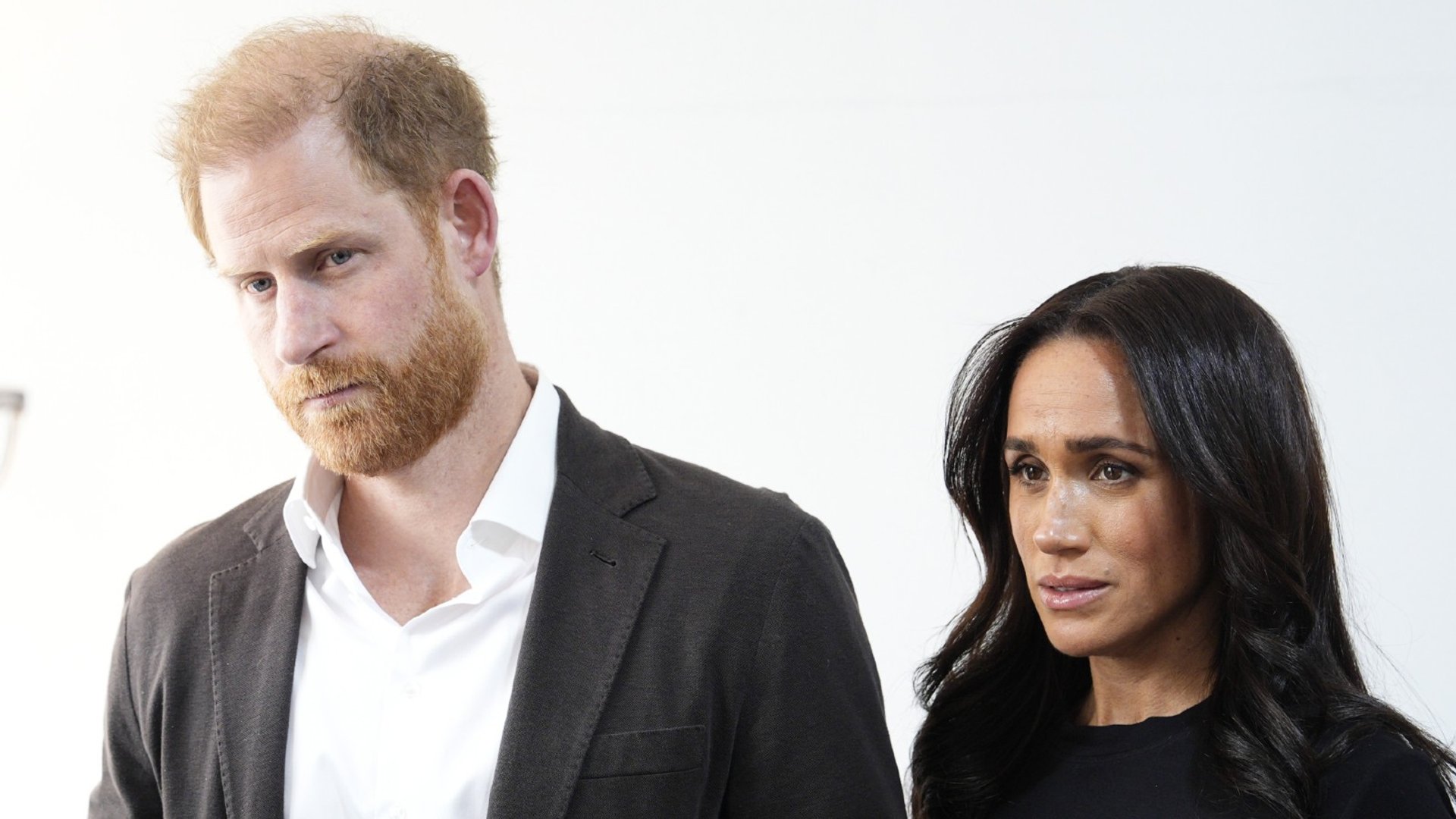
Meanwhile, Lord David Blunkett, a former Labour Home Secretary under Tony Blair, has argued there should be a “happy medium” when determining the level of protection Harry receives, saying that Harry “is still a very close member of the Royal Family irrespective of what duties he is undertaking on their behalf”.
Complicating the situation further, Harry reportedly gave the British Home Office less than two weeks’ notice of his family’s return, despite rules requiring 28 days’ notice for security arrangements to be assessed.
According to The Telegraph, the shortened notice was due to the Duke’s “fears that the news would leak”.
When Harry and Meghan landed at Birmingham Airport last week, the family was met by private security rather than a visible publicly funded police convoy.
The Sussexes’ private security arrangements are expected to cost as much as £5 million a year (about AUD$10.3 million), according to The Sun.