
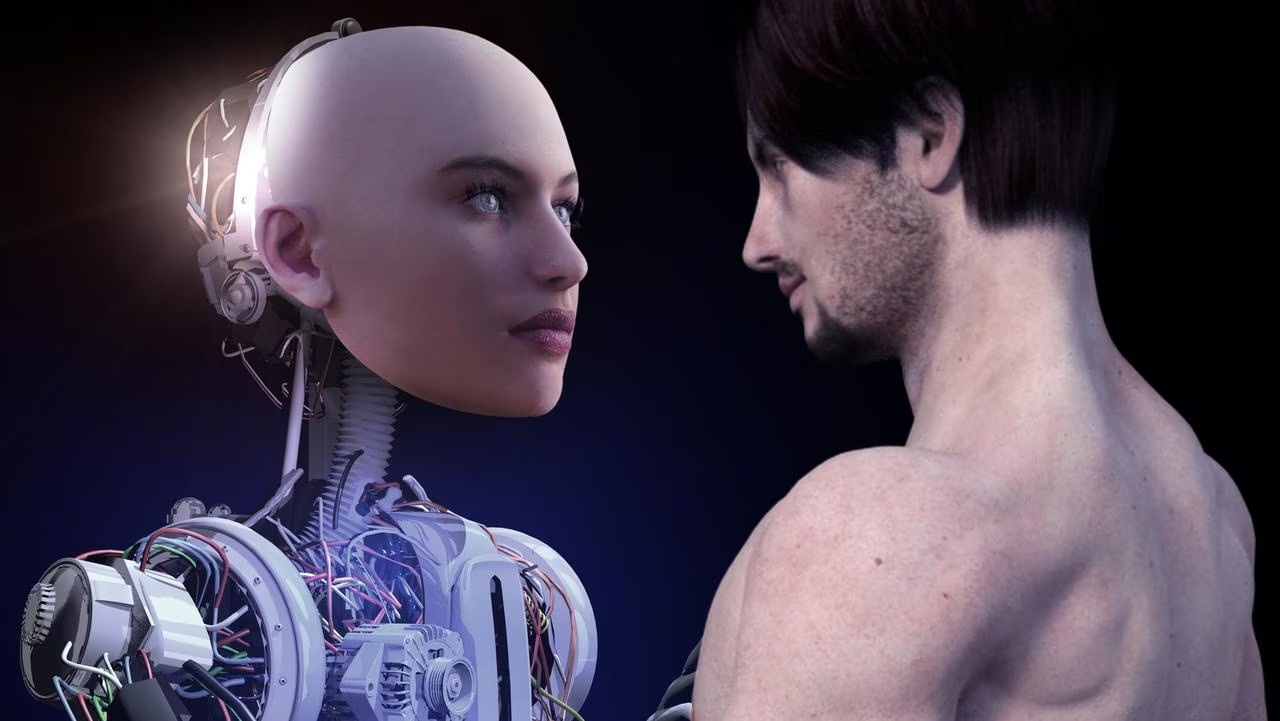
Forget ghosting your ex – young Aussies are increasingly ghosting humans altogether, with almost one in five admitting to ditching real life partners for AI bots.
Body+Soul’s Sex Census 2026 found two in five Australians were open to swapping human intimacy for software, with 17 per cent admitting to already having done so. Gen Z – those aged between 14 and 29 – led the charge with almost one in three in a “relationship” with a bot.
The survey – which interviewed more than 2100 sexually active Australians across the country – found more than one in 10 admitted to cheating in the past year, with more men guilty of being unfaithful.
It also found an increasing number of people are also turning to artificial intelligence to help with not only finding a date but for relationship advice once in one.
A third (31 per cent) of those dating said they have used AI to “optimise” their bios, while almost one in three admitted to turning to chatbots to craft replies or get advice on what to say.
The trend has prompted relationship experts to warn that effortless virtual relationships with bots come at a grim psychological cost.
“AI is trained to be on our side and empathise and can be there 24/7,” couples therapist and sexologist Isiah McKimmie told news.com.au.
“We don’t have to learn how to regulate our own emotions and to really attend to the needs of someone else.”
Ms McKimmie said nor does AI teach people how to “compromise when we perhaps disagree or see something differently”.
“In the same way we don’t have to attend to someone else’s needs, we also don’t need to be vulnerable ourselves, because AI isn’t going to reject us or find someone else,” she said.
“Even when we’re sharing some of our innermost thoughts and feelings, it lacks the vulnerability … you can’t feel rejected when you’re engaging with technology in that way.”
Ms McKimmie warned the seemingly hassle free pursuit of intimacy could amplify the very isolation people are trying to escape.
She said it can cut people off from authentic relationships and communities that major studies have proved support longevity and wellbeing.
Professional matchmaker Lauren Hunter said the robotic partners were not made for human relationships.
“AI is available 24/7. It doesn’t reject you. It doesn’t ghost you, it doesn’t breadcrumb you or love bomb you,” Ms Hunter said.
“It doesn’t have baggage from its last relationship. It can remember what you like, validate you and communicate exactly how you want it to … that is also the problem.

“Dating is not about finding someone who responds perfectly to you every time. It’s about learning how to connect with another imperfect human being,” she said.
Despite the rise in AI partners and broken dating culture, the experts remained confident that technology could never replace human connection.
Both Ms Hunter and Ms McKimmie urged people looking for someone to share their heart and bed with to break the cycle of digital isolation.
Ms McKimmie said relational confidence was “really a skill that we practice”, advising people to invest in face-to-face friendships and socialising beyond just dating.
“I think really building multiple relationships in our lives, and in particular, building community … can take us away from feeling like we need to turn to technology to get those needs met,” Ms McKimmie said.
Ms Hunter, who has helped many find love, also urged daters to get out there.
“Enough with the talking and the texting, get in front of people,” she said.
“Try not to be lonely and isolated, sitting in your room doom scrolling and watching other people live their best lives.”
Ms Hunter said while AI could be helpful in the initial stage of dating, people should tread carefully.
“AI can help someone articulate themselves better, spot patterns in their communication, or stop them from sending an emotional 2am message they’ll regret,” she said.
“But I’d be careful …. If AI writes every bio, every opening line and every response, eventually the person you’re presenting isn’t really you,” she said.