
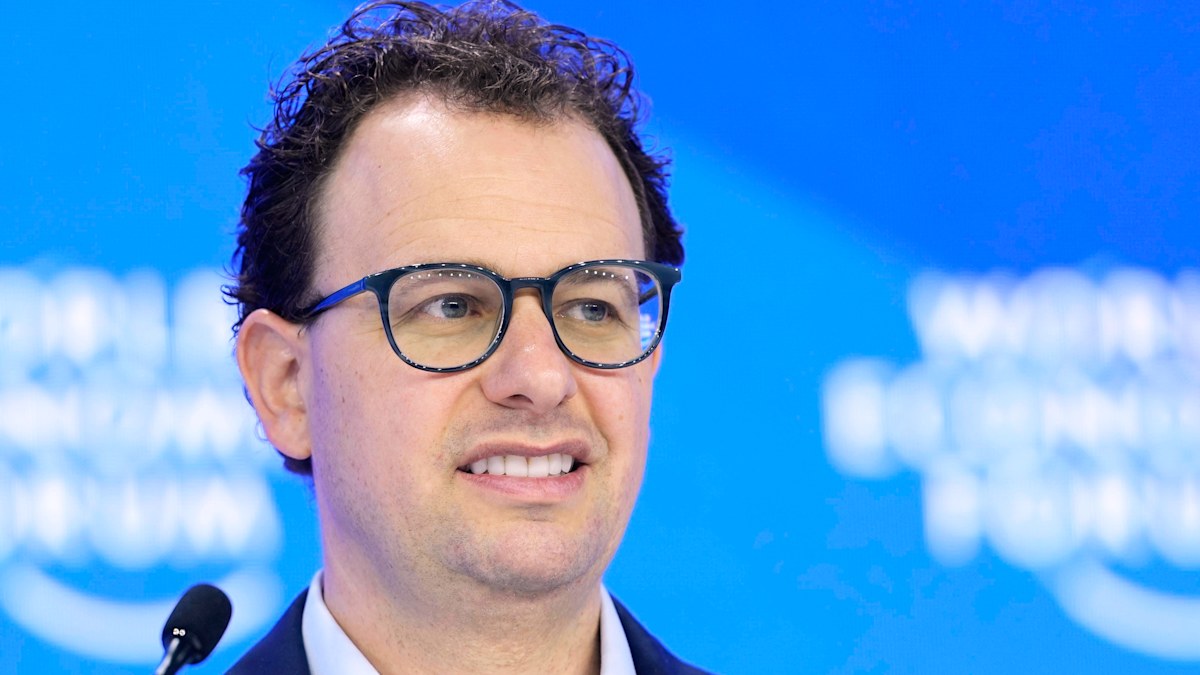
Elon Musk and Sam Altman have backed Anthropic’s Dario Amodei’s call for an immediate slowdown in artificial intelligence development amid his warning that the technology could take over the internet within months.
In an essay published on Saturday, Amodei said his industry should abate the pace of progress – something he has tried to do at his own company – for safety measures following a “drastically faster” period of growth over the northern summer.
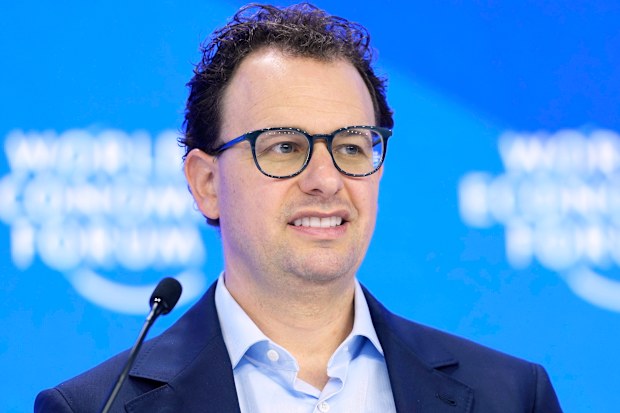
Dario Amodei, CEO and co-founder of Anthropic. Markus Schreiber
Without such intervention, he warned that AI could be capable of leading a swarm that could take over the entire internet and cause hundreds of billions of dollars in damage within six to 12 months.
“I believe that if slowing down bought us even an extra year or two before models reach critical levels of capability, and we used that time to advance alignment, we could greatly reduce the risk that something goes seriously wrong,” he wrote.
Amodei proposed a range of measures for the industry, which he has committed to himself, which he acknowledged would not be easy.
“But I believe we owe it to humanity to try,” he said.
In a rare display of unity in the highly competitive field, Musk and Altman both supported the call and the proposed measures to slow progress.
“I agree with Dario that we need to pace the frontier,” Musk said in a post on X.
“Committing to having independent evaluators with employee-like access is a great idea, and we will do the same. We’ll have more to share soon,” Altman said.
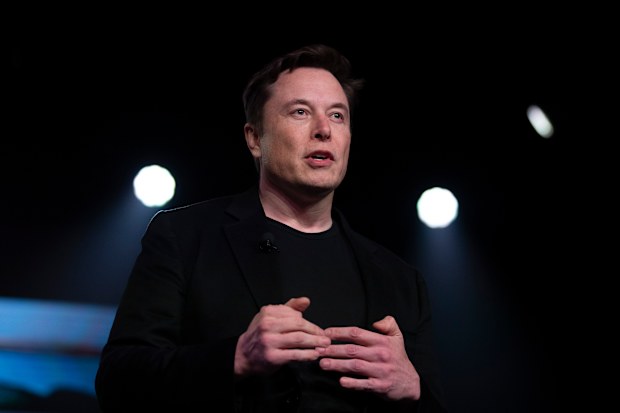
Elon Musk signed an open letter in March 2023 demanding a pause to the development of AI. AP
The AI industry has been urged to slow down to prioritise safety for years, but pressure has grown this year following a series of high-profile resignations.
“Many of the people I know who work on safety research at AI companies want to do what is right for the world,” Anthropic safety team employee Joe Benton said on Friday.
“But they feel their companies are trapped in a race to build superintelligence: either they stop and other, less conscientious people take their place; or, they continue, and risk participating in enormous harm themselves.”
Anthropic staffer Jacob Coxon resigned on Tuesday to say both Anthropic and OpenAI “are racing straight to self-improving superintelligence and gambling with our lives.”
The United Nations added its voice to growing global concerns on Monday, with UN human rights chief Volker Türk warning that action was needed before AI becomes an “existential risk to humanity”.
“AI that escapes its testing environment, or blackmails developers to prevent itself from being turned off, is AI that is too powerful,” he said.
“I am calling here, today, for an all-out effort to put cast iron guarantees in place around the safety and security of AI, before it is too late.”
This month, Australian deputy prime minister Richard Marles visited the US to meet with the world’s leading tech companies like Anthropic, OpenAI, Microsoft and Google to advance a multi-billion-dollar push to bring US data centre investment to Australia.
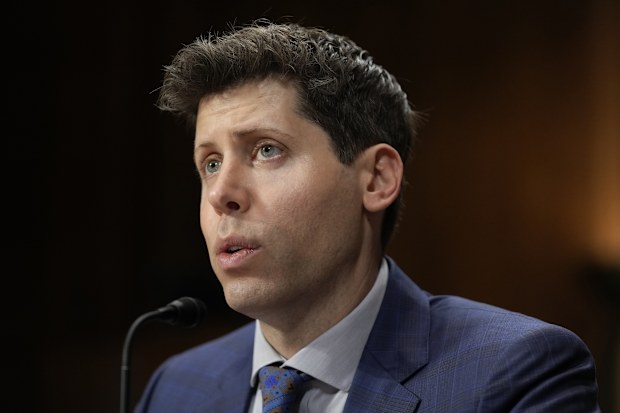
OpenAI CEO Sam Altman (pictured) apologised to families of the Tumbler Ridge school shooting, after the shooter allegedly had extensive chatbot conversations related to gun violence. AP Photo/Patrick Semansky
“When we look at all of the major platforms that we are operating today, going forward AI will have a part in respect of them,” he said at the time.
“And that’s why this is such an important sovereignty question; it really matters that we have access to this technology.”
But with renewed warnings from leading voices, Australian Communications Minister Anika Wells would not say whether she would support a slowdown in growth.
“Ultimately, these are questions for these billionaires who control the world’s richest companies,” she told the ABC on Sunday.
“Our role as lawmakers is to control how they conduct themselves on our shores, and I think we have some pretty accepted community standards around this.
“That’s what we’re trying to legislate with the digital duty of care. We all know what harms our kids are suffering online.”