
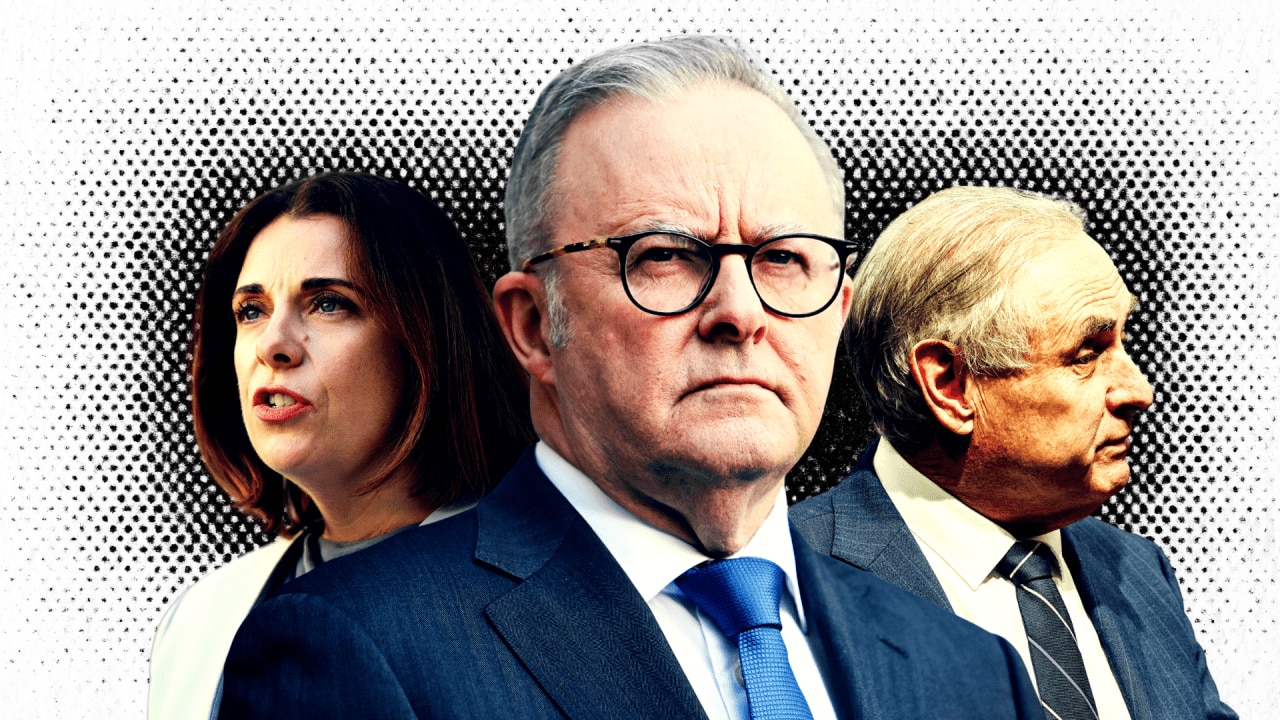
The Albanese government has made a stunning declaration about policing the internet as its sweeping new laws spark concerns about political censorship.
Special Minister of State Don Farrell told News24.com.au that Labor’s Digital Duty of Care laws would “lead the way” in regulating information online.
“I think everybody recognises that we have to regulate social media and the internet,” Mr Farrell said.
“And I think what Anika Wells has been doing in this space has been fantastic. We’re leading the way in terms of regulation of this sort of information.
“We’re not seeking to deprive people of free speech, there’ll be plenty of that. But there has to be regulation and there has to be controls.”
Mr Farrell’s comments come amid Coalition warnings the new regime could be used to control political information and censor Australians online.
Shadow communications minister Sarah Henderson told News24.com.au that the laws amount to a “threat to free speech”.
“This draconian legislation … is a serious threat to free speech and continues Labor’s insidious agenda of controlling what we say and see online,” she said.
“This legislation is a backdoor way of reintroducing the disinformation and misinformation bill.
“It’s all about shutting down any online service and it is frightening that it includes … news websites.
“Which of course means they have the power to shut down any commentary, any news report, any media organisation, any opinion.”
Ms Henderson said the Coalition remained committed to keeping children safe online but would oppose the Digital Duty of Care.
A spokesperson for Ms Wells has told News24.com.au, “There is no change to how journalists can report news under the Digital Duty of Care.”
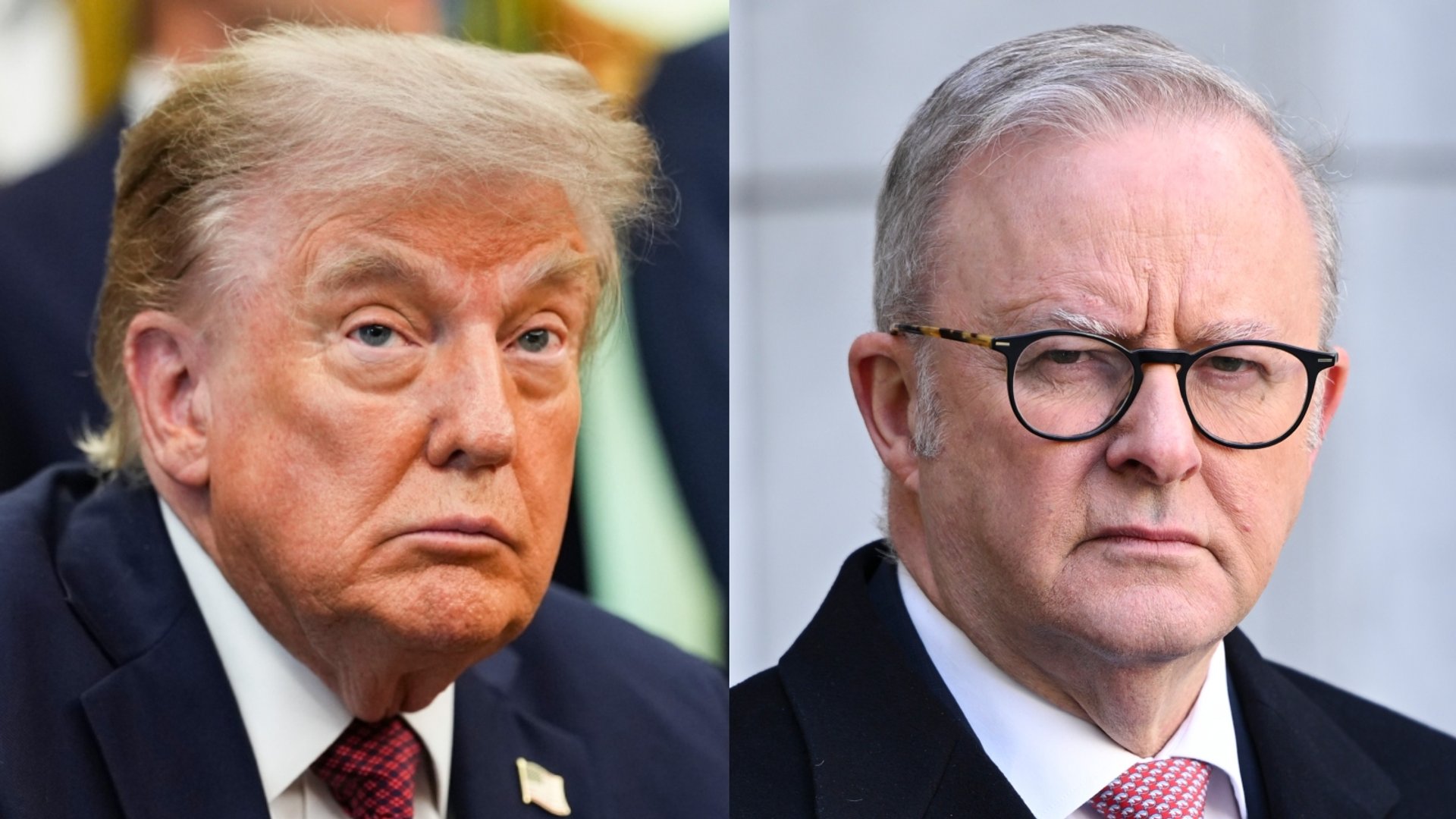
Asked by News24.com.au about the Coalition’s free speech concerns, Mr Farrell dismissed them as “nonsense”.
He pointed to legal action involving major technology companies and their algorithms in the United States as evidence governments needed to intervene.
“Even in the United States these big companies are being taken to court about some of the ways in which they operate their algorithms,” he said.
The government released draft legislation for its Digital Duty of Care on Tuesday, which would impose new obligations on social media platforms and other online services.
The laws would give the Communications Minister and eSafety Commissioner enforcement powers backed by penalties of up to $109.2 million.
However, Ms Anika Wells has conceded she’s willing to make concessions over powers allowing the minister to determine new categories of “serious harm”.
The exposure draft says the minister may, by legislative instrument, determine material, conduct or a combination of the two that may cause serious harm.
Asked on ABC’s Insiders whether there were limits on what she could potentially designate as harmful, Ms Wells said there were safeguards.
These include consulting with the eSafety Commissioner and the fact any MP or Senator could move a disallowance motion against her.
However, the government has control of the parliament, including a supermajority in the House of Representatives.
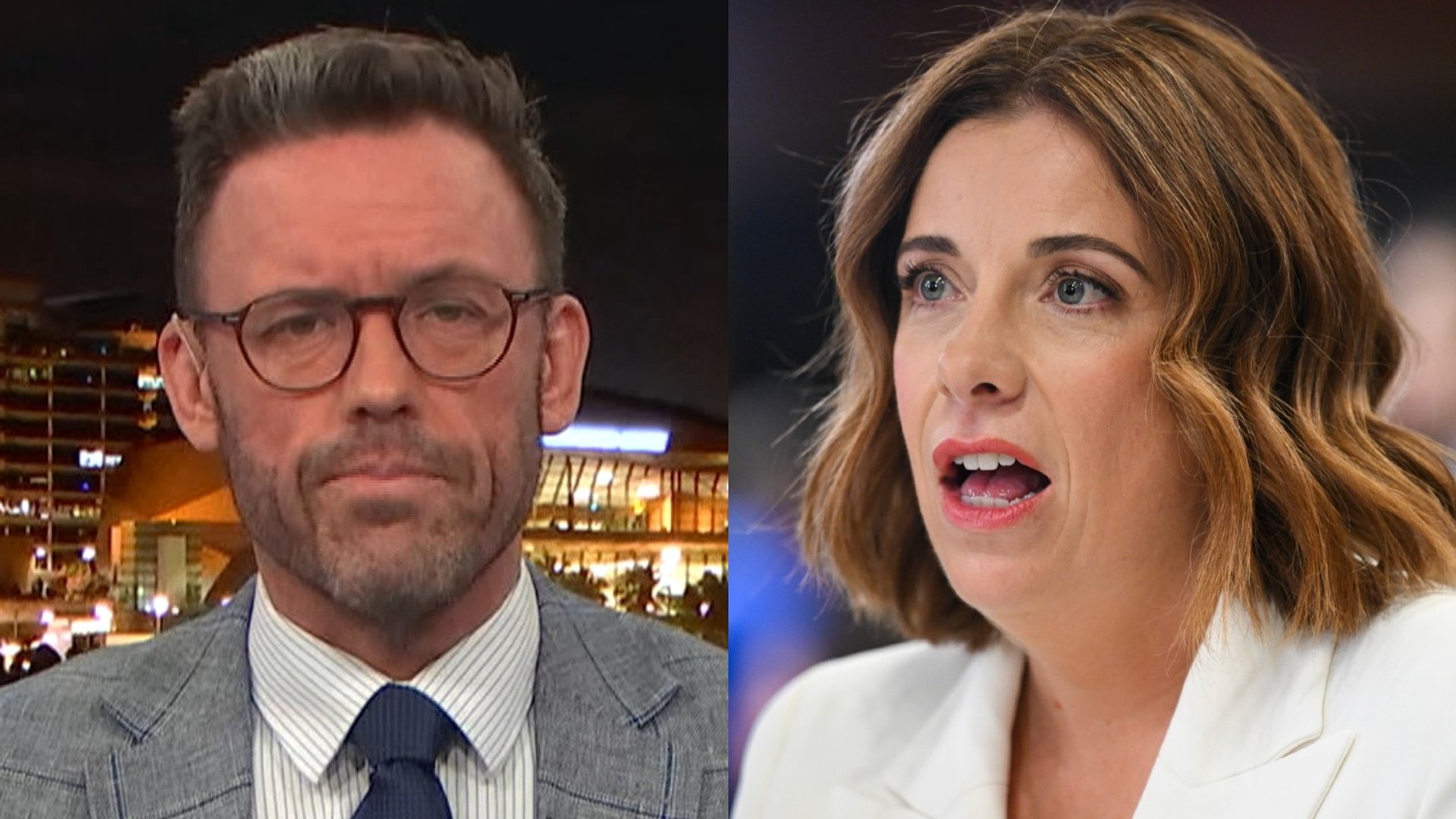
Ms Wells also blasted the Coalition for opposing the exposure draft legislation before proposing changes to the government.
“I haven’t had so much as a phone call from the shadow communications minister on the exposure draft,” she said.
“Instead, they convened a special party room meeting to reject an exposure draft, and then they convene a press conference to make sure you all knew about it.
“It’s an extraordinary series of decisions. They are playing Yahtzee with kettlebells on this, and I invite them to reconsider.”
The concession comes as Ms Wells has also repeatedly failed to rule out Labor resurrecting its controversial misinformation and disinformation laws.
Labor abandoned its misinformation and disinformation bill in 2024 following a political backlash and concerns about its potential impact on freedom of speech.
But when Ms Wells was repeatedly questioned about whether the government could return to the issue, she did not rule it out.
Ms Wells said misinformation and disinformation were “entirely separate” from the Digital Duty of Care.
Asked directly whether she would return to “trying to tackle that separate issue of mis- and disinformation”, Ms Wells did not rule it out.
“At the moment, I am highly focused on introducing the digital duty of care to the parliament,” she said.
“It is not unreasonable for us to deliver basic safety standards like we have for cars or food or toys to an industry seeking to make money off Australians.”
Asked whether that meant she might return to misinformation and disinformation in the future, Ms Wells replied: “That’s not what I’m saying.”
Pressed again, she said: “It’s not part of the agenda that I need to deliver this term. I am focused on delivering the digital duty of care.”