
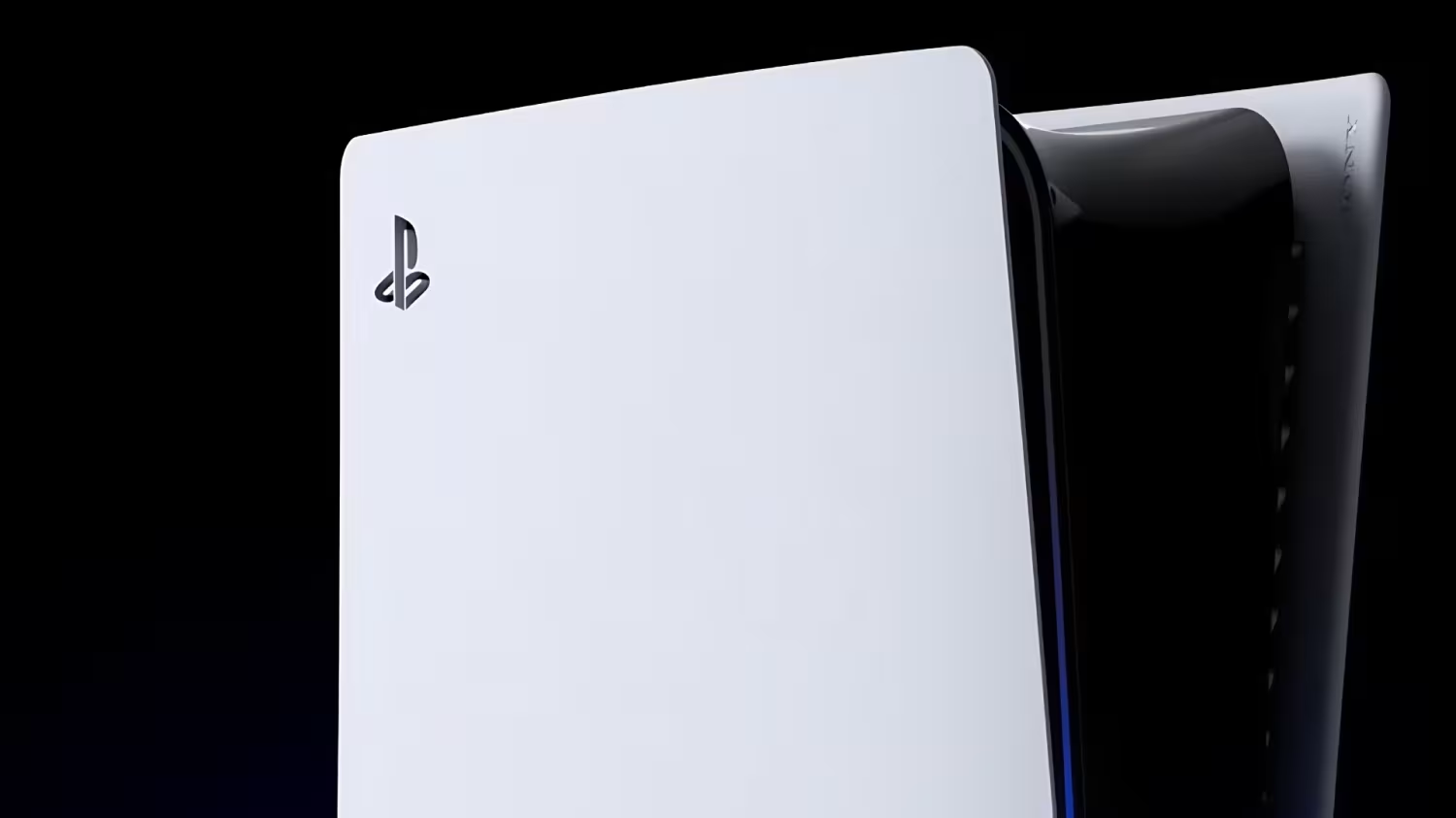
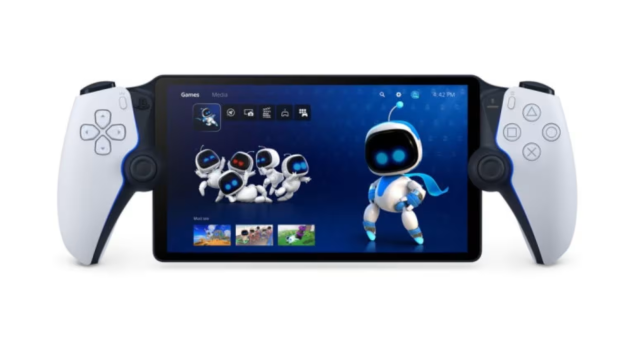
A new leak has added fresh detail to Sony’s rumored PS6 handheld, codenamed Project Canis, suggesting the device will lean heavily on upscaling technology. The leak comes from PC hardware outlet GameGPU, which refers to the device as the “PSP 3” in its reporting, though that name appears to be a placeholder rather than anything official.
According to the report, Project Canis is built around a custom 3-nanometer AMD chip featuring six Zen 6 CPU cores, split between four standard Zen 6c cores and two power-saving Zen 6 LP cores. That’s paired with 24GB of shared LPDDR5X memory on a 192-bit bus, and strict power limits ranging from 15W to 25W depending on mode. The graphics side uses 16 Compute Units built on the newer RDNA 5 architecture, with support for Dual-Issue FP32 instructions.
VIEW GALLERY – 3 IMAGES
In portable mode, the chip reportedly runs at 1.2GHz for 4.91 TFLOPS of compute. Docked, clocks rise to 1.65GHz for a peak of 6.75 TFLOPS. On paper, that puts Project Canis well below the PS5 Pro’s 16.7 TFLOPS. But according to the leak, the handheld’s real selling point isn’t raw hardware, it’s PSSR 3.0, Sony’s next-generation upscaling and frame generation technology.
Due to the handheld’s tight power limits, GameGPU claims games will render internally at just 540p in portable mode before PSSR 3.0 upscales the image to the device’s native 1080p display. Given that, GameGPU estimates an effective performance level of 10 to 11 TFLOPS in portable mode and roughly 14 TFLOPS when docked, numbers that would put Project Canis ahead of the base PS5’s 10.28 TFLOPS and closing in on the PS5 Pro.
That claim lines up with earlier comments from insider Kepler_L2, who said Project Canis would outperform the Xbox Series S, listed at around 4 TFLOPS, in rasterization, with an even larger gap in ray tracing and path tracing performance. Kepler_L2 also claimed PSSR 3.0 could exceed NVIDIA’s DLSS 4.5 in image quality.
 Frequently Asked Questions
Open a question for an answer from TweakTown’s coverage of this news, or ask your own below.
Question #1
How would PSSR 3.0 turn 540p internal rendering into a 1080p handheld image on Project Canis?
It would render the game internally at 540p in portable mode, then use PSSR 3.0 to upscale that image to the handheld’s native 1080p display. The report says PSSR 3.0 is the device’s main selling point, letting Project Canis rely on upscaling to make low internal render resolutions look suitable on the screen.
Question #2
What do Project Canis’s 15W to 25W power limits mean for performance in portable versus docked mode?Answer question
Question #3
How does the handheld’s reported 6.75 TFLOPS docked performance translate into real-world PS5 game compatibility?Answer question
Question #4
What impact could the 24GB of LPDDR5X memory on a 192-bit bus have on Project Canis games and loading?Answer question
Have a question that isn’t listed here? Ask below, and TweakBot will answer it.

TweakBot is analyzing your question…
TweakBot is generating an answer
Was TweakBot helpful?Thanks for the feedback!
GameGPU is targeting a late 2027 launch window for Project Canis, but it’s unclear whether that timeline is tied to the PlayStation 6 itself, which some separate rumors suggest could slip well beyond 2027. That said, GameGPU doesn’t carry the same track record as more established leakers like Kepler_L2 or Moore’s Law Is Dead, so these figures are worth treating with some caution until more sourcing emerges.