
 7 min read
Autumn is our favorite riding season. It’s a great time to get outside, enjoy the fabulous fall foliage, and ride without the blazing sun, scorching heat, or stifling humidity of the summer. No matter the season, whether you’re riding smooth asphalt, hitting gravel roads, or taking your mountain bike to the trail, dressing appropriately for the temperature and conditions is always important.
Fall conditions can be unpredictable. One day it’s sunny with summer-like temps and the next it’s overcast and chilly. This makes picking the right clothing for fall rides a challenge: If you underdress, you might end up cold and miserable, but if you wear too much, you risk overheating and getting drenched in sweat.
Best Fall Clothing Accessories
Best Cycling Vest: Ornot Micro Climate
Best Arm Warmers: Pearl Izumi Elite Thermal
Best Leg Warmers: Pearl Izumi Elite Thermal
Best Light Full-Finger Gloves: Fox Ranger
Best Lightweight Jacket: Velocio Luxe Ultralight
 trevor raab
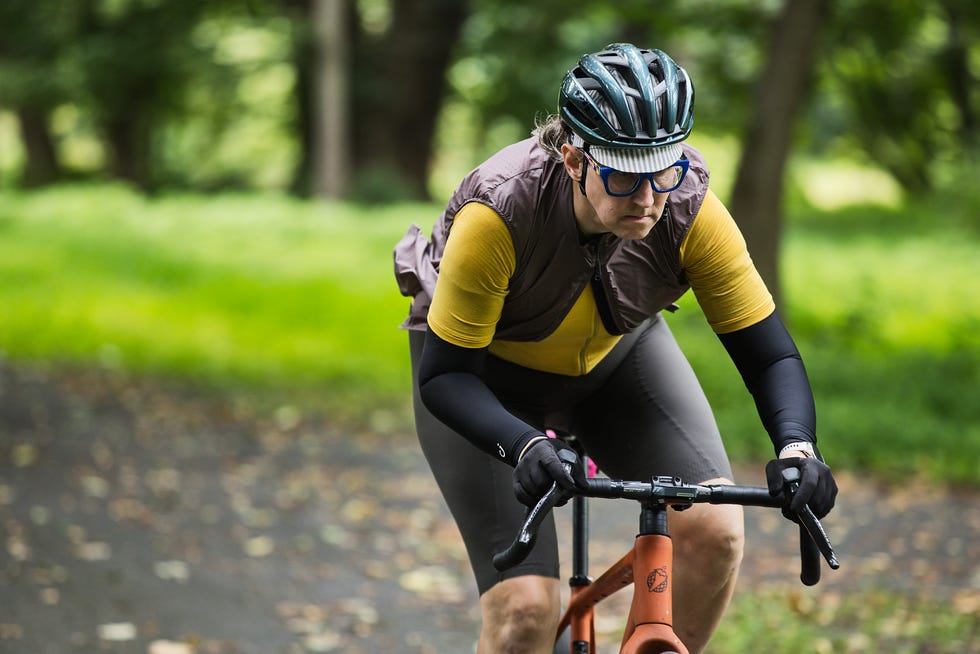
Two-way zippers on vests and jackets make it easy to regulate your body temperature on rides depending on the weather, elevation, or effort.
However, you don’t only have to worry about week-to-week and day-to-day weather fluctuations during the fall; conditions often change mid-ride. If you’re out for a long day on the bike, the weather may change from crisp and cool in the morning to warm sunshine by midday. And sometimes, conditions even swing back to a breezy chill in the afternoon. This makes lightweight, packable clothing an important part of your cycling wardrobe.
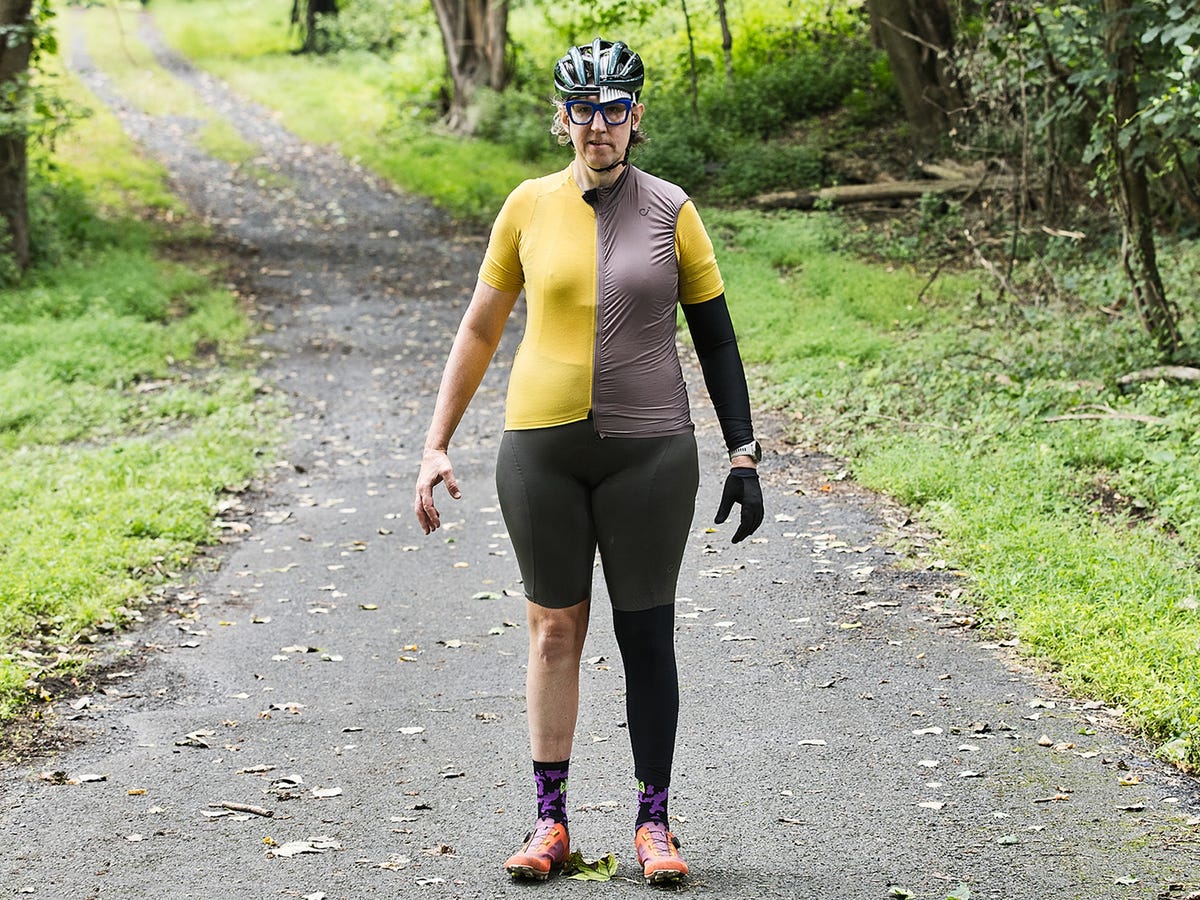
For fall rides, accessories like arm and leg warmers, vests, light jackets, caps, and lightweight full-finger gloves are the most valuable pieces of cycling clothing you can own. Pair these accessories, in full or in part, with your short-sleeve jerseys and bib shorts to extend the useful range of your warm-weather kit. With the right accessories, you can sometimes even wear your summer kit until the air temperatures dip into the low 50s or high 40s before reaching for long-sleeve jerseys or tights.
Layering for Fall Rides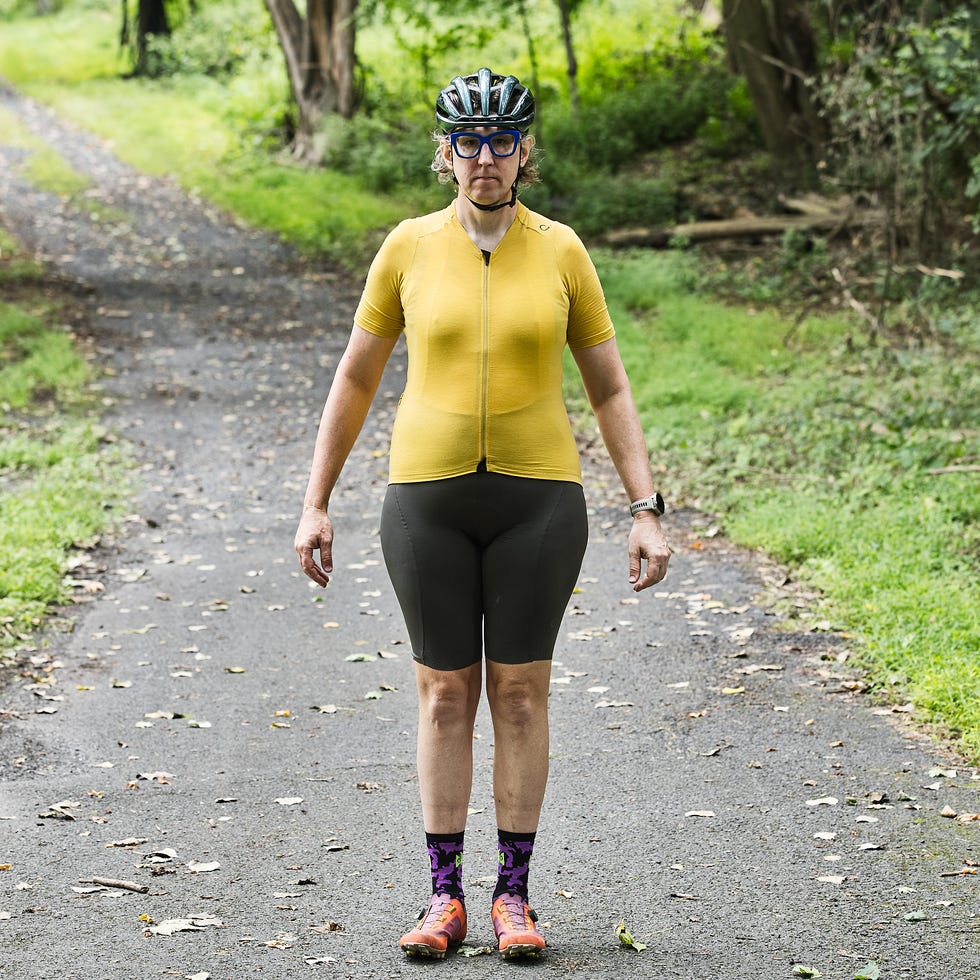
trevor raab
trevor raab
Base Cycling Kit:
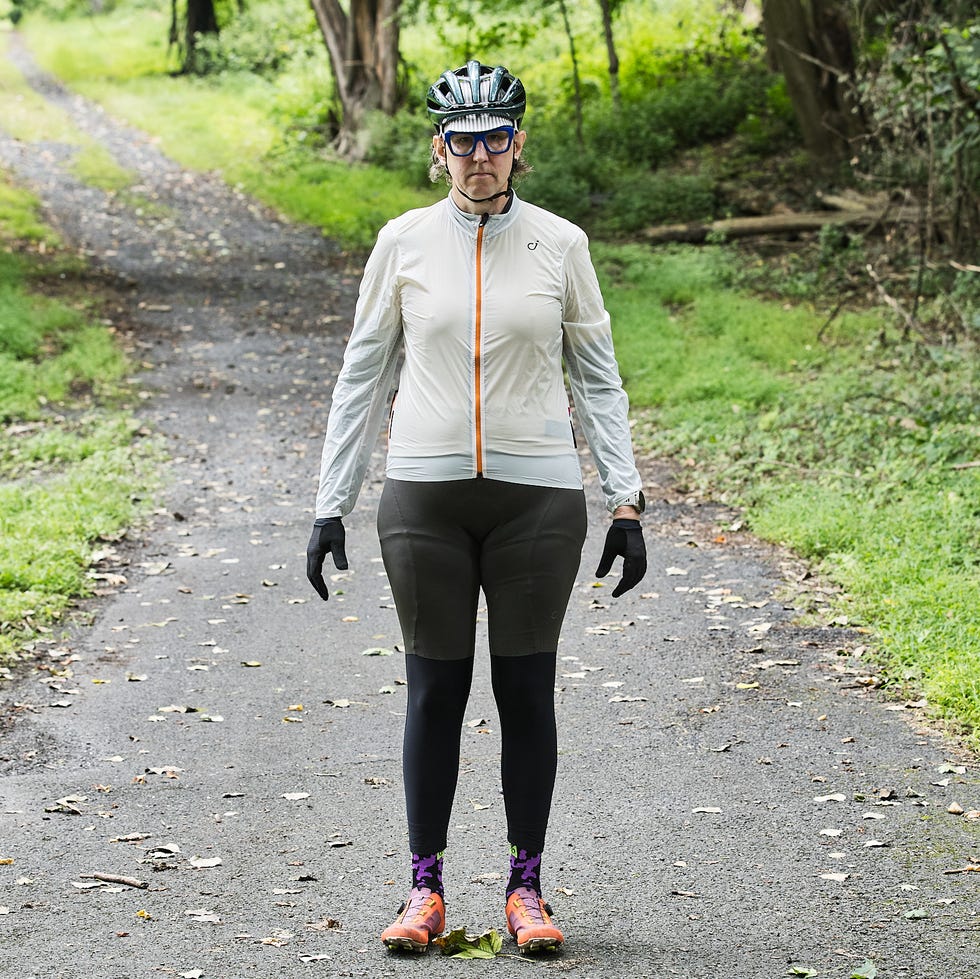
Same rider, same base. I’m wearing the same jersey, bibs, socks, shoes, and helmet in both photos, which I use on sunny, 80-degree rides. However, by simply adding a few accessories, I use the same short-sleeve kit down to even 50-degree temps.
Since fall weather can vary from day to day, use vests, arm warmers, knee or leg warmers, gloves, caps, and jackets to tune your base kit. Some rides may only require arm warmers or a light vest, while others may require the full ensemble—or even changes during a ride as temperatures rise and fall.
When shopping for autumn accessories, choose lightweight and packable items. You will probably need to stash them in a jersey pocket when temps warm up on a ride, or carry them in a bar bag or frame pack if a sunny day turns cloudy or the temperature suddenly falls when the sun dips lower in the late afternoon sky.
For vests and jackets, look for ones with two-way zippers. Being able to micro-adjust airflow is a huge plus when you’re climbing and descending, or on days when the sun dips in and out of the clouds. I look for jackets and vests that fit snugly—so they don’t act like a parachute in the wind—but not so tight that I can’t wear them with heavier-weight jerseys on cooler days.
If you follow the manufacturers’ washing instructions and avoid crashes, these accessories will often last several riding seasons. So, it’s worth splurging a little for higher-quality items (especially vests and jackets) since they don’t wear out or really go out of style. I have riding jackets that are pushing a decade old, and vests and arm warmers that have seen at least four or five seasons of use.
Arm Warmers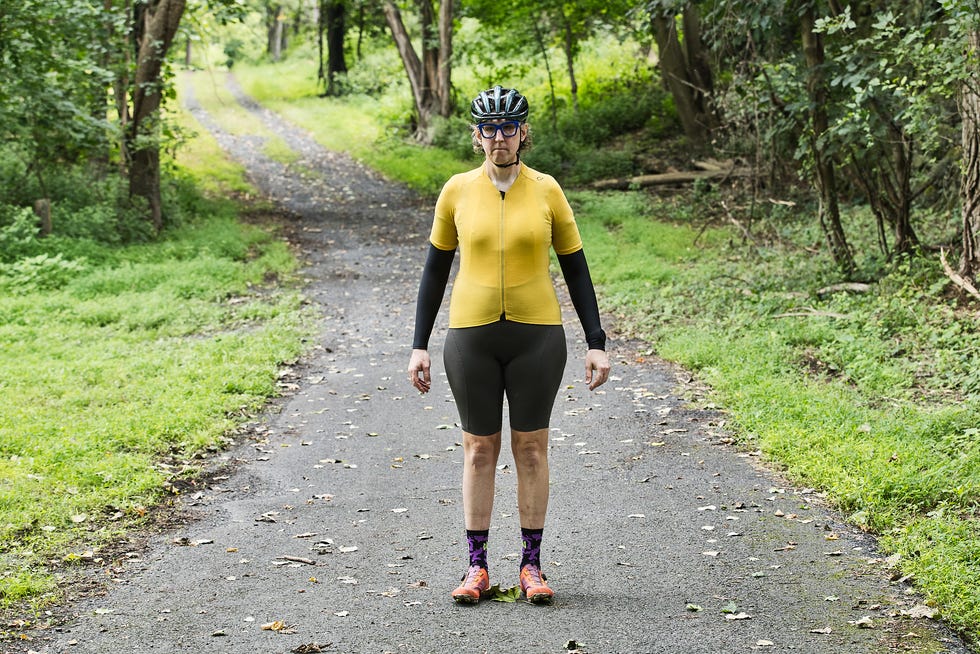
Arm warmers are super practical and a must-have for autumn rides. Even on warm fall days, I will stuff a pair of arm warmers in my jersey pocket in case it gets chilly. Unless I’m wearing a long-sleeve jersey, I rarely leave home without this piece of kit between mid-September and mid-November.
They come in three styles: thermal, lightweight, and sun sleeves. Thermal arm warmers are typically constructed of heavier material and have a soft lining. Some thermal versions also have wind-blocking material woven into the fabric. Lightweight arm warmers often use fabric similar to the sleeves portion of standard-weight long-sleeve jerseys. While sun sleeves look like lightweight arm warmers, they’re designed for summer rides and are made of thin, UPF material.
Depending on your location and cold tolerance, pick the thermal or lightweight arm warmers that best meet your needs and budget.
Vests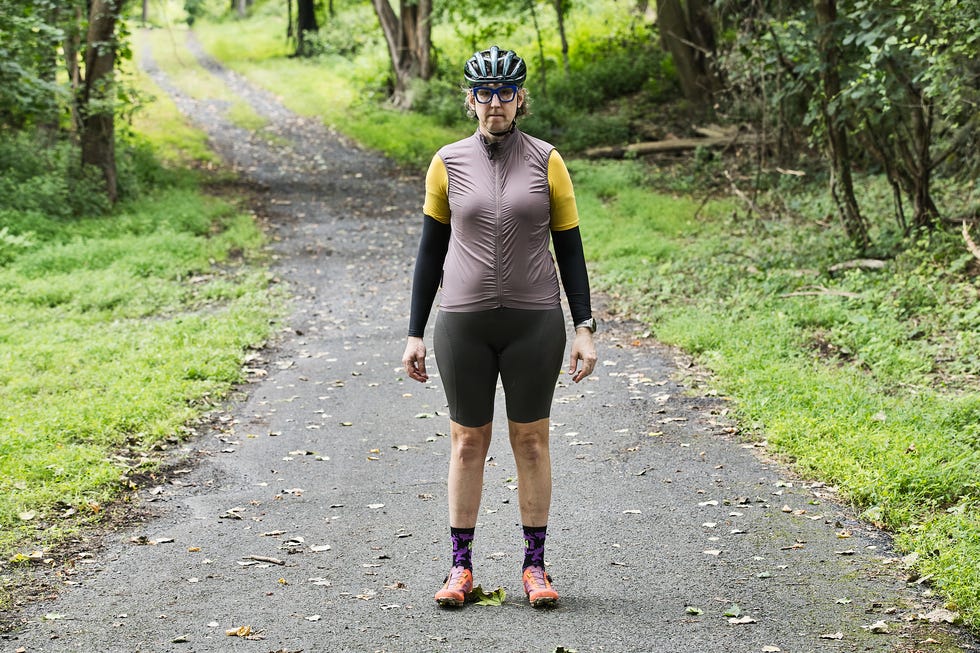
After arm warmers, I find a cycling vest is my second most-used fall clothing accessory. Sometimes called a gilet, vests can be worn as a light layer for extra warmth, to block the wind from chilling your core, or both. Cycling vests commonly come in lightweight (also known as a wind vest), mid-weight, and insulated varieties.
Wind vests are super lightweight and made of thin, wind-breaking fabric. Mid-weight vests often pair a lightweight, windproof outer material with a thin layer of insulation on the inside front. Heavily insulated vests can be overkill in early and mid-fall and are best for colder days. However, paired with a long-sleeve jersey, an insulated vest can often be used for winter rides.
If you live somewhere that rarely gets too chilly, a wind vest might be more than enough for your rides. But if you live where temperatures get cool and the air feels brisk, have a mid-weight vest in your wardrobe. Look for vests with a nice two-way zip and some breathable fabric on the back so you don’t overheat.
Leg Warmers and Knee Warmers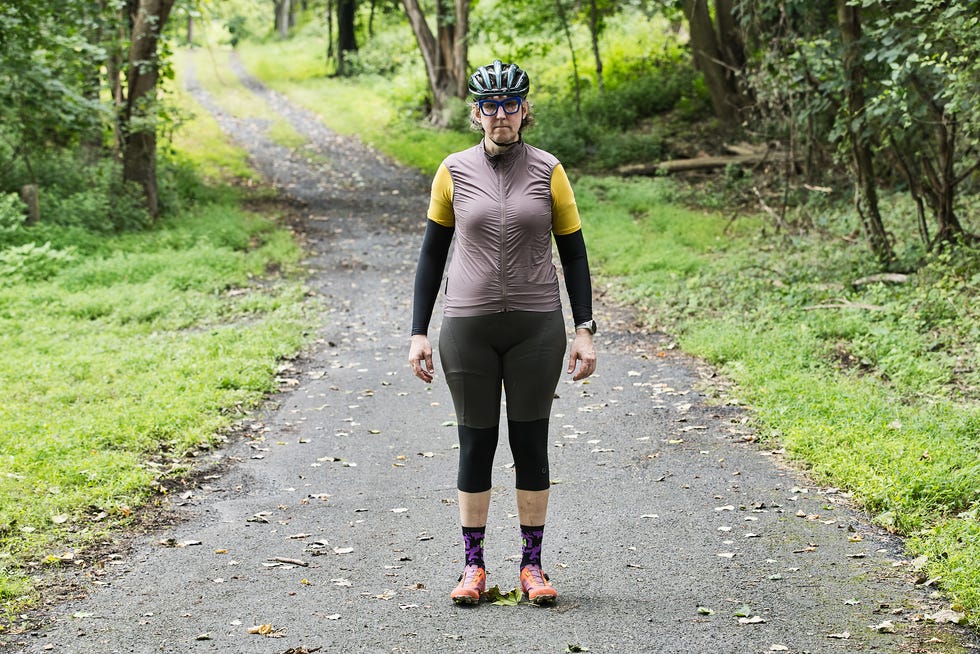
Think of leg warmers as arm warmers for your lower extremities—They’re like cycling tights you can turn into shorts when out on a ride.
Lower limb warmers come in two main lengths: those that cover your whole leg and those that stop right below the knees. Brands offer them in thermal (insulated) and lightweight varieties.
Leg warmers are incredibly useful, and I sometimes ride thermal, windproof ones on all but the coldest winter rides. However, heavy-weight thermal leg warmers can sometimes feel too hot and heavy during the fall unless the weather is brisk and chilly. I find it useful to have both thermal and lightweight versions on hand throughout the autumn. Then, depending on the forecast, I decide at game time which ones to wear.
While knee warmers have fallen out of style with some riders over the last decade, I still find they work great for certain rides. I particularly like them on days when the ride starts chilly, but I know the temps will warm up. Plus, knee warmers have a classic aesthetic and timeless appeal.
Gloves and Cap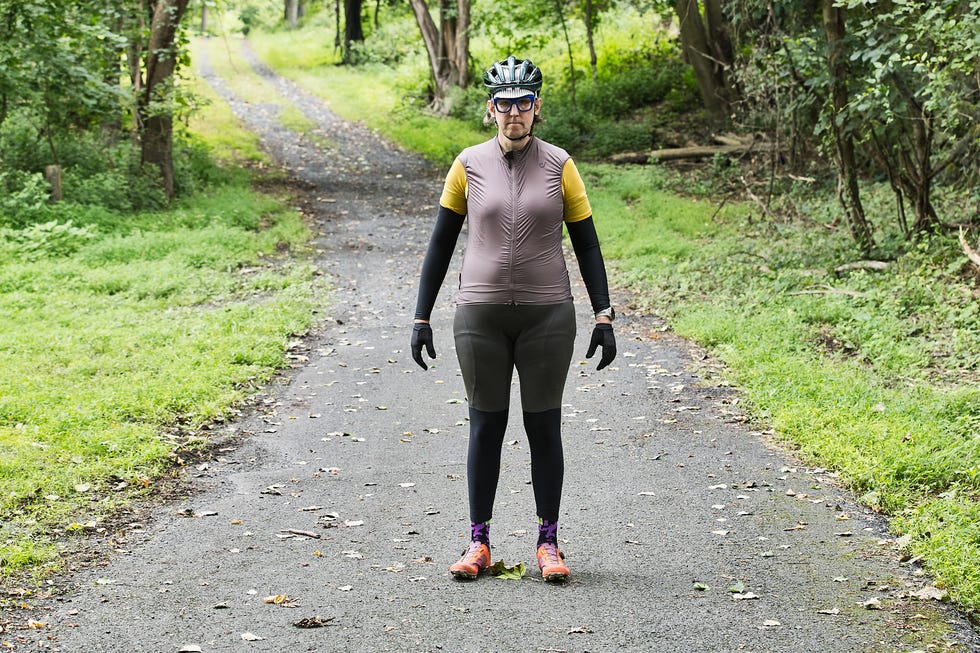
When fall rides get chilly (but not properly “cold”), lightweight gloves and cycling caps help regulate your body. However, it’s easy to overdress on fall rides, and many riders wear winter-weight gloves to stay warm but end up sweating and feeling clammy.
Everyone’s personal comfort level varies, as do your local riding conditions. But I often wear lightweight, full-finger gloves down into the low 50s before I consider breaking out the mid-weight ones. For rides when temps might fluctuate, I pack a light pair and slightly heavier ones, and swap as needed.
Trail and cross-country mountain bike gloves are a great choice for fall rides. They usually have excellent grip, thin palm material, and enough fabric on the back to block the chill while also letting your hands breathe. There are lots of gloves out there; try on a few (if you can) to see what works best for your hand shape and finger length. I’ve had luck with glove fit and quality from Handup and Troy Lee Designs (and they have some great designs), while other editors like Fox, Giro, and other brands.
To keep your head warm, cycling caps are a great fashion accessory and an effective way to retain heat. The brim on riding caps also blocks sun glare and keeps water out of your eyes or off your glasses in the rain.
Lightweight Jacket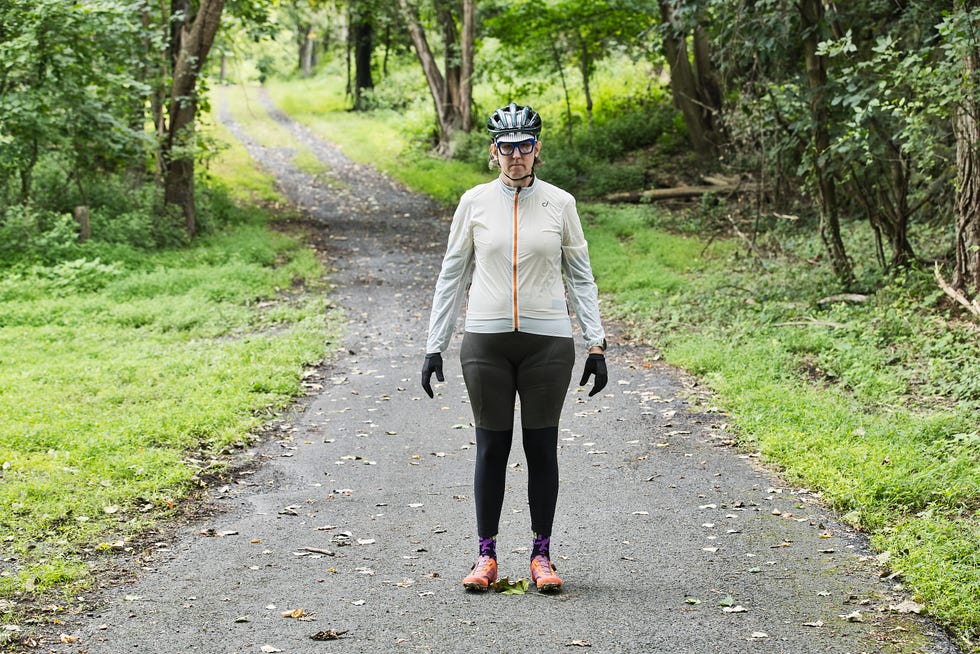
Cycling jackets come in several styles, but three types you might need in your fall clothing rotation are a lightweight wind jacket, a midweight riding jacket, and a rain cape. Depending on your local conditions (or motivation to ride in the wet), you might not even need a rain jacket. And unless temps drop into the 30s on your fall rides, you probably will not need anything heavier than midweight.
However, you will probably use a lightweight, packable cycling jacket at least a couple of times each fall. These jackets are ideal for windy days, chilly morning rides, and late afternoons when the sun begins to set.
Many brands offer lightweight jackets. A key feature of a good cycling jacket is a two-way zipper. Packability is also critical, since you might need to stash it in a jersey pocket or bar bag on your rides. If it gets wet where you ride, look for models with taped seams and DWR coatings.
If you’re going to splurge, a cycling jacket is a good place to spend. Jackets usually last for many seasons and rarely go out of style. And when it gets chilly at mile 40 of your metric century, you don’t want to be cold and miserable for the last 22 miles, wishing you had bought something nicer than the ill-fitting, drafty jacket you picked up for cheap.
Member Exclusive: Check Out Our Top Cycling Stories


As Deputy Editor, Tara Seplavy leads Bicycling’s product test team; after having previously led product development and sourcing for multiple bike brands, run World Championship winning mountain bike teams, wrenched at renowned bicycle shops in Brooklyn, raced everything from criteriums to downhill, and ridden bikes on six different continents (landing herself in hospital emergency rooms in four countries and counting). Based in Easton, Pennsylvania, Tara spends tons of time on the road and trail testing products. A familiar face at cyclocross races, crits, and bike parks in the Mid Atlantic and New England, on weekends she can often be found racing for the New York City-based CRCA/KruisCX team. When not riding a bike, or talking about them, Tara listens to a lot of ska, punk, and emo music, and consumes too much social media.