
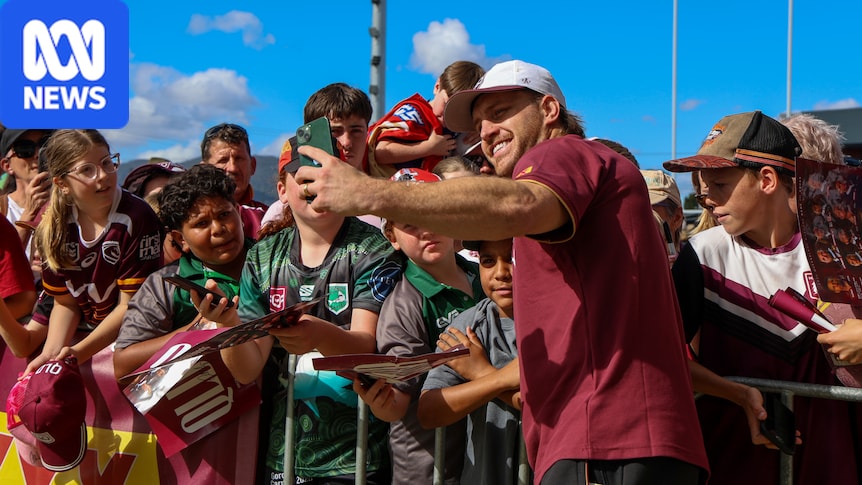
The man who turned around the fortunes of the North Queensland Cowboys in the early 2000s believes the campaign officially called the Queensland Heartland Bid is a compelling proposition to become the National Rugby League’s [NRL] next expansion club.
The joint Toowoomba and Rockhampton bid, announced this week, extends through the Darling Downs and south-west Queensland and up into central Queensland.
The heartland push would go up against rival bids out of Ipswich and New Zealand.
The Perth Bears will enter the national competition next year before Papua New Guinea in 2028.
NRL boss Peter V’landys is set to reveal the code’s 20th team by Christmas, with the new franchise expected to enter the competition in 2029.
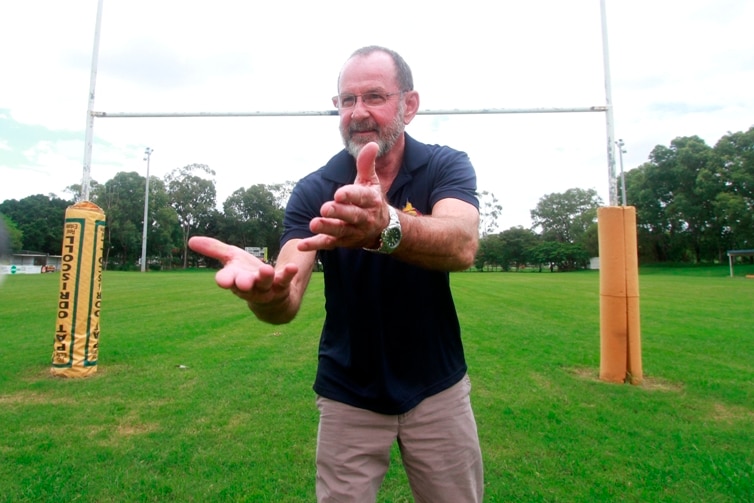
Denis Keeffe says the Queensland heartland bid ticks all the boxes. (ABC Capricornia: Alice Roberts)
Denis Keeffe, the former Cowboys chief executive and inaugural CEO of the Central Queensland NRL bid in 2009, said the region’s massive geographical footprint made it an obvious choice for NRL expansion.
“It’s the heartland, not just rugby league, but it’s the economic heartland of this country,” Mr Keeffe said.
“If you just look through the record books as to who’s come from there rugby league-wise, and where they went and what they did, it fills a journal.”
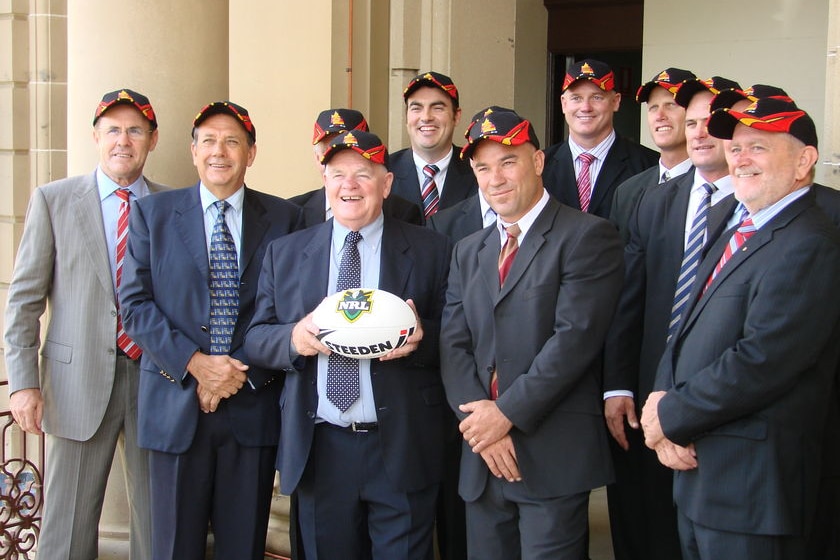
The previous Central Queensland NRL bid supporters included former players like Jason Hetherington and Gary Larsen. (ABC Capricornia: Scott Rollinson)
Mr Keeffe said much of the blueprint developed for the previous Central Queensland bid remained relevant.
“The business plan has been done, and while things have changed since then, the heartland story doesn’t change,” he said.
“The grassroots are there, the feeder programs are there, all of the green shoots are still there … they just need to be watered a bit.”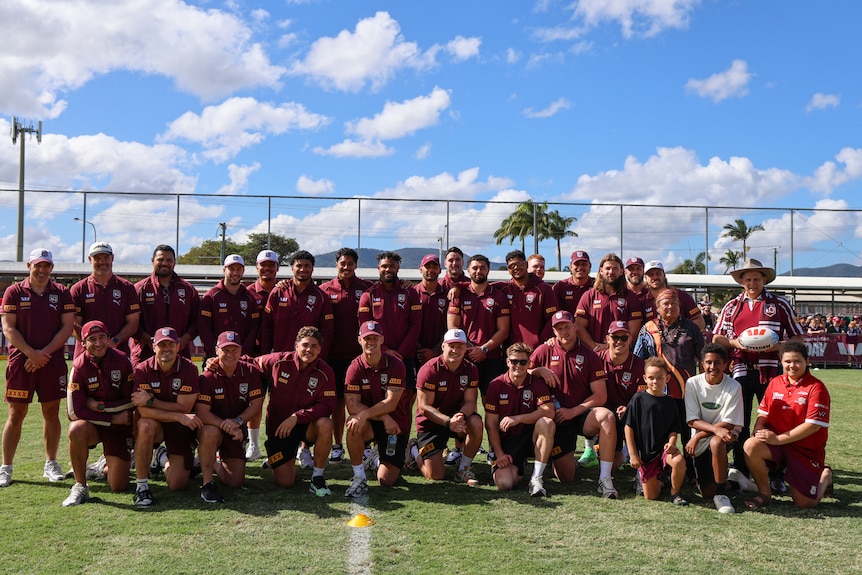
The Queensland State of Origin squad in Rockhampton before this year’s series decider. (Supplied: Rockhampton Regional Council)
‘It’s only going to get bigger’
Before this year’s State of Origin decider in June, the Queensland Maroons visited Rockhampton for their annual fan day.
Queensland captain Cameron Munster used the return home to throw his support behind a Central Queensland NRL team.
“It’s been a great nursery for kids that have come through to play NRL and it’s only going to get bigger,” he said at the time.
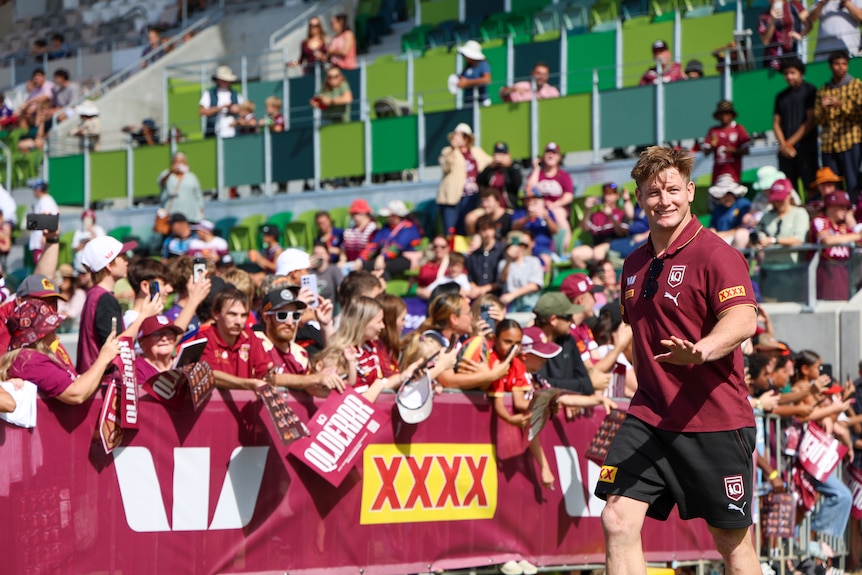
Yeppoon’s Harry Grant receives a rock star welcome home to central Queensland. (Supplied: Rockhampton Regional Council)
While the NRL is considering a potential 20th licence through regional collaborative proposals such as the heartland bid, the code is also facing competition from the AFL as it expands into traditional rugby league territory.
“There’s a gap in the middle of Queensland and, in an offensive way, you have to look at your defence as well,” Mr Keeffe said.
“Where you’ve got a gap is where you invite opposition in.”
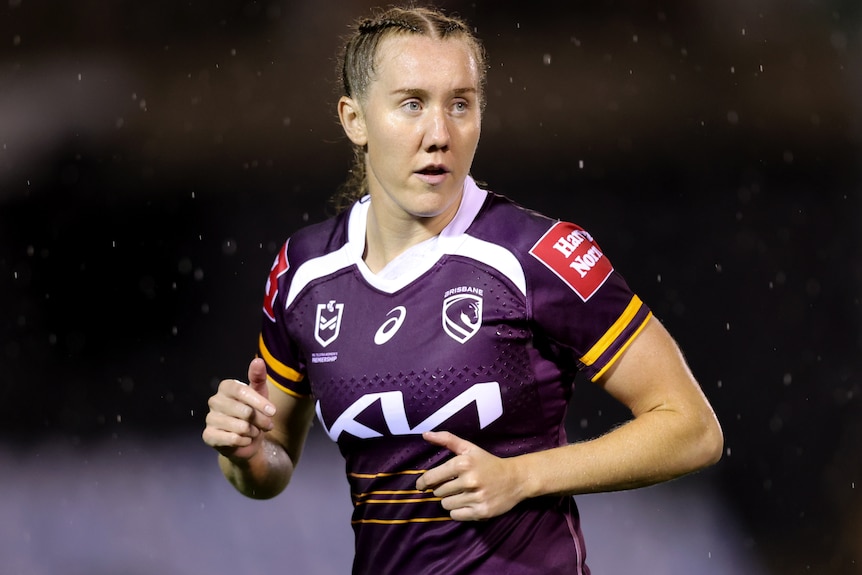
Regional Queensland has unearthed NRLW stars such as CQ’s Tamika Upton. (Getty Images: Jason McCawley)
Regional breeding ground
From Darren Lockyer and Shane Webcke to Cameron Munster and Harry Grant, the Darling Downs, south-west and CQ regions have been a regional breeding ground for NRL, NRLW, State of Origin and international rugby league talent.
Mark Mason is the man behind the Toowoomba and Rockhampton consortium.
The bid team lead said the enormous talent pool was untapped, with the area home to more than 6,000 junior players.
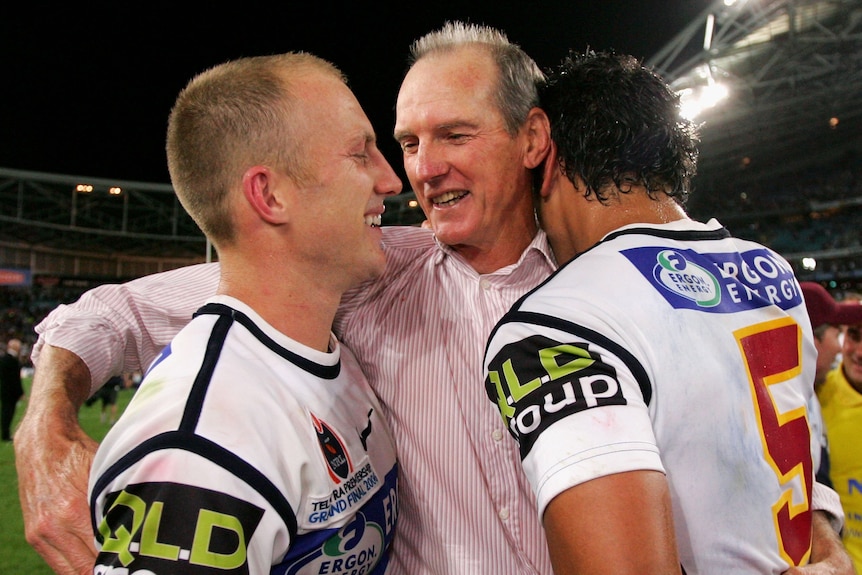
Former premiership-winning Broncos captain Darren Lockyer (left) grew up in the rural Queensland town of Roma. (Getty Images: Cameron Spencer)
Linking with Queensland Cup clubs the Western Clydesdales and CQ Capras, Mr Mason said the response from both regional centres had been exciting.
“The community has really come together and united around the bid and, so that sort of reaction has just been incredible,” he said.
“They feel like they’re a part of something.”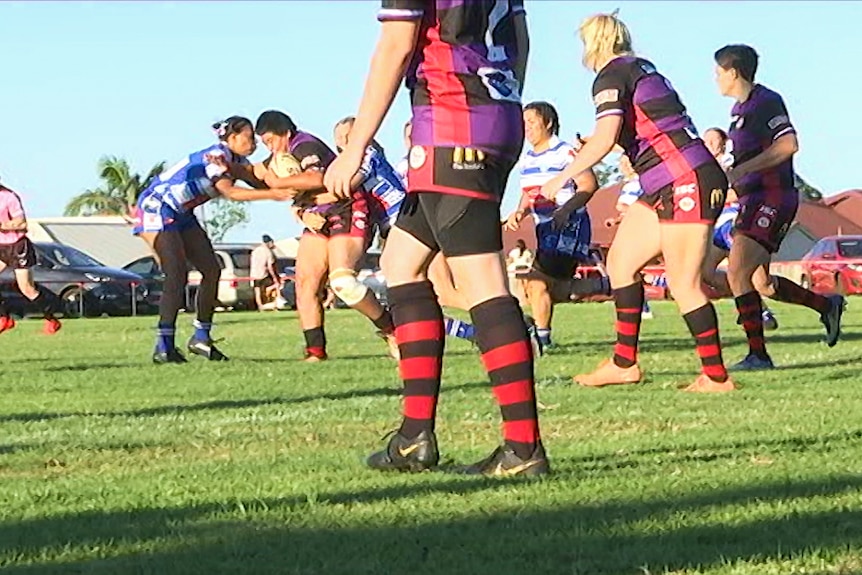
The Toowoomba and Rockhampton bid unites fans and playing talent from two proud rugby league regions. (Elly Bradfield: ABC Southern Queensland)
Mr Mason acknowledged there would be benefits and challenges with the bid spread across two cities.
“There’s a great spirit of cooperation between the working parties and there’s a core group from Central Queensland and a core group from the Darling Downs that are working well together,” he said.
“No doubt there’ll be some difficult and tough conversations as we move forward as well.
“But I think both regions are just super excited to be able to be part of this.”
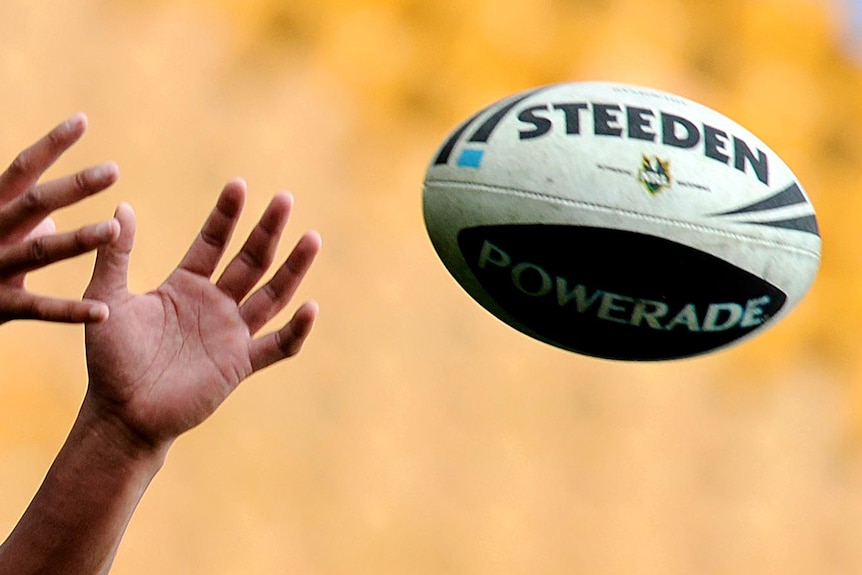
The bid will provide a pathway from grassroots footy to the NRL. (AAP: Dave Hunt, file photo)
Toowoomba magnate and director of the Wagner Corporation, John Wagner, said an NRL team would put the region on the map, and be a good incentive for a stadium to be built in the garden city.
“It would be great to see Toowoomba get its own NRL team and that would ultimately mean that one day we would get a decent stadium here in Toowoomba which we desperately need,” Mr Wagner said.
“Everyone wins from these things, accommodation providers, the airport creates more jobs, there’s no downside to having our own NRL team.”The North Queensland blueprint
Now-retired Australian sports administrator Denis Keeffe was instrumental in guiding the North Queensland Cowboys from cellar-dwellers to 2004 preliminary finalists.
He did so with a simple game plan — putting local talent at the centre of the club.
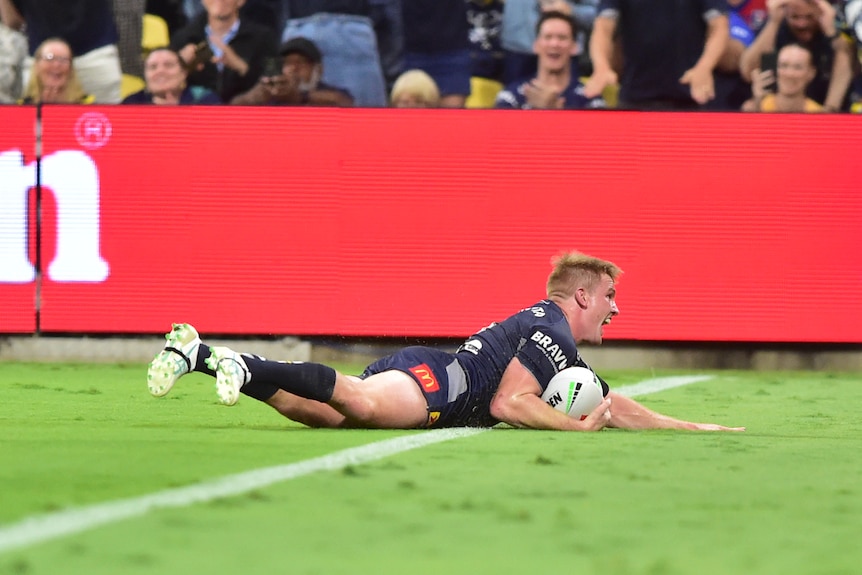
The North Queensland Cowboys have enjoyed success connecting with local talent. (AAP: Scott Radford-Chisholm)
He believed the same approach could work for a new team centred around Toowoomba and Rockhampton.
“The way we fixed [the club] up was we introduced North Queensland kids, young men, into the team,” he said.
“We doubled our audience in a matter of 18 months because they wanted to connect to their team.
“The exact same scenario could and should happen here.”