
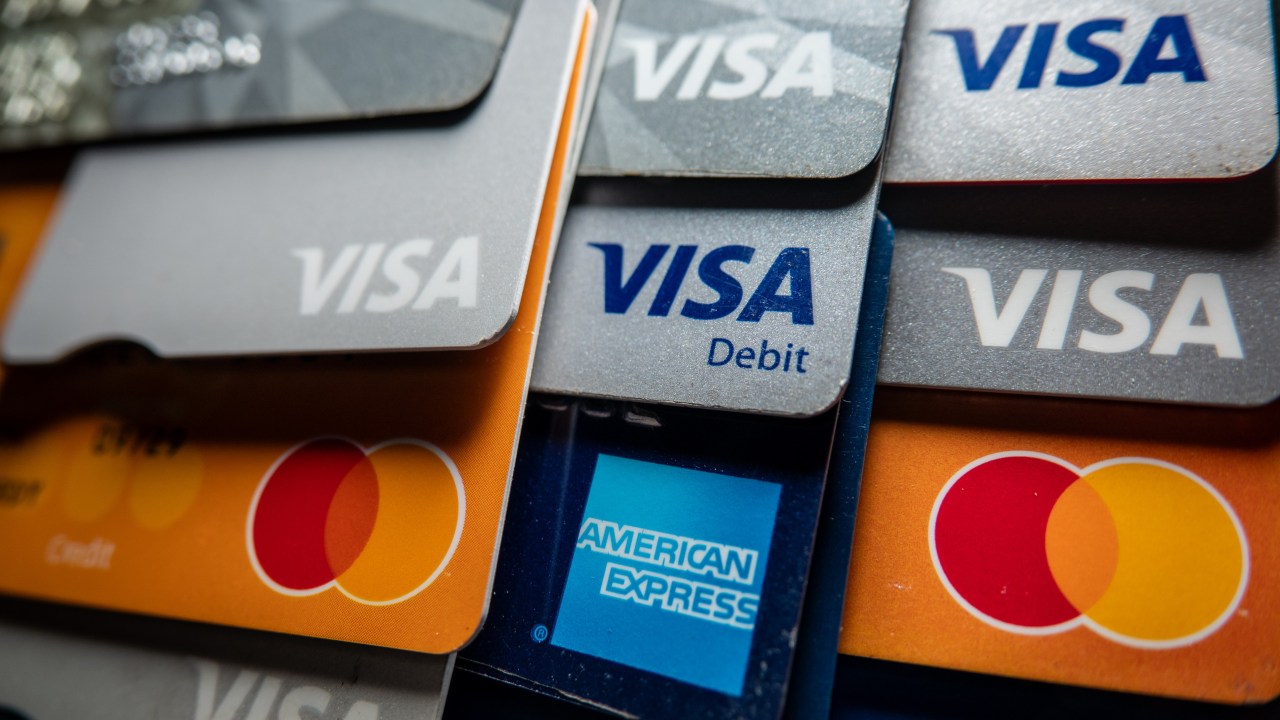
Ending card surcharges could prompt one of the “largest inflationary lifts” in Australia’s history as operators are forced to recoup their losses by increasing prices, Australian Restaurant and Café Association chief executive Wes Lambert has said.
Beginning October 1, businesses will not be able to add a surcharge to card payments.
The ban follows the Reserve Bank’s review of card payment costs, which concluded that removing it would improve competition in the payments system.
However, Mr Lambert said many businesses would raise prices to absorb additional costs, before warning that the ban could trigger a substantial inflationary shock across the small-business sector.
“Many (businesses) have said that they are going to be increasing their prices from tomorrow, and explaining to their customers and to consumers and diners that it’s not their fault,” Mr Lambert told News24 host Ed Boyd on Wednesday.
“They (business owners) have nothing to do with the RBA policy change that is allowing merchant service providers and banks to ban credit and debit card surcharges.
“So, you know, we expect that across the entire small business community that tomorrow will be one of the largest inflationary lifts in the history of Australia.”
Mr Lambert said that many operators would raise prices because of the ban, and that consumers would pay the increase regardless.
“The 2.7 million small businesses around Australia have been preparing in some way for the last six months since the announcement was made on the 31st of March,” Mr Lambert said.
“There’s been a flurry of activity in the past few weeks as many businesses have looked to increase their prices, which we expect will be the most used way to recover some of that $1.6 billion that the RBA said was going to disappear.
“It is not going to disappear.
“Consumers are just going to pay it and more in increased prices for menu items, for goods and services in retail businesses, and around the 2.7 million small businesses in Australia.”
He said some businesses were considering replacing card payments with cash, PayID, and bank transfers and said the ban could lead to an increase in cash use.
“Cash is king, and I did not come up with that saying,” he added.
“We have heard from many small businesses around the country that they are intending on stopping taking cards and only allowing pay ID and bank transfer and cash as an option.
“So, look, I know that the ATO is probably jumping up and down at the expected rise of cash in the economy, but when the ability to pass on real costs that small businesses have to consumers in a transparent way is taken away.
“The outcome is certainly not going to be what other departments want.”
Read related topics:Australian business