
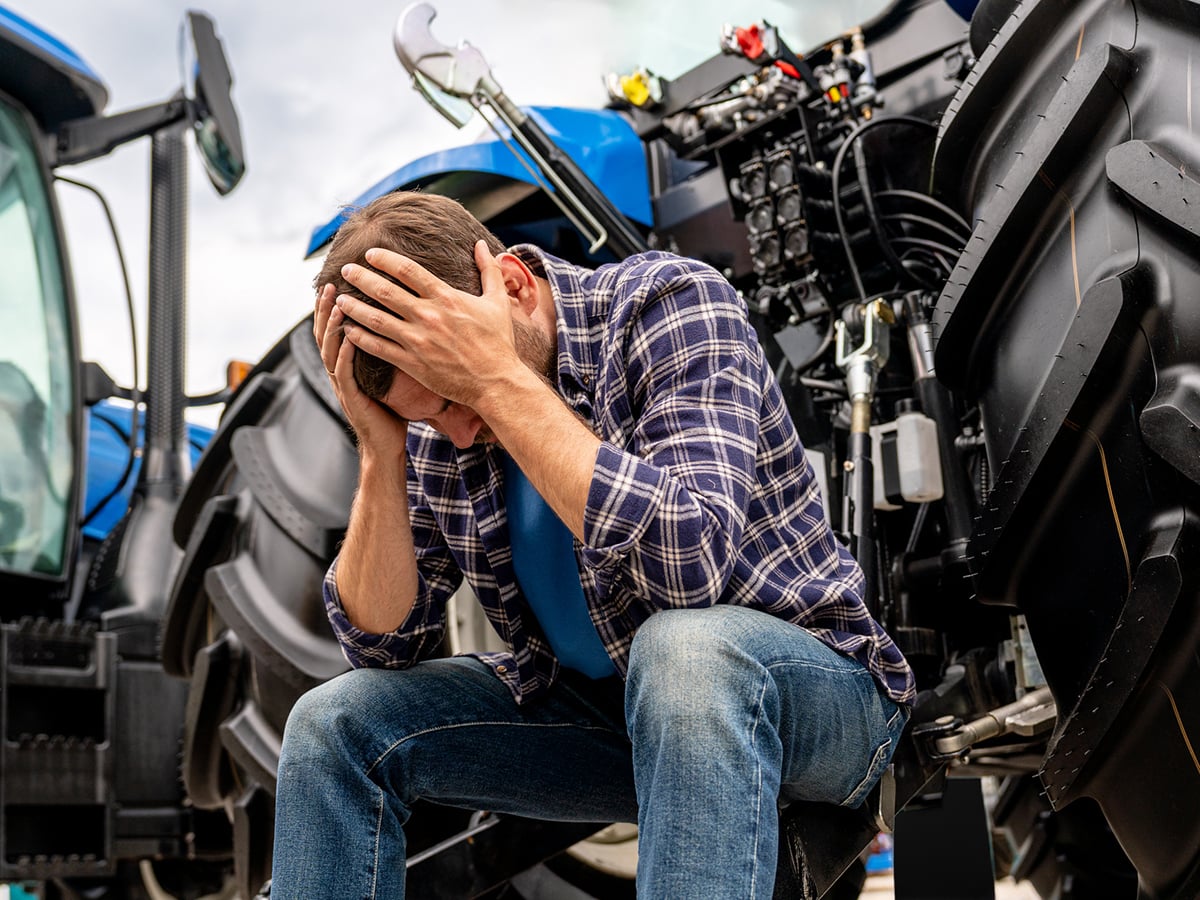
It’s been over 30 years since Oct. 10 was first recognized as World Mental Health Day.
It’s not explicitly about farming, but farming is one industry where mental health issues have very much come into the fore.
Research spearheaded by the University of Guelph in 2021 highlighted higher stress, depression and twice the rate of suicidal ideation than the general population. Farmers were more exhausted and cynical.
Organizations like the Do More Agriculture Foundation and provincial resources have risen to bring awareness to the issue.
This year, Oct. 10 lands in the tail end of what has been a year of high input prices, uncertain markets and a tough harvest on the Prairies.
A look back at our stories on farmer mental health
As per the World Health Organization, this year’s theme for the occasion is “lived experiences heard: real voices, real change,” calling on all of us to engage with people with lived experience of mental health conditions and to recognize their knowledge as a vital form of expertise.
Read Also
We’ve collected our coverage of mental health issues, across our network of Glacier FarmMedia newspapers and websites, over the past 12 months.
Looking down the list, you’ll see trends. Experts note that farming is often-solitary occupation, and is further weighed down by that persistent old saw depicting farmers as what former U.S. president Herbert Hoover called “rugged individualists.”
Against all that, though, farmers, farm families and farm-facing organizations work hard to remind fellow farmers and families that they’re not alone — and that sharing the experiences faced in the past will be, in part, how we improve outcomes in the future.
If you or someone you know needs support, scroll to the end of this article for a list of crisis lines and counselling services, either nationally or in your area.
Don’t just gut it out
Tough it out or talk it out? Ways to manage mental health in agriculture, May 26
A shift in agriculture, from silence to speaking about mental health, is helping farmers handle stress.
You don’t have to do it all, July 15
Asking for outside help can feel uncomfortable, but here’s why having less on your to-do list can make you a better farmer.
Tough it out or get help?, Sept. 22
Even among health care professionals, the assumption about rural/farm demographics is that they’ll wait far too long to seek professional medical guidance when it comes to physical or mental health concerns.
How to recognize mental distress, May 10
Though signs of mental distress are generally well known these days, mental distress doesn’t look the same for everyone. The rate of suicide among farmers remains higher than that of the average population.
The physical and relational effects of stress, Aug. 8
Unlike a physical scar that we can see, stress can be absorbed and invisibly affect everything — and everyone — in our lives on the farm, Arlen Motz writes.
Farm sustainability means farmer wellness too, March 21
University of Manitoba researchers want to talk about farm succession, self-efficacy and community supports as part of an agriculture wellness and sustainability study.
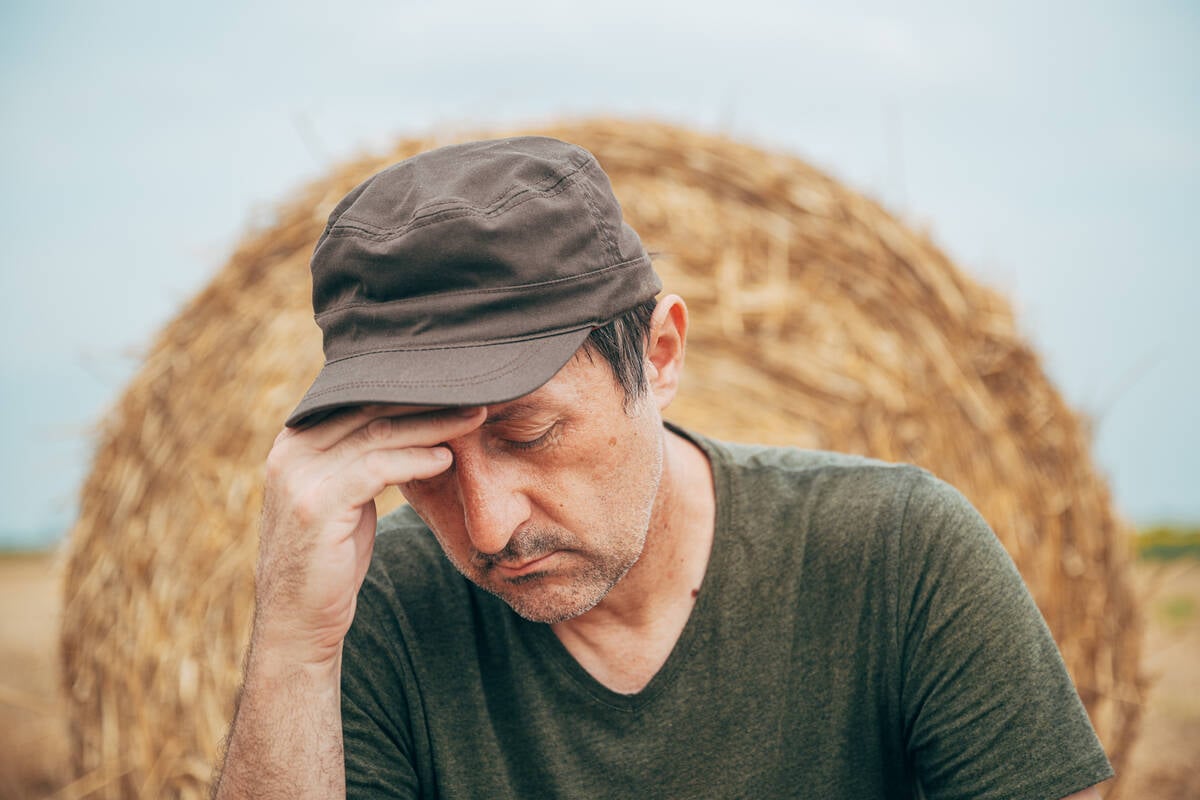
Our bodies are often aware of pressure before our minds are willing to acknowledge it.
Photo:
BitsAndSplits/iStock/Getty Images
You’re not alone
When resilience becomes part of the farm plan, Aug. 14
A Nova Scotia couple prevails through dire circumstances to develop a dairy farm designed around efficiency, adaptability and the understanding that the most valuable asset on any farm isn’t the equipment — it’s the people.
Farmers are especially at risk for burnout, May 27
Our understanding of what burnout is — and how it affects farmers — is changing, Delaney Seiferling writes.
On and off the farm, men are starting to learn and talk more about mental health, but there is still a long way to go.
Shining a light on mental health in agriculture in Canada’s North, May 23
The unique challenges of farming in the Yukon contribute to mental health challenges exacerbated by cold, dark days, Becky Zimmer writes.
Changing farm culture from blame to lessons learned, April 16
Playing the blame game about mistakes can leave your farm at a big disadvantage. There’s a culture shift underway on Canadian farms toward treating mistakes as opportunities to learn — and experts say that shift matters.
Workshop aims to tackle ‘pandemic’ of rural mental-health struggles, Jan. 9
Farm families now have a training opportunity for how to copy the unique stressors they face: the Stigma-Free Mental Health Society offers a two-day Rural Minds Matter Peer Support Training workshop.
Reflecting on failure, Sept. 21
We can put care into a decision and still face an outcome we didn’t want — but we can also reflect on what lessons to take away.
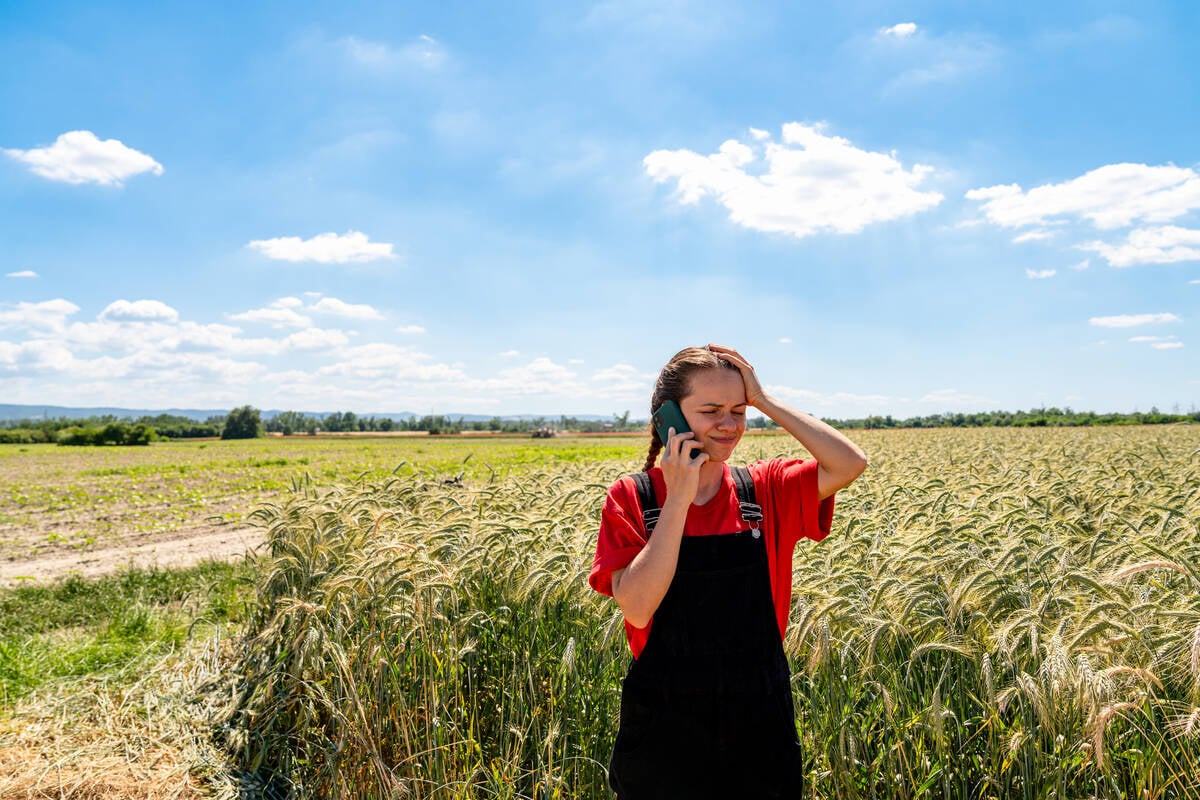
The multiple roles women play on the farm can lead to a complex blend of health and safety hazards.
Photo:
Igor Barilo/iStock/Getty Images
Stressful times
Farmer mental health strains under piling financial and weather pressures, lack of control, May 30
Manitoba’s farm mental health stress points aren’t new, but price risks, uncertain markets and weather seem more intense this year — and farmers may feel helpless in the face of them.
In times of mandatory joy, try to find contentment, Dec. 1
As we barrel toward the holiday season, keep in mind that we can’t force it to be the Most Wonderful Time of the Year for everyone, farm family coach Kalynn Spain writes.
How to deal with worry this Christmas, Dec. 23
For some people, the Christmas season increases loneliness, grief, hopelessness and family tension, and the festive season has a way of turning ordinary concerns into urgent ones.
The on-farm events that can trigger stress, Aug. 15
Our bodies are often aware of pressure before our minds are willing to acknowledge it, Arlen Motz writes. The challenge is that many of us have become so accustomed to these signals that we dismiss them. We tell ourselves it’s just part of farming.
Complexity of being a woman in farming can lead to mental, physical health risks, March 6
The multiple roles women play on the farm can lead to a complex blend of health and safety hazards, according to speakers at a webinar hosted by the Canadian Agricultural Safety Association (CASA).
How farm stress affects you and what you can do about it, June 20
Stress slowly affects the body and mind in ways we often don’t recognize until something finally gives way, Arlen Motz writes.
Animal welfare cases often correspond with mental health challenges, Sept. 3
A research project from the Alberta SPCA and University of Alberta finds patterns in animal welfare cases, leading to the development of a framework that will help officers better identify individuals needing mental health support.
Domestic abuse survivors may need extra support when livestock is involved, experts say, Nov. 27
Gender-based and domestic violence survivors from rural and remote communities often require unique care due to the needs of animals and livestock. Speakers at the Humane Canada One Health One Welfare Conference in Ottawa explained the intersections between animal health and gender-based violence.
Misinformation, polarization drive agriculture off social media, June 17
The use of social media by the agri-food sector has declined, with implications for quality control in important debates about the sector.
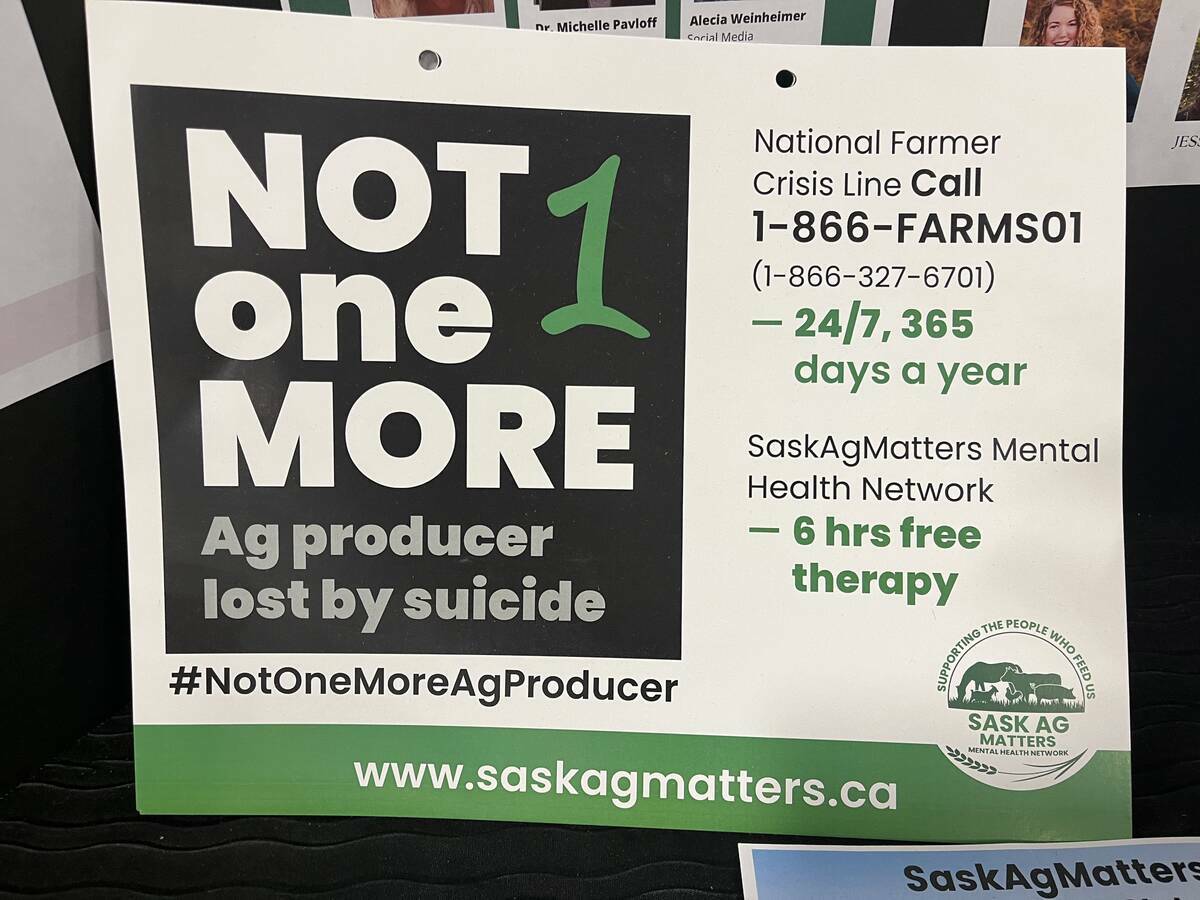
The SaskAgMatters Mental Health Network’s Not One More campaign launched at Canadian Western Agribition in 2025.
Photo:
File
Programs, tools and supports
SaskAgMatters zeros in on farmers’ mental health, Nov. 27
At Canadian Western Agribition, SaskAgMatters announces a new effort urging farmers and ranchers to seek support.
Farmers offered anonymous mental health help, April 6
The peer support service for agriculture from AgTalk is offered through DoMoreAg and the Togetherall platform.
Saskatchewan’s Farm Stress Line receives funding and new management, March 31
Saskatchewan’s Farm Stress Line is getting new management. As of April 1, the SaskAgMatters Mental Health Network will be in charge of the hotline, offering around-the-clock confidential access to counsellors trained in agriculture.
The tools we trust, Aug. 24
On the farm, it’s important to have tools that work and that we trust to do the job. Dealing with stress and pressure is no different.
Do More Ag to fund rural groups’ mental health workshops, March 30
Community groups and non-profits could get funding and support to host mental health training and conversations, the Do More Agriculture Foundation says.
National survey of farmer and rancher mental health launches, Jan. 27
Responses to the Canadian Centre for Agricultural Wellbeing survey are meant to help inform and guide policy and ag-specific mental health supports.
Toolkits help bridge gap in farmer mental health, Sept. 23
While efforts to rebuild and repair farms tend to take centre stage following a crisis, the mental health aspects of these events are often put on the back burner. The Canadian Centre for Agricultural Wellbeing hopes to change that mindset with its Catastrophic Events Toolkits, available online.
Farmer mental health support extended in Manitoba, Jan. 24
The Manitoba Farmer Wellness Program is slated for $300,000 over the next two years for its farm mental health services.
McDonald’s to Do More for farmer mental health, Aug. 21
The Canadian arm of fast food giant McDonald’s is putting an undisclosed level of support behind a national organization devoted to mental health and wellness in farming.
Getting the mental health conversation going, April 30
Dirt Road Collective’s clothing with “you are more than your yields” message will be sold with profits going to Do More Ag.
BASF spiffs up a brand to do more for farmer mental health, July 9
To mark 30 years of InVigor hybrid canola, BASF Agricultural Solutions Canada is doing more, so to speak, for mental health in agriculture in a collaboration with Saskatoon clothing company Prairie Proud.
Where to find help
National Farmer Crisis Line: 1-866-327-6701
Suicide Crisis Help Line: Call 988, text 988 or visit 988.ca
Crisis Services Canada: 1-833-456-4566
AgTalk: visit https://www.domore.ag/agtalk
Counselling Alberta: 833-827-4230
AgWell Alberta: 780-281-0158
Alberta Mental Health Hotline: 1-877-303-2642
Farm Stress Line:1-800-667-4442
Sask Ag Matters:1-639-414-3276 or email director@saskagmatters.ca
Manitoba
Manitoba Farm Rural & Northern Support Services: 1-866-367-3276 or email info@supportline.ca
Manitoba Farmer Wellness Program: 1-204-232-0574 or email info@manitobafarmerwellness.ca
Manitoba Suicide Prevention and Support Line: 1-877-435-7170
Farmer Wellness Line: 1-866-267-6255
ConnexOntario: 1-866-531-2600
Centre de prévention du suicide de Québec: 866-277-3553
Au cœur des familles agricoles: 1-450 768-6995
Source: Do More Agriculture Foundation/Google search