
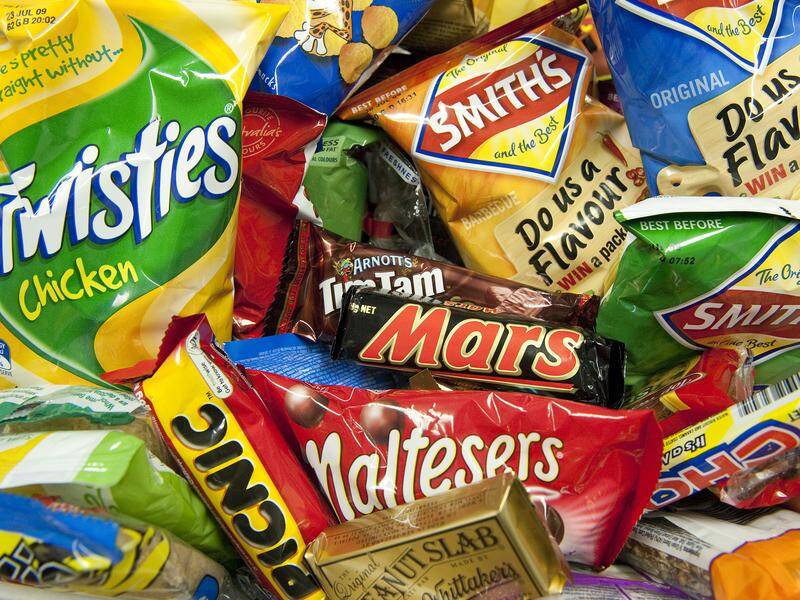
 A study found up to a 30 per cent increase in liver disease among people who snack late at night. Photo: Dave Hunt/AAP PHOTOS
People have long been warned that eating late at night leads to weight gain, but now scientists believe it may directly impact the liver.
US research on around 200,000 people across three studies found late-night eating was linked to a significantly increased risk of liver disease.
Published in the journal Clinical Gastroenterology and Hepatology, the study found people who eat after dinner or after bedtime have a higher risk of metabolic dysfunction-associated steatotic liver disease (when fat builds in the liver) or cirrhosis.
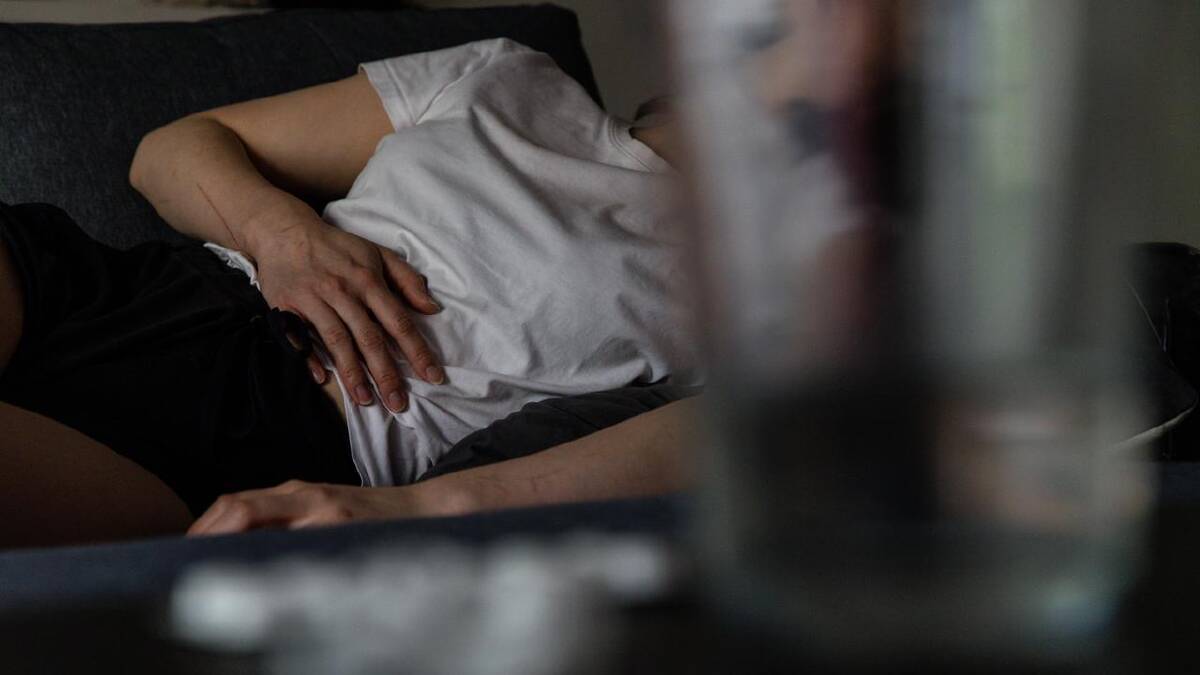 Symptoms of cirrhosis include feeling tired and weak all the time, loss of appetite and itchy skin. (Diego Fedele/AAP PHOTOS)
“We know the liver is very much in tune with the body’s circadian rhythms,” said lead author Robert Wilechansky, from Oregon Health and Science University (OHSU).
“So we’re interested in changing the timing of eating in a way that could make a difference in health without changing the composition of what people eat.”
The study in the US population found a 20 per cent to 30 per cent increase in all forms of liver disease among people who reported late-night eating compared with those who did not.
“It’s important to remember, of the people who developed fatty liver disease, only a small fraction develop serious forms of the condition like liver cirrhosis,” Dr Wilechansky said.
“Even so, the big take-away here is that confining your calorie intake to several hours before bedtime might be beneficial.”
There are many different types of liver disease and some have no symptoms.
Symptoms of cirrhosis include feeling very tired and weak all the time, loss of appetite, loss of sex drive, jaundice, itchy skin and feeling or being sick.
“We are seeing over and over again that the timing of behaviours, whether it’s sleep, eating or exercise, really matters,’ said Andrew McHill, a sleep and circadian physiologist at OHSU.
“For example, we have shown that eating during the night, when the internal biological clock is promoting sleep, reduces the ability of your body to metabolise foods as efficiently and can eventually lead to obesity, diabetes and now poor liver health.”
Australian Associated Press
 Breaking news alert
Be the first to know when news breaks.
Loading…
 Today’s Paper Alert
Your digital replica of Today’s Paper. Ready to read from 5am!
Loading…
 The Echidna
Sharp. Close to the ground. Digging deep. Your weekday morning newsletter on national affairs, politics and more.
Loading…
 Explore Travel News
Every Saturday and Tuesday, explore destinations deals, tips & travel writing to transport you around the globe.
Loading…
 The Informer
Your essential national news digest: all the big issues on Wednesday and great reading every Saturday.
Loading…
 Motoring
Get news, reviews and expert insights every Thursday from CarGuide, ACM’s exclusive motoring partner.
Loading…
 Your favourite puzzles
Test your skills with interactive crosswords, sudoku & trivia. Fresh daily!
Loading…
 The Senior newsletters
Stay in the know on news that matters to you with twice weekly newsletters from The Senior.
Loading…
 Voice of Real Australia
Get real, Australia! Let the ACM network’s editors and journalists bring you news and views from all over.
Loading…
 Your weekly update
The week’s top stories curated by our news team.
Loading…