
Seven million Aussie workers are reaping the rewards of a key change to superannuation rules this year, new data shows. There were several changes made to super earlier this year with the concessional tax rate, contribution caps and transfer balance caps all being adjusted, as well as the commencement of Payday Super.
Payday Super, which has seen employers required to pay super at the same time as paying salary or wages from July 1, was introduced with the intention to reduce employer liabilities, make superannuation tracking easier for employees and tackle the widespread issue of unpaid super. And the issue was rife, with Australians reportedly missing out on $24.4 billion in unpaid super over the past five years.
Now, since the introduction of Payday Super, the number of payments going into super accounts each month has more than doubled.
RELATED
The Association of Superannuation Funds of Australia (ASFA) released its new findings today, which showed around seven million workers who were previously paid super once a quarter are now getting it with their wages.
Monthly super payments more than double
In August alone, more than 54 million super payments were processed compared to the average 25 million a month in 2025-26.
July 2026 had ticked slightly higher to 64 million, as employers made their last quarterly payments alongside their first payday contributions.
These results, ASFA chief Mary Delahunty said, show the initiative is working as intended.
“Payday Super was designed to make sure super is paid at the same time as wages. Two months in, the data shows that is happening for millions of workers,” she said.
“When super is paid sooner, it is invested sooner and earns returns for longer. A 25-year-old on average wages will have around $5,000 more in retirement just from more frequent payments.
“It has also made it less likely that workers will miss out on being paid the super they are entitled to.”
 ASFA chief Mary Delahunty said Payday Super is clearly beneficial to workers, as was the intention. · Women’s Agenda
Delahunty said that, under the previous quarterly system, it would often take workers four to six months after they had earned their super to realise it was missing.
By then, the business could have closed down or gone into liquidation, meaning the super may never be recovered. Thanks to Payday Super, that’s no longer the case.
Employers now have seven business days after payday to get super into a worker’s fund, so a missed payment can be identified within weeks, not months,” Delahunty said.
While ASFA said all Australians benefit from the change, small business workers in particular are welcoming the new process.
Major win for small business employees
Small businesses have been issued a raft of changes this year, being hit with new taxes and the banning of card surcharges.
Payday Super was another adjustment small business owners needed to get on board with, considering they were the most likely to be paying their staff’s super on a quarterly basis.
Since July 1, a super fund with a large proportion of small business employers showed it has now received 3.5 times as many employer contributions as before.
It’s a change welcomed by ASFA, considering that several industries dominated by small businesses, from building and construction to hospitality, beauty services and cleaning providers are among those with the highest levels of unpaid super.
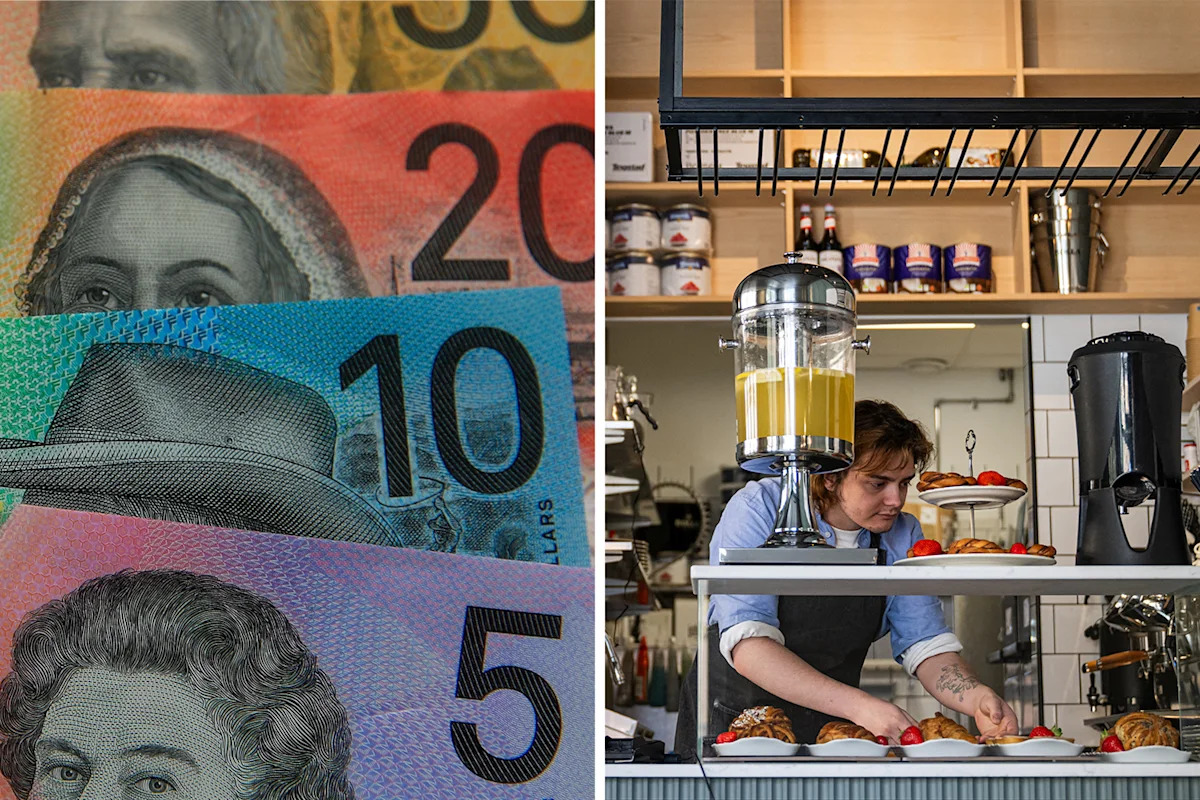
 All businesses, whether large or small, have had to comply with the Payday Super changes. · Jeff Greenberg via Getty Images
The Australian Tax Office (ATO) estimates that $6.2 billion in super guarantee went unpaid in 2022-23.
“Younger Aussies, tradies, and hospo staff are among the workers most likely to miss out on super because of unpaid contributions,” Delahunty said.
“They are the people Payday Super was designed to protect.”
ASFA now expects the number of monthly superannuation payments will stay around the August level.
Get the latest Yahoo Finance news – follow us on Facebook, LinkedIn and Instagram.