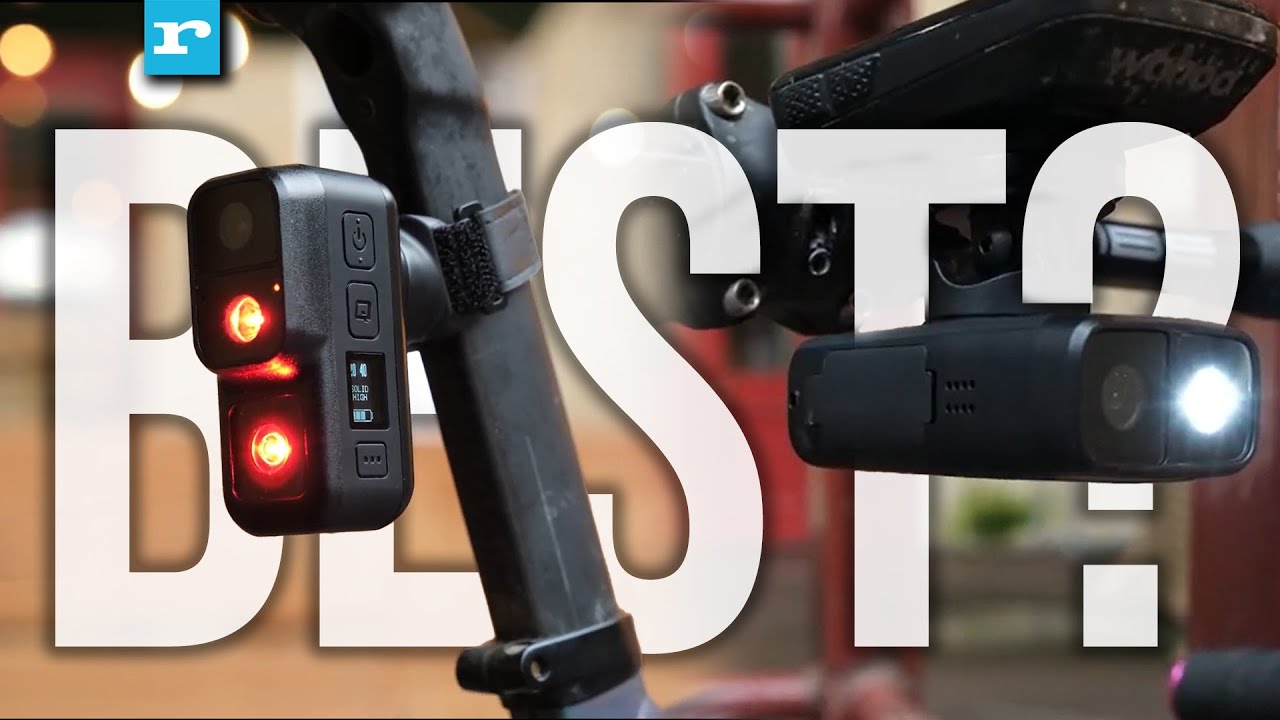
As a means of getting from Point A to Point B, cyclists around the world must share the road with cars, motorized beings that protect its occupants with a blend steel, aluminum, and composite carapace, one that often, when clipping a cyclist, isn’t even felt.
In the struggle to make cycling safer for us and even have a clear sight of things after an accident takes place, when recalling details can be a bit fuzzy, Cycliq was born. If you’ve never heard the name, and you ride a bike, it’s time to get with the times because this team has made a name for itself by focusing on developing dash and helmet cams for cyclists.

Photo: Cycliq
All of the work they do is in the spirit of reducing hit and run accidents, even ones where the drivers of cars were never aware they caused. Heck, even accidents with other cyclists is one the menu for camera gear of this kind.
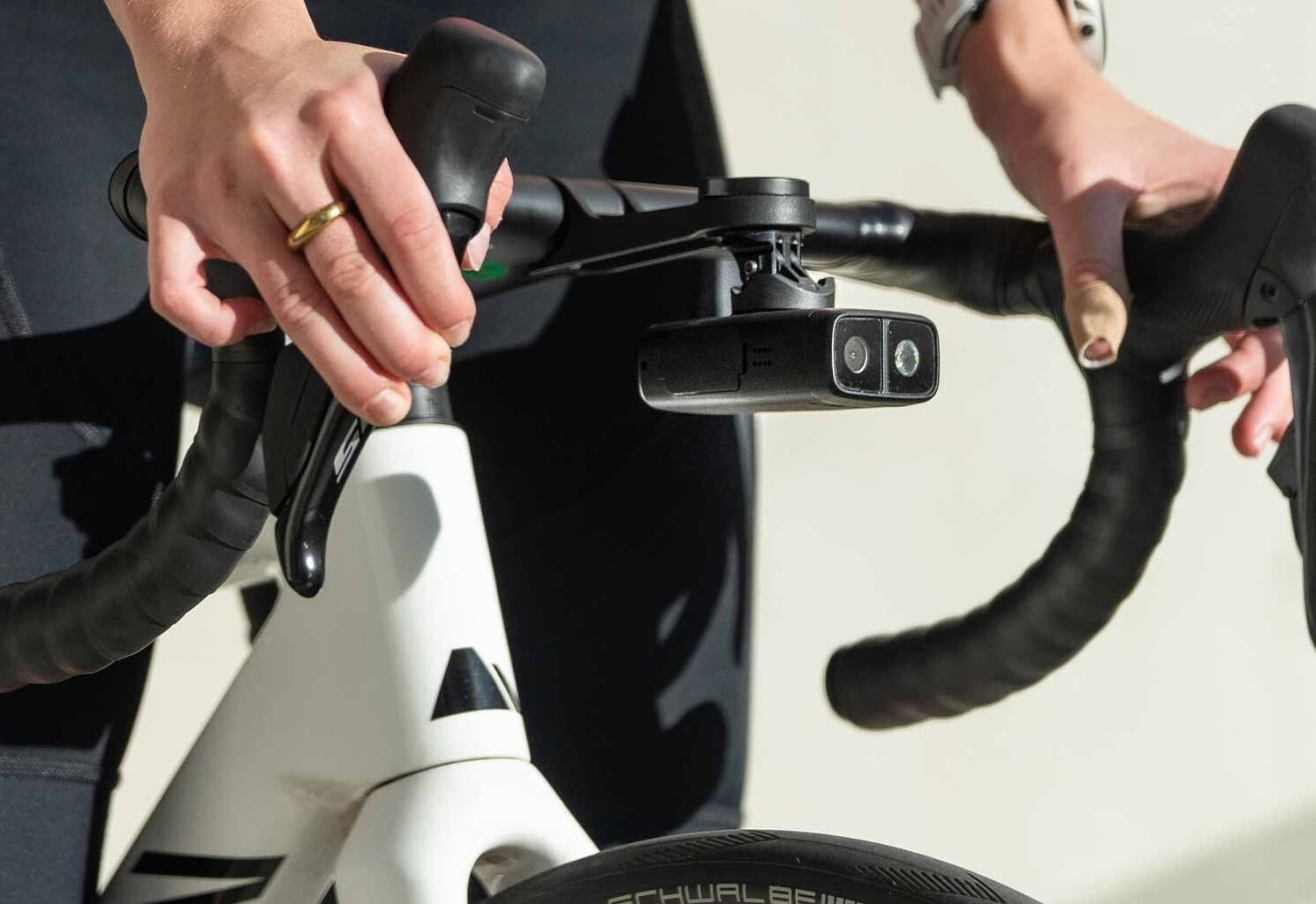
All that brings us to the 148-gram trinket, the centerpiece of discussion today. It’s called the Fly12 Sport a $369 piece of equipment from Cycliq that they actually released back in 2022. Keep in mind that Cycliq saw its beginning in 2012, so when they launched the Fly12, the brand declared that it was the culmination of a decade of knowledge and know-how.
Now, the idea behind the Fly12 is very simple, as simple as a dashcam can be. It’s been crafted to record your rides and does so in order to ensure there’s an indisputable image of what happened in case of an accident. But, because it’s designed for bicycles, there are some clear differences between this one and your typical dashboard-mounted options.

Photo: Cycliq
For instance, the weight of the system is important in a sector where every gram counts, especially if you’re riding your bike as a means of training, and 148 grams is less than the weight of a GoPro 13. Did I mention that the Fly12 is a two-part system?
Part of the weight of the framework is due to the presence of a 400-lumen headlight that sits side by side the camera, and with four different actions (high and low intensity each), we can tap into lighting solutions for an array of settings, be it cruising the streets or trails, or needing to make your presence known.
Just be sure to keep in mind that using the light will drain the internal 3000 mAh battery, and when coupled with the camera, grants us a runtime of five hours. Thank God its rechargeable. Without the light, we can record for a solid seven hours according to Cycliq. Clearly, adventure cyclists may have trouble keeping this one alive for days.
This brings us to the camera itself, which is showcasing some pretty decent specs in terms of image quality. According to Cycliq’s website, 2560 × 1440p @ 30fps is the peak resolution we can record at, and as an added bonus, we also have the ability to record audio too.

Photo: Cycliq
Most importantly though, is the six-axis stabilization that Cycliq has integrated into the Fly12, and if we consider just how bumpy a bicycle ride can be, this feature is essential for catching clear images of license plates that may have caused a spill.
At this stage, I’m thinking that we may just be able to toss this one onto our handlebar and start recording some GoPro-quality videos of our rides. Why not unclip the camera and film your buddies bulling off their stunts? Well, there’s nothing stopping you from doing that, but you will need to color grade those clips if you’re looking to post them to social media.
Also, the wide FOV is bound to affect the shape of objects in the image, and from what I’ve been noticing in reviews, there doesn’t seem to be a way to modify this distortion in any way. The Fly12 record with 135 degrees FOV.

Photo: Cycliq
All the imagery you capture on your rides is stored on a 64 GB microSD card that is included with the system and as it does record, like most other “dashcams,” the Fly12 simply replaces the oldest recordings on the SD card with fresh footage.
Toss in “whatever-proofing,” or IP65-rated, OLED display, and we have ourselves a product that user reviews, all 640 of them, have amassed a 4.6-star rating out of five. That’s quite the rating, and worth considering if you need something like this.
Before I go, allow me to point out that the Fly12 only functions as it faces toward the front of our bikes, and if you want the tap into rear recording, you’ll need to look into another Cycliq product, the Fly6 Pro, this brand’s rear-facing solution. It too, offers a similar runtime, image quality, and FOV. Keep in mind that 270 degrees of coverage does mean that some blind spots exist. Ride safe out there; wear a helmet.