
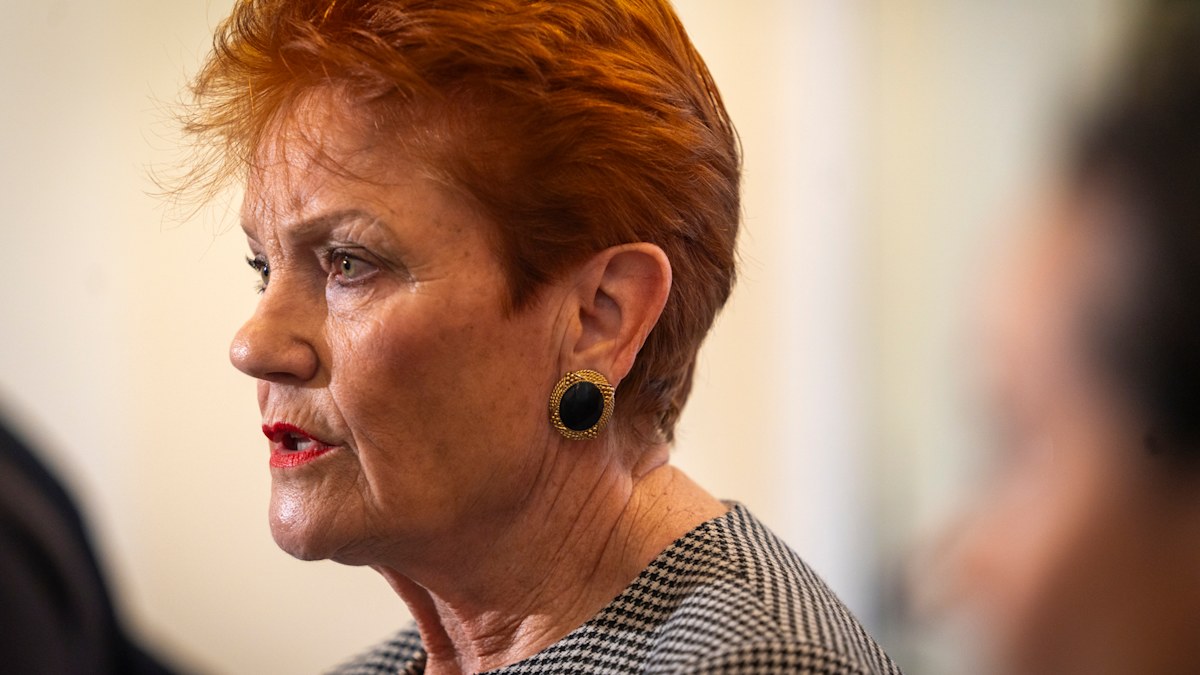
Australia could be $212 billion worse off under One Nation’s plan to slash migration, with hundreds of thousands fewer workers paying tax and national debt forecast to soar.
Fresh analysis reported by the Sydney Morning Herald has crunched the numbers on Pauline Hanson’s plan for three years of negative net migration, finding it could add $275 billion to Australia’s debt over the next decade.
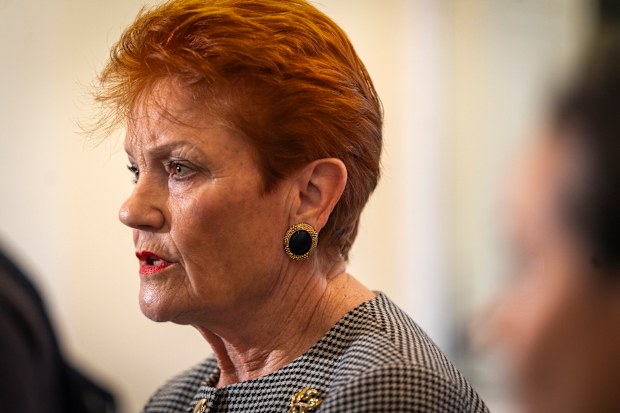
Fresh analysis reported by the Sydney Morning Herald has crunched the numbers on Pauline Hanson’s plan for three years of negative net migration. Eamon Gallagher
By the middle of the next decade, the modelling found 820,000 fewer people would be in paid work under the One Nation scenario, leaving a major hole in income tax, company tax, and GST revenue.
The federal budget would also remain in deficit for at least the next 10 years.
Gross debt is forecast to reach nearly $1.4 trillion by mid-decade under current government policy.
Under One Nation’s proposed migration numbers, the analysis estimates the cost at $1.67 trillion.
The Coalition’s proposed migration cuts also came with a hefty price tag in the modelling.
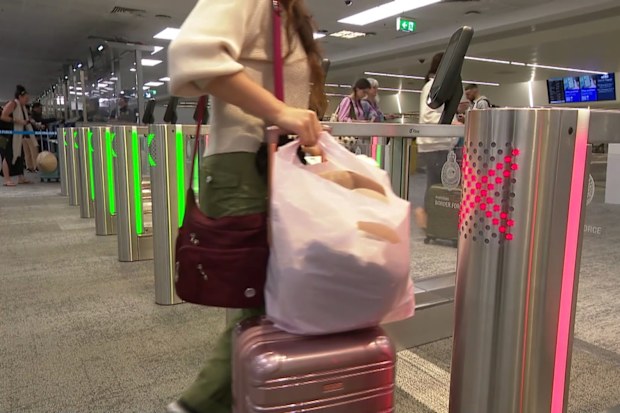
Australia could be $212 billion worse off under One Nation’s plan to slash migration. Today
Its plan to initially reduce net migration to 100,000 before raising it to 160,000 could leave Australia with 430,000 fewer workers and an additional $150 billion in debt over a decade if the current mix of migrants remained the same.
Nationals MP David Littleproud seized on the findings to attack One Nation’s plan, arguing that simply slashing the number of people entering Australia was not enough.
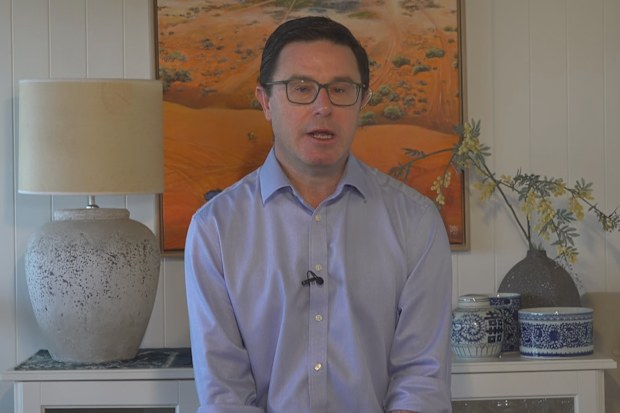
Nationals MP David Littleproud said that simply slashing the number of people entering Australia was not enough. Today
“A good headline doesn’t equal good policy, and that’s what one nation works on,” he told Today.
“You’ve got to get to the detail, and migration is something that can work for this country.”
Littleproud said the Coalition also wanted migration numbers cut, but argued its plan would prioritise people with skills Australia needs.
“We need to reduce them, but we need to reduce them in the right areas and make sure that we continue to bring in the right people,” he said.
The Coalition instead plans to overhaul visa allocation, placing greater emphasis on skilled workers.
Its own unpublished Parliamentary Budget Office analysis paints a very different picture, with the Coalition claiming its policy would improve the budget bottom line by $260 million over four years and $2.5 billion across a decade.
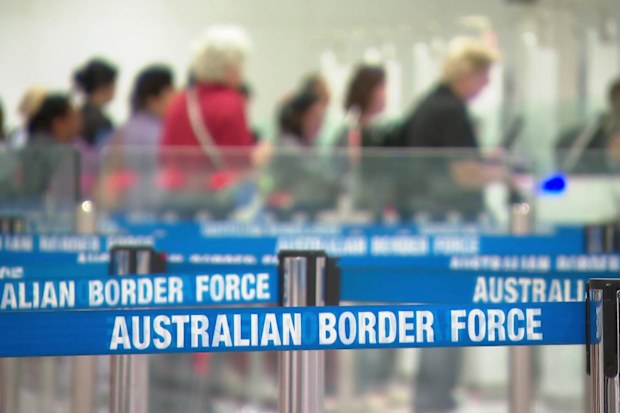
The Coalition plans to overhaul visa allocation, placing greater emphasis on skilled workers. Today
Western Sydney Women CEO Amanda Rose said Australia had another problem to fix: skilled migrants arriving with qualifications but struggling to find work in their fields.
“We do need people. We can’t just say migration is an economic policy,” she told Today.
“The right people in the right jobs with the right opportunities because at the moment, it’s used as a lead generation tool for the university sector.”
Labor is aiming to bring net overseas migration down to 225,000, including by cutting second and third-year working holidaymaker visas and student family visas.
One Nation wants three years of negative migration before allowing a maximum net intake of 130,000 people a year.
Under the government’s current settings, the analysis forecasts cumulative deficits of $108 billion over the next decade.
That compares with $262 billion under the Coalition scenario and $391 billion under One Nation’s proposed numbers.