
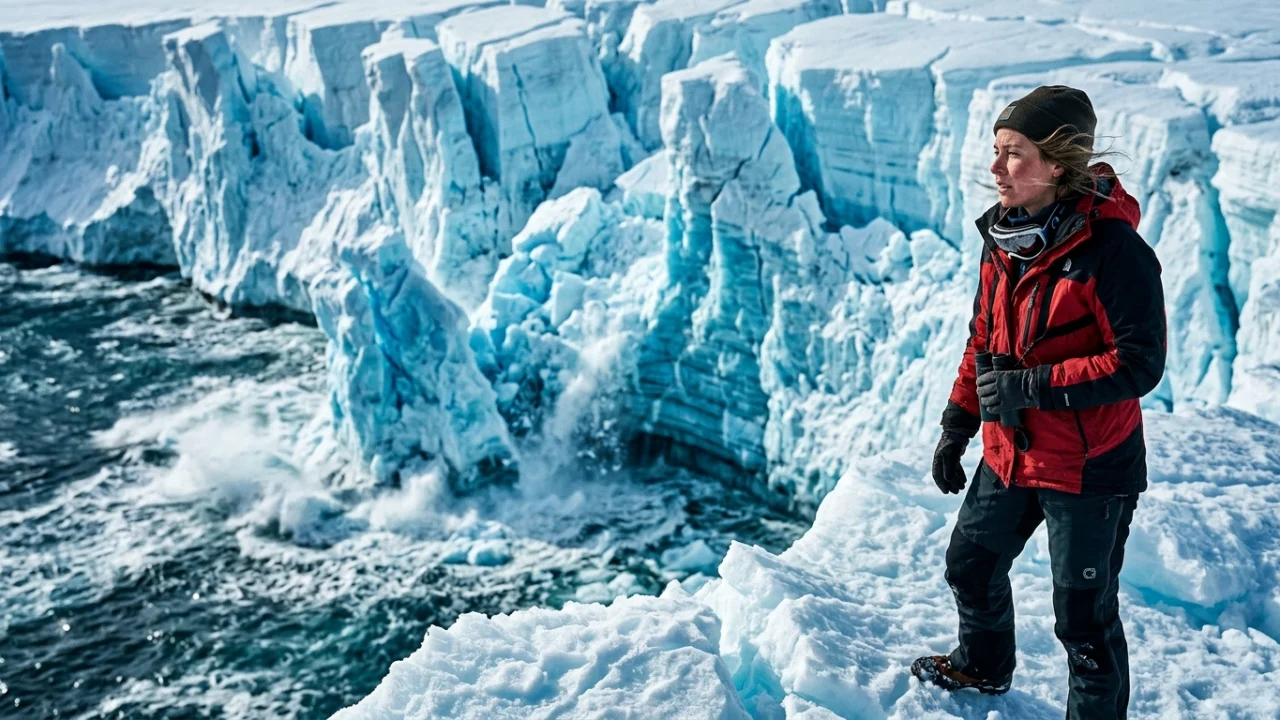
Antarctica’s doomsday glacier will continue to shed ice for at least 150 years even if the ocean-driven warming melting its base is switched off entirely, according to alarming new scientific findings. The vast Thwaites Glacier, roughly the size of Great Britain, has already been pushed into an inherently unstable state, presenting a massive long-term threat that could ultimately trigger widespread West Antarctic ice collapse and approximately 5 metres of global sea-level rise.
Computer simulations run by researchers revealed that shutting down ocean melting fails to prompt the world’s widest glacier to thicken or re-advance. While neighbouring ice formations recover under identical conditions, Thwaites remains trapped on a retreat trajectory set in motion decades ago.
Inside the 150-Year Simulation Surprise

Glaciologists running three independent computer models tested a hypothetical scenario where ocean-induced melting was brought to a complete halt. The team expected the colossal ice shelf to gradually rebuild mass, stabilise its grounding line, and push seaward once thermal pressures subsided.
“Our general expectation was …that if you turned off that ocean melting, the ice would be able to thicken and re-advance. It’s somewhat of a surprise that Thwaites glacier can’t do that.”
Instead of recovering, the doomsday glacier continued to bleed volume across the entire 150-year test timeline. Rosie Williams of the British Antarctic Survey highlighted that while the ice still diminishes under zero-melt parameters, accelerating ocean temperatures dramatically quicken that loss. Reducing carbon emissions remains vital to cap the sheer speed of water entering the global ocean.
The models exposed an unexpected divergence across Antarctica’s marine ice sheets, raising urgent questions about how different glaciers respond to identical environmental shifts.
Thwaites vs Pine Island: A Tale of Two Glaciers
To evaluate whether the perpetual retreat was universal, researchers placed the neighbouring Pine Island Glacier into the exact same zero-melt model environment. The results showed a stark split response between the two vast ice systems.
Glacier System
Zero-Ocean-Melt Model Response
Pine Island Glacier
Successfully thickened, re-advanced, and regained structural stability
Thwaites Glacier
Failed to stabilise, steadily losing ice mass for at least 150 years
This stark divergence proved that Thwaites possesses unique internal vulnerabilities. The exact structural mechanism preventing the ice from regrowing once warm waters are removed remains under active investigation.
A Long Glacial Memory
Glacial dynamics do not respond instantaneously to atmospheric weather. Decades of ocean heat delivered to the base of the ice have altered the physical foundation of the system in profound ways.
“Ocean heat delivered to the base of the ice ….over the past four decades or so, as a result of anthropogenic warming, has pushed the Thwaites system into an inherently unstable configuration.”
Ted Scambos of the University of Colorado Boulder confirmed that human-driven ocean warming over the past forty years nudged the glacier over a critical threshold. Williams noted that glaciers possess a exceptionally long physical memory; historical disturbances, including extreme El Niño events as far back as the 1940s, continue to dictate the behavior of Thwaites today.
Busting the Instant Climate Fix Myth
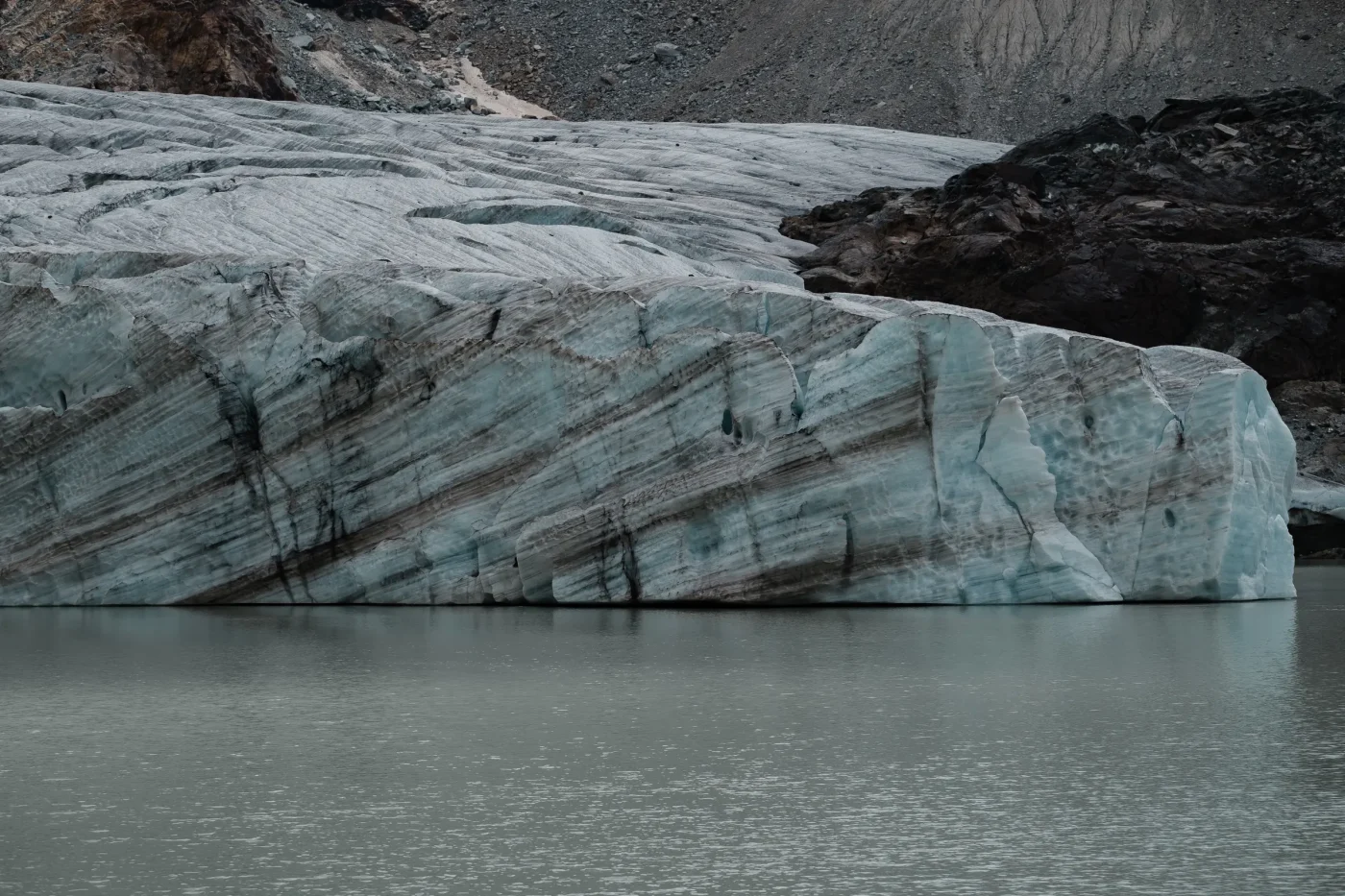
A prevalent misconception surrounding polar science suggests that aggressive climate interventions will quickly freeze polar ice back into equilibrium. The reality exposed by these simulations is far less forgiving.
Myth: Halting rising ocean temperatures will immediately halt ice loss and allow polar ice shelves to recover their former footprints.
Reality: The doomsday glacier has crossed stability thresholds where internal momentum sustains ice discharge for generations, regardless of cooling interventions.
Myth: Emission cuts are futile if ice loss is locked in.
Reality: Cutting emissions prevents warm seawater from radically accelerating the collapse, buying vital adaptation time for global coastal defences.
Because the ice will continue to retreat even under idealised climate conditions, international attention must pivot toward managing the speed of displacement. A full collapse threatens coastal communities worldwide, placing low-lying regions from the British coastline to global river deltas under profound marine stress.
💡 The revelation that Thwaites Glacier will retreat for over a century demands a fundamental shift in how long-term sea-level projections are calculated.
🔍 With West Antarctic ice collapse posing up to 5 metres of potential sea-level rise, coastal adaptation timelines must account for unstoppable legacy melting.
👇 Leave your thoughts in the comments below on how global infrastructure should prepare for these locked-in polar changes.